
Fresno, California, a name often associated with the heart of the state’s agricultural bounty, frequently piques the curiosity of travelers and logistics planners alike. Its strategic location within the vast Central Valley makes it a critical hub, but precisely “how far” it is from major metropolitan areas or iconic natural attractions is a question that requires a deeper look into its geographical context and the various travel arteries that connect it. Far more than just a point on a map, Fresno serves as a pivotal gateway to some of California’s most stunning landscapes and a significant destination in its own right, boasting a rich blend of cultural experiences and a burgeoning urban scene. Understanding its distances is key to appreciating its role in the state’s travel and economic fabric, guiding decisions for business, leisure, and exploration. This guide will meticulously detail Fresno’s position, its connectivity, and the journey considerations for those venturing to or through this vibrant California city.
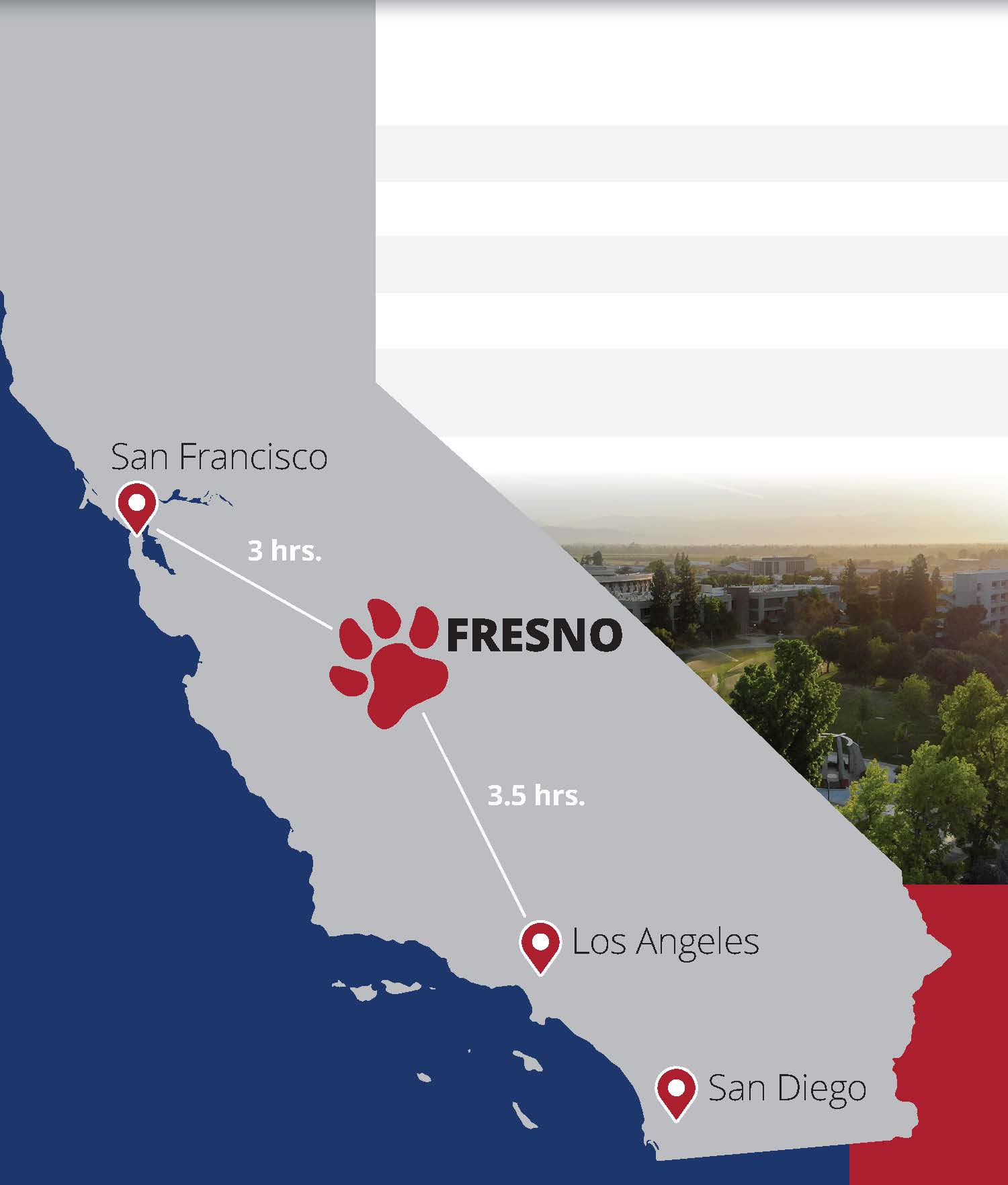
Fresno’s Pivotal Location in the Golden State
At the geographical epicenter of California, Fresno occupies a unique and strategically important position. Nestled squarely within the Central Valley, a fertile expanse stretching hundreds of miles, the city is a testament to the state’s agricultural prowess. This location not only defines its character but also dictates its accessibility from various corners of California and beyond. Its placement means it’s roughly equidistant from the state’s northern and southern boundaries, and critically, it sits at the crossroads of major north-south transportation corridors, making it an unavoidable waypoint for many journeys.
A Central Valley Gem
Fresno is the largest city in the Central Valley, acting as a primary economic and cultural engine for the region. The valley itself is framed by the Sierra Nevada mountains to the east and the California Coast Ranges to the west, placing Fresno in a unique geographical bowl. This positioning means it benefits from a Mediterranean climate, ideal for the vast array of crops that define the local economy. For travelers, Fresno’s centrality makes it an attractive base camp for exploring the surrounding natural beauty, particularly the majestic national parks that lie within a few hours’ drive. Its accessibility is further enhanced by its direct links to major highways, forming a vital node in California’s intricate transportation network.
Navigating the Distances: Key California Metropolises
Understanding the travel distance to Fresno from California’s major urban centers is crucial for planning any trip. Due to its central position, Fresno is well-connected to both Southern California and Northern California via major interstate highways and state routes. These distances vary, naturally, depending on the specific starting point and the chosen route, but generally provide a clear picture of travel times.
From Southern California: Los Angeles and San Diego
Traveling to Fresno from the bustling metropolises of Southern California involves a journey primarily northwards through the Central Valley.
From Los Angeles, the distance to Fresno is approximately 220-230 miles (354-370 kilometers). This drive typically takes around 3.5 to 4 hours, assuming favorable traffic conditions. The most common route involves taking Interstate 5 (I-5) north before transitioning to California State Route 99 (CA-99) northbound, which leads directly into Fresno. Alternatively, one can take CA-99 directly from the northern edge of the Los Angeles metropolitan area, though this route is often more congested.
From San Diego, located further south, the journey to Fresno is considerably longer. The distance is roughly 330-340 miles (531-547 kilometers), translating to an average drive time of 5.5 to 6 hours. The most direct path involves taking I-5 north through Los Angeles and then connecting to CA-99 northbound. Travelers should factor in potential traffic delays, especially when passing through the Los Angeles area.
From Northern California: San Francisco, San Jose, and Sacramento
Accessing Fresno from Northern California usually involves traveling south through the Central Valley, often providing scenic views of agricultural landscapes.
From San Francisco, the distance to Fresno is approximately 185-195 miles (298-314 kilometers). The driving time is typically around 3 to 3.5 hours. The most common route involves taking Interstate 580 (I-580) east from the Bay Area, then merging onto I-5 south, and finally connecting to CA-99 south, which leads into Fresno. An alternative involves taking CA-152 east to CA-99 south, offering a slightly different view of the valley.
San Jose, situated further inland from San Francisco, is approximately 160-170 miles (257-274 kilometers) from Fresno. The drive typically takes between 2.5 and 3 hours. The route generally follows CA-152 east before connecting to CA-99 south, offering a relatively straightforward journey.
From Sacramento, California’s capital, Fresno is about 170-180 miles (274-290 kilometers) south. The driving time is usually 2.5 to 3 hours. The most direct route is to take CA-99 south, a major thoroughfare that runs straight through the Central Valley and directly into Fresno. This route is generally quite direct and less prone to major traffic delays compared to coastal routes.
Gateway to Natural Wonders: Proximity to National Parks
One of Fresno’s most compelling attributes for travelers is its unparalleled proximity to some of California’s most celebrated national parks. Often referred to as the “Gateway to the National Parks,” Fresno serves as an ideal base camp for adventurers looking to explore the majestic landscapes of the Sierra Nevada mountains. Its accessibility makes it a practical starting point, offering a range of amenities before visitors venture into the wilderness.
Yosemite National Park
Yosemite National Park, renowned for its towering granite cliffs, ancient giant sequoias, and spectacular waterfalls, is arguably the most famous park accessible from Fresno. The drive to the park’s south entrance, near Wawona and the Mariposa Grove of Giant Sequoias, is approximately 60-70 miles (97-113 kilometers). This journey typically takes about 1.5 to 2 hours, depending on traffic and road conditions, especially during peak seasons. Many visitors choose to stay in Fresno before or after their Yosemite adventure, appreciating the city’s diverse dining and lodging options. From the south entrance, it’s a further drive into Yosemite Valley, adding another 45-60 minutes to the travel time.
Sequoia and Kings Canyon National Parks
Equally impressive and even closer to Fresno are Sequoia National Park and Kings Canyon National Park. These two parks are administered jointly and are famous for their colossal giant sequoia trees, including the world’s largest by volume, the General Sherman Tree.
The drive from Fresno to the entrance of Kings Canyon National Park (Big Stump entrance) is approximately 50-60 miles (80-97 kilometers), taking about 1 to 1.5 hours. From there, it’s a short drive further into the park’s main attractions.
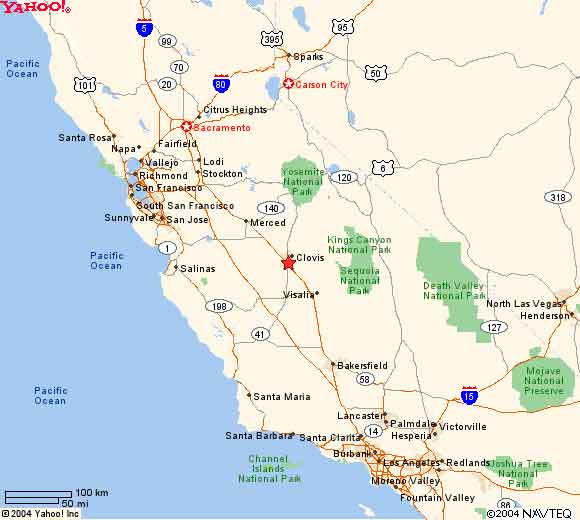
To reach the entrance of Sequoia National Park (Foothills or Ash Mountain entrance), the distance from Fresno is around 70-80 miles (113-129 kilometers), requiring about 1.5 to 2 hours of driving. Given their close proximity to Fresno and to each other, it’s common for visitors to explore both Sequoia and Kings Canyon on a single trip, using Fresno as their staging ground. The ease of access makes Fresno an unparalleled location for experiencing these natural wonders without lengthy travel times.
Modes of Transportation to Fresno
While driving remains the most common and often preferred method of reaching Fresno, the city is also well-served by air and public transportation options, catering to a diverse range of traveler needs and preferences. The choice of transportation largely depends on the starting location, budget, time constraints, and the desire for flexibility upon arrival.
Driving: The Most Popular Choice
For many, driving is the quintessential California travel experience, and it is undoubtedly the most popular way to get to Fresno. The city is strategically positioned along California State Route 99 (CA-99), a major north-south freeway that bisects the Central Valley. CA-99 connects directly to other significant highways like Interstate 5 (I-5), providing seamless access from both Northern California and Southern California.
The primary advantages of driving include unparalleled flexibility to stop at points of interest along the way, the convenience of having personal transportation for local exploration (especially for visiting the nearby national parks), and the ability to carry more luggage. However, travelers should be mindful of traffic, particularly around major metropolitan areas like Los Angeles or the Bay Area, and be prepared for higher temperatures during the summer months in the Central Valley.
Air Travel: Fresno Yosemite International Airport (FAT)
For those traveling from further afield or preferring to minimize travel time, flying into Fresno Yosemite International Airport (FAT) is an excellent option. FAT is a modern and conveniently located airport, situated just six miles northeast of downtown Fresno.
The airport offers a range of direct and connecting flights to major hubs across the United States, including Denver, Dallas, Chicago, Seattle, Las Vegas, and several California cities. Major airlines such as American Airlines, Delta Air Lines, United Airlines, Alaska Airlines, and Southwest Airlines operate out of FAT, ensuring good connectivity. Upon arrival, travelers can access rental cars, ride-sharing services, and taxis to reach their final destination in Fresno or beyond.
Public Transportation: Trains and Buses
While less flexible than driving or flying, public transportation offers a viable and often more economical alternative for reaching Fresno.
Amtrak’s San Joaquin route serves Fresno, connecting it directly to cities in the Bay Area (via a bus connection from Stockton) and Sacramento to the north, and Bakersfield to the south, where bus connections are available to Southern California. The train journey provides a comfortable and scenic way to travel through the Central Valley, offering a different perspective than driving.
Intercity bus services, such as Greyhound and FlixBus, also operate routes to Fresno from various cities across California and neighboring states. These bus services are typically the most budget-friendly option, though travel times can be longer due to multiple stops. Both train and bus stations in Fresno are centrally located, offering easy access to local transit or ride-sharing services.
Planning Your Journey and Exploring Fresno
Embarking on a trip to Fresno, whether as a destination in itself or as a launching pad for wider California adventures, requires thoughtful planning. Beyond understanding “how far” it is, practical considerations regarding the best time to visit and what to do upon arrival can significantly enhance the travel experience. Fresno offers a blend of urban amenities and access to natural beauty, making it a versatile travel choice.
Best Time to Visit and Travel Tips
The Central Valley experiences distinct seasons, which should guide your travel timing. Spring (March to May) is arguably the most pleasant time to visit. The valley is ablaze with vibrant blooms from the fruit and nut orchards, known as the Fresno Blossom Trail, and temperatures are mild, ideal for outdoor activities and exploring the national parks before the summer heat arrives. Autumn (September to November) also offers agreeable weather and the beauty of harvest season.
Summer (June to August) in Fresno can be intensely hot, with temperatures frequently exceeding 100°F (38°C). While the national parks offer cooler mountain air, travelers should be prepared for the heat in the valley itself. Winter (December to February) is generally mild and foggy, with occasional rain, and can be a good time for those seeking to avoid crowds, especially in the national parks where some roads may be closed due to snow.
Regardless of the season, if you plan to visit the national parks, booking accommodations and any necessary park permits well in advance is highly recommended, especially during peak seasons. While Fresno itself has numerous hotels, demand can surge when major events coincide or during popular travel periods. Renting a car is almost essential for exploring the region fully, offering the freedom to navigate between city attractions and the mountain parks at your own pace.

Beyond the Gateway: Local Attractions in Fresno
While Fresno is often lauded for its gateway status to the Sierra Nevada parks, the city itself offers a surprising array of attractions that make it a worthy destination. Delving into Fresno’s local culture provides a richer understanding of the Central Valley’s unique identity.
One of Fresno’s most enchanting and unusual attractions is the Forestiere Underground Gardens. Built by a Sicilian immigrant over 40 years, this hand-dug network of underground rooms, courtyards, and passageways provides a cool retreat from the summer heat and a fascinating glimpse into a unique architectural vision. It’s a testament to human ingenuity and perseverance.
For family-friendly entertainment, the Fresno Chaffee Zoo is a highly regarded institution, featuring diverse exhibits like the African Adventure and the Asian Wetlands, housing a wide variety of species. The zoo is consistently expanding and offers an engaging experience for visitors of all ages.
The city also boasts a vibrant arts and culture scene. The Tower District is a historic neighborhood known for its eclectic mix of restaurants, bars, live music venues, and art galleries, centered around the iconic Tower Theatre. This district comes alive in the evenings and offers a taste of Fresno’s nightlife. Additionally, the Cultural Arts District in downtown Fresno features numerous murals, galleries, and performance spaces, reflecting the city’s artistic spirit.
Finally, for a glimpse into the region’s agricultural roots, a visit to Old Town Clovis, a charming community just northeast of Fresno, offers a quaint atmosphere with antique shops, boutiques, and farmer’s markets, particularly lively on weekends. Exploring these local facets of Fresno reveals a city with more depth than just its geographical coordinates suggest, cementing its place as an integral and engaging part of the California travel experience.
LifeOutOfTheBox is a participant in the Amazon Services LLC Associates Program, an affiliate advertising program designed to provide a means for sites to earn advertising fees by advertising and linking to Amazon.com. Amazon, the Amazon logo, AmazonSupply, and the AmazonSupply logo are trademarks of Amazon.com, Inc. or its affiliates. As an Amazon Associate we earn affiliate commissions from qualifying purchases.