
Embarking on a journey through California promises an unforgettable experience, whether you’re drawn to the vibrant urban pulse of San Francisco or the serene coastal charm of Monterey. A common question for many travelers planning a trip to the Golden State is the logistical distance and travel time between these two iconic destinations. Understanding “how far” isn’t merely about miles; it’s about the journey itself, the routes available, the time invested, and the distinct experiences that await along the way. This guide aims to provide a comprehensive look at the distance, travel options, and insights needed to navigate your trip seamlessly, ensuring your California adventure is as smooth and enjoyable as the destinations themselves.
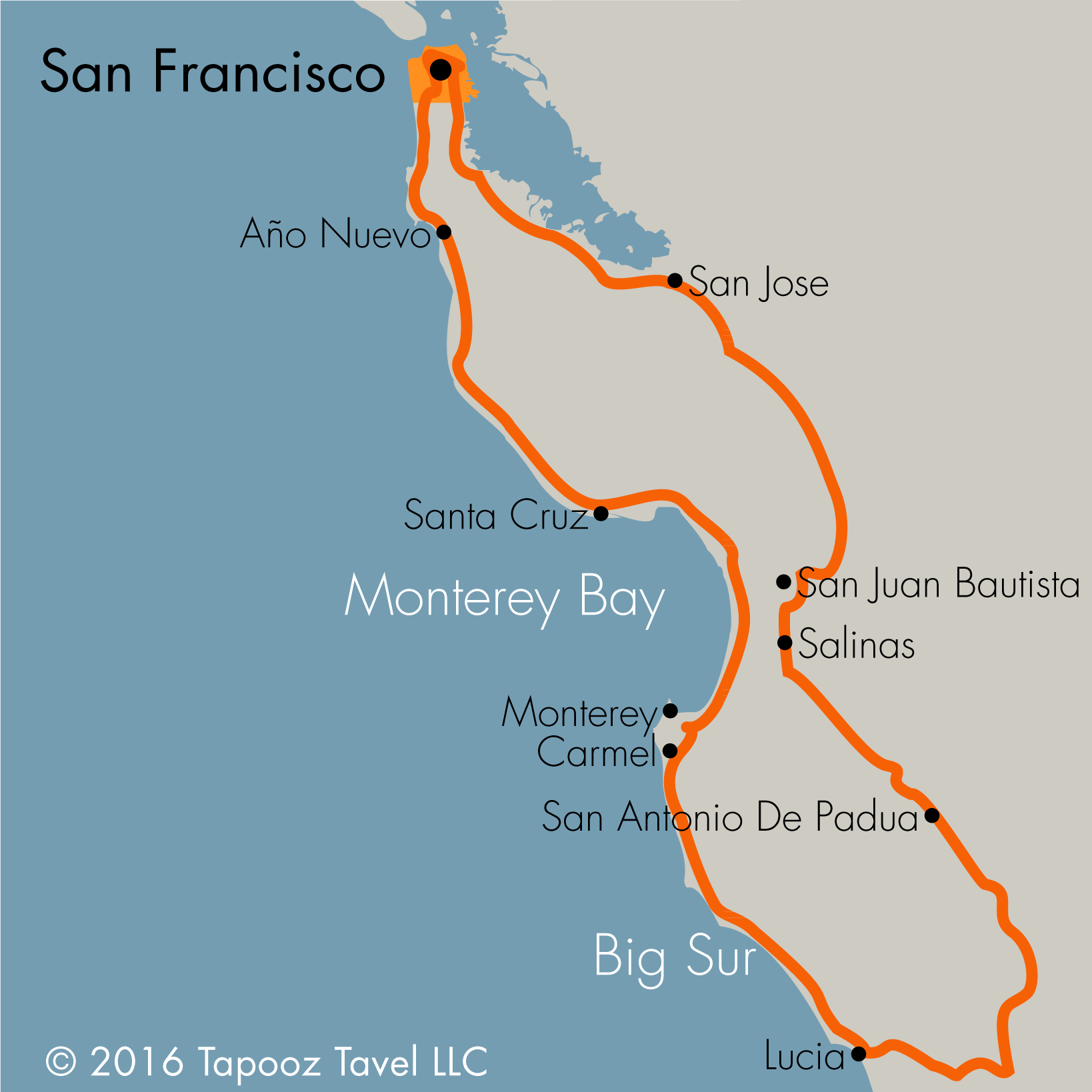
The stretch between San Francisco and Monterey represents a quintessential California road trip, blending bustling cityscapes with breathtaking ocean vistas. While geographically distinct, they are close enough to be easily combined into a single itinerary, whether for a day trip, a weekend getaway, or as part of a longer exploration of the state’s diverse landscapes. From the winding coastal roads offering dramatic cliffside views to the efficient inland highways that promise a quicker arrival, the choice of path dramatically influences not just the travel time but also the very essence of your adventure. This article delves into the practicalities, offering insights into each mode of transport and the unique characteristics of the routes, helping you make an informed decision tailored to your travel style and preferences.
The Direct Route: Distance and Drive Time
For most travelers, the journey from San Francisco to Monterey is best undertaken by car, offering unparalleled flexibility and the opportunity to explore at your own pace. The most straightforward path offers a balance of efficiency and scenic beauty, making it a popular choice for those looking to reach their destination without significant detours.
The Quickest Path: US-101 South
The fastest and most direct route from San Francisco to Monterey primarily involves heading south on US-101. This inland highway, while not offering the dramatic coastal views of Highway 1, is significantly quicker and generally less congested, especially outside of peak commute times.
- Distance: Approximately 115-120 miles (185-193 kilometers).
- Estimated Drive Time: Typically 1 hour and 45 minutes to 2 hours and 15 minutes, depending on traffic conditions, particularly around the San Francisco Bay Area and San Jose.
Beginning your journey from downtown San Francisco, you’ll navigate through the southern neighborhoods and then onto US-101 South. This route takes you through the heart of Silicon Valley, past numerous tech campuses and urban sprawl, before opening up into more agricultural landscapes as you approach the Central Coast. As you get closer to Monterey, you’ll typically transition from US-101 to Highway 156 West, and then onto Highway 1 South, which leads directly into the city.
What to Expect Along the Way
While US-101 is primarily a functional highway, it still offers glimpses into California’s diverse geography. You’ll observe the transition from dense urban areas to sprawling farmlands and rolling hills. Traffic can be a significant factor, especially during weekday rush hours (7 AM – 9 AM and 4 PM – 6 PM) in the Bay Area. Using real-time navigation apps like Google Maps or Waze is highly recommended to get the most accurate travel time estimates and to navigate around unexpected congestion. Rest stops and gas stations are plentiful along this route, making it easy to refuel and take breaks as needed.
Navigating the Journey: Transportation Options
While driving remains the most popular option, several other transportation methods connect San Francisco and Monterey, each catering to different travel preferences and budgets.
Driving: Flexibility and Freedom
As discussed, driving offers the ultimate flexibility. It allows travelers to set their own schedule, make impromptu stops at scenic overlooks or charming towns, and carry as much luggage as needed. Car rental agencies are abundant in San Francisco, including at San Francisco International Airport (SFO) and various downtown locations. For those who prefer not to drive their own vehicle, carpooling or ride-sharing services can also be an option for direct travel.
Public Transportation: Bus and Train Alternatives
For travelers without a car or those who prefer a more relaxed journey, public transportation offers a viable, albeit longer, alternative.
- Bus Services: Greyhound operates bus services that connect San Francisco to Monterey. The journey typically involves a transfer, often in San Jose, and can take anywhere from 3.5 to 5 hours, depending on the schedule and transfer times. Bus travel is generally the most budget-friendly option.
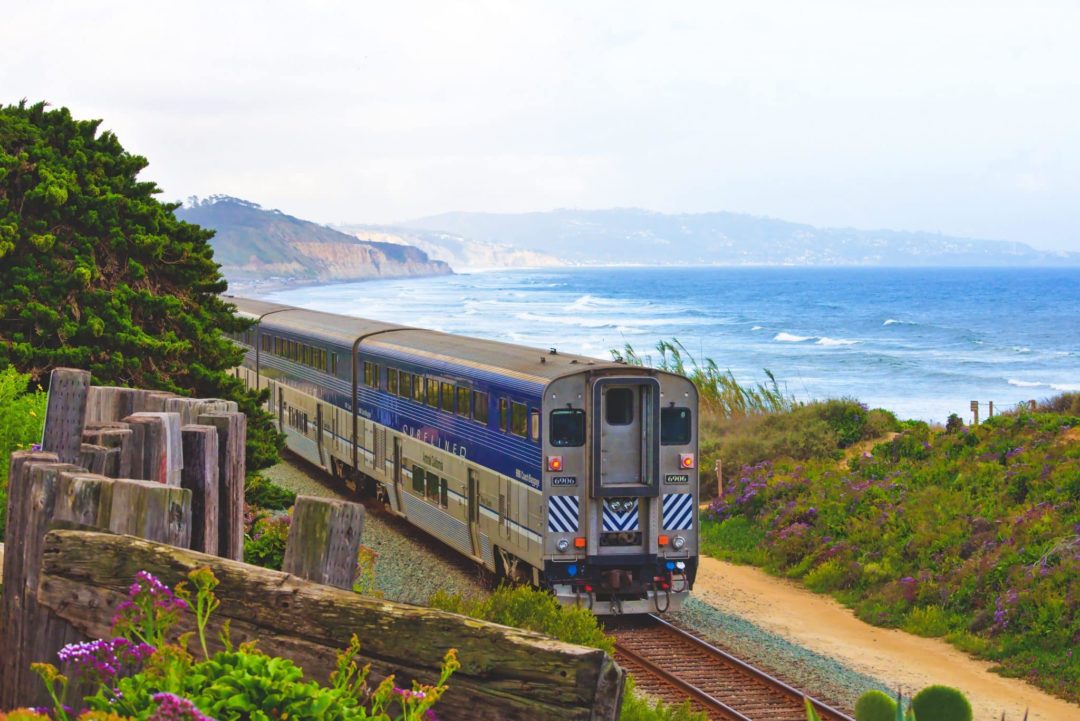
- Train Services: While there isn’t a direct train line from San Francisco straight into Monterey, Amtrak provides a scenic train route along the coast to nearby Salinas. From Salinas, you would need to take a connecting bus or taxi service to reach Monterey, which is about 20-30 minutes away. The total train and bus journey can take around 4-6 hours, making it a longer option but one that offers a unique perspective of the California landscape without the stress of driving.
Ride-Sharing and Shuttles
For a more personalized service, private shuttles or car services can be arranged. These options are generally more expensive but offer door-to-door convenience and comfort, especially for groups or those with specific time constraints. Ride-sharing apps like Uber or Lyft are also available, though the cost for a one-way trip between San Francisco and Monterey can be substantial and comparable to, if not exceeding, a car rental for a day.
Choosing Your Path: Scenic vs. Efficient Drives
The decision between a fast, efficient journey and a scenic, leisurely drive is perhaps the most exciting part of planning your trip between San Francisco and Monterey. Each route offers a distinct flavor of California’s beauty and experience.
The Iconic Highway 1 Coastal Drive
For those with ample time and a desire for breathtaking views, the coastal route along Highway 1, also known as the Pacific Coast Highway for parts of its length, is an absolute must-do.
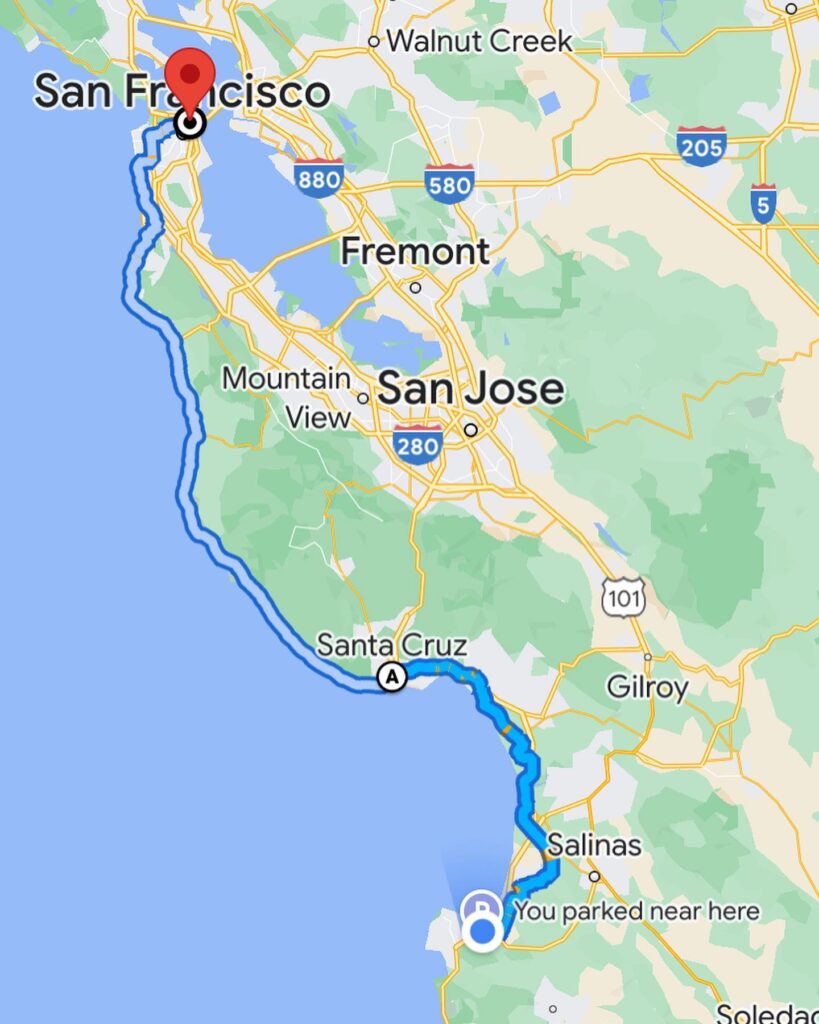
- Distance: Approximately 130-150 miles (209-241 kilometers), depending on specific detours.
- Estimated Drive Time: 3 to 5 hours minimum, but easily a full day or more if you plan to make stops.
This route takes you directly south from San Francisco along the rugged California coastline. You’ll encounter dramatic cliffs, pristine beaches, and charming seaside towns. The road can be winding and narrow in places, especially south of Half Moon Bay, demanding careful driving. However, the rewards are immense, with countless opportunities for stunning photographs and memorable experiences.
Inland vs. Coastal Considerations
- Time: The inland US-101 route is significantly faster, ideal if you’re on a tight schedule or simply want to get to Monterey quickly. The Highway 1 route is an experience in itself, requiring a slower pace.
- Scenery: Highway 1 offers unparalleled coastal beauty, while US-101 provides a glimpse into California’s agricultural heartland and urban centers.
- Road Conditions: US-101 is a multi-lane highway, generally well-maintained. Highway 1 can be subject to closures, especially during winter months due to landslides or severe weather, particularly in areas further south like Big Sur. Always check road conditions before embarking on the coastal route, especially if traveling during the rainy season.
Road Trip Stopovers
If you opt for the scenic Highway 1 drive, consider these enchanting stopovers:
- Half Moon Bay: A quaint coastal town known for its beaches, surfing, and pumpkin festival in the fall.
- Santa Cruz: Home to a historic boardwalk amusement park, vibrant surfing culture, and beautiful redwood forests nearby.
- Capitola: A charming village with a picturesque beach and unique shops.
Even on the US-101 route, you could consider a brief stop in Gilroy, the “Garlic Capital of the World,” or explore some of the wineries in the Santa Clara Valley.
Making the Most of Your Trip: Essential Tips
Regardless of your chosen route or mode of transport, a few key considerations can enhance your journey from San Francisco to Monterey.
Best Time to Travel
- Spring (April-May) and Fall (September-October): These seasons offer the most pleasant weather, with fewer crowds than summer and generally clear skies. Wildflowers bloom in spring along the coast, and the fall brings comfortable temperatures.
- Summer (June-August): Popular but can be crowded. San Francisco often experiences “fogust,” while Monterey enjoys milder, sunnier weather.
- Winter (November-March): Offers unique beauty with dramatic storms and fewer tourists, but be prepared for rain and potential road closures on Highway 1.
Packing Essentials
Even in California, coastal weather can be unpredictable. Always pack layers, regardless of the season. A light jacket or sweater is advisable, especially for evenings in Monterey. Don’t forget sunscreen, sunglasses, and a hat, as the California sun can be intense even on cloudy days. Comfortable walking shoes are a must for exploring both cities.
Navigation and Connectivity
Download offline maps before you depart, especially if you plan to take Highway 1, where cell service can be spotty in certain stretches. A portable phone charger is also a good idea to ensure your devices stay powered for navigation and photo opportunities.
Monterey & San Francisco: Complementary Destinations
The relatively short distance between San Francisco and Monterey makes them ideal complementary destinations, allowing travelers to experience a broad spectrum of what California has to offer.
Why Travel Between Them?
Visitors often combine these two cities to experience both urban sophistication and natural coastal beauty within a single trip. San Francisco offers iconic landmarks, a rich history, diverse culinary scene, and vibrant cultural experiences. Monterey, on the other hand, provides a tranquil escape with its stunning bay, marine life, historic waterfront, and proximity to other charming coastal towns.
San Francisco Highlights Before You Go
Before heading south, immerse yourself in the wonders of San Francisco. Walk across the majestic Golden Gate Bridge, explore the notorious Alcatraz Island, savor fresh seafood at Fisherman’s Wharf, or ride a historic cable car up the city’s famous hills. Each experience is distinctly San Francisco and sets a vibrant tone for your California adventure.
Monterey Highlights Upon Arrival
Upon reaching Monterey, prepare to be captivated by its natural beauty and historical charm. The world-renowned Monterey Bay Aquarium is a must-visit, offering an intimate look at the region’s diverse marine life. Stroll along historic Cannery Row, once the bustling center of the sardine-packing industry and now home to shops, restaurants, and hotels. Take a scenic drive along the iconic 17-Mile Drive through Pebble Beach to witness dramatic coastal landscapes and famous golf courses. The nearby charming town of Carmel-by-the-Sea with its fairy-tale cottages and art galleries is also a short drive away and well worth exploring.
In conclusion, the distance between San Francisco and Monterey is easily manageable, offering travelers a choice between efficient highway travel and an iconic scenic coastal drive. Whether you prioritize speed or stunning vistas, the journey is an integral part of the overall California experience. Planning your route and considering your transportation options in advance will ensure a smooth, enjoyable, and memorable trip between these two jewels of the Golden State.
LifeOutOfTheBox is a participant in the Amazon Services LLC Associates Program, an affiliate advertising program designed to provide a means for sites to earn advertising fees by advertising and linking to Amazon.com. Amazon, the Amazon logo, AmazonSupply, and the AmazonSupply logo are trademarks of Amazon.com, Inc. or its affiliates. As an Amazon Associate we earn affiliate commissions from qualifying purchases.