
The allure of Las Vegas, with its vibrant nightlife, world-class entertainment, and unique desert charm, often beckons travelers from its neighboring state, California. For many Californians, a trip to Las Vegas is not just a vacation; it’s a rite of passage, a quick escape, or a regular weekend jaunt. The proximity of the two states, separated by the arid beauty of the Mojave Desert, makes this journey a frequently pondered question: “How far is Las Vegas from California?”
The answer isn’t a single number, as California is a vast state spanning over 770 miles from north to south. The distance and travel time to the Entertainment Capital of the World vary significantly depending on your starting point within the Golden State. However, what remains consistent is the general ease and accessibility of travel, making Las Vegas a perennial favorite destination for Californians seeking excitement, relaxation, or simply a change of scenery. This guide delves into the specifics of this popular route, offering insights into distances, travel times, modes of transport, and what to expect on your journey from California to the glimmering oasis of Nevada.
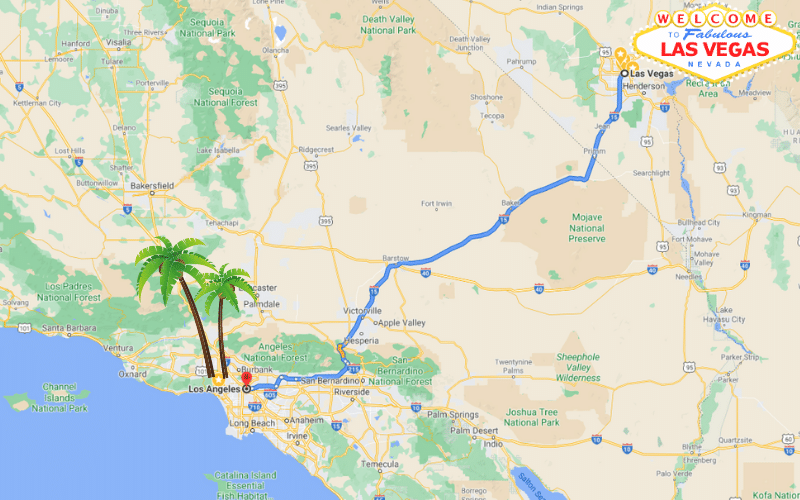
The Proximity: A Tale of Two States
California shares a long eastern border with Nevada, the state where Las Vegas is located. This geographical relationship is the primary reason why the journey is so common and relatively straightforward for millions.
Geographical Overview
Las Vegas is situated in the southern tip of Nevada, relatively close to the state lines of both California and Arizona. The shortest distance from California to Las Vegas is essentially a straight line across the Mojave Desert. This desert landscape, while seemingly barren, offers its own unique beauty and a sense of escape that begins almost as soon as you cross the California-Nevada border. The city of Primm, Nevada, often the first stop for those driving from Southern California, sits almost directly on the border, signaling the beginning of the Las Vegas experience.
Why Las Vegas is a California Favorite
The reasons for Las Vegas’ enduring popularity among Californians are manifold. For residents of Southern California, the drive is typically manageable for a weekend getaway, often taking less time than traveling to some destinations within California itself. This accessibility, combined with the stark contrast in atmosphere from California’s coastal cities or serene national parks, makes Las Vegas an ideal escape. It offers a distinct brand of entertainment, world-class dining, and vibrant energy that is hard to replicate elsewhere. Whether it’s for a bachelor/bachelorette party, a concert, a sporting event, or simply a spontaneous adventure, Las Vegas consistently ranks high on the list of destinations for Californians.
Decoding the Distance: Major California Hubs to Las Vegas
To provide a clear understanding, let’s break down the distances and approximate travel times from some of California’s major population centers. These figures are for driving and can fluctuate based on traffic, weather, and specific routes taken.
From Southern California (Los Angeles, San Diego)
Southern California is, by far, the largest source of visitors to Las Vegas. The primary route from this region is the Interstate 15 (I-15) freeway, which is practically a direct pipeline to the desert metropolis.
- Los Angeles to Las Vegas:
- Distance: Approximately 270 miles (435 km).
- Driving Time: 4 to 5 hours without significant traffic. However, weekend traffic, especially Friday afternoons/evenings leaving Los Angeles and Sunday afternoons returning, can extend this to 6-8 hours or more.
- Route: The most common route is to take the Interstate 15 (I-15) North directly from the Los Angeles area, passing through towns like Barstow and Baker before crossing into Nevada.
- San Diego to Las Vegas:
- Distance: Approximately 330 miles (530 km).
- Driving Time: 5 to 6 hours without significant traffic. Similar to Los Angeles, weekend traffic can add considerable time.
- Route: Travelers from San Diego typically head north on Interstate 15 (I-15) directly to Las Vegas, merging with Los Angeles traffic around the Temecula-Riverside corridor.
- Other Southern California cities:
- From Orange County (Anaheim, Santa Ana): Similar to Los Angeles, around 270-280 miles, 4.5-5.5 hours.
- From Palm Springs: Approximately 230 miles, 3.5-4 hours via Interstate 10 and then Interstate 15.
From Northern California (San Francisco, Sacramento)
Traveling from Northern California involves a considerably longer journey, making flights a more popular option for many, though road trips are still undertaken.
- San Francisco to Las Vegas:
- Distance: Approximately 560 miles (900 km).
- Driving Time: 9 to 10 hours of pure driving time. This typically necessitates an overnight stop or a very long day of driving.
- Routes: There are a couple of main routes. One involves taking Interstate 5 (I-5) South to California State Route 58 (CA-58) East towards Barstow and then connecting to Interstate 15 (I-15) North. Another scenic, but potentially longer, option involves United States Route 395 (US-395) through the eastern Sierra Nevada foothills, then connecting to US-95 in Nevada via towns like Bishop or Lone Pine.
- Sacramento to Las Vegas:
- Distance: Approximately 560 miles (900 km).
- Driving Time: 9 to 10 hours.
- Route: Similar routes to San Francisco via Interstate 5 (I-5) or United States Route 395 (US-395).
Modes of Travel: Your Journey to the Entertainment Capital of the World
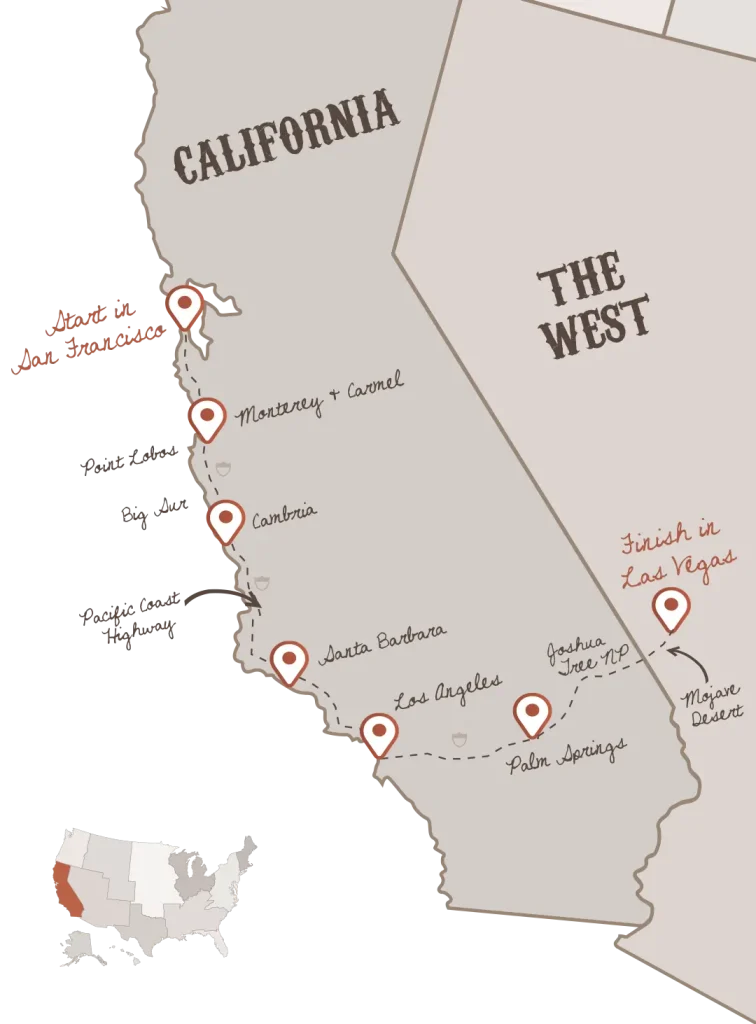
The choice of transportation from California to Las Vegas largely depends on your starting point, budget, time constraints, and travel preferences.
Driving: The Quintessential California to Vegas Road Trip
For many, the drive is an integral part of the Las Vegas experience. It offers flexibility, the ability to pack more, and the option to make spontaneous stops.
- Pros: Cost-effective for groups, allows for luggage, offers scenic detours.
- Cons: Can be tiring, subject to traffic delays, gas costs.
- Tips:
- Traffic: Be mindful of peak travel times, especially Friday afternoons/evenings heading to Las Vegas and Sunday afternoons returning to California. Use navigation apps with real-time traffic updates.
- Fuel: Fill up before entering the most remote stretches of the desert. Gas prices tend to be higher in smaller towns along Interstate 15 and immediately crossing into Nevada.
- Rest Stops: Barstow is a common stop for food, gas, and restrooms. Further along, Baker and Primm also offer amenities.
- Heat: During summer months, desert temperatures can be extreme. Ensure your vehicle is in good condition, especially tires and cooling system. Carry extra water.
Flying: Fastest Option for Northern California and Beyond
For those from Northern California or anyone prioritizing speed and convenience, flying is the preferred method.
- Major Airports: Los Angeles International Airport (LAX), San Francisco International Airport (SFO), Oakland International Airport (OAK), San Diego International Airport (SAN), and Ontario International Airport (ONT) offer numerous daily flights to Harry Reid International Airport (LAS) in Las Vegas.
- Flight Duration: Direct flights from Southern California airports typically range from 1 hour to 1 hour 15 minutes. From Northern California, flights are usually 1 hour 15 minutes to 1 hour 45 minutes.
- Airlines: Most major domestic carriers and budget airlines operate this route, leading to competitive pricing.
- Pros: Quick, avoids traffic, comfortable.
- Cons: Can be more expensive for groups, additional time for airport security and transfers, luggage restrictions.
Bus and Train: Less Common but Viable Alternatives
While not as popular as driving or flying, bus services provide a budget-friendly option, and train travel, though indirect, offers a unique experience.
- Bus Services: Companies like Greyhound offer direct routes from various California cities to Las Vegas. Travel times are typically longer than driving due to multiple stops.
- Train Services: There is no direct Amtrak route to Las Vegas. Travelers opting for Amtrak would typically take a train to a California city like Barstow and then connect via bus service, making it a very long journey. There have been discussions and plans for high-speed rail links between Southern California and Las Vegas, such as Brightline West (formerly XpressWest), which could revolutionize travel in the future.
Beyond the Miles: Making the Most of Your Trip
The journey to Las Vegas from California is more than just covering miles; it’s about the experience and the destination itself.
Popular Stopovers and Scenic Routes
For those driving, turning the journey into a mini-adventure can enhance the trip.
- Mojave National Preserve: Located just off Interstate 15 (I-15) between Los Angeles and Las Vegas, this vast desert landscape offers stunning vistas, sand dunes, volcanic cinder cones, and the iconic Joshua trees. It’s a great place to stretch your legs and experience the quiet majesty of the desert.
- Death Valley National Park: If taking the United States Route 395 (US-395) route from Northern California or seeking a significant detour from Southern California, Death Valley is a mesmerizing stop with extreme landscapes, salt flats, and unique geological formations.
- Hoover Dam and Lake Mead: For all travelers, these iconic landmarks are just a short drive from Las Vegas itself and offer a fascinating glimpse into engineering marvels and natural beauty. They make for excellent day trips or a convenient stop on your way into or out of the city.

Planning Your Las Vegas Experience
Once you arrive in Las Vegas, the options for entertainment are virtually limitless. The city is a dynamic hub for:
- World-Class Shows: From residencies by global music stars to spectacular Cirque du Soleil productions and magic shows.
- Dining: An unparalleled culinary scene, boasting celebrity chef restaurants, diverse international cuisine, and extravagant buffets.
- Nightlife: Home to some of the biggest and most exclusive nightclubs and lounges in the world.
- Gambling: Of course, the casinos are a central attraction, offering everything from slot machines to high-stakes poker.
- Outdoor Adventures: Beyond the Strip, the surrounding area offers opportunities for hiking at Red Rock Canyon, boating on Lake Mead, or exploring the vast desert.
The distance between California and Las Vegas is more than just miles; it’s a bridge between the Golden State’s diverse landscapes and the glittering, exhilarating world of Las Vegas. While the exact “how far” depends on your specific starting point, the journey is consistently manageable and well-traveled, catering to every preference, whether you seek a quick flight or a memorable road trip. This enduring connection ensures that Las Vegas remains an easily accessible and highly desirable escape for millions of Californians.
LifeOutOfTheBox is a participant in the Amazon Services LLC Associates Program, an affiliate advertising program designed to provide a means for sites to earn advertising fees by advertising and linking to Amazon.com. Amazon, the Amazon logo, AmazonSupply, and the AmazonSupply logo are trademarks of Amazon.com, Inc. or its affiliates. As an Amazon Associate we earn affiliate commissions from qualifying purchases.