
The allure of Hawaii has captivated travelers for generations, beckoning them across the vast expanse of the Pacific Ocean from the continental United States. For many, the journey begins in California, a primary gateway to the island paradise. Understanding the distance between these two iconic locations is the first step in planning an unforgettable escape, whether by air or by sea. It’s not merely a number; it defines the duration, logistics, and ultimately, the character of your travel experience.
This article delves into the precise distances, estimated travel times, and various considerations that shape the journey from the Golden State to the Aloha State. We’ll explore the geographical realities, the efficiency of air travel, the leisurely pace of an oceanic cruise, and practical tips to ensure your passage to Hawaii is as seamless and enjoyable as the destination itself.
The Geographical Reality: Bridging the Pacific
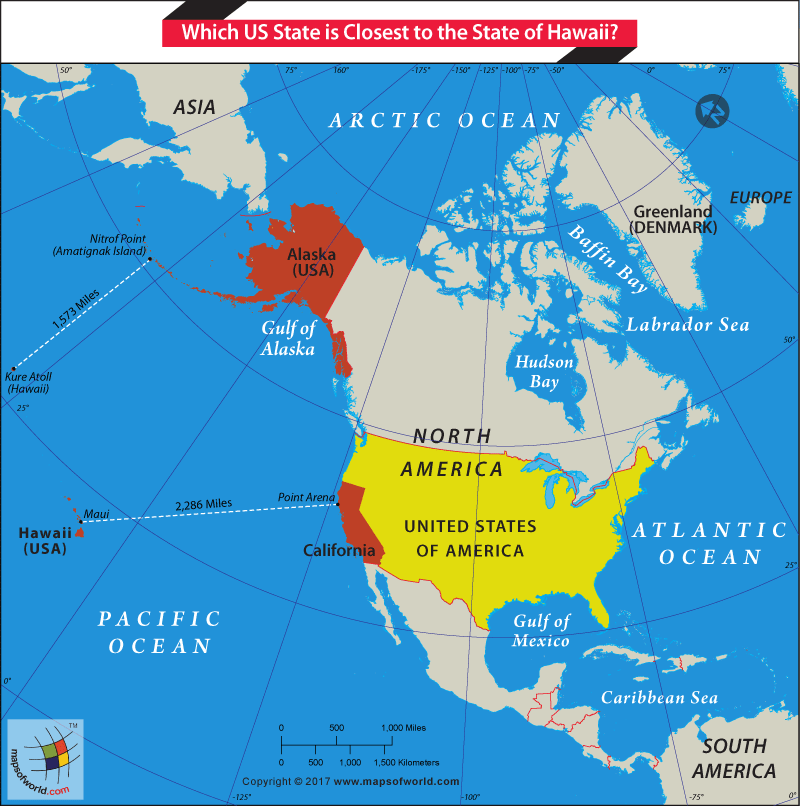
The journey from California to Hawaii fundamentally involves crossing a significant portion of the Pacific Ocean. This vast expanse dictates the nature of travel and sets Hawaii apart as a truly remote, yet accessible, tropical destination.
Understanding the Core Distance
At its closest point, the distance from the coast of California to the shores of Hawaii is approximately 2,400 to 2,500 miles (around 3,860 to 4,020 kilometers). However, this is an average, and the exact mileage will vary depending on your specific departure city in California and your arrival island in Hawaii.
For instance, a flight from Los Angeles to Honolulu (Oahu) typically covers about 2,550 miles (4,100 km). From San Francisco to Honolulu, the distance is slightly less, at around 2,400 miles (3,860 km). Heading further north in California or to the easternmost islands of Hawaii can slightly alter these figures. This substantial distance is a defining characteristic of the travel experience, necessitating either several hours of flight or multiple days at sea.
Key Departure Hubs in California
California boasts several major international airports that serve as primary departure points for flights to Hawaii. These hubs offer a wealth of direct flights, catering to millions of travelers annually.
- Los Angeles International Airport (LAX): Located in Los Angeles, LAX is one of the busiest airports in the world and offers the most frequent and diverse flight options to Hawaii.
- San Francisco International Airport (SFO): Serving the San Francisco Bay Area, SFO is another major hub with extensive direct services to the Hawaiian Islands.
- San Diego International Airport (SAN): Situated in San Diego, SAN offers convenient direct flights for travelers in Southern California.
- Oakland International Airport (OAK): An alternative to SFO in the Bay Area, Oakland often provides competitive pricing and convenient access for many.
- San Jose International Airport (SJC): Also serving the Bay Area, San Jose offers additional options for direct travel to Hawaii.
Major Arrival Gates in Hawaii
Upon reaching Hawaii, travelers typically land at one of the main international airports, each serving a popular island destination.
- Daniel K. Inouye International Airport (HNL): Located in Honolulu on Oahu, HNL is the primary gateway to Hawaii and the busiest airport in the state.
- Kahului Airport (OGG): Serving Maui, OGG is a popular choice for those heading directly to the Valley Isle.
- Kona International Airport (KOA): On the western side of Hawaii Island (also known as the Big Island), KOA is the main entry point for visitors to Kona and the surrounding resorts. Hilo International Airport (ITO) on the eastern side also receives some direct flights.
- Lihue Airport (LIH): This airport is the main gateway to the lush island of Kauai, often referred to as the “Garden Isle.”
Air Travel: The Fastest Connection
For the vast majority of travelers, flying is the preferred and most practical method of reaching Hawaii from California. It minimizes travel time, allowing for more vacation days spent exploring the islands.
Typical Flight Durations
A direct flight from California to Hawaii generally takes between 5 to 6 hours. This duration can fluctuate slightly based on several factors:
- Departure/Arrival City: Flights from Southern California (e.g., Los Angeles, San Diego) tend to be a little longer than those from Northern California (e.g., San Francisco, Oakland) to Honolulu. Flights to the more easterly islands like Maui or Hawaii Island might be marginally shorter than those to Oahu or Kauai.
- Winds: The prevailing westerly winds over the Pacific Ocean often mean that flights to Hawaii are slightly faster (around 5 hours) than return flights to California, which can take 5.5 to 6.5 hours due to headwinds.
- Aircraft Type and Speed: While less significant for modern commercial jets, variations in aircraft models can lead to minor differences in flight time.
Non-stop flights are highly recommended for convenience and to maximize your time in paradise. Connecting flights, especially if they involve multiple stops or a significant layover, can extend your travel day considerably.
Choosing Your California Gateway
The choice of your California departure airport often comes down to geographical convenience and flight availability.
- Direct Flights: All major California hubs (LAX, SFO, SAN, OAK, SJC) offer numerous direct flights to Hawaii’s primary airports. This wide array of options means competitive pricing and flexible scheduling.
- Convenience vs. Cost: Travelers residing closer to smaller regional airports may find it more convenient to fly from there, even if it involves a connecting flight within California before the trans-Pacific leg. However, direct flights from larger hubs often provide the best value and shortest overall travel time. Weighing the cost savings against the added travel time and potential for delays is crucial.
Navigating Hawaii’s Island Airports
Upon arrival in Hawaii, particularly at HNL on Oahu, you might need to take an inter-island flight if your final destination is another island. Major airlines and regional carriers offer frequent connections between Oahu, Maui, Hawaii Island, and Kauai. These flights are typically short, ranging from 30 minutes to an hour, offering scenic views of the archipelago. Factor in customs (for international arrivals, though not from California as it’s domestic travel) and security checks, plus transit time between terminals if required, when planning your inter-island connections.
The Oceanic Journey: Cruising to Paradise
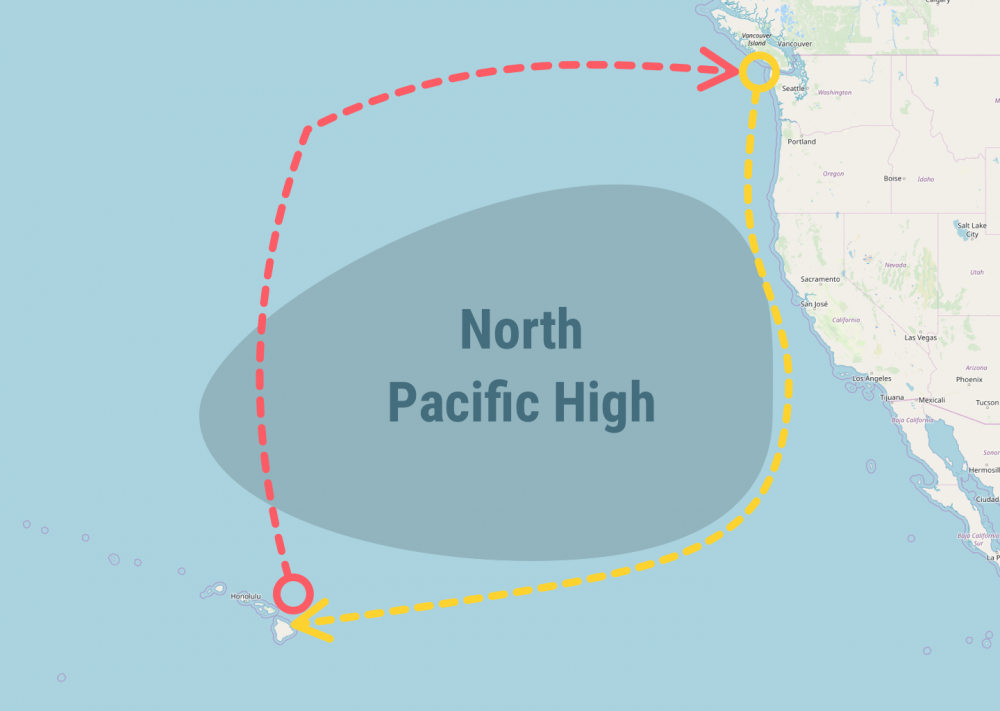
While flying is expeditious, embarking on a cruise from California to Hawaii offers a distinctly different, more leisurely, and luxurious travel experience. The journey itself becomes an integral part of the vacation.
Cruise Ship Itineraries and Duration
Cruises from California to Hawaii are significantly longer than flights, typically spanning 5 to 7 days for the one-way ocean crossing. Most itineraries are round-trip, lasting between 10 to 18 days in total, allowing for several days at sea and multiple stops at various Hawaiian Islands. The multi-day sea journey provides ample opportunity to enjoy the ship’s amenities, relax, and appreciate the vastness of the Pacific Ocean.
Departure Ports and Cruise Lines
The primary departure ports for Hawaiian cruises in California are:
- Los Angeles (Port of Los Angeles, San Pedro): This is the busiest cruise port on the West Coast, offering numerous departures to Hawaii.
- San Francisco (Port of San Francisco): Also a popular departure point, particularly for longer voyages.
- San Diego (Port of San Diego): Offers a smaller but consistent selection of cruises to Hawaii.
Several major cruise lines operate routes to Hawaii from California, including Princess Cruises, Holland America Line, Norwegian Cruise Line, and Royal Caribbean International. Each offers a unique style and array of onboard activities, catering to different preferences.
The Cruise Experience: More Than Just Travel
Choosing a cruise to Hawaii means embracing the journey itself. Days at sea are filled with opportunities to indulge in gourmet dining, entertainment shows, spa treatments, swimming pools, and various recreational activities. It’s a chance to disconnect, relax, and gradually transition into the island mindset. The travel time, often seen as a challenge for flights, becomes a key selling point for cruisers, providing a seamless, stress-free path to paradise.
Planning Your Passage: Practical Considerations
Regardless of your chosen mode of transport, a few practical considerations can enhance your travel experience from California to Hawaii.
Time Zone Differences
Hawaii observes Hawaii Standard Time (HST), which does not follow Daylight Saving Time. This means there’s a significant time difference with California and the rest of the continental United States.
- During Pacific Daylight Time (PDT) from March to November, Hawaii is 3 hours behind California. For example, 3 PM in California is 12 PM in Hawaii.
- During Pacific Standard Time (PST) from November to March, Hawaii is 2 hours behind California. For example, 3 PM in California is 1 PM in Hawaii.
This time difference can cause mild jet lag, particularly when traveling from California to Hawaii, as you’re effectively gaining time. Plan to hydrate and adjust your sleep schedule gradually to mitigate its effects.
Best Time to Travel
While Hawaii is a year-round destination, certain periods offer optimal travel conditions and experiences.
- Shoulder Seasons (April-May & September-October): These months often provide the best balance of pleasant weather, fewer crowds, and more favorable pricing for flights and accommodations.
- Peak Season (Mid-December to Mid-April & June-August): These periods see higher demand due to holidays and school breaks, resulting in higher prices and larger crowds.
- Off-Peak Season (November & Early December): Can offer good deals, but hurricane season officially runs from June to November, though direct hits are rare.
What to Pack for the Journey and Destination
Packing smart for your journey across the Pacific Ocean ensures comfort and preparedness.
- For the Flight: Wear comfortable layers, bring a neck pillow, eye mask, and noise-canceling headphones for the 5-6 hour flight. Don’t forget entertainment and essential documents.
- For the Cruise: In addition to casual resort wear for the islands, pack semi-formal or formal attire for dining and special events onboard. Comfortable walking shoes for shore excursions are a must.
- For Hawaii: Lightweight, breathable clothing, swimwear, reef-safe sunscreen, a wide-brimmed hat, sunglasses, and comfortable sandals or walking shoes are essential. A light rain jacket can also be useful for unexpected showers.

Beyond the Distance: The Hawaiian Allure
The question “How far to Hawaii from California?” marks the beginning of a magnificent travel narrative. The thousands of miles that separate these two places represent not just physical distance but a transition from the familiar to the exotic. Whether you opt for the swift passage of air travel or the languid luxury of a cruise, the journey is merely a prelude to the unparalleled beauty, vibrant culture, and serene embrace of the Hawaiian Islands.
The distance ensures Hawaii remains an untouched paradise, a distinct world waiting to be explored. Planning your travel with an understanding of this distance and its implications will allow you to fully appreciate the adventure and the eventual reward of stepping onto Hawaiian soil, ready to immerse yourself in the Aloha Spirit. Make the most of your journey and prepare for an unforgettable experience that makes every mile worth it.
LifeOutOfTheBox is a participant in the Amazon Services LLC Associates Program, an affiliate advertising program designed to provide a means for sites to earn advertising fees by advertising and linking to Amazon.com. Amazon, the Amazon logo, AmazonSupply, and the AmazonSupply logo are trademarks of Amazon.com, Inc. or its affiliates. As an Amazon Associate we earn affiliate commissions from qualifying purchases.