
For many embarking on a new chapter or simply navigating daily life in the expansive Golden State, a reliable vehicle isn’t merely a convenience—it’s often a necessity. From commuting along the bustling highways of California’s major cities to exploring its breathtaking national parks and coastal routes, a car is an integral part of the Californian lifestyle. However, the dream of cruising through scenic landscapes can quickly turn into a nightmare if financial obligations aren’t met, leading to the dreaded possibility of car repossession. Understanding the timeline and legal framework surrounding vehicle repossession in California is not just a matter of legal prudence, but a critical aspect of maintaining financial stability and peace of mind within your chosen lifestyle. This comprehensive guide will demystify the process, offering crucial insights into when repossession might occur, what to expect, and, most importantly, how to proactively safeguard your assets and lifestyle.
Understanding the Repossession Landscape in California
The prospect of having a vehicle repossessed can be daunting, shrouded in anxiety and misinformation. In California, like many other states, the process is governed by specific laws designed to protect both consumers and lenders. However, clarity on these regulations is essential for anyone who owns a financed vehicle. It’s not always a sudden event; often, there are tell-tale signs and a sequence of events that precede a repossession.
The Legal Framework and Your Contract
At the heart of any repossession action lies the contract you signed with your lender. This legally binding document outlines the terms of your loan, including payment schedules, interest rates, and, crucially, what constitutes a default. In California, car loans are typically secured loans, meaning the vehicle itself serves as collateral. If you fail to uphold your end of the agreement, the lender has the right to reclaim the collateral to recoup their losses.
California’s Uniform Commercial Code (UCC) governs many aspects of secured transactions, including vehicle repossessions. While lenders have significant rights, consumers are also afforded certain protections. For instance, the repossession must be “peaceable,” meaning the repossessor cannot use force or threats, or breach the peace to take the vehicle. They also cannot enter a locked garage without permission. Understanding the specifics of your contract, combined with a basic knowledge of California law, forms the foundation of navigating this complex landscape. Always keep a copy of your loan agreement and review it periodically to ensure you’re aware of its stipulations, especially regarding default clauses and grace periods.
When Does the Clock Start Ticking?
One of the most common questions is, “How many missed payments before repossession?” There’s no single, universal answer, as it largely depends on the terms outlined in your specific loan agreement. However, a general understanding can provide valuable guidance.
Technically, you are in default the moment you miss a payment. Many loan contracts specify that even one missed payment can trigger the lender’s right to repossess. However, most lenders don’t immediately initiate repossession proceedings after a single missed payment. This is often due to the administrative costs and logistical challenges involved. Typically, lenders will first attempt to contact you to resolve the overdue payment. This might involve phone calls, emails, and demand letters, often accompanied by late fees.
Many lenders offer a grace period, which could be anywhere from 10 to 30 days, during which you can make a late payment without incurring severe penalties or triggering repossession. However, this grace period usually only applies to the imposition of late fees, not necessarily to the technical state of default. Once your payment is significantly overdue, usually between 30 to 90 days past the due date, the likelihood of repossession increases dramatically. Some lenders might even consider initiating repossession after 60 days of non-payment.
It’s critical to understand that lenders are not legally required to provide advance notice of repossession in California unless stipulated in your contract. This means that a tow truck could arrive at any time, day or night, once the lender decides to act. The key takeaway here is that while the exact timeline can vary, falling behind on your car payments, even by one month, puts you at significant risk. Proactive communication and understanding your contract are your best defenses.
Navigating the Repossession Process: What to Expect
If you find yourself in a situation where repossession seems imminent, knowing the steps involved can help you manage the situation with a clear head and understand your rights. The process doesn’t end with the car being towed away; there are important procedures that follow, each with its own implications.
Initial Steps and Lender Communication
Once you miss a payment, the lender will typically begin their collection efforts. These initial steps are crucial communication points that should not be ignored. You might receive automated reminders, phone calls from collection agents, or formal demand letters. These letters often state the overdue amount, any accrued late fees, and warn of the potential for repossession if the debt is not cured.
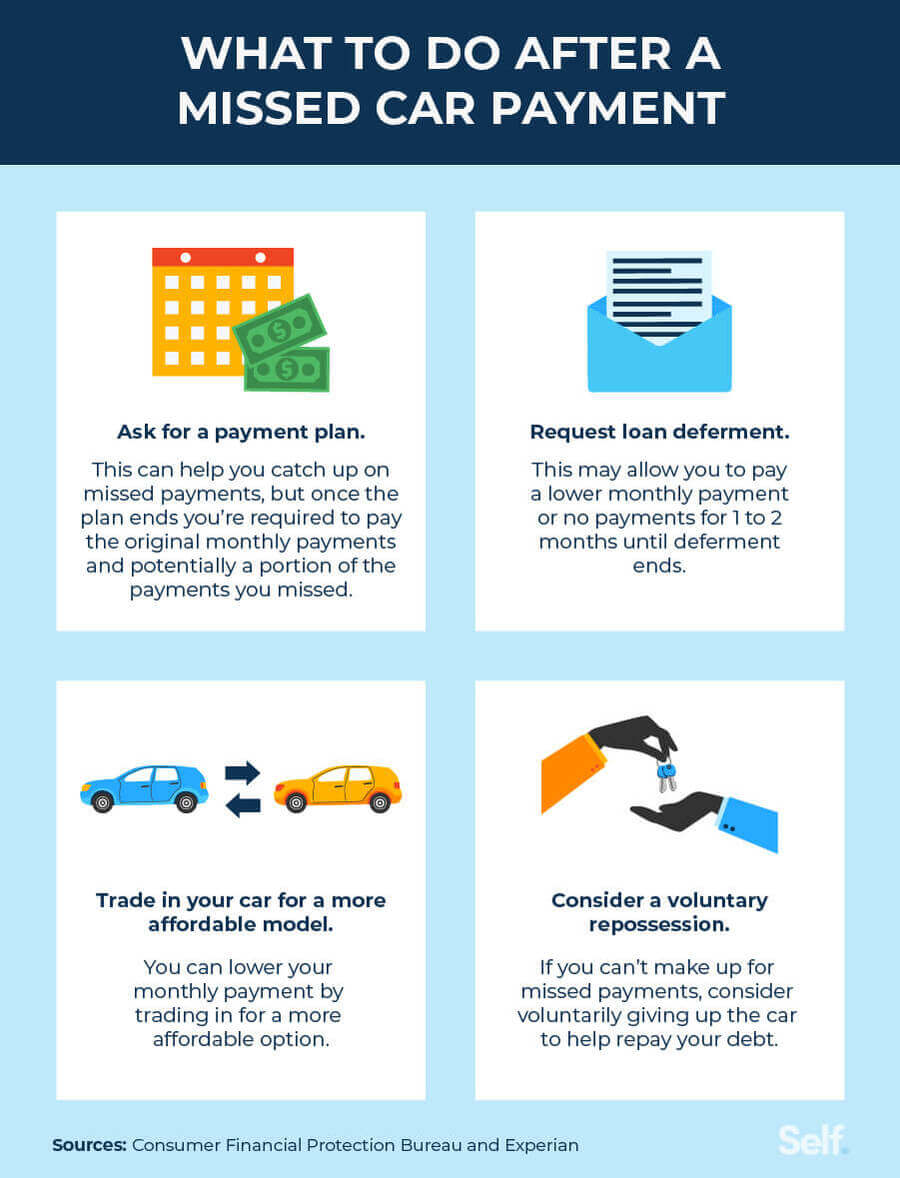
It is paramount to engage with your lender during this phase. Ignoring their calls or letters will not make the problem disappear; instead, it signals to the lender that you are unwilling or unable to resolve the issue, potentially accelerating their decision to repossess. Use this opportunity to explain your situation, discuss potential solutions, and understand their policies. This proactive approach can sometimes lead to a temporary deferment of payments, a modified payment plan, or other arrangements that can prevent repossession. Document all communications, including dates, times, and the names of the representatives you speak with.
The Act of Repossession
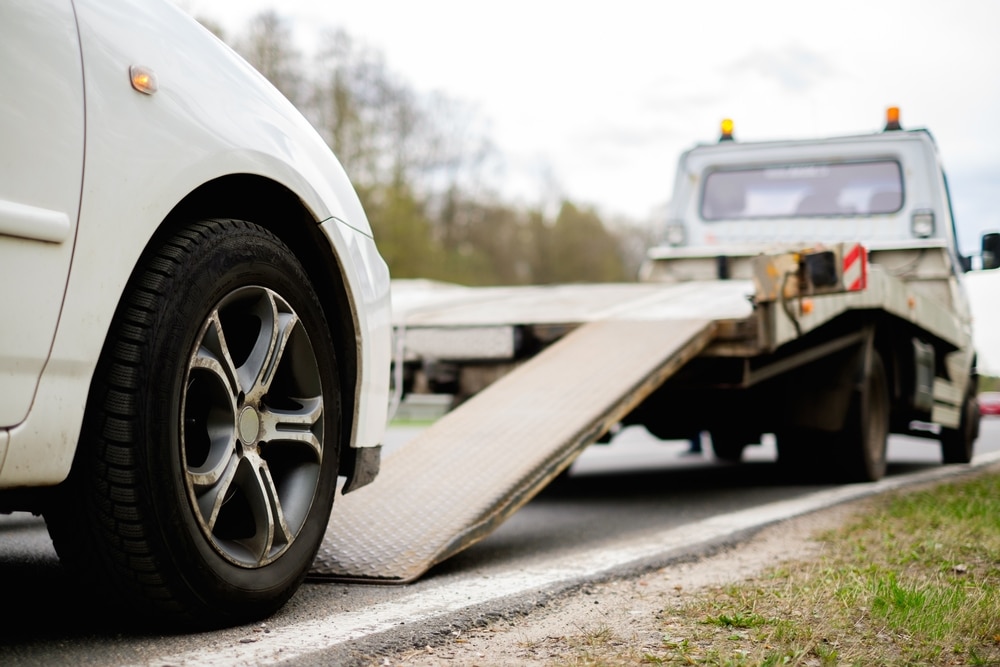
Should efforts to resolve the default fail, the lender will proceed with repossession. In California, lenders can hire a repossession agency to retrieve the vehicle. As mentioned, the repossession must be “peaceable.” This means:
- No Force or Threats: The repossessor cannot use physical force, threats of violence, or intimidation to take the vehicle or its contents.
- No Breach of Peace: They cannot damage property, enter a locked gate or garage without permission, or disturb the peace (e.g., loud arguments, confrontations).
- Public or Private Property: The vehicle can be repossessed from almost anywhere, including your driveway, a public street, or your workplace parking lot, as long as it’s done peaceably.
If a breach of peace occurs during repossession, you should document it thoroughly (photos, videos, witness statements) and contact legal counsel. While you cannot physically resist the repossession, you have the right to demand that it be conducted lawfully.

Post-Repossession Procedures
After your car is repossessed, the lender is required to send you a written “Notice of Intent to Sell.” This notice is vital as it informs you of:
- Your Right to Redeem: This is your opportunity to get your car back by paying the entire outstanding loan balance, plus any repossession and storage fees, before it’s sold.
- Your Right to Reinstatement (if applicable): In some cases, California law or your contract may grant you the right to reinstate the loan by paying only the overdue amounts and associated fees, allowing you to resume your original payment schedule. This is generally available if you haven’t been in default too many times before.
- The Date, Time, and Location of the Sale: The car is typically sold at a public auction or private sale. The notice will provide details of how and when the car will be sold.
It’s important to understand that if the sale price of your vehicle doesn’t cover the full outstanding loan balance and all associated costs (repossession, storage, auction fees), the lender can pursue a “deficiency judgment” against you for the remaining amount. This means you would still owe money even after losing your car. Conversely, if the car sells for more than what you owe, you are entitled to the surplus.
Strategies to Avoid Car Repossession and Maintain Your California Lifestyle
The best defense against repossession is proactive management of your finances and obligations. A stable lifestyle in California often hinges on sound financial planning and the ability to adapt to unforeseen circumstances.
Proactive Financial Management
- Budgeting: Create and stick to a realistic budget that accounts for all your expenses, including car payments, insurance, and maintenance. Understand your income and outflow to avoid living paycheck to paycheck.
- Emergency Fund: Build an emergency fund covering at least three to six months of essential living expenses. This fund can be a lifesaver if you face unexpected job loss, medical emergencies, or other financial setbacks that might impact your ability to make car payments.
- Understanding Loan Terms: Don’t just skim your loan agreement. Understand the interest rate, total cost of the loan, payment due dates, grace periods, and what constitutes a default. Knowledge is power.
- Set Reminders: Use digital calendars or apps to remind you of upcoming payment due dates, ensuring you never miss a payment inadvertently.
Communicating with Your Lender
If you anticipate difficulties making a payment, do not wait until you are in default. Contact your lender immediately. They are often more willing to work with you if you reach out proactively and demonstrate a genuine effort to resolve the issue. Possible solutions include:
- Payment Deferral/Forbearance: Your lender might agree to postpone or reduce your payments for a short period, adding the missed payments to the end of your loan term.
- Loan Modification: In some cases, they might be willing to modify the terms of your loan, such as extending the loan term to lower your monthly payments.
- Refinancing: If your credit score has improved or interest rates have dropped, you might be able to refinance your loan with a new lender for a lower monthly payment.
Exploring Alternatives
If all else fails, consider these alternatives to avoid repossession and its negative impact on your credit score:
- Voluntary Surrender: You can voluntarily return the car to the lender. While it still impacts your credit and you may still face a deficiency judgment, it can sometimes reduce some fees and show the lender your cooperation, which might be slightly better than a forced repossession.
- Selling the Car: If the car’s value is greater than or equal to what you owe, selling it yourself can prevent repossession. If you owe more than it’s worth (you’re “underwater”), you might need to cover the difference out of pocket, but it gives you more control over the sale price and process.
Your Rights and Resources if Facing Repossession in California
Even if you find yourself in the difficult position of facing repossession, you still have rights under California law. Knowing these rights and where to seek help is crucial.
Knowing Your Consumer Rights
- Right to Peaceable Repossession: As discussed, repossessors cannot breach the peace. If they do, their actions may be unlawful, and you might have grounds for legal action.
- Right to Personal Property: Any personal belongings inside the vehicle at the time of repossession must be returned to you. The lender or repossessor cannot keep or sell your personal property. They are typically required to notify you of where and how to retrieve your items.
- Notice Requirements: You have a right to receive a “Notice of Intent to Sell” outlining your redemption and reinstatement rights, and information about the sale of the vehicle.
- Challenge a Deficiency Judgment: If the car is sold for less than what is owed, and the lender pursues a deficiency judgment, you have the right to challenge the fairness of the sale price or the fees charged.
Seeking Professional Guidance
Navigating the complexities of repossession law can be overwhelming. Don’t hesitate to seek professional assistance:
- Legal Aid Services: Many non-profit organizations offer free or low-cost legal assistance to individuals facing financial hardship.
- Credit Counseling Agencies: These agencies can help you review your financial situation, develop a budget, and negotiate with creditors.
- Financial Advisors: A financial advisor can provide long-term strategies for managing debt, improving credit, and building financial resilience to avoid future issues.
In conclusion, while the threat of car repossession can be a significant source of stress, especially for those embracing a dynamic lifestyle in California, understanding the process, knowing your rights, and employing proactive financial strategies are your most powerful tools. By staying informed and engaged, you can protect your assets, maintain your mobility, and ensure your Californian journey remains on track.
LifeOutOfTheBox is a participant in the Amazon Services LLC Associates Program, an affiliate advertising program designed to provide a means for sites to earn advertising fees by advertising and linking to Amazon.com. Amazon, the Amazon logo, AmazonSupply, and the AmazonSupply logo are trademarks of Amazon.com, Inc. or its affiliates. As an Amazon Associate we earn affiliate commissions from qualifying purchases.