
Establishing oneself in a new state, particularly one as dynamic and diverse as California, involves a series of administrative steps, with obtaining a state identification card being among the most fundamental. Whether you’re a new resident eager to embrace the California lifestyle, a non-driver needing official identification, or simply someone whose existing ID is expiring, understanding the process and timeline for acquiring a California ID is crucial. This guide will demystify the journey, providing insights into what to expect from application to receipt, ensuring you’re well-prepared for a smooth experience with the California Department of Motor Vehicles (DMV).
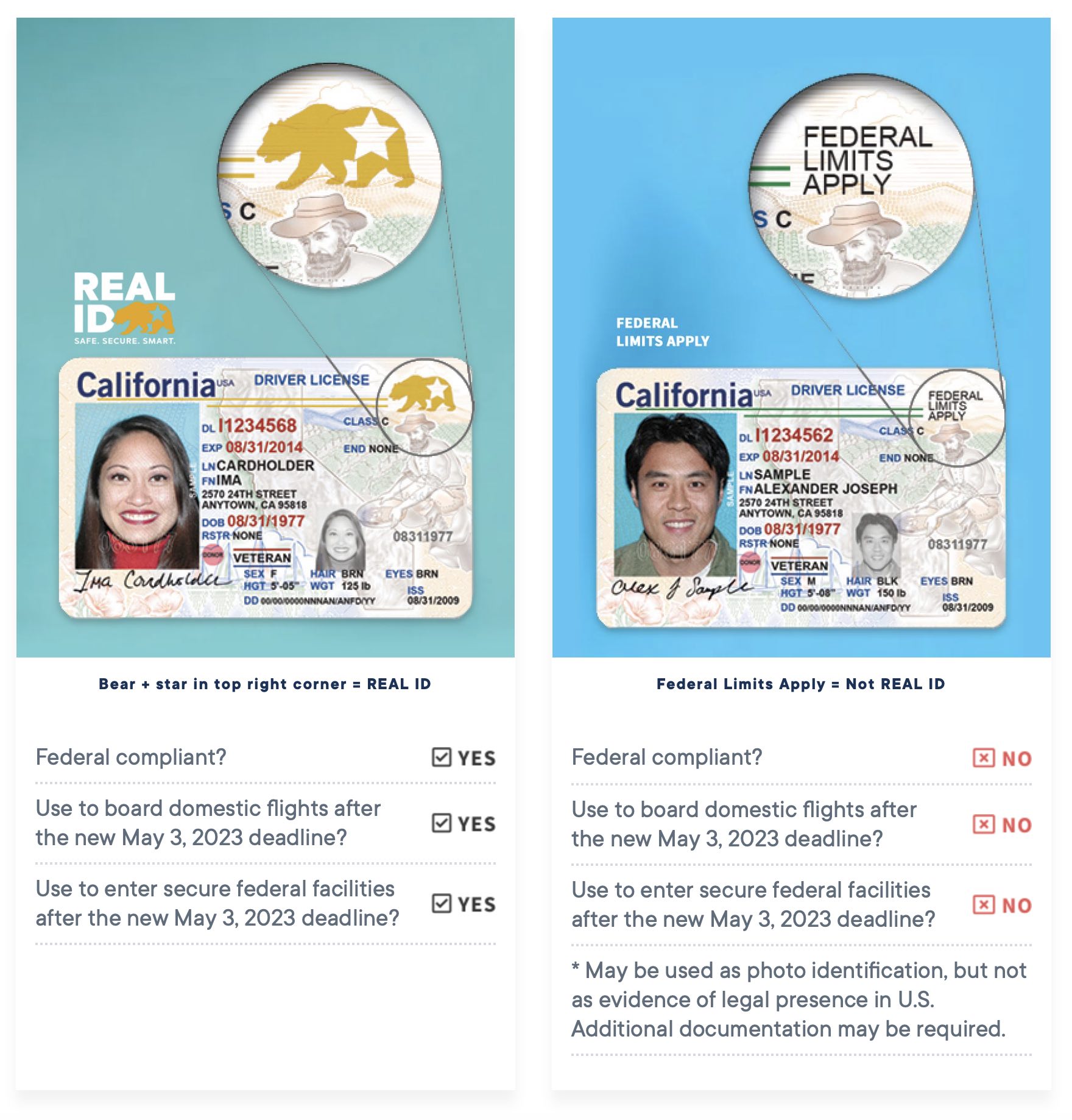
A California ID card serves as an official form of identification for individuals who do not hold a California driver’s license. It’s an indispensable document for various aspects of daily life, from proving your age for certain purchases, opening a bank account, applying for jobs, to accessing state services. For many, it’s the primary way to verify identity and residency within the state. While the actual application itself is relatively straightforward, the time it takes to complete the process and receive your physical card can vary, influenced by preparation, appointment availability, and the DMV‘s processing speeds.
Understanding the California ID Application Process
Navigating government bureaucracy can often feel daunting, but breaking down the California ID application process into manageable steps can significantly ease the journey. The California DMV is the sole authority for issuing state identification cards, and their procedures are designed to ensure accuracy and security.
Initial Steps: Gathering Required Documents
The cornerstone of a successful and swift California ID application lies in thorough preparation, specifically having all necessary documents readily available. Without the correct paperwork, your application will be delayed or outright rejected. The DMV requires a specific set of documents to prove your identity, residency, and legal presence in the United States.
Typically, you will need:
- Proof of Identity: This is paramount. Acceptable documents include an original or certified copy of a U.S. birth certificate, a valid U.S. passport or passport card, an unexpired foreign passport with an approved I-94 form (if applicable), or a permanent resident card. The name on this document must match your application.
- Proof of Social Security Number (SSN): Your SSN card, a W-2 form, or a pay stub with your full SSN are usually accepted. If you are ineligible for an SSN, you’ll need to sign a form at the DMV confirming this.
- Proof of California Residency: This is where many applicants face hurdles. You need two different documents showing your name and California mailing address. Examples include utility bills (gas, electric, water), a rental agreement or lease, mortgage statements, bank statements, or official government documents. Ensure these documents are recent, typically within the last two to three months.
- Payment for the Application Fee: The fee for a California ID card is typically low, but it’s essential to have it ready. The DMV accepts cash, checks, money orders, and debit/ATM cards. Credit cards are generally not accepted for DMV fees.
It’s always recommended to check the official California DMV website for the most current and comprehensive list of acceptable documents, as requirements can occasionally change or vary based on individual circumstances (e.g., REAL ID vs. standard ID). Bringing more documents than required is often better than having too few.
Scheduling Your DMV Appointment
Once your documents are in order, the next crucial step is to visit a DMV field office. While walk-ins are sometimes accommodated, scheduling an appointment online is highly recommended to minimize wait times and streamline your visit. The California DMV’s appointment system allows you to select a date, time, and location that works best for you.
Appointments can often be booked several weeks in advance, especially for popular locations or during peak seasons. If you need an ID urgently, check different DMV locations, as smaller offices in less populated areas might have earlier availability. Some savvy applicants also check the appointment system periodically for cancellations, which can open up closer slots. Preparing and completing the online application form before your visit can also expedite the process at the office.
The In-Person Visit
Your scheduled appointment is where the bulk of the application process takes place. When you arrive at the DMV, you’ll typically:
- Check-in: Present your appointment confirmation and receive a number.
- Submit Application: Hand over your completed application form (DL 44 ID, if you filled it out online) and all your supporting documents to a DMV technician. They will review everything for completeness and authenticity.
- Provide Thumbprint: A digital thumbprint will be taken.
- Take Photo: A photograph will be taken for your ID card. This is your chance to make sure you look presentable, as this photo will be on your official ID for years.
- Pay Fee: Tender the required application fee.
- Sign and Verify: You’ll sign your application and verify all information is correct before leaving.
The actual time spent inside the DMV can vary significantly. With an appointment and all documents prepared, the in-person process might take anywhere from 30 minutes to 2 hours, depending on the branch’s efficiency and current queue. Without an appointment, wait times can extend to several hours.
The Timeline: From Application to Receiving Your ID
Once you’ve completed your in-person visit and submitted all necessary documentation and fees, the waiting game begins. While you leave the DMV with proof of your application, the physical card will arrive by mail.
Immediate Proof: The Temporary ID
Upon successful completion of your application at the DMV office, you will be issued a temporary paper ID. This temporary document is valid immediately and serves as interim proof of identification until your permanent card arrives. It will typically include your photo, name, and other basic information.
It’s important to understand the limitations of the temporary ID. While generally accepted for most domestic identification purposes (e.g., opening a bank account, proving age), it may not be accepted for all purposes, particularly those requiring a federally compliant REAL ID (e.g., boarding domestic flights after the REAL ID enforcement date, or accessing federal facilities). Always carry a secondary form of identification if possible, such as a passport, when using the temporary ID. This temporary ID typically has a validity period, often around 60-90 days, which aligns with the expected mailing time for the permanent card.
The Waiting Period: Production and Mailing
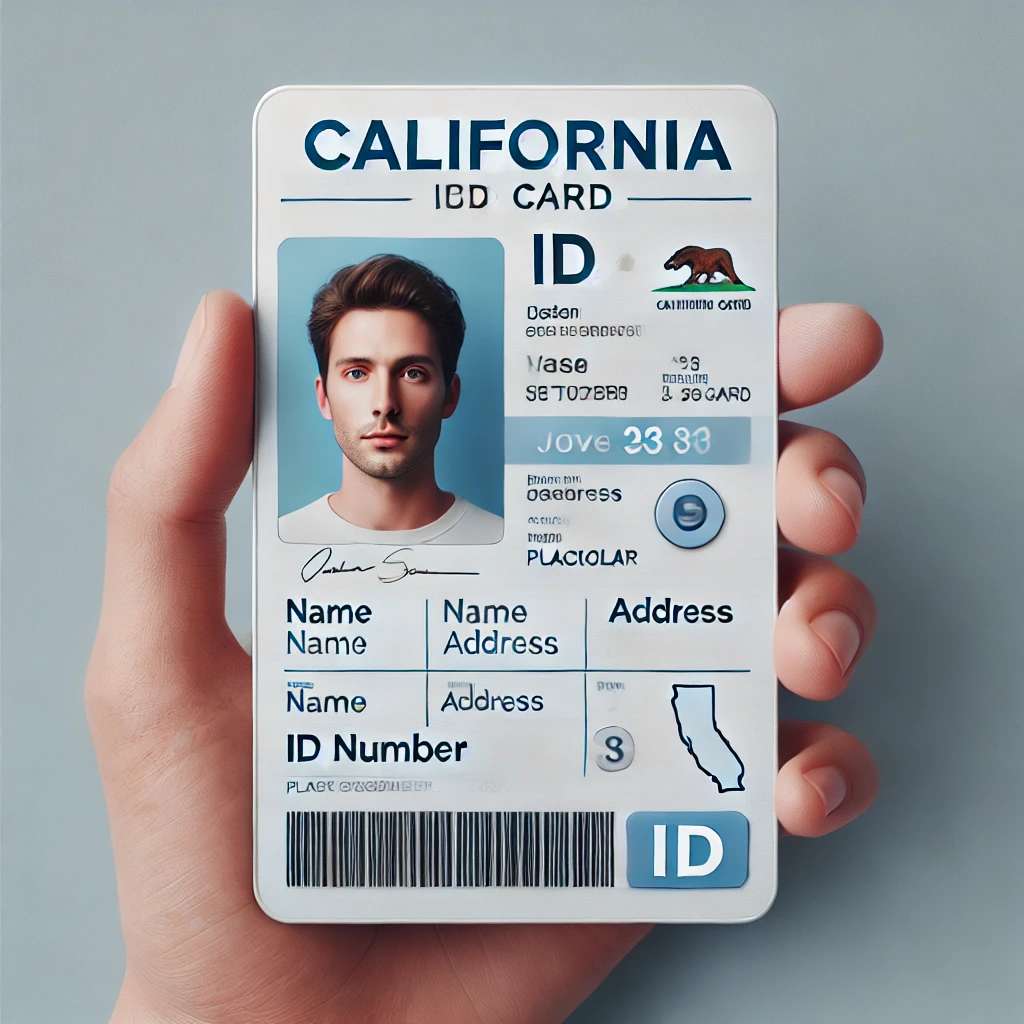
The most common question, “How long does it take to get a California ID?”, primarily refers to this period. After your visit, your application data is sent to a central facility for card production. The physical ID cards are then mailed directly to the address you provided on your application.
The typical waiting period for a permanent California ID card to arrive by mail is 2 to 4 weeks. However, this is an estimate, and several factors can influence this timeline:
- Processing Volume: During peak seasons (e.g., summer, around holidays), the DMV experiences higher application volumes, which can extend processing and mailing times.
- Mail Delays: General mail service delays by the U.S. Postal Service can also contribute to longer wait times.
- Information Accuracy: Any discrepancies or errors in the information provided on your application, or issues with your supporting documents, can lead to delays as the DMV may need to verify details or request additional information.
- Security Checks: All applications undergo security checks, and if any red flags are raised, it could prolong the processing time.
In rare cases, it can take up to 6 weeks or even longer. It’s vital to ensure your mailing address is correct and secure, as the DMV will only mail the card once.
What to Do If Your ID is Delayed
If the standard 4-week period has passed and you still haven’t received your California ID card, don’t panic. There are steps you can take:
- Check Online Status: The California DMV often provides an online tool to check the status of your driver’s license or ID card application. You’ll usually need your temporary ID number or other identifying information.
- Contact the DMV: If the online status doesn’t provide clarity or indicates an issue, contact the DMV directly. You can call their customer service line or visit a field office in person. Be prepared to provide your application details and temporary ID.
- Verify Mailing Address: Confirm with the DMV that the mailing address they have on file is correct. If the card was mailed to an incorrect address, you might need to reapply or arrange for a replacement, which could incur additional fees and extend the waiting period.
- Consider a Replacement (if lost/stolen): If it’s confirmed your card was mailed but never received, the DMV may consider it lost in the mail, and you might need to apply for a replacement, which often involves another visit to the DMV and a small fee.
Different Scenarios: Who Needs a California ID?
While the process remains largely consistent, the reasons for needing a California ID vary widely, each with its own context and urgency.
New California Residents
For those relocating to the Golden State, obtaining a California ID or driver’s license is often one of the first crucial steps to establishing residency. It facilitates numerous aspects of daily life, from opening local bank accounts, enrolling children in schools, securing employment, or registering to vote. The ID serves as concrete proof of your commitment to living in California, which can be necessary for various state and local services. New residents often prioritize this as soon as they have established a permanent address in the state.
Non-Driving Residents
Many individuals in California, by choice or necessity, do not drive. For them, a California ID card is an essential document. It serves as their primary official identification for all purposes where a driver’s license would typically be used, ensuring they can conduct everyday transactions, prove their age, and confirm their identity without needing to operate a vehicle. The application process for a non-driver ID is identical to that of a driver’s license in terms of documentation and in-person requirements, minus the driving tests.
International Visitors and Non-Citizens
International visitors, students, or non-citizens residing in California for extended periods may also be eligible for a California ID. While foreign passports and visas serve as identity documents, a state-issued ID can simplify local interactions. The key difference for this group lies in the proof of legal presence documents. They will need to provide their unexpired foreign passport, along with valid U.S. immigration documents such as a visa, I-94 form (Arrival/Departure Record), I-20 (Certificate of Eligibility for Nonimmigrant Student Status), or an Employment Authorization Document (EAD). The validity of their California ID will often be tied to the expiration date of their legal presence documents.
Tips for a Smooth California ID Experience
While the process might seem lengthy, particularly the waiting period for the physical card, adopting a strategic approach can significantly enhance your experience and minimize potential frustrations.
Be Prepared: Document Checklist
This cannot be stressed enough: prepare all your documents in advance. Before you even consider booking an appointment, gather every piece of identification, proof of residency, and social security documentation. Organize them clearly. It’s a good practice to use the DMV’s online “Document Checklist” tool (available on their website) to generate a personalized list of required documents based on your specific situation. This tool is invaluable for ensuring you haven’t overlooked anything. Bring original documents or certified copies as specified by the DMV, and consider bringing photocopies of everything as a backup, though originals will always be required for verification.
Utilize Online Services
The California DMV has invested heavily in its online portal to reduce congestion at its offices. Leverage these resources:
- Online Application: Many parts of the ID card application form can be filled out online before your visit. This saves significant time at the DMV, as you’ll already have a confirmation code that speeds up your processing.
- Appointment Scheduling: As mentioned, always schedule an appointment. Trying a walk-in is a gamble that rarely pays off in terms of time efficiency.
- Fee Payment: While credit cards aren’t typically accepted in person, some online transactions (like pre-filling applications that involve a fee) might allow for online payment, further streamlining your physical visit.
Know Your Local DMV
While all DMV offices follow the same general procedures, their efficiency, busiest times, and even parking situations can vary.
- Research Branch Reviews: A quick online search for reviews of your local DMV offices might offer insights into which locations are generally faster or have a better reputation for customer service.
- Consider Off-Peak Hours/Days: If you must visit without an appointment, or even with one, Tuesdays, Wednesdays, and Thursdays tend to be less busy than Mondays and Fridays. Arriving right when they open or an hour before closing might also offer a slight advantage.
- Accessibility: Check the office’s accessibility features, especially if you have specific needs.
Getting a California ID card is an essential step for anyone intending to live, work, or simply have official identification within the state. While the administrative process involves careful documentation and an in-person visit to the DMV, the total time from application to receiving your physical card typically ranges from 2 to 4 weeks. By meticulously preparing your documents, utilizing the online appointment system, and knowing what to expect during your visit, you can ensure a smooth and efficient experience. Patience is key during the mailing period, but with the temporary ID in hand, you’ll have immediate proof of your pending official identification. Embrace this practical step as part of fully integrating into the vibrant California lifestyle.
LifeOutOfTheBox is a participant in the Amazon Services LLC Associates Program, an affiliate advertising program designed to provide a means for sites to earn advertising fees by advertising and linking to Amazon.com. Amazon, the Amazon logo, AmazonSupply, and the AmazonSupply logo are trademarks of Amazon.com, Inc. or its affiliates. As an Amazon Associate we earn affiliate commissions from qualifying purchases.