
Exploring the vibrant culinary landscape of any destination is a cornerstone of the tourism experience, and in Southern California, few dishes embody the local spirit quite like the California burrito. This iconic, hearty wrap is a source of immense pride and a delicious must-try for any visitor. However, for the health-conscious traveler or anyone simply curious, the question inevitably arises: how many calories are truly packed into this beloved creation? Understanding the nutritional profile of a California burrito not only satisfies curiosity but also empowers tourists to make informed choices while indulging in local delights.

The Iconic California Burrito: A Culinary Staple
The California burrito is far more than just a meal; it’s a cultural phenomenon, particularly in its birthplace, San Diego. It represents a fusion of flavors and a testament to the region’s rich culinary influences, standing out as a unique offering that tourists often seek out specifically.
What Makes a California Burrito Unique?
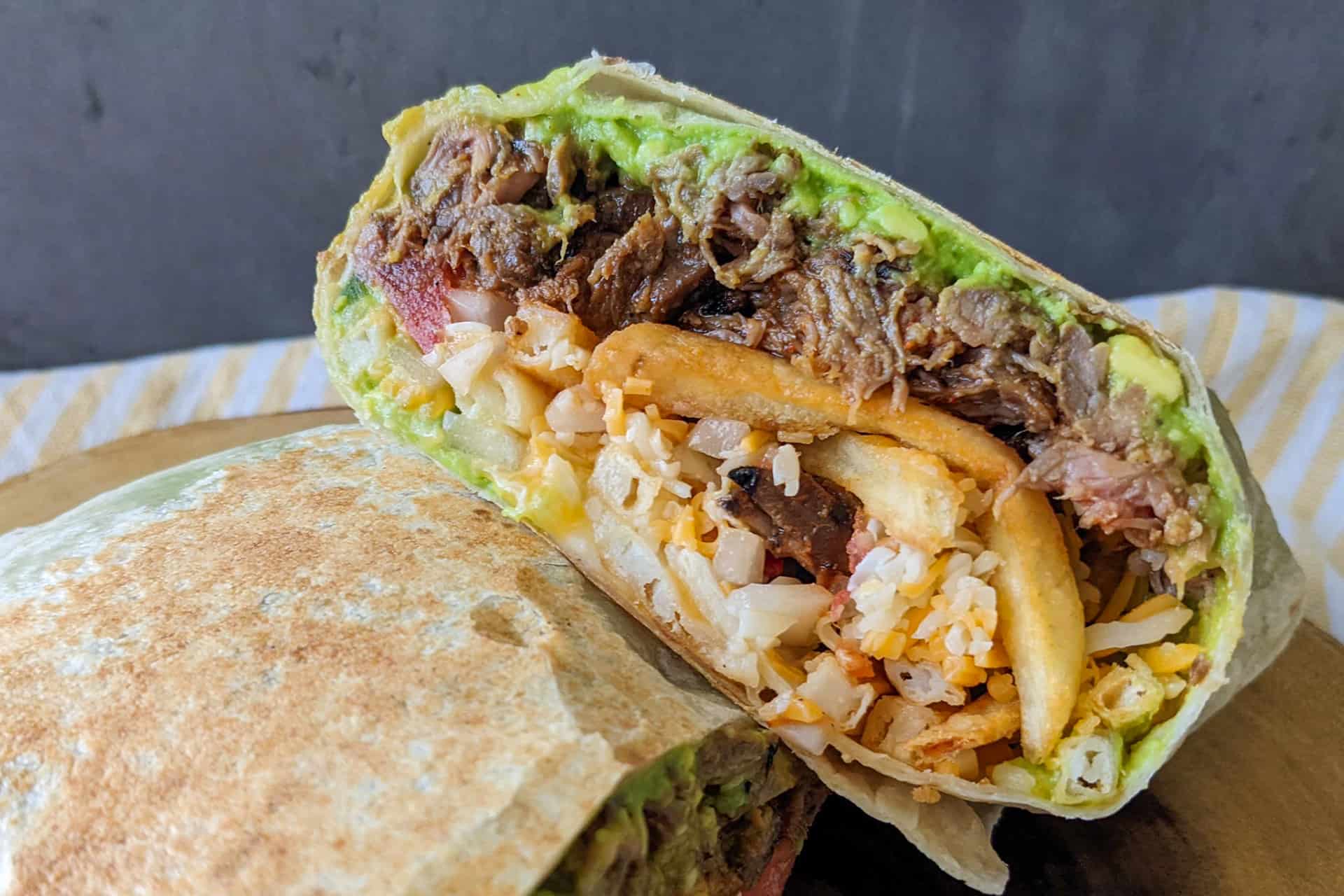
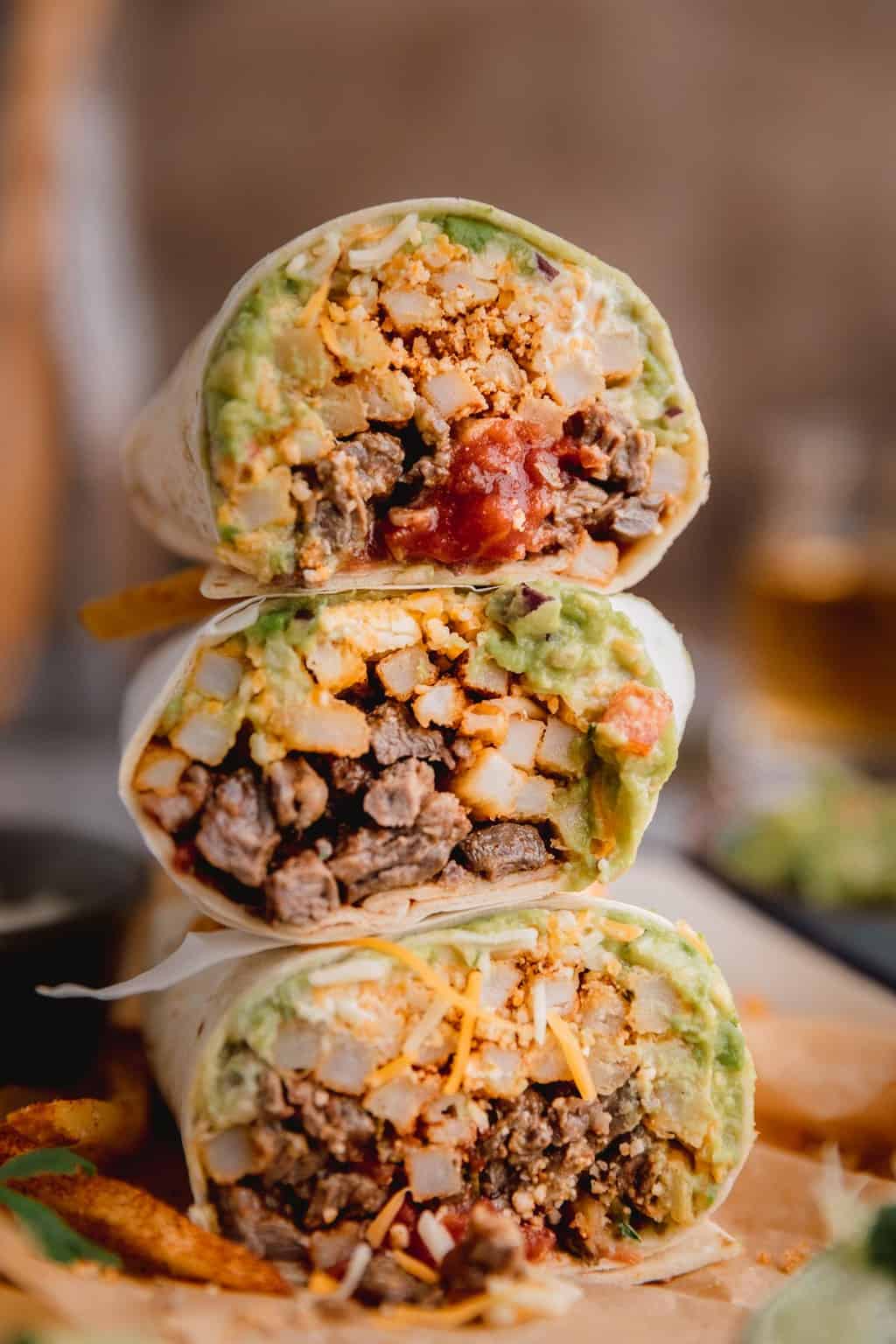
At its heart, the California burrito is a masterful assembly of simple yet incredibly satisfying ingredients. Unlike many other burritos, which might feature beans and rice as primary fillings, the California burrito distinguishes itself with its signature inclusion of French fries. The typical composition includes:
- Carne Asada: Savory, grilled, marinated steak, usually diced or finely chopped. This is the undisputed star protein.
- French Fries: Crispy, golden, often seasoned fries, which replace traditional rice and beans as the carbohydrate base. This is the defining ingredient that gives the burrito its name.
- Cheese: Typically shredded cheddar or a Monterey Jack blend, melted to gooey perfection.
- Guacamole: Creamy avocado, usually a simple preparation, adding richness and a fresh counterpoint.
- Sour Cream: A dollop of cool, tangy sour cream (or a similar crema) to enhance moisture and flavor.
- Pico de Gallo or Salsa: Often a fresh tomato-based salsa, adding a touch of acidity and spice.
- Flour Tortilla: A large, soft flour tortilla, expertly warmed and wrapped to contain all the delicious fillings.
The exact origin story is debated, but most agree it emerged from the vibrant taco shops of San Diego in the 1980s, reflecting a unique adaptation of Mexican-American cuisine. It quickly gained popularity as a hearty, satisfying meal perfect for surfers, students, and anyone needing a substantial, on-the-go option.
Its Place in Southern California Food Culture
For locals in San Diego and across Southern California, the California burrito is more than just food; it’s an institution. It’s the quintessential late-night snack after a concert or a night out, the perfect fuel after a day at the beach, or a comforting lunch any day of the week. Tourists quickly discover that ordering a California burrito is not just about satisfying hunger, but about participating in a cherished local ritual. The prevalence of taco shops, ranging from humble roadside stands to bustling eateries like Roberto’s Taco Shop and Lolita’s Taco Shop, speaks volumes about the dish’s integral role in the regional identity. Experiencing a California burrito from an authentic spot is akin to tasting the very essence of Southern California food culture.
Decoding the Calorie Count: A Nutritional Breakdown
Given its generous size and rich ingredients, it’s no surprise that the California burrito can be a calorie-dense meal. Understanding which components contribute most to the total helps in appreciating its energy value.
Key Ingredients and Their Caloric Contribution
Let’s break down the approximate caloric contributions of the primary components in a typical California burrito. These are estimates, as portions and preparations vary widely:
- Carne Asada (4-6 oz cooked): Leaner cuts can range from 200-350 calories, while fattier preparations or larger portions can push this higher.
- French Fries (1-2 cups): This is a significant contributor. A generous serving can easily add 300-500 calories, especially if deep-fried in oil.
- Flour Tortilla (large, 10-12 inches): A large tortilla alone can account for 200-300 calories.
- Cheese (1/4 – 1/2 cup): Depending on the type and amount, cheese typically adds 100-200 calories.
- Guacamole (2-4 tablespoons): While healthy fats, avocado is calorie-dense. This portion adds 70-150 calories.
- Sour Cream (1-2 tablespoons): Another creamy, calorie-rich addition, typically 50-100 calories.
- Salsa/Pico de Gallo: Generally low in calories (10-30 calories), contributing more flavor than energy.
When these ingredients are combined, the caloric total quickly adds up, forming a substantial and satisfying meal.
Variations and Their Impact on Calories
The “average” California burrito is a moving target, as variations in preparation and ingredients can significantly sway the calorie count:
- Size: Some burritos are truly colossal, weighing over a pound, naturally containing more of every ingredient.
- Fat Content of Carne Asada: A leaner cut of steak will result in fewer calories than a fattier, more marbled piece.
- Amount of Fries: The quantity of fries is often the biggest variable. Some places overload, others are more moderate.
- Oil Used for Frying/Grilling: The type and amount of oil used to cook the fries and carne asada can impact the fat and calorie content.
- Additions: Some establishments might add rice (though uncommon for a classic California burrito), beans, extra cheese, or other sauces, each adding to the total.
- Sauces: Creamy sauces or extra dollops of guacamole and sour cream are delicious but contribute significantly.
The Average Calorie Range: What to Expect
Considering the typical size and ingredient ratios from popular taco shops, a standard California burrito can range anywhere from 800 to 1200 calories. Larger or particularly indulgent versions could even approach or exceed 1500 calories.
For most individuals, this represents a significant portion, if not all, of their recommended calorie intake for a single meal, and sometimes even for an entire day. It’s a testament to the burrito’s status as a hearty, fulfilling option rather than a light snack.
Enjoying Your California Burrito Mindfully While Traveling
As a tourist, experiencing local cuisine like the California burrito is an essential part of the journey. The goal isn’t necessarily to avoid it, but to enjoy it thoughtfully.
Tips for Health-Conscious Tourists
When faced with this delicious, calorie-dense option, here are some strategies to enjoy it without completely derailing your dietary goals:
- Portion Control: Many California burritos are large enough to be two meals. Consider saving half for later or sharing it with a travel companion. This is perhaps the easiest way to cut calories in half.
- Customization: Don’t be afraid to ask for modifications.
- Less Fries: Request “light on the fries” to reduce a significant calorie source.
- No Sour Cream: While it adds creaminess, omitting sour cream can save 50-100 calories.
- Guacamole on the Side: Ask for guacamole on the side so you can control the amount you add.
- Extra Pico/Salsa: Load up on fresh salsa, which adds flavor and moisture with minimal calories.
- Leaner Meat: While “carne asada” is the standard, some places might offer leaner grilled chicken (pollo asado) as an alternative, which can be a good choice for those wanting to reduce fat.
- Water Over Sugary Drinks: Pair your burrito with water instead of soda or other sugary beverages to save hundreds of calories.
Pairing with Healthier Options
To balance the richness of the burrito, consider what you eat with it or throughout the rest of your day:
- Side Salad: If available, a simple side salad can add freshness and fiber.
- Fresh Fruit: Balance a heavy meal with a light, hydrating fruit snack later.
- Avoid Other Heavy Meals: If you plan to indulge in a California burrito for lunch, opt for a lighter breakfast and dinner.
Balancing Indulgence with Exploration
Tourism involves a lot of walking, sightseeing, and activity, which naturally burns calories. View your California burrito as fuel for your adventures.
- Embrace Walking Tours: Explore cities like San Diego or Los Angeles on foot.
- Outdoor Activities: Take advantage of California’s beautiful beaches, hiking trails, and parks. A vigorous hike or a long walk along the coast can help balance the caloric intake.
- It’s a Treat, Not an Everyday Staple: For tourists, the California burrito is a special experience. Enjoy it as such, rather than making it a daily habit. The occasional indulgence is part of a fulfilling travel experience.
Where to Find the Best California Burritos: A Tourist’s Guide
Part of the tourism experience is finding those hidden gems and local favorites. While the calorie count is a factor, the taste and authenticity are equally important for a memorable culinary journey.
Famous San Diego Spots
As the birthplace of the California burrito, San Diego is the undisputed capital for this dish. Iconic establishments include:
- Roberto’s Taco Shop: Often credited with popularizing the dish, Roberto’s (and its many offshoots like Alberto’s and Filiberto’s) are ubiquitous and offer a consistent, classic experience.
- Lolita’s Taco Shop: Another long-standing favorite, Lolita’s is known for its quality carne asada and generous portions.
- Local Dive Shops: Don’t overlook the smaller, often unassuming “hole-in-the-wall” taco shops. These frequently offer some of the most authentic and delicious versions. Ask locals for their personal favorites!
Beyond San Diego: Expanding Your Search
While San Diego is the epicenter, the California burrito’s fame has spread throughout Southern California and even further.
- Los Angeles: Many Mexican-American eateries in Los Angeles have adopted the California burrito, often with their own unique twists. Look for places specializing in “taco shop style” burritos.
- Orange County: Situated between San Diego and Los Angeles, Orange County also boasts numerous excellent options for finding this regional delicacy.
Authentic Experience: What to Look For
When searching for the best California burrito experience:
- Busy Lines: A long line, especially with locals, is often a good sign of quality and popularity.
- Simple Menus: Often, the best spots have focused menus, indicating mastery of their craft.
- Fresh Ingredients: Good taco shops pride themselves on fresh, high-quality carne asada and crispy fries.
- Speed and Efficiency: These places are often fast-casual, designed to get delicious food to you quickly.
The California Burrito: More Than Just Food
Ultimately, the California burrito offers much more than just a caloric intake; it provides a direct connection to local culture and a memorable part of any California travel itinerary.
A Taste of Local Life
For tourists, food is a gateway to understanding a new place. Sharing a California burrito with friends after a day of sightseeing, or grabbing one from a bustling corner shop, offers a glimpse into the everyday life and culinary traditions of Southern California residents. It’s a humble yet profoundly satisfying experience that often becomes a highlight of the trip, embedding itself in travel memories.
Cultural Significance
The California burrito is a shining example of fusion cuisine, showcasing how culinary traditions evolve and adapt in new environments. It reflects the vibrant interplay of Mexican and American foodways, resulting in something uniquely Californian. Its widespread appeal and iconic status demonstrate its deep cultural significance within the region. So, while you might be counting the calories, remember you’re also savoring a piece of California’s rich gastronomic heritage. Enjoy every delicious, albeit calorie-rich, bite!
LifeOutOfTheBox is a participant in the Amazon Services LLC Associates Program, an affiliate advertising program designed to provide a means for sites to earn advertising fees by advertising and linking to Amazon.com. Amazon, the Amazon logo, AmazonSupply, and the AmazonSupply logo are trademarks of Amazon.com, Inc. or its affiliates. As an Amazon Associate we earn affiliate commissions from qualifying purchases.