
As culinary explorers traverse the globe, sampling local delicacies becomes an intrinsic part of the travel experience. From street food stalls in Bangkok to Michelin-starred restaurants in Paris, food offers a profound gateway into a destination’s culture and identity. Among the myriad dishes that have transcended borders to achieve global popularity, the California Roll stands out as a unique phenomenon. Often a first introduction to the world of sushi for many, its approachable flavors and familiar ingredients have cemented its place in menus worldwide. However, for the discerning traveler mindful of their dietary intake, a pressing question often arises amidst the excitement of culinary discovery: how many calories are truly hidden within this seemingly light and refreshing sushi roll?
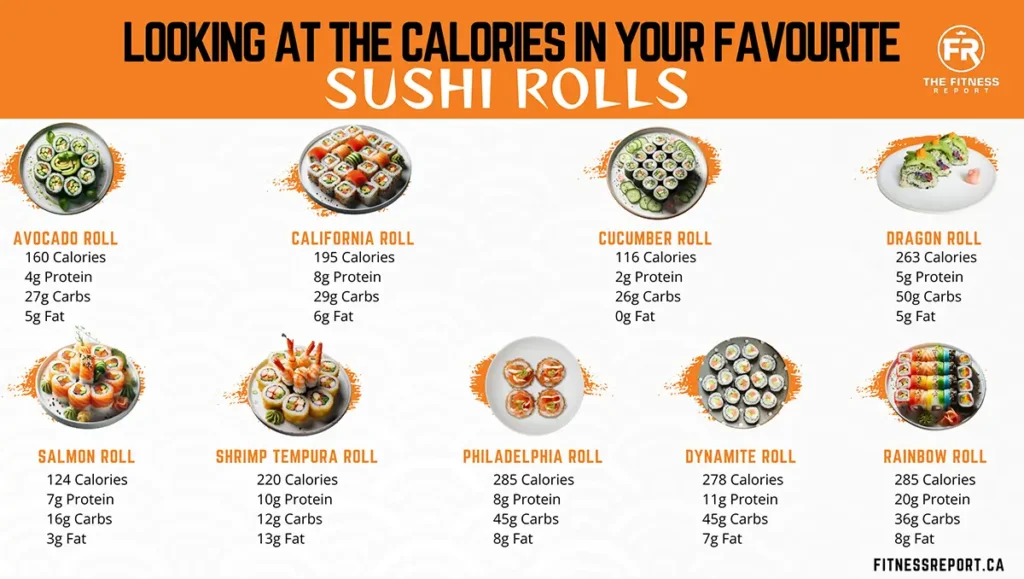
Understanding the caloric content of a California Roll is not merely about tracking numbers; it’s about making informed choices that allow for both enjoyment and well-being during your travels. Whether you’re exploring the vibrant food scene of Tokyo, relaxing by the beaches of Hawaii, or on a business trip in New York City, being aware of what you consume can significantly enhance your overall travel experience. This article delves into the nutritional landscape of the California Roll, breaking down its components and offering insights for travelers who wish to indulge wisely.
The Ubiquitous California Roll: A Culinary Journey for Travelers
The California Roll holds a fascinating position in the global culinary narrative, often credited with popularizing sushi in the Western world. Its appeal lies in its ingenious adaptation of traditional Japanese sushi elements to suit a broader palate, making it a cornerstone of food tourism even far beyond its presumed origins.
Origins and Global Appeal
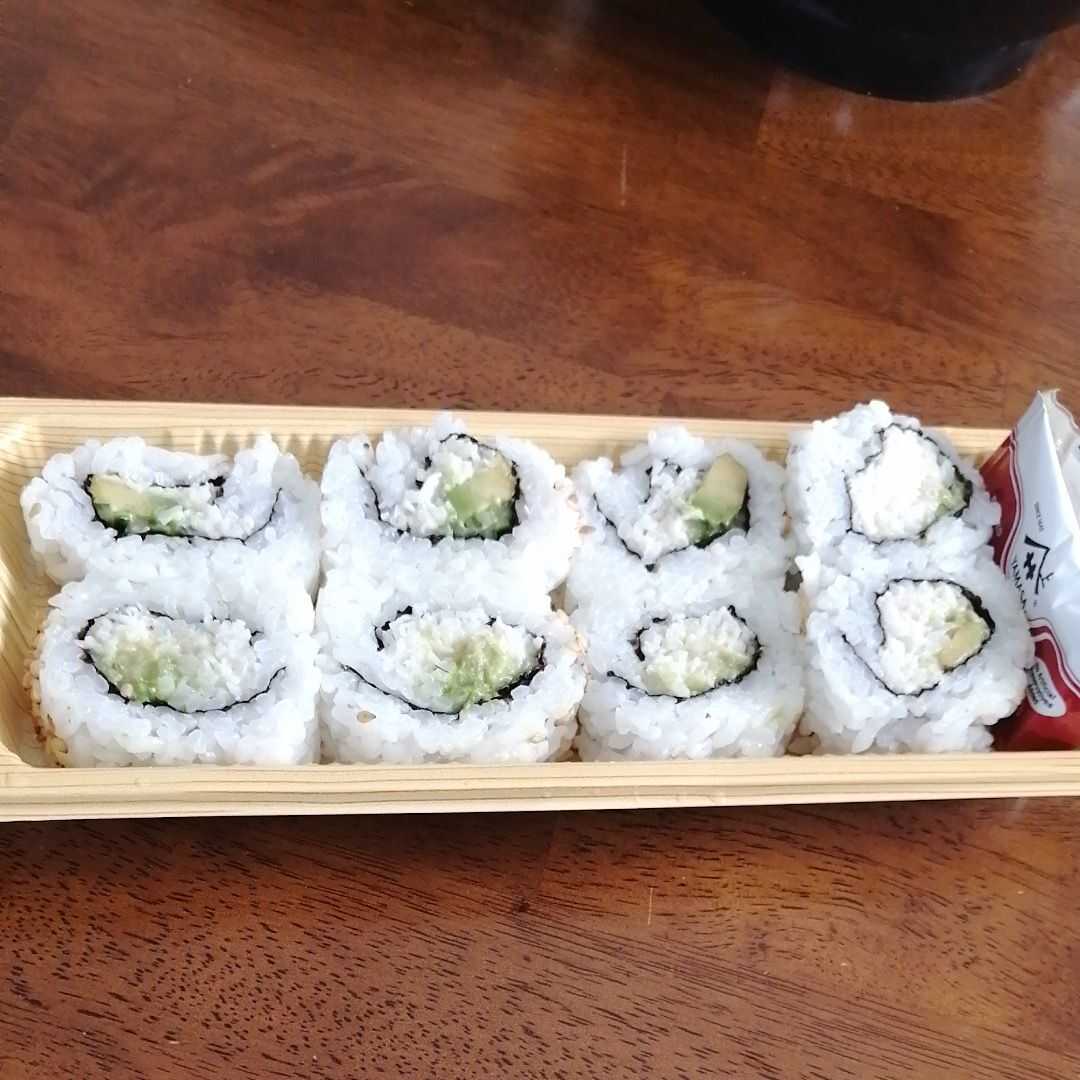
While its precise origin is debated, with strong claims from both Los Angeles, United States, and Vancouver, Canada, in the 1960s or 70s, the California Roll undeniably marked a pivotal moment. Chefs sought to create a sushi roll that bypassed ingredients unfamiliar or intimidating to Western diners, such as raw fish, by substituting it with cooked crab meat and incorporating creamy avocado and crisp cucumber. This innovation, coupled with the “uramaki” or inside-out style (rice on the outside, nori on the inside), made it visually appealing and palatable.
Today, the California Roll is ubiquitous. You’ll find it on menus from bustling sushi bars in London to resort restaurants in Mexico, and even in supermarket deli sections globally. It serves as a gentle introduction to Japanese cuisine for tourists and locals alike, often bridging the gap between traditional food experiences and a more adventurous exploration of diverse flavors. For many, a trip to a city’s Japanese quarter or a local sushi restaurant isn’t complete without sampling this iconic creation, making its nutritional profile particularly relevant for food-focused travelers.
Core Ingredients and Preparation
At its heart, a standard California Roll is comprised of a few key ingredients, each contributing to its flavor and, importantly, its caloric density:
- Sushi Rice: The foundation of any sushi, this short-grain white rice is seasoned with vinegar, sugar, and salt. It forms the bulk of the roll.
- Nori: A sheet of dried seaweed, traditionally used to wrap the ingredients. In a California Roll, it’s often inside the rice.
- Avocado: Creamy slices of avocado add a rich, buttery texture and a dose of healthy fats.
- Cucumber: Crisp julienned cucumber provides a refreshing crunch and lightens the roll.
- Crab Stick (Kani): Typically, this is imitation crab meat made from surimi (processed white fish). Some upscale versions might use real crab meat.
- Sesame Seeds: Often sprinkled on the outside of the rice, adding a nutty flavor and texture.
The preparation involves carefully spreading the seasoned rice over the nori, layering the fillings, and then rolling it tightly before slicing it into individual pieces, usually six or eight per roll. Each of these components plays a role in the total calorie count, which can vary significantly depending on portion size and ingredient ratios.
Deconstructing the Calories: A Nutritional Breakdown for Travelers
To truly understand the caloric impact of a California Roll, it’s essential to dissect its primary ingredients and how their quantities influence the overall nutritional profile. This insight is particularly valuable when navigating menus in unfamiliar cities and making choices that align with one’s dietary goals during a trip.
The Rice Factor
Sushi rice, while seemingly innocuous, is a significant contributor to the caloric count. A standard sushi roll, including the California Roll, can contain between 100 to 150 grams of cooked rice. Given that white rice is primarily carbohydrates, and it’s seasoned with sugar and vinegar, this component quickly adds up. For instance, 100 grams of cooked sushi rice can contribute roughly 130-150 calories. When considering an entire roll, the rice alone can account for a substantial portion of the calories, making it a key element to consider for those managing carbohydrate intake or seeking lower-calorie options.
Avocado’s Healthy Fats
The inclusion of avocado is one of the hallmarks of the California Roll, providing a creamy texture and a dose of monounsaturated fats. While these are considered “healthy fats” and beneficial for heart health, they are also calorie-dense. A quarter to half an avocado might be used per roll, adding anywhere from 60 to 120 calories just from this ingredient. Travelers seeking to maximize their nutritional intake will appreciate the healthy fats, but those strictly counting calories should be aware of avocado’s contribution.
Crab Stick vs. Real Crab
The choice of crab meat significantly impacts both the taste and nutritional value.
- Crab Stick (Imitation Crab): Made from surimi, a processed fish paste, crab sticks are typically lower in calories and fat than real crab, but often contain added sugar, sodium, and preservatives. A typical portion might add 20-30 calories.
- Real Crab Meat: If a restaurant uses genuine crab meat, it will generally be higher in protein and may contain slightly more calories and natural fats, but usually fewer additives. The caloric contribution would depend on the quantity used, but could range from 30-50 calories.

The distinction is important not just for calories but also for the overall quality of the dining experience, especially when exploring food scenes where authenticity is prized.
Sauces and Toppings: Hidden Calories
Beyond the core ingredients, what accompanies your California Roll can dramatically alter its caloric footprint.
- Soy Sauce: While low in calories, excessive consumption contributes to high sodium intake, which can lead to bloating – something travelers often wish to avoid.
- Mayonnaise-Based Sauces: Spicy mayo or other creamy sauces are common additions, offering a rich flavor but also a significant boost in calories and fat. A tablespoon can add 50-100 calories.
- Roe (Fish Eggs): Often found as a topping (e.g., tobiko or masago), these add a pop of color and texture, with a relatively low caloric impact (around 10-20 calories per serving).
- Tempura Flakes/Crispy Onions: Some variations, particularly in fusion sushi, might include fried toppings, adding substantial extra calories and unhealthy fats.
Being mindful of these additions is crucial, especially when dining in regions known for their diverse interpretations of sushi.
Calorie Ranges and Variability in Tourism Settings
The question of “how many calories” is rarely static when it comes to food, especially in the dynamic world of culinary tourism. The caloric content of a California Roll can vary widely based on where you are, how it’s prepared, and even the specific restaurant or vendor.
Standard Servings vs. Restaurant Portions
A “standard” California Roll usually yields 6-8 pieces. For such a roll, the caloric range typically falls between 250 to 350 calories. However, this is merely a guideline.
- Upscale Sushi Restaurants: Might use less rice, higher quality ingredients, and offer smaller, more refined pieces, potentially lowering the per-roll calorie count slightly.
- Casual Sushi Bars/Takeout: Can vary wildly. Some may use generous amounts of rice, avocado, or even include more sauce, pushing the calories towards the higher end of the spectrum.
- Grocery Store/Pre-packaged Rolls: Often designed for convenience, these can sometimes be larger in portion size or use different ingredient ratios, affecting the calorie count. Some pre-packaged rolls may also have nutritional labels, which can be a useful tool for travelers.
The Impact of Preparation Methods
Beyond ingredient proportions, the preparation method can significantly alter the calorie count.
- “Tempura” or “Crispy” Rolls: Some fusion California Roll variations involve tempura-frying the entire roll or some of its components. Frying adds a considerable amount of oil, dramatically increasing both calories and fat content. These rolls can easily exceed 400-500 calories.
- Added Cream Cheese or Other Fillings: Some interpretations might include cream cheese for extra richness, adding a substantial caloric boost (e.g., 50-100 calories per roll just from cream cheese).
- Drizzles and Toppings: Extra drizzles of eel sauce (often sweet and thick), spicy mayo, or other creamy sauces are often added generously, turning a moderate calorie roll into a high-calorie one.
Decoding Restaurant Menus
When traveling, especially in countries with stringent food labeling laws like the United States or parts of Europe, some chain restaurants or larger establishments might provide nutritional information. For smaller, independent sushi spots, this data might not be readily available. Don’t hesitate to ask your server about ingredients or preparation methods if you have specific dietary concerns. In many cultures, asking about food is a sign of interest and appreciation for their cuisine.
Enjoying California Rolls Mindfully While Exploring Local Cuisine
For the traveler, the goal is often to experience a destination’s culture through its food without compromising health or comfort. Enjoying a California Roll mindfully allows for both indulgence and responsible eating.
Balancing Indulgence with Exploration
The California Roll is just one facet of the vast culinary landscape. While delicious, it’s important to remember to balance familiar comforts with adventurous exploration of other local dishes. If you’re in Japan, for instance, consider trying traditional nigiri or sashimi. In Korea, explore kimbap, which shares similarities but has distinct flavor profiles. By diversifying your food choices, you naturally manage your intake of specific dishes and embrace the full gastronomic richness of your destination.
Smart Swaps and Modifications
When ordering, don’t be afraid to make small adjustments that can significantly impact the calorie count:
- “Light Rice” or Brown Rice: Some establishments offer the option of less rice or substituting white rice with brown rice, which adds fiber and can slightly reduce overall calories and glycemic impact.
- Hold the Mayo-Based Sauces: Request your roll without spicy mayo or other creamy drizzles, or ask for it on the side so you can control the quantity.
- Ask for Real Crab: If available, opt for real crab meat over imitation crab for better protein quality and fewer additives.
- Extra Veggies: Some places might accommodate requests for extra cucumber or other vegetables, adding volume and nutrients without many calories.
Pairings and Portions
Consider how you pair your California Roll with other items:
- Miso Soup and Salad: Start your meal with a clear miso soup (low in calories) or a fresh green salad with a light dressing. These can help fill you up with fewer calories, making you less likely to overindulge in the sushi.
- Share a Roll: If dining with companions, sharing a roll allows everyone to taste a variety of items without consuming an entire roll themselves. This is an excellent strategy for sampling diverse local dishes.
- Listen to Your Body: In the excitement of a new food scene, it’s easy to overeat. Pay attention to your hunger cues and stop when you feel satisfied, not overly full.
In conclusion, a California Roll typically contains between 250 and 350 calories, with variations depending on ingredients, portion size, and preparation. As a traveler, being armed with this knowledge empowers you to savor this globally beloved dish while making choices that support your well-being, allowing you to fully enjoy the rich tapestry of culinary experiences your journey has to offer.
LifeOutOfTheBox is a participant in the Amazon Services LLC Associates Program, an affiliate advertising program designed to provide a means for sites to earn advertising fees by advertising and linking to Amazon.com. Amazon, the Amazon logo, AmazonSupply, and the AmazonSupply logo are trademarks of Amazon.com, Inc. or its affiliates. As an Amazon Associate we earn affiliate commissions from qualifying purchases.