
California, a state synonymous with innovation, natural beauty, and a pioneering spirit, boasts a complex and evolving energy landscape. For decades, nuclear power plants have stood as towering industrial landmarks, shaping the state’s infrastructure and contributing significantly to its power grid. While the question of “how many” might suggest a simple numerical answer, delving into this topic reveals a rich history of engineering marvels, environmental debates, and the profound impact these facilities have had on the communities and the broader energy narrative of the Golden State. Treating these vital energy installations as industrial landmarks allows for an exploration of their architectural significance, historical footprint, and enduring legacy in California‘s development.
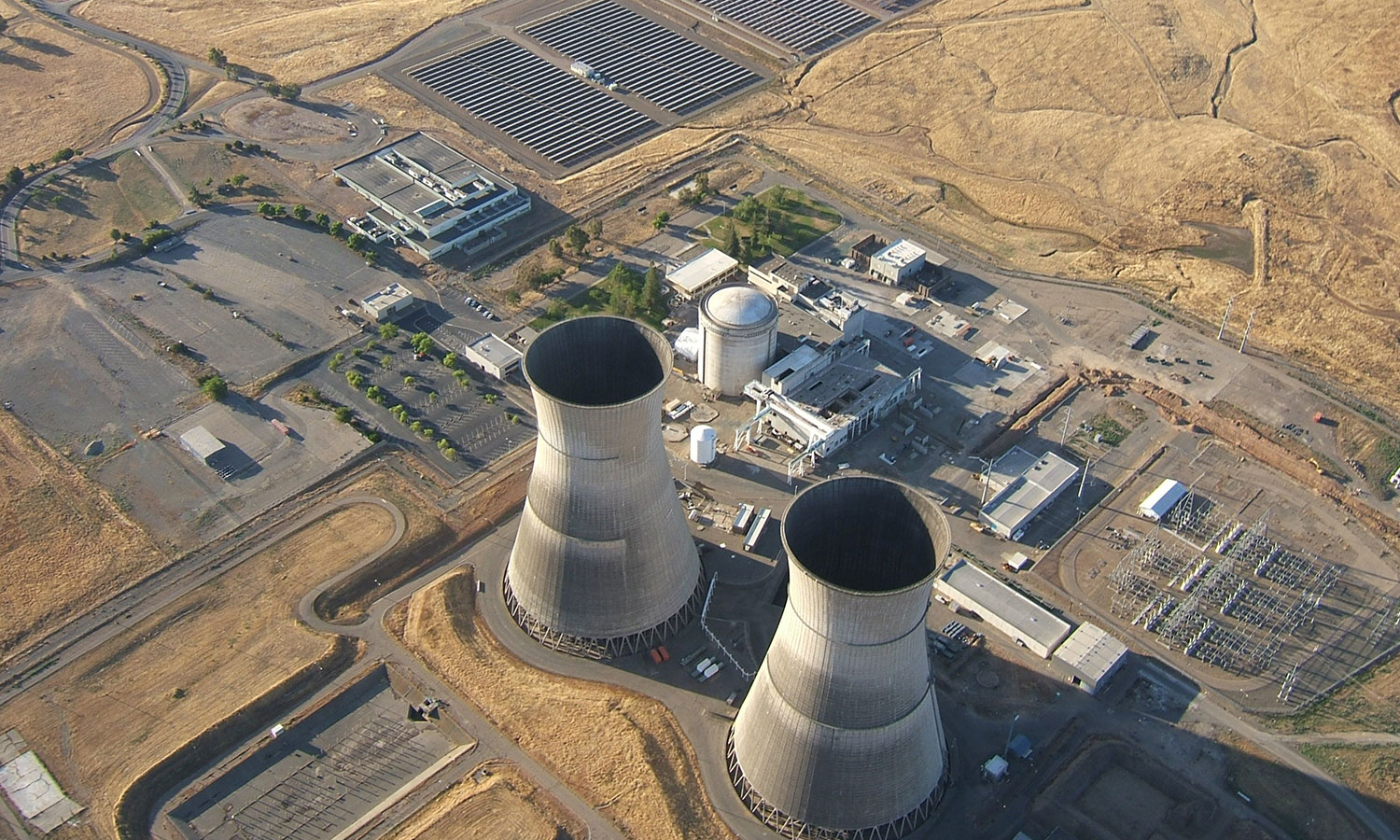
California’s Nuclear Legacy: An Overview
The history of nuclear power in California is a journey marked by ambitious projects, technological advancements, and shifting public perceptions. From the mid-20th century, as the demand for electricity surged alongside rapid population growth, nuclear energy was heralded as a clean, efficient, and virtually limitless power source. This optimism led to the construction of several significant plants, each becoming a distinct landmark in its respective region, embodying a particular era of energy production and industrial design.
A Brief History of Nuclear Energy in the Golden State
California’s initial foray into nuclear power began with smaller, experimental reactors, reflecting a global enthusiasm for atomic energy. These early ventures laid the groundwork for the larger, commercial-scale plants that would later define the state’s nuclear profile. The selection of sites for these facilities was often strategic, balancing access to cooling water – typically from the Pacific Ocean – with proximity to major population centers. Each plant, with its unique design and operational history, contributed to the architectural and engineering tapestry of California’s industrial infrastructure. They weren’t just power generators; they were symbols of human ingenuity and aspirations for a modern, electrified future.
The Evolving Landscape of Power Generation
Over the decades, the role of nuclear power in California’s energy portfolio has evolved dramatically. Concerns over safety, seismic activity, waste disposal, and economic viability have led to policy shifts and, ultimately, the decommissioning of several plants. This evolution highlights not only technological changes but also the dynamic relationship between industrial landmarks and societal values. Today, the number of operational nuclear power plants in California is significantly lower than in past decades, making the remaining facility an even more prominent and often debated landmark.
Diablo Canyon Power Plant: The Last Sentinel
Currently, the Diablo Canyon Power Plant stands as the solitary operational nuclear power plant in California. Located on a stunning stretch of coastline near San Luis Obispo in the Central Coast region, this facility has been a critical component of California’s energy infrastructure for over 35 years. Its imposing presence against the rugged natural backdrop makes it a remarkable industrial landmark, blending engineering scale with environmental surroundings.
Architectural and Engineering Prowess
The Diablo Canyon Power Plant comprises two pressurized water reactors, each housed within robust containment structures. These structures are not merely functional; their distinctive domes and massive concrete walls represent a formidable architectural achievement, designed to withstand extreme forces, including seismic events, given California’s geological activity. From an engineering perspective, the plant is a testament to precision and resilience, a complex system of intertwined technologies operating in harmony to generate immense amounts of electricity. Its design reflects the pinnacle of nuclear power engineering from its era, making it a significant architectural landmark of industrial modernism.
A Landmark of Energy Production
For decades, Diablo Canyon Power Plant has reliably supplied a substantial portion of California’s electricity, particularly to Central Coast and Southern California communities. Owned and operated by Pacific Gas and Electric Company (PG&E), its continuous operation has been a cornerstone of grid stability, providing baseload power that complements intermittent renewable sources like solar and wind. As such, it is not just a physical landmark but an energy landmark, symbolizing a consistent and powerful source in the state’s ambitious journey towards decarbonization. Its role in powering homes and businesses has indelibly marked its status as a critical piece of the state’s modern history.
The Future of California’s Sole Operational Plant
The future of the Diablo Canyon Power Plant has been a subject of intense debate and evolving policy. Initially slated for closure in 2024 and 2025, recent concerns about grid reliability, climate change goals, and the growing demand for electricity have led to discussions about extending its operational life. This ongoing dialogue underscores the profound significance of this plant as a landmark—not just of the past, but potentially of California’s transitional energy future, impacting environmental policies and energy independence for years to come.
San Onofre Nuclear Generating Station (SONGS): An Iconic Past
While no longer operational, the San Onofre Nuclear Generating Station (SONGS) remains one of California’s most recognizable and historically significant industrial landmarks. Located on the Pacific Ocean coastline in San Clemente, Orange County, its twin containment domes were an iconic sight for travelers along Interstate 5 between Los Angeles and San Diego.
Twin Domes: A Coastal Landmark Remembered
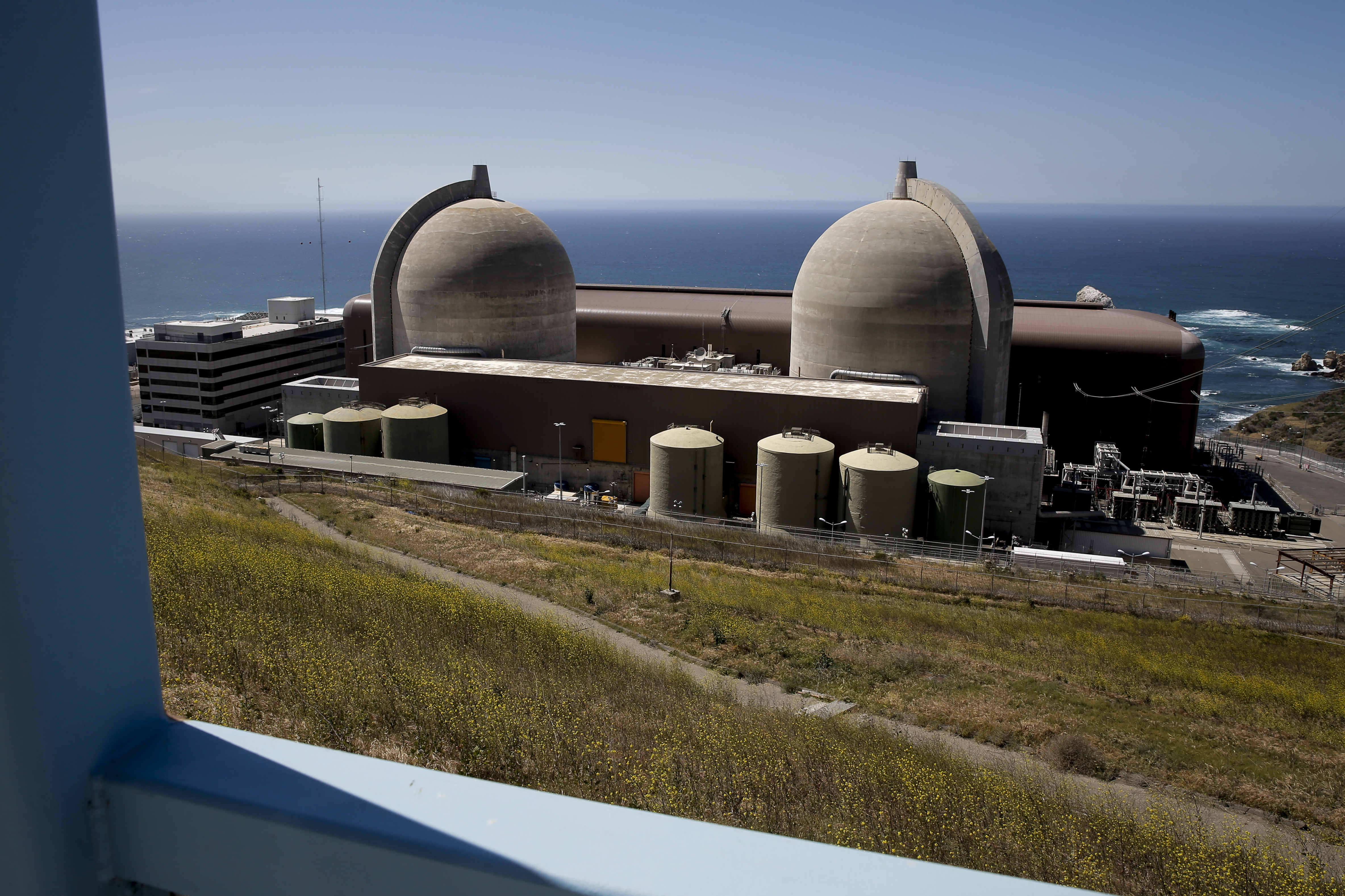
For decades, the distinctive concrete domes of SONGS were an unmistakable feature of the Southern California landscape. These structures, housing the plant’s two reactors, were not only engineering marvels but also striking architectural elements that became an unofficial gateway to Orange County. Their elegant curvature contrasted with the rugged cliffs and the vastness of the Pacific Ocean, embedding themselves in the collective memory of countless residents and visitors. Though the domes have since been dismantled as part of the decommissioning process, their image persists as a powerful symbol of California’s nuclear past.
The Complexities of Decommissioning a Landmark
The permanent shutdown of SONGS in 2013 and the subsequent decommissioning process represent a monumental undertaking, both from an engineering and a historical perspective. Decommissioning involves the safe removal of radioactive materials, dismantling of structures, and eventual restoration of the site. This lengthy and intricate process transforms a former active power producer into a site of historical preservation and environmental remediation. The very act of decommissioning contributes to the plant’s status as a landmark, illustrating the full life cycle of such a massive industrial endeavor and the responsibilities that come with it.
Its Historical Footprint on Southern California
SONGS played a vital role in powering Southern California, owned by Southern California Edison and other utilities. Its operational lifespan saw significant population and economic growth in the region, to which it contributed substantially by providing reliable electricity. Its story, from inception to operation and eventual closure, is intertwined with the energy politics and environmental movements that have shaped California since the mid-20th century, cementing its place as an indelible landmark in the state’s industrial and social history.
Early Pioneers: Humboldt Bay and Other Forgotten Sites
While Diablo Canyon Power Plant and SONGS are the most prominent nuclear stories in California, the state’s nuclear legacy also includes earlier, smaller, and often less-remembered plants that played foundational roles. These facilities, now decommissioned, serve as critical historical landmarks that illustrate the early ambitions and challenges of nuclear power.
Humboldt Bay: A Groundbreaking Endeavor
The Humboldt Bay Nuclear Power Plant, located near Eureka in Northern California, was one of the earliest commercial nuclear power plants in the United States, operating from 1963 to 1976. Though much smaller in scale than Diablo Canyon Power Plant or SONGS, it was a pioneering landmark in nuclear technology. Its innovative design and operational experience provided valuable insights for subsequent plant constructions. Its early closure, driven by seismic concerns and economic factors, marked an important turning point in the state’s nuclear policy. Today, its former site is another testament to the complexities of nuclear decommissioning and the evolving understanding of geological risks associated with such critical infrastructure.
Lesser-Known Historical Sites
Beyond these major facilities, there were other conceptualized, planned, or experimental nuclear sites across California that never reached full commercial operation or were much smaller in scale. While not leaving behind the monumental architectural landmarks of the larger plants, these sites represent significant historical markers in the state’s energy planning. They illustrate the ambitious, sometimes unrealized, scope of nuclear development and the comprehensive infrastructure planning that went into considering every potential power source to fuel California’s growth. These lesser-known sites are crucial for a complete understanding of California’s multifaceted energy landmark history.
The Significance of Nuclear Plants as Industrial Landmarks
The question of “how many nuclear power plants are in California” ultimately leads to a deeper appreciation for these facilities as more than just power generators. They are significant industrial landmarks, embodying technological ambition, architectural challenges, and a pivotal role in the human story of energy.
Architectural and Engineering Marvels
From the robust containment domes of SONGS to the intricate systems of Diablo Canyon Power Plant, nuclear power plants are formidable examples of industrial architecture and engineering. Their designs are driven by unique functional requirements—safety, containment, and efficiency—resulting in structures that are both aesthetically striking and profoundly complex. They represent a specialized field of architecture that merges cutting-edge science with the practicalities of large-scale infrastructure, leaving an indelible mark on the landscape.
Catalysts for Regional Development
The construction and operation of nuclear power plants have historically spurred significant regional development. They created thousands of high-paying jobs, attracted skilled professionals, and necessitated the development of supporting infrastructure, including roads, housing, and services. In this sense, these plants served as economic landmarks, transforming local economies and shaping the demographics of nearby communities, such as San Luis Obispo and San Clemente, providing sustained economic activity for decades.
Their Role in Shaping California’s Infrastructure
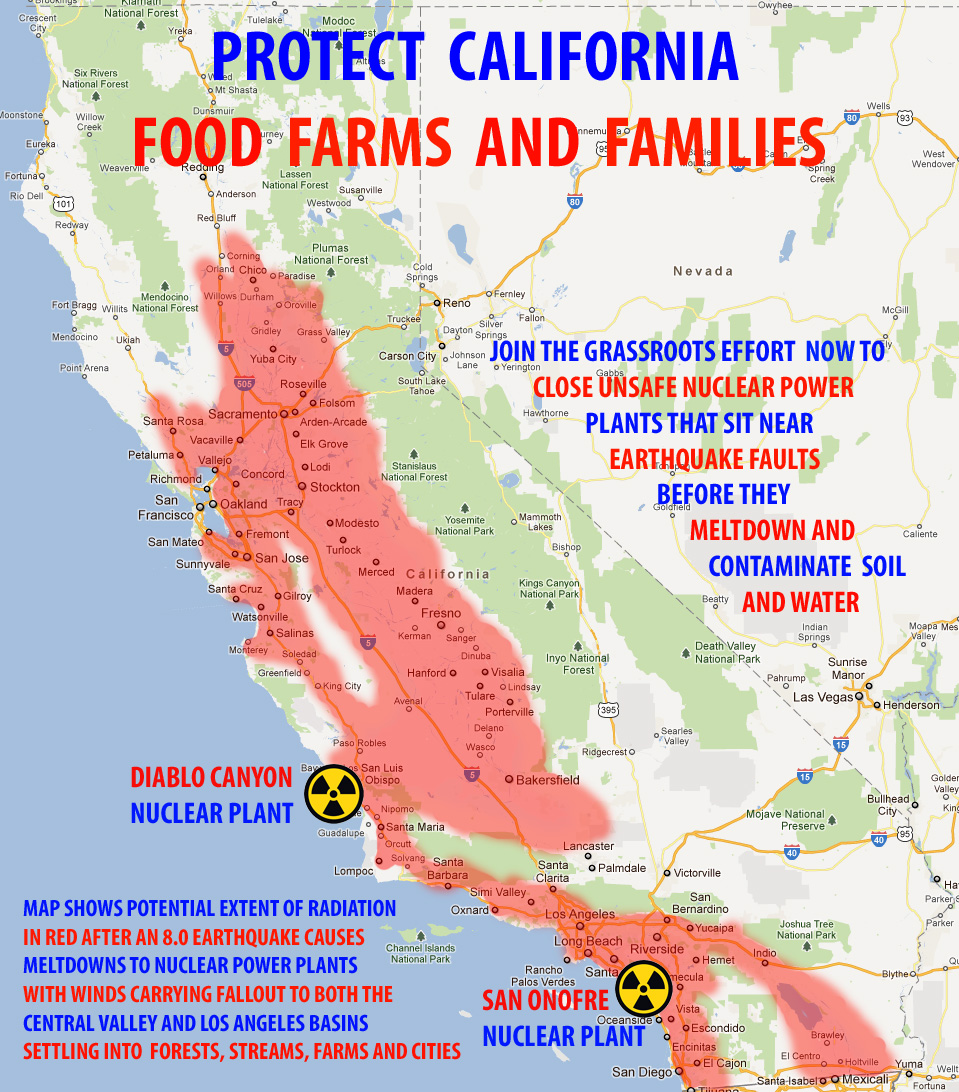
Nuclear power plants, whether operational or decommissioned, are fundamental components of California’s historical infrastructure. They stand as monuments to periods of intense energy demand and innovative problem-solving. While the state moves towards a future dominated by renewable energy sources, understanding the legacy of nuclear power is crucial. These industrial landmarks are tangible reminders of the sacrifices, advancements, and debates that have shaped California’s energy past and continue to inform its future. They are historical markers that tell a story of ambition, resilience, and the relentless human quest for progress.
In conclusion, while the simple answer to how many nuclear power plants are in California currently operating is one (Diablo Canyon Power Plant), the richer answer lies in acknowledging the profound impact and landmark status of all such facilities, both past and present, on the state’s energy heritage, architectural landscape, and socio-economic development.
LifeOutOfTheBox is a participant in the Amazon Services LLC Associates Program, an affiliate advertising program designed to provide a means for sites to earn advertising fees by advertising and linking to Amazon.com. Amazon, the Amazon logo, AmazonSupply, and the AmazonSupply logo are trademarks of Amazon.com, Inc. or its affiliates. As an Amazon Associate we earn affiliate commissions from qualifying purchases.