
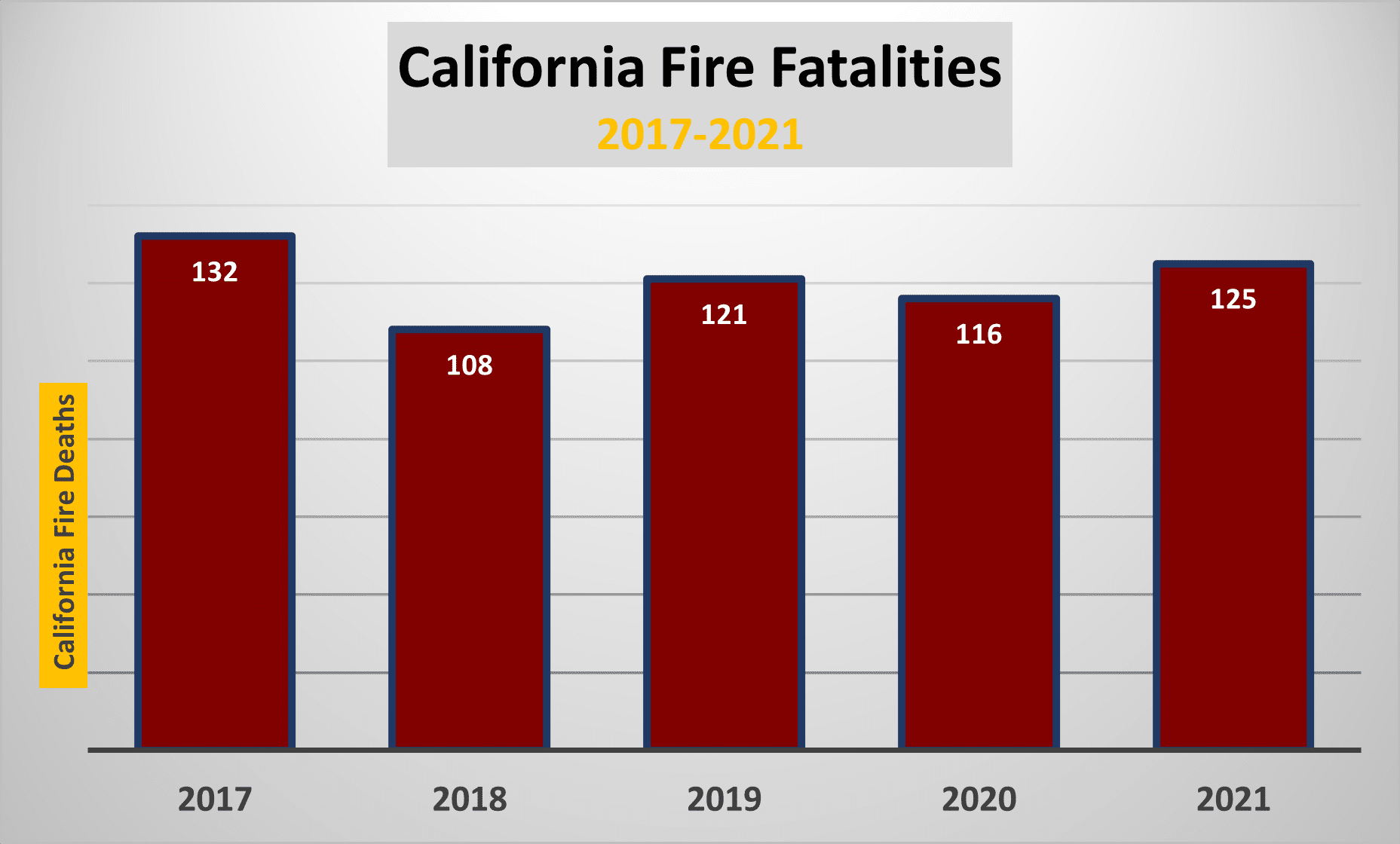
The majestic landscapes of California, renowned for their unparalleled natural beauty, iconic landmarks, and diverse ecosystems, annually face a formidable threat: wildfires. These natural phenomena, once a cyclical part of the state’s ecological rhythm, have escalated in frequency, intensity, and destructiveness over recent decades, exacting a devastating toll not only on the state’s cherished natural heritage but, most tragically, on human lives. When we reflect on California’s natural landmarks – from the ancient redwoods of the north to the chaparral-covered hillsides bordering bustling cities – it is impossible to overlook the profound and somber history of human loss intertwined with these fiery events. The question of how many people have died in California fires is not merely a statistical inquiry but a stark reminder of the vulnerability of communities nestled within and alongside these spectacular natural settings. It speaks to a tragic narrative of individuals caught in the path of immense natural power, forever altering the fabric of families and the collective memory of the Golden State. This article delves into the historical human cost of California’s wildfires, examining the profound impact on both its natural landmarks and the lives lost in their shadows, framed within the historical and ecological context of these significant events.
The Historical Toll of California’s Wildfires on Natural Landmarks
California’s diverse geography, characterized by its Mediterranean climate, rugged mountains, expansive forests, and dry chaparral, creates an environment uniquely susceptible to wildfires. For centuries, fire has played a natural role in shaping these landscapes, clearing underbrush, promoting new growth, and maintaining ecosystem health. However, human settlement patterns, coupled with changing climatic conditions, have transformed these natural processes into catastrophic disasters, leading to unprecedented loss of life and widespread destruction of both developed areas and irreplaceable natural landmarks. The human toll is a central, heartbreaking element of this evolving narrative.
A Legacy of Devastation and Loss
The history of California is punctuated by devastating fire seasons, each leaving an indelible mark on its natural landmarks and communities. Before the late 20th and early 21st centuries, while large fires were common, the scale of human fatalities often remained relatively contained, primarily due to sparser populations in fire-prone areas and different fire management strategies. However, as urban development pushed further into the wildland-urban interface (WUI), the collision course between human habitation and natural fire regimes became inevitable.
Fires have consumed vast swaths of natural beauty, from the ancient groves within Yosemite National Park and Sequoia National Park to the coastal hillsides of Malibu. While these natural landmarks have a remarkable capacity for regeneration, the immediate impact on their ecosystems is profound, and the human cost is tragically permanent. The cumulative number of deaths over the decades reflects a grim progression, with individual events often claiming dozens of lives, sometimes in mere hours, painting a vivid picture of the sheer power and danger posed by these infernos.
Major Incidents and Their Impact
Several wildfires stand out in California’s history due to their extraordinary human toll. These events serve as stark reminders of the vulnerability inherent in living amidst such breathtaking, yet volatile, natural surroundings.
One of the deadliest single wildfires in California’s history was the 2018 Camp Fire. This inferno, which swept through Butte County and largely decimated the town of Paradise, claimed over 80 lives. Its rapid spread and intense heat trapped residents, leading to heartbreaking scenarios of evacuation attempts gone wrong. While Paradise is a town, it’s situated directly adjacent to expansive wildlands, underscoring how human communities in the WUI are deeply intertwined with the fate of surrounding natural landmarks. The devastation was not just to homes but to the very landscape and ecological balance of the region, impacting watershed health and wildlife habitats for years to come.
Prior to the Camp Fire, other events such as the 1991 Oakland Hills Firestorm in the Oakland and Berkeley hills also resulted in significant fatalities, demonstrating how fires can surge from natural areas directly into urbanized spaces. More recently, the 2017 North Bay Fires, including the Tubbs Fire in Sonoma County and Napa Valley, also caused dozens of fatalities, obliterating entire neighborhoods and threatening the region’s renowned wine country, a blend of agricultural and natural landscapes considered iconic landmarks. These fires illustrated the increasing ferocity and speed with which modern wildfires move, leaving little time for escape. Each of these tragic events represents not just statistics, but individual stories of loss and the profound impact on the historical narrative of California’s relationship with its fiery natural world.
Understanding the Escalating Human Cost Amidst Changing Landscapes
The escalating human toll from California wildfires is a complex issue driven by a confluence of environmental, historical, and societal factors. As the state grapples with increasingly destructive fire seasons, understanding these underlying causes is crucial for comprehending the tragic increase in fatalities and the long-term impacts on both natural landmarks and human populations.
Factors Contributing to Increased Fatalities
The primary drivers behind the rise in fire-related deaths are multifaceted:
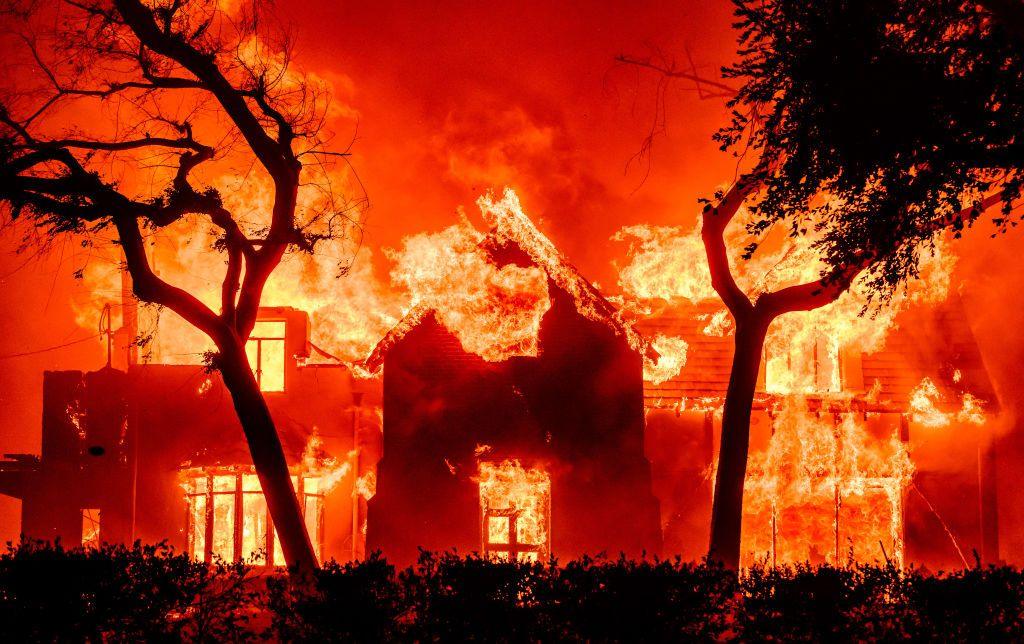
- Climate Change: A warming climate has led to longer, hotter, and drier fire seasons. Elevated temperatures, reduced snowpack, and prolonged droughts dry out vegetation, turning forests and chaparral into highly combustible fuel. This creates conditions ripe for megafires that are harder to control, spread faster, and burn with greater intensity, making escape routes perilous and overwhelming emergency response efforts. The increasing severity of these fires directly translates into a higher probability of human entrapment and loss of life, especially in remote areas or where fires advance unexpectedly quickly.
- Wildland-Urban Interface (WUI) Development: California’s population growth has led to extensive development into areas previously designated as wildlands. Homes, businesses, and infrastructure are increasingly built amidst or directly adjacent to forests, brushlands, and other fire-prone natural environments. This expansion significantly increases the exposure of human populations to wildfire hazards. When a fire ignites in these interface zones, it can quickly spread from natural vegetation to homes, which then become fuel, creating a devastating conflagration that overwhelms firefighting resources and imperils residents.
- Fuel Accumulation: A century of aggressive fire suppression policies, while aimed at protecting communities and natural resources, has inadvertently led to an unnatural accumulation of flammable vegetation in many of California’s forests and wildlands. This dense undergrowth, combined with dead trees from insect infestations and drought, provides an enormous amount of fuel for fires, causing them to burn hotter and become more destructive. When these fires encounter human settlements, the sheer volume of fuel contributes to the rapid and often deadly spread.
These factors combine to create a perilous environment where fires not only consume vast expanses of natural landmarks but also pose an immediate, severe threat to human life. The speed and unpredictability of these modern megafires often leave residents with little time to evacuate, leading to tragic outcomes.
The Socio-Economic Ripple Effect on Communities and Natural Heritage
Beyond the immediate tragedy of lives lost, California wildfires exert a profound and lasting socio-economic ripple effect on communities and the state’s natural heritage. The loss of life represents the pinnacle of human suffering, but the indirect impacts also underscore the broad societal costs.
Communities devastated by fires face monumental challenges in recovery. Displacement becomes a harsh reality for thousands, leading to homelessness, job losses, and profound psychological trauma. The destruction of homes, schools, and infrastructure disrupts local economies for years, sometimes decades. Access to healthcare and social services is often severely curtailed, exacerbating mental health crises among survivors.
The impact extends to California’s cherished natural landmarks as well. While many ecosystems are adapted to fire, the increased intensity and frequency of modern wildfires can cause irreversible damage. Old-growth forests, critical habitats for endangered species, and ancient trees in parks like Sequoia National Park or Yosemite National Park can be completely incinerated, changing their character for generations, if not permanently. Watersheds are compromised, leading to increased erosion, mudslides, and water quality issues downstream. The aesthetic and recreational value of these natural landmarks, which draw millions of visitors annually, is also diminished, impacting the local tourism economy that many rural communities depend on. Thus, the human cost of California’s fires is not only measured in fatalities but also in the enduring scars left on its people, its economy, and its invaluable natural heritage.
Preserving California’s Natural Landmarks and Protecting Lives
The sobering statistics of human fatalities from California wildfires underscore an urgent imperative: to implement comprehensive strategies that protect both lives and the state’s irreplaceable natural landmarks. The ongoing challenge demands a blend of historical lessons, scientific understanding, and proactive community engagement to foster resilience in a fire-prone future.
Lessons from the Past: Policy and Prevention
The tragic loss of life in past fires has driven significant advancements in California’s fire management policies and prevention strategies. Learning from incidents like the Camp Fire and the North Bay Fires has highlighted critical areas for improvement:
- Enhanced Early Warning Systems and Evacuation Protocols: Modernizing emergency alert systems, such as the Wireless Emergency Alerts (WEA) and reverse 911 calls, has become paramount. Lessons learned from rapid, uncontained fires have led to earlier, more aggressive evacuation orders and better-planned evacuation routes to prevent human entrapment. Public education campaigns now emphasize the importance of having multiple escape routes and being ready to evacuate at a moment’s notice.
- Vegetation Management and Fuel Reduction: Recognizing the dangers of excessive fuel load, there’s a renewed focus on proactive forest management. This includes prescribed burns, where controlled fires are used to clear underbrush and reduce fuel, mimicking natural fire cycles. Mechanical thinning and defensible space programs, which require property owners to clear vegetation around their homes, are also critical in creating buffers between natural landmarks and human habitations, thereby reducing the risk to both.
- Building Codes and Hardening Homes: Stricter building codes, particularly in the Wildland-Urban Interface (WUI), require the use of fire-resistant materials for roofs, siding, and vents. Retrofitting existing homes to make them more resistant to ember intrusion and direct flame contact is also a crucial preventative measure, drastically increasing the chances of structures surviving a wildfire and safeguarding residents.
- Interagency Collaboration: Effective fire management requires seamless coordination between various agencies, including CAL FIRE, the U.S. Forest Service, and local fire departments. Improved communication, shared resources, and joint planning exercises are essential for a unified response to large-scale incidents, ultimately contributing to better outcomes in protecting both natural areas and human lives.
These preventative measures, rooted in the historical experience of devastating fires, are continuously evolving to meet the growing challenges posed by climate change and expanding populations.

The Path Forward: Resilience and Adaptation
Despite the significant strides in prevention, the reality is that wildfires will remain an inherent part of California’s natural landscape. The path forward, therefore, lies in fostering greater resilience and adaptation within both communities and ecosystems. This involves a multi-pronged approach:
- Continuous Investment in Science and Technology: Funding for research into fire behavior, climate modeling, and predictive analytics is vital. Advanced satellite monitoring, drone technology, and artificial intelligence can provide earlier detection and more accurate predictions of fire spread, giving authorities precious time to act and protect at-risk populations and natural landmarks.
- Community Engagement and Education: Empowering residents with knowledge about wildfire risks, preparedness, and responsible behavior is essential. Programs like “Firewise USA” encourage communities to take collective action to reduce their wildfire risk through landscaping, home hardening, and emergency planning. Understanding how human actions, often unintentional, can spark fires is critical for prevention.
- Ecosystem Adaptation: Recognizing that some ecosystems need fire to thrive, efforts are also directed towards managing natural landmarks in a way that allows for healthy, less destructive fire regimes. This involves reintroducing controlled fire where appropriate and investing in ecological restoration projects after severe fires to aid in recovery and build future resistance.
- Sustainable Land Use Planning: Reassessing where and how new developments occur in the WUI is crucial. Encouraging clustered development, maintaining open spaces, and prohibiting building in the most extreme fire-hazard zones can reduce the number of people and properties exposed to direct wildfire threats.
The question of “How Many People Have Died In California Fires?” serves as a stark historical ledger, reminding us of the immense human cost associated with these natural events. While the numbers are undeniably tragic, they also fuel an unwavering commitment to learning, adapting, and innovating. By honoring the past through informed action, California strives to protect its communities and preserve the breathtaking natural landmarks that define its identity, ensuring a safer and more resilient future for all who call this vibrant state home.
LifeOutOfTheBox is a participant in the Amazon Services LLC Associates Program, an affiliate advertising program designed to provide a means for sites to earn advertising fees by advertising and linking to Amazon.com. Amazon, the Amazon logo, AmazonSupply, and the AmazonSupply logo are trademarks of Amazon.com, Inc. or its affiliates. As an Amazon Associate we earn affiliate commissions from qualifying purchases.