
Understanding the intricacies of sick leave policies in California isn’t just about compliance; it’s a fundamental aspect of shaping your lifestyle in the Golden State. For residents, new arrivals, remote workers, and even those considering a move to this vibrant region, knowing your rights regarding sick days is crucial for maintaining well-being, financial stability, and the flexibility to truly enjoy what California has to offer. In a state known for its progressive labor laws and a lifestyle that often blends innovation with outdoor adventure, the provision of sick leave plays a significant role in fostering a balanced and secure existence. This guide delves into the specifics of sick leave in California, exploring how these protections empower individuals to prioritize their health and enhance their personal and professional lives.

The Golden State’s Mandate for Wellness: Understanding California’s Sick Leave Law
California stands out in the United States for its proactive approach to employee rights, particularly concerning health and well-being. The state’s sick leave laws are designed to ensure that workers can take necessary time off for illness, medical appointments, or to care for a sick family member without fear of job loss or financial hardship. This progressive stance reflects a broader commitment to a humane and sustainable lifestyle for its residents, recognizing that health is paramount to productivity and personal fulfillment. For anyone building a life or a career in cities like Los Angeles, San Francisco, or San Diego, understanding these foundational protections is key to navigating their daily lives.
A Statewide Standard: The Healthy Workplaces, Healthy Families Act of 2014
The cornerstone of paid sick leave in California is the Healthy Workplaces, Healthy Families Act of 2014 (AB 1522), which mandated paid sick leave for most employees across the state. This landmark legislation established a statewide minimum, ensuring that regardless of where you work in California, you are entitled to accrue and use paid time off for health-related reasons. The Act was a game-changer, providing a safety net that allows individuals to recover from illness or address family health needs without sacrificing income. For those striving for a balanced lifestyle amidst the fast pace of urban centers like Oakland or San Jose, this security offers invaluable peace of mind, contributing to better overall health outcomes and reduced stress.
Who is Covered? Eligibility and Employee Rights
The scope of California’s sick leave law is remarkably broad, extending coverage to nearly all employees working for the same employer for at least 30 days within a year. This includes full-time, part-time, and temporary workers, with limited exceptions. This inclusivity is crucial for a diverse workforce, ensuring that whether you’re working in the bustling hospitality sector in Sacramento or contributing to the tech industry, your health is prioritized. Employers are prohibited from retaliating against employees for using their accrued sick time, emphasizing the state’s dedication to protecting workers’ rights. This robust framework empowers individuals to manage their health proactively, an essential element for anyone pursuing a fulfilling lifestyle that prioritizes well-being.
Beyond the Basics: Accrual, Usage, and Carryover Provisions
While the statewide mandate sets a minimum, understanding the specifics of how sick leave is earned, used, and potentially carried over from year to year is vital for effective personal planning. These details directly impact your flexibility to manage unexpected health issues, schedule medical appointments, or even plan for potential “mental health days” that contribute to a healthier work-life balance, especially for those who cherish California’s diverse recreational opportunities.
Calculating Your Entitlement: Accrual Methods
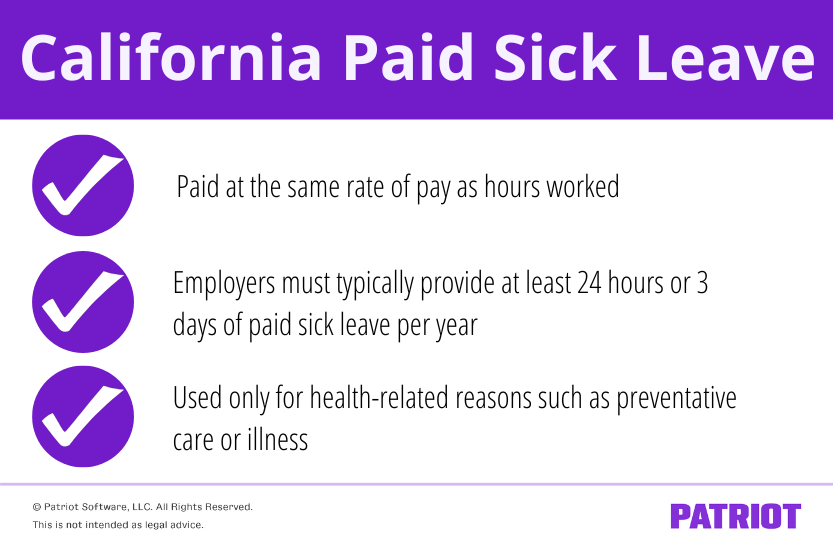
Under state law, employees accrue paid sick leave at a minimum rate of one hour for every 30 hours worked. Employers can, however, cap the use of accrued sick leave at 24 hours (or three days) per year, though they must allow employees to accrue up to 48 hours (or six days). Some employers opt for an “upfront” method, granting employees the full 24 hours at the beginning of the year, simplifying the accrual process. This flexibility in accrual and usage significantly impacts an individual’s lifestyle planning. For example, knowing you have a guaranteed bank of sick days can influence decisions about when to schedule non-urgent medical procedures or even how you approach planning a brief getaway to recharge, rather than waiting until you’re completely burnt out.
When and How to Use Your Sick Time
Paid sick leave in California can be used for a variety of reasons, not solely for personal illness. This broad applicability is key to its role in supporting a comprehensive lifestyle. Permissible uses include:
- Diagnosis, care, or treatment of an existing health condition or preventative care for an employee.
- Diagnosis, care, or treatment of an existing health condition or preventative care for a family member.
- For victims of domestic violence, sexual assault, or stalking, to seek medical attention, obtain services from a shelter or crisis center, psychological counseling, or participate in safety planning.
The definition of “family member” is also quite expansive, covering children, parents, spouses, registered domestic partners, grandparents, grandchildren, and siblings. This inclusive approach recognizes the interconnectedness of family health and its impact on an individual’s ability to maintain a stable and supportive lifestyle. It means you don’t have to choose between caring for a loved one and losing income, a freedom that truly enhances quality of life.
The Benefit of Carryover: Accumulating Time Off
One of the most valuable aspects of California’s sick leave law is the carryover provision. While employers can limit the use of sick leave to 24 hours per year, they must allow employees to carry over accrued, unused sick leave from one year to the next, up to a maximum of 48 hours. This means that if you’re fortunate enough to remain healthy and not use all your sick days in a given year, those hours don’t simply disappear. Instead, they accumulate, providing a larger safety net for future health needs or for longer periods of recovery. This carryover feature is an excellent tool for long-term lifestyle planning, offering greater financial security and the potential for extended periods of paid leave if a serious illness or injury were to occur. It’s a strategic asset for those committed to a long-term, stable life in California.
Sick Leave as a Cornerstone of Your California Lifestyle
Beyond the legal framework, understanding and strategically utilizing your sick leave benefits is integral to cultivating a fulfilling California lifestyle. It moves beyond merely being a safety net and transforms into a proactive tool for managing your well-being, enhancing work-life balance, and even enabling greater flexibility in your personal pursuits, including travel and leisure.

Fostering Work-Life Balance: Mental Health and Personal Pursuits
In today’s demanding work environment, the concept of work-life balance is more critical than ever. California’s sick leave provisions, particularly their broad usage definitions, offer a pathway to truly prioritize this balance. Taking a sick day isn’t just for a fever; it can be for a much-needed mental health day to prevent burnout, alleviate stress, or simply to rest and recuperate. For those living in bustling metropolitan areas, the ability to step away from the daily grind and reconnect with oneself or with nature (a cornerstone of the California experience) is invaluable. Whether it’s a quiet day at home, a visit to a local park, or a short trip to the coast, using sick leave for mental rejuvenation is a legitimate and often underutilized aspect of fostering a healthy lifestyle.
Financial Security and Travel Planning
The financial security offered by paid sick leave cannot be overstated, especially when it comes to planning a lifestyle that includes travel. Knowing that an unexpected illness won’t result in lost wages provides a crucial buffer, allowing individuals to save for and enjoy their travels without constant financial anxiety. Moreover, for those who might incorporate short “staycations” or extend weekend trips to nearby attractions, strategically utilizing a sick day (if permissible under employer policy and for legitimate reasons, like preventing burnout) can significantly enhance the leisure component of their lifestyle. It means being able to enjoy the scenic drives to places like Napa Valley or explore the vibrant culture of San Francisco without the added pressure of sacrificing income or vacation days for recovery.
Impact on Remote Work and Digital Nomads in California
California has become a hub for remote workers and digital nomads, drawn by its innovation, diverse landscapes, and progressive culture. For this demographic, understanding sick leave is especially pertinent. Even when working remotely, California labor laws apply if the employer is based in the state or if the remote worker is considered an employee within California jurisdiction. This means that digital nomads or remote employees based in California are entitled to the same sick leave benefits, providing a critical layer of stability and security. This peace of mind allows them to maintain their flexible work arrangements while having a safety net for health issues, whether they’re working from a co-working space in Los Angeles or a quiet retreat near Lake Tahoe.
Navigating the Nuances: Local Ordinances and Employer-Specific Policies
While the state law provides a comprehensive baseline, the sick leave landscape in California can be more complex due to local ordinances and specific employer policies. For a well-informed lifestyle, being aware of these additional layers of protection and how they interact with state law is essential.
City-Specific Protections: Going Beyond State Law
Several California cities and counties have enacted their own paid sick leave ordinances that provide greater benefits than the state’s minimum. For instance, cities like San Francisco, Oakland, San Diego, and Los Angeles have unique provisions that might offer higher accrual rates, greater maximum accrual caps, or broader definitions of “family member.” If you live and work in one of these areas, it’s crucial to understand the local rules, as they will often supersede the state law if they offer more generous benefits. This patchwork of regulations underscores the importance of local knowledge in managing your work-life balance and overall lifestyle effectively in California’s diverse regions.
Employer Policies: What to Look For
Beyond state and local laws, individual employers often have their own paid time off (PTO) policies. Some employers combine sick leave, vacation, and personal days into a single PTO bank, which can offer greater flexibility but may also require careful management. Others might offer more generous sick leave benefits than the law requires as a way to attract and retain talent. When starting a new job or reviewing your benefits, it’s always advisable to carefully read your employer’s specific policy. Understanding how it integrates with or exceeds the minimum legal requirements is vital for strategic planning of your time off, whether for health, travel, or personal development – all components of a rich California lifestyle.
Common Misconceptions and Your Rights
Despite clear laws, misconceptions about sick leave persist. For example, some employees mistakenly believe they need a doctor’s note for short absences, or that their employer can deny legitimate sick leave requests. Generally, employers cannot require a doctor’s note for absences of three days or less, and they cannot retaliate against employees for using their sick leave. Knowing your rights means you can confidently access your benefits when needed, without unnecessary hurdles. Resources like the California Labor Commissioner’s Office provide guidance and avenues for recourse if your rights are violated. Empowering yourself with this knowledge is a key aspect of taking control of your lifestyle and well-being.
Maximizing Your Well-being in California: A Strategic Approach to Sick Leave
Integrating your understanding of California’s sick leave policies into your overall lifestyle strategy is about more than just knowing the rules; it’s about proactively planning for health, stability, and the pursuit of a fulfilling life.
Proactive Planning for Health and Travel
View your accrued sick leave as a valuable component of your personal well-being and travel planning portfolio. By understanding how many sick days you accrue and how many you can carry over, you can make informed decisions about managing your health proactively. This might involve scheduling preventative care appointments during times that minimize disruption, or even using a sick day for an essential mental health break before a major project or an important trip. For those who frequently explore the natural wonders of California, from the redwoods to the deserts, knowing you have a safety net for unexpected illness ensures that your adventures can continue without undue stress.
Advocating for Your Rights and Understanding Resources
Ultimately, the power to maximize your California lifestyle through sick leave benefits rests on your knowledge and willingness to advocate for your rights. If you have questions or concerns about your employer’s sick leave policy, don’t hesitate to consult your HR department, review official state resources, or seek advice from labor organizations. California’s robust protections are there to support a workforce that is healthy, secure, and empowered to enjoy the diverse opportunities the state provides. By taking an active role in understanding and utilizing your sick leave, you’re not just adhering to regulations; you’re investing in your own well-being and a richer, more balanced life in the Golden State.
LifeOutOfTheBox is a participant in the Amazon Services LLC Associates Program, an affiliate advertising program designed to provide a means for sites to earn advertising fees by advertising and linking to Amazon.com. Amazon, the Amazon logo, AmazonSupply, and the AmazonSupply logo are trademarks of Amazon.com, Inc. or its affiliates. As an Amazon Associate we earn affiliate commissions from qualifying purchases.