
Understanding your entitlements regarding sick leave in California is a crucial aspect of managing your professional and personal life in the Golden State. For anyone considering moving to, working in, or even planning an extended stay in California, knowing the nuances of paid sick leave can significantly impact your financial well-being, health management, and overall lifestyle. California stands out for its robust employee protections, ensuring that most workers have access to paid time off when illness strikes or family needs arise. This provision offers a vital safety net, promoting public health and contributing to a more balanced and secure lifestyle for residents across the state.

Understanding California’s Paid Sick Leave Law
At the heart of California’s commitment to worker well-being is its comprehensive paid sick leave legislation. This law sets a statewide minimum standard, creating a consistent baseline of protection for employees, though many local jurisdictions offer even more generous benefits.
The Foundation: Healthy Workplaces, Healthy Families Act of 2014
The Healthy Workplaces, Healthy Families Act of 2014 fundamentally transformed how sick leave is handled in California. Prior to this landmark legislation, paid sick leave varied wildly by employer or was nonexistent for many. The Act established a universal right to paid sick leave, recognizing its importance not only for individual employees but also for the broader public health. It ensures that workers can take time off to recover from illness, care for family members, or address specific critical needs without losing pay, thereby preventing the spread of illness in workplaces and reducing financial hardship. This legislative move underscores California’s progressive approach to worker rights, positioning employee health and stability as integral components of a thriving society.
Who is Covered? Defining “Employee” in California
One of the most expansive aspects of California’s paid sick leave law is its broad definition of who qualifies as an “employee.” Generally, if you work for the same employer for 30 or more days within a year in California, you are covered. This includes full-time, part-time, temporary, and even seasonal workers. There are very few exceptions, typically limited to certain government employees, airline employees covered by specific federal regulations, and some unionized construction workers where specific collective bargaining agreements address sick leave. This inclusivity ensures that nearly everyone contributing to California’s economy has the security of paid sick leave, reflecting a lifestyle where all workers are valued and protected, regardless of their employment status.
Minimum Accrual and Usage Standards
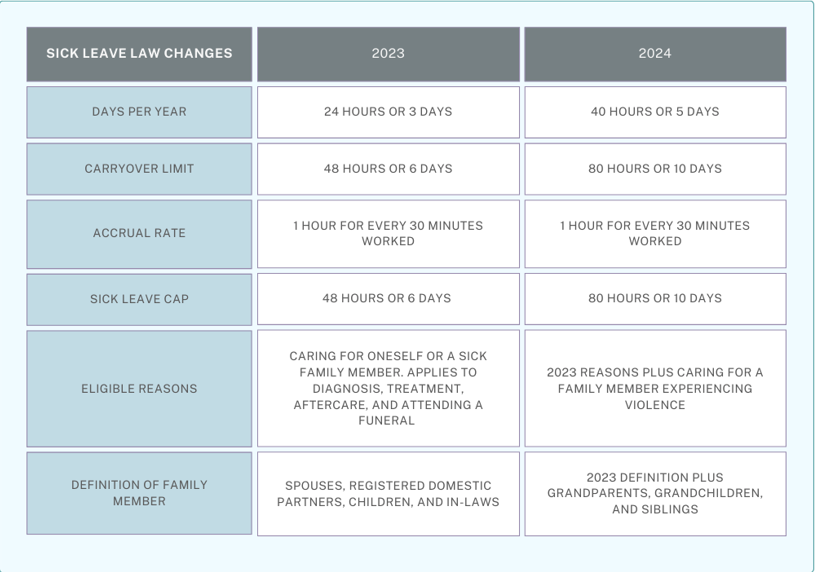
The state law mandates a minimum accrual rate: employees earn at least one hour of paid sick leave for every 30 hours worked. This means that as you work, your sick leave balance steadily grows. While an employee begins accruing sick leave from the first day of employment, employers can implement a waiting period of up to 90 days before an employee can actually use their accrued sick time. Beyond this, employers are generally required to allow employees to use at least 24 hours or three days of paid sick leave per year, whichever is greater. This minimum usage entitlement is key to managing unexpected health issues or family emergencies without the added stress of lost wages, enabling a more stable and predictable lifestyle.
Accrual, Usage, and Carryover: Navigating Your Sick Leave Benefits
Understanding how your sick leave accrues, when you can use it, and what happens to unused hours is vital for effectively managing your work-life balance and planning for the unexpected in California. These mechanisms are designed to provide flexibility while ensuring minimum protections.
Methods of Accrual: The Standard vs. Upfront Grant
California law permits employers to choose between two primary methods for providing paid sick leave. The first is the accrual method, where employees earn one hour for every 30 hours worked, as described above. This is the most common approach, and it ensures that sick leave is earned progressively over time. The second method is the upfront grant, where an employer can provide the full amount of sick leave (at least 24 hours or three days) at the beginning of each year of employment or calendar year. While this upfront grant satisfies the annual minimum usage requirement and offers immediate access to a lump sum of sick time, it can sometimes come with specific employer-defined rules regarding subsequent accrual or carryover, though state minimums must still be met. Both methods aim to give employees peace of mind, allowing them to choose a workplace that aligns with their personal lifestyle needs regarding immediate or gradual sick leave access.
When Can You Use It? Permissible Reasons for Sick Leave
The reasons for using paid sick leave in California are intentionally broad, reflecting a holistic view of an employee’s well-being and family responsibilities. You can use your accrued sick time for:
- Diagnosis, care, or treatment of an existing health condition or preventive care for yourself.
- Diagnosis, care, or treatment of an existing health condition or preventive care for a family member.
- Purposes related to domestic violence, sexual assault, or stalking, if the employee is the victim.
The definition of “family member” is also comprehensive, including a child (biological, adopted, foster, step, legal ward, or a child to whom the employee stands in loco parentis), parent (biological, adoptive, foster, step, or legal guardian), spouse, registered domestic partner, grandparent, grandchild, and sibling. This extensive coverage significantly impacts an employee’s lifestyle, ensuring they can prioritize their health and family needs without facing financial penalties, fostering a greater sense of security and balance.
Carryover and Caps: Maximizing Your Entitlement
A key feature of California’s sick leave law is the carryover provision. Unused sick leave generally carries over from year to year, allowing employees to build up a larger bank of hours for more extended illnesses or emergencies. However, employers are permitted to cap the accrued amount of sick leave an employee can hold at any given time, typically at 48 hours or six days. They can also cap the use of sick leave to 24 hours or three days per year, as long as the carryover is allowed. This balance between carryover and caps is designed to provide both flexibility and a manageable system for employers. For individuals, understanding these limits helps in strategic planning for health and wellness, providing an important layer of security for unexpected life events, and allowing them to maintain their desired lifestyle in California.
Employer Responsibilities and Employee Rights
The effectiveness of California’s paid sick leave law hinges on clear employer responsibilities and robust employee protections. These provisions ensure that the law is not only implemented but also respected, safeguarding the lifestyle and well-being of the workforce.
Providing Notice and Pay
Employers in California have specific obligations regarding paid sick leave. They must provide employees with written notice of their available sick leave balance on their regular pay stubs or a separate written document issued with their pay. This transparency is crucial for employees to track their accrual and plan accordingly. When an employee uses sick leave, they must be paid at their regular rate of pay, ensuring that taking time off for legitimate reasons does not result in a financial penalty. Furthermore, for absences of three days or less, employers generally cannot demand a doctor’s note or other documentation as a condition of using paid sick leave, reducing administrative burdens and stress during times of illness. These requirements underscore a commitment to fairness and ease of use, contributing to a more supportive work environment that values employee health.
Anti-Retaliation Protections
A cornerstone of California’s worker protections is the strong anti-retaliation provision within the paid sick leave law. Employers are strictly prohibited from punishing or discriminating against an employee for requesting or using paid sick leave, filing a complaint about sick leave violations, or otherwise exercising their rights under the law. This protection is vital for employees to feel secure in utilizing their benefits without fear of adverse consequences, such as termination, demotion, or reduced hours. It empowers employees to prioritize their health and family without risking their livelihood, fostering a sense of job security that is fundamental to a stable lifestyle in California. If an employee believes they have been retaliated against, they can file a complaint with the California Labor Commissioner’s Office.
Local Ordinances: A Layer of Enhanced Protection
While the Healthy Workplaces, Healthy Families Act of 2014 provides a statewide minimum, many cities and counties in California have enacted their own local sick leave ordinances that offer even greater benefits to employees. Prominent examples include San Francisco, Los Angeles, Oakland, San Diego, Santa Monica, Sacramento, and San Jose. These local laws may require higher accrual rates, allow for more days of usage or carryover, or expand the definition of family members. For example, some cities might require 5 days of sick leave instead of the state’s 3, or they might not have a waiting period for usage. It is imperative for both employees and employers to be aware of the specific local ordinances that apply to their workplace, as they often supersede state law if they offer greater benefits. This mosaic of local protections highlights California’s commitment to localized governance that responds to the unique lifestyle needs and cost-of-living challenges in different communities.
Integrating Sick Leave into Your California Lifestyle
Beyond the legal framework, understanding and utilizing your sick leave effectively is about integrating these benefits into a broader strategy for a healthy and fulfilling lifestyle in California. It’s about more than just legal compliance; it’s about peace of mind.
Proactive Planning for Health and Wellness
Knowing you have paid sick leave available empowers you to be proactive about your health and the health of your family. Instead of delaying a doctor’s visit due to fear of lost wages, you can schedule preventive care or address minor illnesses before they escalate. This proactive approach significantly contributes to long-term wellness, reducing stress and allowing you to fully enjoy California’s vibrant lifestyle, from its stunning natural landscapes to its diverse cultural offerings. It means you can attend a child’s school appointment, care for an elderly parent, or simply take a day to recover from a persistent cold without financial burden, ensuring that minor health setbacks don’t derail your overall life plan.
Resourcefulness and Rights: Knowing Where to Get Information
Navigating the specifics of sick leave can sometimes be complex, especially with varying local ordinances. Being resourceful means understanding where to find accurate and up-to-date information. Your employer’s human resources department or employee handbook should be your first point of contact. For authoritative information on state laws, the California Department of Industrial Relations and the California Labor Commissioner’s Office websites are invaluable resources. They provide detailed FAQs, fact sheets, and contact information for further assistance. Empowering yourself with this knowledge ensures you can confidently assert your rights and make informed decisions that support your desired lifestyle in California.

The California Ethos: Balancing Work and Life
Ultimately, California’s robust paid sick leave laws reflect a broader societal ethos that prioritizes work-life balance and employee well-being. Living and working in California often comes with the expectation of a dynamic lifestyle, whether it’s enjoying outdoor activities, pursuing creative passions, or contributing to innovative industries. Paid sick leave supports this by offering a safety net that allows individuals to maintain their health, care for their loved ones, and recover from life’s inevitable challenges without compromising their financial stability or professional standing. It’s an integral part of what makes the California lifestyle not just aspirational, but genuinely sustainable for its diverse workforce. By understanding and utilizing these benefits, you can truly integrate them into a comprehensive strategy for thriving in one of the world’s most exciting and progressive states.
LifeOutOfTheBox is a participant in the Amazon Services LLC Associates Program, an affiliate advertising program designed to provide a means for sites to earn advertising fees by advertising and linking to Amazon.com. Amazon, the Amazon logo, AmazonSupply, and the AmazonSupply logo are trademarks of Amazon.com, Inc. or its affiliates. As an Amazon Associate we earn affiliate commissions from qualifying purchases.