
Embarking on a business venture in California is an exciting prospect, offering access to a vibrant economy, diverse talent pools, and a unique lifestyle that attracts innovators and dreamers alike. However, for any entrepreneur eyeing the Golden State – whether establishing a long-term enterprise or facilitating a significant “business stay” – understanding the regulatory landscape is paramount. A crucial first step often involves deciphering the costs and requirements associated with business licenses. Unlike many other states, California doesn’t issue a single, overarching state-level business license. Instead, the process is a multi-layered journey, involving various state agencies, counties, and cities, each with their own set of rules and fee structures. This complexity means that the answer to “How much are business licenses in California?” is rarely a simple figure, but rather a dynamic equation influenced by numerous factors unique to your specific business model and location. Navigating this labyrinth successfully is key to ensuring compliance, avoiding penalties, and ultimately fostering a sustainable business lifestyle in one of the world’s most dynamic economies.

Understanding the Layered Landscape of Business Licenses in California
The initial challenge for anyone setting up shop in California is grasping the distinction between state-level requirements and local-level mandates. While the state government regulates certain industries and activities, the general “business license” is predominantly a local affair, issued by the city or county where your business operates. This decentralized approach requires a comprehensive understanding of what applies to your specific enterprise.
State-Level vs. Local-Level Requirements
California enforces a wide array of state-specific permits, licenses, and certifications, particularly for businesses operating in regulated industries. These might include professional licenses for specific occupations (e.g., real estate brokers, contractors, healthcare providers), environmental permits (e.g., for businesses dealing with hazardous materials), health permits (essential for food service establishments), or seller’s permits from the California Department of Tax and Fee Administration for businesses selling tangible goods. The costs for these state-level requirements can range from nominal registration fees to substantial annual or biennial charges, depending on the complexity and risk associated with the industry.
In contrast, almost every city and county in California requires businesses to obtain a local business license (sometimes called a business tax certificate). This is essentially a tax levied on the privilege of doing business within that specific jurisdiction. These local licenses are what most people refer to when asking about “business licenses,” and their fees exhibit the most significant variability.
Key Factors Influencing License Costs
The cost of obtaining and maintaining business licenses in California is not uniform. Several critical factors come into play:
- Type of Business/Industry: A highly regulated industry, like healthcare or finance, will incur more licensing costs than a simple consulting service.
- Business Structure: Sole proprietors, partnerships, LLCs, and corporations face different state registration fees (e.g., annual fees to the California Secretary of State and the Franchise Tax Board for LLCs and corporations).
- Location: As detailed below, costs vary dramatically between cities and counties. Operating in a major metropolitan area like San Francisco will likely be more expensive than in a smaller, rural community.
- Number of Employees: Some local business license fees are calculated based on the number of full-time or part-time employees.
- Projected Revenue/Gross Receipts: Many cities use a tiered system where the license fee is directly tied to the business’s projected gross receipts or annual revenue. Higher revenue often means higher fees.
- Environmental Impact/Special Conditions: Businesses with significant environmental impacts or those requiring specific safety inspections might face additional permits and associated costs.
Navigating State-Specific Licenses and Permits
Beyond the general local business license, the state of California imposes specific requirements for various sectors, ensuring public safety, environmental protection, and consumer confidence. Understanding these is vital for any entrepreneur.
Common State Licenses for Various Lifestyles/Industries
Many professions and business types require state-issued licenses or permits to operate legally. For instance:
- Professional Licenses: Doctors, lawyers, real estate agents, architects, engineers, cosmetologists, and many other professionals must be licensed by their respective state boards. These licenses often involve application fees, examination fees, and ongoing renewal fees, which can range from a few hundred to over a thousand dollars biennially.
- Seller’s Permits: If your business sells tangible personal property, you must register for a seller’s permit with the California Department of Tax and Fee Administration (CDTFA). While there is no direct fee for the permit itself, it enables your business to collect sales tax, which is a critical part of financial compliance.
- Environmental Permits: Businesses involved in manufacturing, waste disposal, or specific agricultural activities might need permits from the California Environmental Protection Agency (CalEPA) or regional water quality control boards. These can be complex and costly.
- Health Permits: Any business handling food, such as restaurants, cafes, food trucks, or even home-based catering operations, requires health permits from the county health department. Fees vary but can be several hundred dollars annually.
Franchise Tax Board and Secretary of State Filings
For entities structured as corporations or LLCs, there are mandatory filings and fees with state agencies that are separate from operational licenses but integral to doing business in California.
- Secretary of State: Forming an LLC or corporation requires filing Articles of Organization or Incorporation with the California Secretary of State. The filing fee for these documents is typically a few hundred dollars.
- Franchise Tax Board (FTB): All LLCs and corporations in California are subject to an annual minimum franchise tax, currently $800, regardless of income. This is a significant fixed cost that businesses must budget for, even in their first year of operation. Furthermore, corporations and LLCs with income exceeding a certain threshold will pay additional income-based taxes.
The Variability of City and County Business License Fees
This is where the most pronounced differences in business license costs emerge. Because each city and county in California sets its own fee structure, what you pay can vary wildly depending on your exact operational address.
Illustrative Examples Across California Cities
To illustrate the vast differences, consider a few of California’s prominent cities:
- Los Angeles: The city of Los Angeles generally bases its business tax (business license fee) on gross receipts. For many businesses, there’s a minimum tax and then a tiered rate that increases with revenue. For a new business, there might be a initial flat fee, followed by a calculation based on estimated gross receipts, potentially ranging from a few hundred to several thousand dollars annually depending on scale.
- San Francisco: San Francisco’s business registration fee also often depends on the business’s gross receipts, with different rates for various industry classifications. Small businesses with very low gross receipts might pay a relatively small annual fee (e.g., under $100), but as revenue grows, so does the fee, potentially reaching into the tens of thousands for larger enterprises.
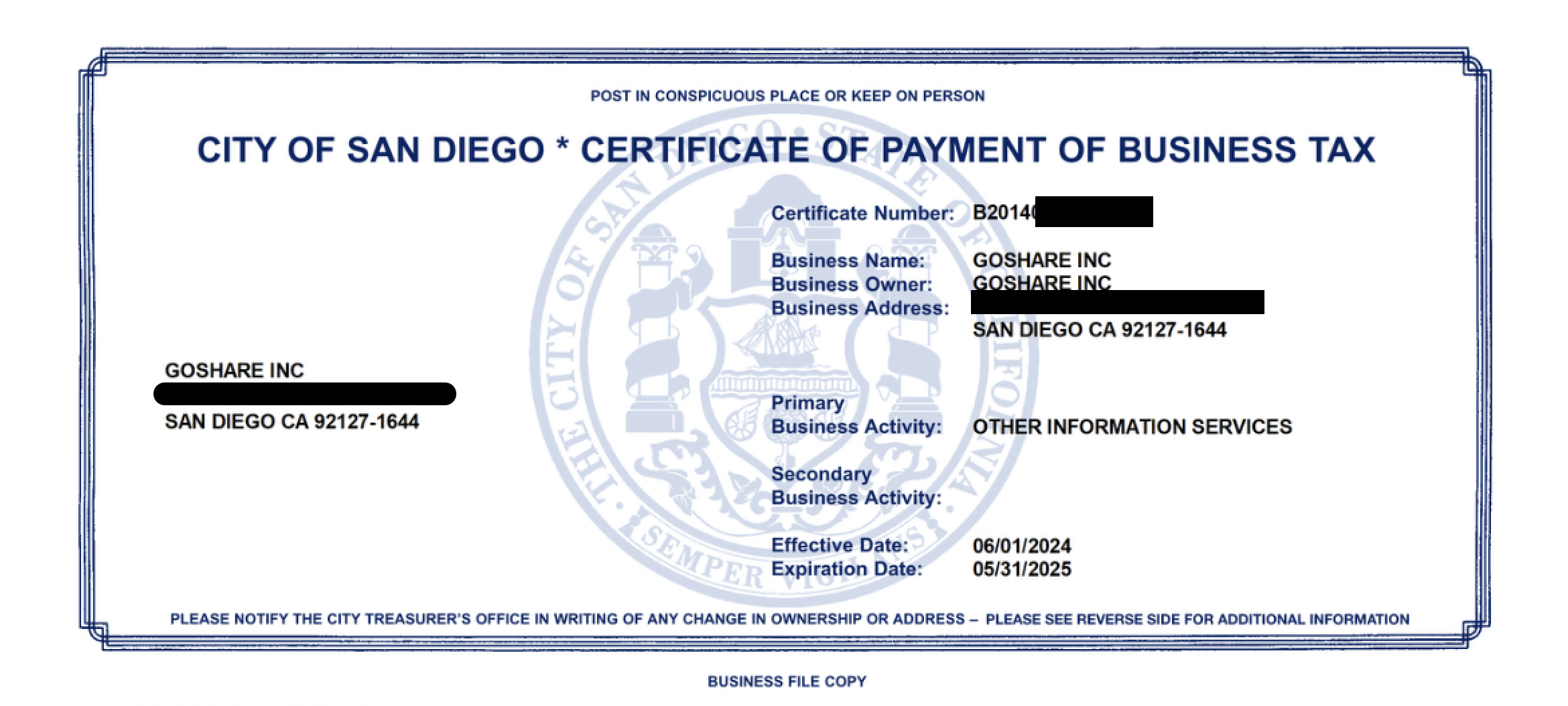
- San Diego: San Diego typically charges a flat annual fee for its business tax certificate, often around $34 for the initial application, plus an additional state-mandated disability access fee. This makes it comparatively more straightforward and less revenue-dependent for the basic license than Los Angeles or San Francisco.
- Sacramento: The city of Sacramento also generally employs a gross receipts-based calculation, with different rate schedules for various business activities. New businesses often have a minimum fee, with the full cost determined by their first year’s revenue.
- San Jose: San Jose’s business tax can be based on the number of employees, gross receipts, or a flat fee, depending on the business type. Many small businesses might pay a few hundred dollars annually, but larger businesses with many employees or high revenue could pay significantly more.
These examples highlight that a business planning to operate across multiple cities or counties in California might need to obtain multiple local business licenses, each with its own fee structure.
Beyond the Basic Fee: Additional Local Permits
It’s also crucial to remember that the business license fee is often just one component of local compliance costs. Depending on the nature of your business, you might also need:
- Zoning Permits: To ensure your business activity is permitted in your chosen location.
- Signage Permits: For installing exterior business signs.
- Building Permits: If you plan to renovate or construct a commercial space.
- Alarm Permits: For security systems.
- Fire Permits: For certain types of businesses, especially those handling flammable materials or attracting large crowds.
Each of these additional permits comes with its own application fee, which can range from tens to hundreds or even thousands of dollars, further adding to the initial setup costs and ongoing maintenance of your business lifestyle in California.
Strategies for Budgeting and Compliance in the California Lifestyle
Given the complexity and variability, a proactive and organized approach is essential for any business operating or planning to operate in California. Proper budgeting and strict adherence to regulations are not just legal necessities but also pillars of a successful and stress-free entrepreneurial lifestyle.
Researching Your Specific Requirements
The most critical step is thorough research. Do not assume that what applies to one business or one city will apply to yours.
- Utilize State Resources: The California Governor’s Office of Business and Economic Development (GO-Biz) offers a valuable online “CalGOLD” permit assistance tool that can help businesses identify relevant state, local, and federal permit requirements based on their business type and location.
- Contact Local Authorities: Directly reach out to the city clerk’s office, planning department, and county registrar-recorder/county clerk’s office in your specific business location. These offices can provide detailed information on local business license fees, application processes, and other required permits.
- Consult Professionals: Engaging with a business attorney or a specialized consultant familiar with California’s regulatory environment can save significant time, effort, and potential future penalties.
Accounting for Ongoing Costs and Renewals
Business licenses and permits are not typically a one-time expense. Most require annual or biennial renewal.
- Renewal Fees: Budget for these recurring costs. Many cities will send renewal notices, but it’s ultimately the business owner’s responsibility to track and renew licenses on time.
- Compliance Costs: Beyond just fees, consider the administrative time and effort required for paperwork, record-keeping, and staying informed about any changes in regulations. This is an often-overlooked aspect of the true cost of compliance.
The Cost of Non-Compliance
Operating without the proper business licenses and permits in California can lead to severe consequences, far outweighing the cost of the licenses themselves.
- Fines and Penalties: Cities and counties can levy significant fines for unlicensed operation, which can escalate over time.
- Legal Action: Businesses might face cease-and-desist orders or other legal actions, disrupting operations.
- Reputational Damage: Non-compliance can harm a business’s reputation, making it difficult to attract customers, partners, or investors.
- Inability to Enforce Contracts: In some cases, an unlicensed business may be legally barred from enforcing contracts, leaving it vulnerable to disputes.

Conclusion
The question of “How much are business licenses in California?” reveals a intricate system rather than a simple price tag. It underscores that establishing a business, whether for a temporary “business stay” or a long-term commitment to the California lifestyle, demands diligent research, careful budgeting, and an unwavering commitment to compliance. From statewide professional certifications and tax filings to highly variable city and county business taxes, the total cost is a mosaic of fees determined by your industry, location, and operational scale. While seemingly daunting, understanding and proactively addressing these costs is not merely a legal obligation but a strategic investment in your business’s legitimacy, stability, and enduring success within the Golden State’s dynamic economic landscape. By mastering this regulatory terrain, entrepreneurs can confidently build and maintain their chosen lifestyle in California.
LifeOutOfTheBox is a participant in the Amazon Services LLC Associates Program, an affiliate advertising program designed to provide a means for sites to earn advertising fees by advertising and linking to Amazon.com. Amazon, the Amazon logo, AmazonSupply, and the AmazonSupply logo are trademarks of Amazon.com, Inc. or its affiliates. As an Amazon Associate we earn affiliate commissions from qualifying purchases.