
Understanding capital gains taxes in California is more than just crunching numbers; it’s a fundamental aspect of financial planning that significantly impacts lifestyle choices, investment strategies, and the realization of long-term wealth goals. For residents and investors alike, navigating the complexities of both federal and state capital gains taxes is crucial for making informed decisions about property, investments, and even the pursuit of specific lifestyle aspirations, from funding a luxurious retirement to building generational wealth. As a state renowned for its vibrant economy and high cost of living, the Golden State’s tax structure demands careful consideration.
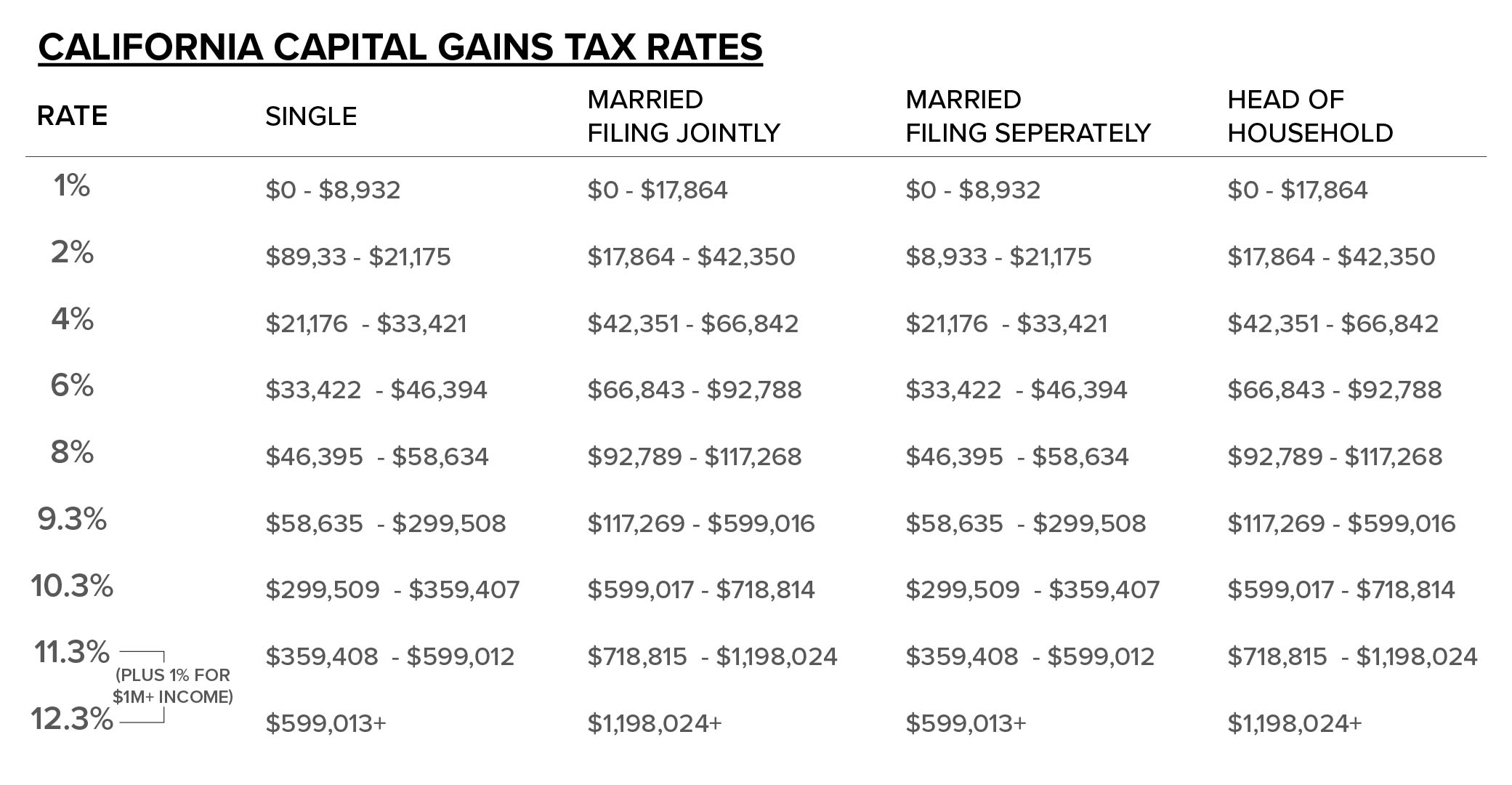
This article delves into the intricacies of capital gains taxes in California, exploring how these taxes are levied, their potential impact on your financial landscape, and strategies to effectively manage them within the broader context of your lifestyle and investment objectives.
Understanding Capital Gains: The California Context
Capital gains are essentially the profits you make from selling an asset that has increased in value. This can range from stocks, bonds, and mutual funds to real estate, art, and even collectibles. In California, like the rest of the United States, these gains are subject to taxation. However, the exact rates and rules can be a maze of federal statutes and state-specific regulations.
What Constitutes a Capital Gain?
A capital gain occurs when you sell an asset for more than you paid for it (your “basis”). For example, if you bought a stock for $100 and sold it for $150, you’ve realized a $50 capital gain. If you sold it for $80, you would have a $20 capital loss. These gains and losses are critical for calculating your tax liability.
Short-Term vs. Long-Term Capital Gains
The distinction between short-term and long-term capital gains is paramount, as it directly influences the tax rate applied.
- Short-Term Capital Gains: These arise from selling an asset you’ve held for one year or less. They are taxed at your ordinary income tax rate, which can be considerably higher.
- Long-Term Capital Gains: These result from selling an asset you’ve held for more than one year. Historically, long-term capital gains have enjoyed more favorable tax treatment, often at lower rates than ordinary income.
This distinction is particularly important for individuals managing investment portfolios or flipping properties, where the timing of a sale can have significant tax implications for their overall financial health and lifestyle planning.
The California Capital Gains Tax Landscape
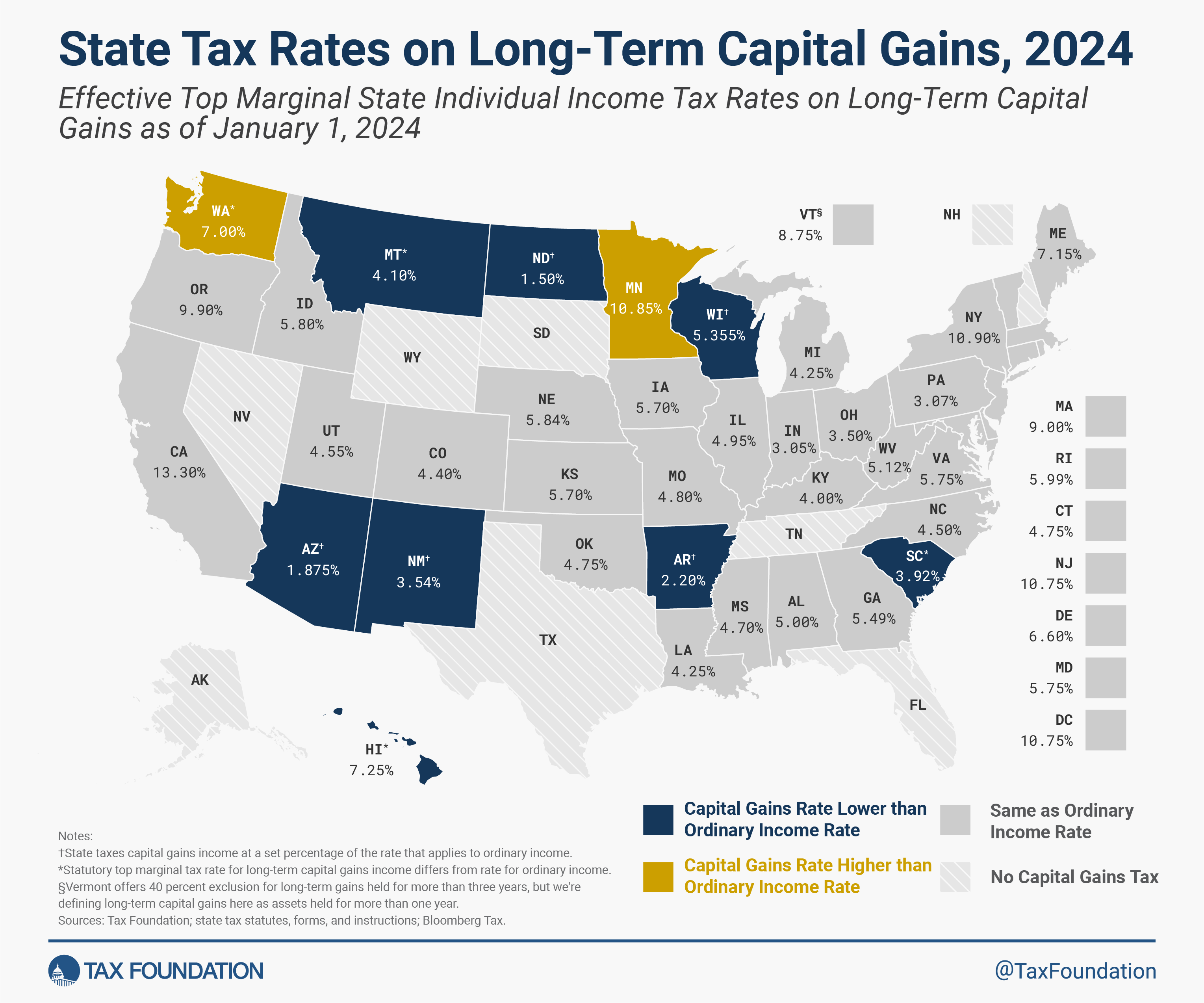
While federal capital gains taxes apply across the United States, California has its own distinct approach, making it one of the more complex states for investors and property owners. Unlike many other states that either don’t tax capital gains or have a flat rate, California treats most capital gains as ordinary income for state tax purposes.
Federal Capital Gains Tax Rates
At the federal level, long-term capital gains are taxed at preferential rates of 0%, 15%, or 20%, depending on your taxable income bracket. These rates are generally lower than the ordinary income tax rates. Additionally, high-income earners may also be subject to the 3.8% Net Investment Income Tax (NIIT). Short-term capital gains are, as mentioned, taxed at ordinary income tax rates, which can range from 10% to 37% for 2023.
California State Capital Gains Tax Rates
This is where California stands out. California does not have a separate, lower tax rate for long-term capital gains. Instead, both short-term and long-term capital gains are added to your ordinary income and taxed at your marginal state income tax rate.
California’s state income tax rates are among the highest in the nation, ranging from 1% to 13.3%. This means that if you’re in a high-income bracket in California, a significant portion of your capital gains could be claimed by the state. For example, an individual in the highest federal income tax bracket (37%) who also falls into California’s highest state income tax bracket (13.3%) could face a combined marginal tax rate exceeding 50% on short-term capital gains, and still a very high rate on long-term gains when combined with federal rates.
The Impact of Income Brackets
The progressive nature of California’s tax system means that the more income you generate, including capital gains, the higher your marginal tax rate could be. This factor is critical for individuals planning significant sales of assets, as a large capital gain could push them into a higher tax bracket, increasing the tax burden on both the gain itself and potentially other ordinary income. This directly influences major lifestyle decisions, such as selling a primary residence to downsize, liquidating a business, or making substantial withdrawals from investment accounts to fund retirement or other life goals.
Impact on Lifestyle and Investment Decisions
The substantial capital gains tax rates in California have profound implications for residents’ lifestyle and investment choices. These tax considerations are often central to decisions related to real estate, business ventures, and personal financial independence.
Real Estate and Property Ownership
California’s real estate market is notoriously expensive, and property appreciation can be significant. For homeowners looking to sell a primary residence, the IRS offers an exclusion for a portion of the gain ($250,000 for single filers, $500,000 for married filing jointly) if certain conditions are met (e.g., lived in the home for two of the last five years). However, gains exceeding this exclusion are subject to capital gains tax. This heavily influences decisions to sell or upgrade homes, especially in high-value areas like San Francisco or Los Angeles, affecting where one can afford to live and the kind of lifestyle they can maintain.
For investors in rental properties or vacation homes, capital gains taxes are a significant consideration when liquidating assets. The prospect of a large tax bill can deter sales, encouraging investors to hold onto properties longer or explore tax-deferred strategies.
Wealth Management and Retirement Planning
Effective wealth management in California inherently involves optimizing for capital gains taxes. Investors often adopt strategies like tax-loss harvesting or investing in tax-efficient funds to minimize their annual tax liability. For retirement planning, understanding how distributions from investment accounts or the sale of appreciated assets will be taxed is vital for projecting future income and ensuring a comfortable lifestyle in later years. The dream of a lavish retirement, perhaps involving extensive travel or a second home, requires meticulous planning around these tax obligations.
Entrepreneurship and Business Exits
For entrepreneurs in innovation hubs like Silicon Valley, capital gains taxes are a major factor in the decision to sell a business or exit a startup. A successful exit can result in substantial capital gains, and the tax burden can significantly impact the net proceeds available for future ventures or personal lifestyle enhancements. Planning for a business exit often includes structuring the sale in a tax-advantageous way.
Strategies for Mitigating Capital Gains Tax
While capital gains taxes are an unavoidable part of profiting from investments in California, there are several strategies that individuals can employ to legally minimize their tax burden and preserve more of their wealth for their desired lifestyle.
Tax-Loss Harvesting
One of the most common strategies, tax-loss harvesting involves selling investments at a loss to offset capital gains. If your capital losses exceed your capital gains, you can use up to $3,000 of the net loss to reduce your ordinary income each year, carrying forward any additional losses to future years. This is a powerful tool for managing tax liability, particularly in volatile markets.
1031 Exchanges for Real Estate
For real estate investors, a 1031 exchange (also known as a like-kind exchange) allows you to defer capital gains taxes when you sell an investment property and reinvest the proceeds into another “like-kind” investment property. This can be a game-changer for those building a real estate portfolio, allowing them to continually grow their wealth without immediate tax consequences, preserving capital for future investments or lifestyle upgrades.
Qualified Opportunity Zones
Created by the Tax Cuts and Jobs Act of 2017, Qualified Opportunity Zones (QOZs) offer tax incentives for investors who reinvest capital gains into designated economically distressed communities. This strategy allows for the deferral of capital gains taxes and potentially the elimination of capital gains on the new investment if held for a certain period. For those looking to make an impact while managing their tax liability, QOZs present an intriguing option.
Retirement Accounts
Utilizing tax-advantaged retirement accounts like 401(k)s and IRAs can help defer or even avoid capital gains taxes on investments held within these accounts until withdrawal. Roth IRAs, for example, allow for tax-free withdrawals in retirement, meaning capital gains generated within the account are never taxed. These vehicles are fundamental to long-term financial planning and securing a desired retirement lifestyle.
Charitable Giving
Donating appreciated assets (like stocks or real estate) directly to a qualified charity can be a highly effective tax strategy. If you donate appreciated property you’ve held for more than a year, you generally don’t have to pay capital gains tax on the appreciation, and you can usually deduct the fair market value of the donation from your taxable income. This strategy aligns financial benefits with philanthropic lifestyle goals.
Navigating California Capital Gains: Expert Insights and Planning
Given the intricate nature of California’s tax laws and the significant financial implications, seeking professional guidance is not just advisable—it’s often essential. A qualified financial advisor or tax professional specializing in California tax law can provide personalized strategies tailored to your specific financial situation and lifestyle objectives.

The Value of Professional Advice
Expert advisors can help you:
- Understand your specific tax exposure: Accurately calculate potential capital gains tax liabilities.
- Develop a personalized tax strategy: Implement strategies like tax-loss harvesting, 1031 exchanges, or QOZs effectively.
- Integrate tax planning with broader financial goals: Ensure that tax decisions align with your wealth management, retirement, and lifestyle aspirations.
- Stay compliant with evolving tax laws: Navigate changes in federal and state tax regulations.
Whether you’re planning to sell a high-value asset, manage a diverse investment portfolio, or simply optimize your financial health for future lifestyle choices, understanding and strategically addressing capital gains taxes in California is paramount. By proactively planning and utilizing available strategies, you can minimize your tax burden and preserve more of your hard-earned wealth to live the life you envision. The financial landscape of California is complex, but with informed decision-making and expert guidance, it is entirely navigable.
LifeOutOfTheBox is a participant in the Amazon Services LLC Associates Program, an affiliate advertising program designed to provide a means for sites to earn advertising fees by advertising and linking to Amazon.com. Amazon, the Amazon logo, AmazonSupply, and the AmazonSupply logo are trademarks of Amazon.com, Inc. or its affiliates. As an Amazon Associate we earn affiliate commissions from qualifying purchases.