
California has long been a beacon for ambitious professionals across various industries, and the legal field is certainly no exception. The allure of its vibrant economy, groundbreaking innovation, and diverse legal landscape draws countless aspiring and seasoned attorneys to its shores. However, with the promise of professional fulfillment also comes the reality of one of the highest costs of living in the United States. For lawyers considering or currently practicing in the Golden State, understanding the earning potential is not just about numbers; it’s about the lifestyle those earnings can afford, from daily comforts to the ability to embark on luxury travel or plan regular family trips.

The income generated by a legal career in California directly dictates the quality of life an individual can achieve, influencing everything from housing choices and dining experiences to leisure activities and travel opportunities. Whether it’s affording a lavish vacation home, frequent international excursions, or simply more comfortable local weekend escapes, salary profoundly shapes a lawyer’s personal and professional journey. This article delves into the intricate world of lawyer salaries in California, exploring the factors that influence compensation and, crucially, how these figures translate into tangible lifestyle choices and travel capabilities.
Understanding the Salary Landscape for Lawyers in California
The legal profession in California is far from monolithic, and neither are its salary structures. Compensation can vary wildly based on a multitude of factors, creating a complex tapestry of earning potentials that directly impact a lawyer’s ability to shape their desired lifestyle and travel experiences. From the moment a newly minted Juris Doctor steps into their first role to the seasoned partner celebrating decades of practice, the financial journey is diverse and directly influences their capacity for leisure and adventure.
Factors Influencing Attorney Compensation
Several key elements play a pivotal role in determining a lawyer’s income in California. At the forefront is experience level. A fresh graduate with limited practical experience will naturally command a lower salary than an attorney with five, ten, or even twenty years under their belt. This progression in experience not only brings higher base salaries but often unlocks bonuses and profit-sharing opportunities, which can significantly augment a lawyer’s disposable income for more elaborate travel plans or exclusive experiences. Early career lawyers might budget for more budget-friendly adventures, perhaps exploring California’s stunning national parks, while senior attorneys might regularly indulge in international luxury travel.
Specialization is another critical determinant. Certain practice areas are significantly more lucrative than others due to demand, complexity, and the financial stakes involved. For instance, corporate law, intellectual property, and high-stakes litigation tend to offer higher compensation packages compared to public defense or family law. The choice of specialization can thus directly influence the ability to afford a premium lifestyle, including the freedom to choose any destination for a vacation without financial constraints.
The type and size of the firm are also crucial. Big Law firms, typically large corporate law firms, are renowned for offering the highest starting salaries and rapid compensation growth. These firms often operate in major metropolitan areas like San Francisco or Los Angeles, dealing with high-profile clients and complex cases. Lawyers in smaller firms, government agencies, or non-profit organizations generally earn less, which necessitates a more measured approach to discretionary spending, including travel. While Big Law lawyers might enjoy opulent business stays and corporate-sponsored retreats to exotic locations, those in public service might find joy in more local, cost-effective getaways.
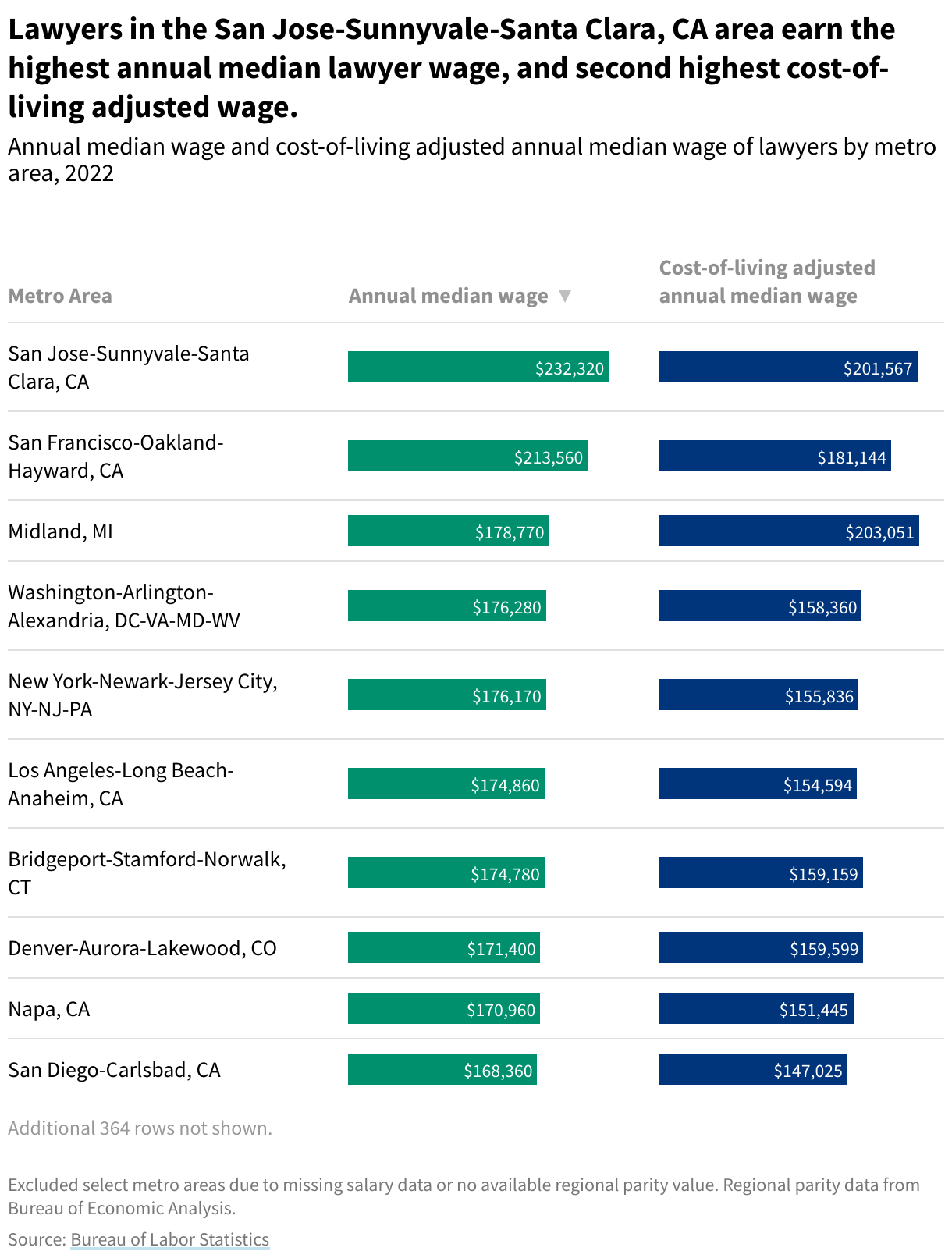
Finally, geographic location within California profoundly impacts salary. As we will explore further, legal professionals in major economic hubs like San Francisco or Los Angeles typically earn more than their counterparts in less urbanized areas. This differential, however, is often offset by the astronomically higher cost of living in these metropolitan centers, meaning a higher nominal salary doesn’t always translate to a proportionally richer lifestyle or more frequent travel.
Average Salaries Across Different Career Stages
Let’s look at some generalized salary ranges, keeping in mind these are approximations and can vary greatly:
- Entry-Level Lawyers (0-3 years experience): For new graduates, especially those joining large firms in major cities, starting salaries can range from $180,000 to $225,000 or even higher. These impressive figures immediately enable a comfortable lifestyle, though often at the cost of demanding work hours. They might start thinking about their first significant international trip or frequent weekend getaways within California, perhaps to Napa Valley or Lake Tahoe. In smaller firms or public service, starting salaries might be closer to $60,000 to $90,000, leading to a more conservative approach to travel and leisure.
- Mid-Career Lawyers (4-9 years experience): As lawyers gain experience, their salaries typically climb significantly. Associates in large firms can earn between $250,000 and $400,000, sometimes more with bonuses. This income level often allows for greater financial freedom, enabling more frequent and longer vacations, potentially including luxury travel to destinations like Hawaii or Europe. Mid-career attorneys in other settings might see salaries in the $100,000 to $200,000 range, still affording a very good lifestyle but perhaps requiring more strategic planning for extensive travel.
- Senior Lawyers and Partners (10+ years experience): At this stage, compensation can vary dramatically based on partnership status, book of business, and firm profitability. Partners in top firms can earn upwards of $500,000 to several million dollars annually. This level of income unlocks an unparalleled lifestyle, characterized by exclusive travel experiences, private jet charters, and multiple vacation properties. Even senior counsel in smaller firms or government roles can earn well into the six figures, providing a stable foundation for a comfortable life and regular, high-quality leisure travel.
Specialization and Its Impact on Lifestyle Travel
The choice of legal specialization isn’t merely a career path; it’s a lifestyle determinant, directly influencing not only earning potential but also the kind of work-life balance and travel opportunities a lawyer might experience. In a state as economically diverse as California, where industries range from tech giants to agriculture, the legal specializations mirror this breadth, each with its own financial implications.
High-Demand and Lucrative Practice Areas
Certain areas of law are consistently more profitable, commanding higher salaries due to their complexity, the high stakes involved, and the specialized expertise required. Lawyers specializing in corporate law, particularly mergers and acquisitions, private equity, or venture capital, often advise large corporations and startups in tech hubs like Palo Alto and Mountain View. Their high billing rates translate into substantial salaries, often well into the mid-six figures, sometimes exceeding seven figures for partners. This financial standing allows for a genuinely affluent lifestyle, characterized by frequent luxury travel, stays at five-star resorts, and the flexibility to take extended vacations. These roles often involve international clients, leading to frequent business stays in global financial centers like London or New York City, blurring the lines between work and travel experience.
Similarly, intellectual property (IP) law, especially patent litigation or prosecution for tech companies, is another highly remunerative field in California. The intricate nature of patent law and the immense value of intellectual assets mean IP lawyers are highly sought after and compensated accordingly. Their earnings often support a lifestyle that includes exploring unique cultural destinations or indulging in exclusive travel experiences. Litigation, particularly complex commercial litigation or white-collar defense, also offers substantial financial rewards for attorneys who excel in the courtroom, providing them with the means for a globe-trotting lifestyle.
Public Service and Non-Profit Roles
In stark contrast, lawyers who choose paths in public service, such as public defenders, prosecutors, or government attorneys (e.g., city attorneys, state attorneys general), generally earn significantly less than their private sector counterparts. Salaries for these roles might range from $70,000 to $150,000, depending on experience and location. While immensely rewarding in terms of societal impact, these roles typically necessitate a more modest lifestyle and a more strategic approach to travel budgeting.
For these dedicated professionals, travel might lean towards more budget-friendly adventures, exploring California’s vast state park system, or taking advantage of off-season deals for domestic trips. Non-profit lawyers, advocating for social justice, environmental causes, or civil liberties, also often work with constrained budgets, meaning their travel experiences are likely to be more focused on local attractions, camping trips, or carefully planned road trips along iconic routes like Big Sur, rather than international luxury travel. The lifestyle afforded by these specializations emphasizes community engagement and purposeful work, with leisure travel becoming a cherished, carefully planned indulgence.
Geographic Variations and the Cost of Living-Driven Lifestyle
The vast and varied geography of California plays a critical role in shaping a lawyer’s income and, consequently, their lifestyle and travel potential. The cost of living is notoriously high in certain regions, meaning that even a substantial salary might not stretch as far as one might initially assume, directly impacting disposable income for leisure and travel.
Major Legal Hubs vs. Smaller Markets
California’s major metropolitan areas are the epicenters of its legal industry and its highest earning potentials. Lawyers in cities like San Francisco and Los Angeles command the highest average salaries, particularly within large corporate firms. A senior associate or junior partner in San Francisco might earn upwards of $350,000, while a counterpart in Los Angeles could be in a similar range. San Diego, with its thriving tech and biotech sectors, also offers competitive salaries, though perhaps slightly lower than its northern and central counterparts. These high salaries allow for a sophisticated urban lifestyle, including fine dining, cultural events, and the financial freedom to pursue frequent and often international luxury travel. They might afford properties closer to the city centers, reducing commute times and freeing up more time for leisure.
However, the cost of living in these areas is exorbitant. Housing prices, in particular, are among the highest globally. A significant portion of a high salary can be consumed by rent or mortgage payments, property taxes, and general living expenses. This means that while the nominal salary is high, the real disposable income for discretionary spending, including extensive travel, might not be as vast as it appears. Lawyers in these areas often prioritize experiences, utilizing their income for exclusive weekend trips, perhaps flying to Hawaii for a quick getaway, or indulging in high-end stays in Napa Valley.
In contrast, cities like Sacramento (the state capital, with a strong government law presence) or Fresno (in the Central Valley) offer a lower cost of living but also generally lower lawyer salaries. A mid-career attorney in Sacramento might earn $120,000 to $180,000. While this is less than in San Francisco, the significantly lower housing costs and general expenses mean that the disposable income might offer a comparable, if not sometimes better, lifestyle. Travel for lawyers in these regions might involve more road trips, exploring California’s diverse landscapes like Yosemite National Park, or focusing on domestic family trips that are more budget-conscious but equally fulfilling.
Affording a California Lifestyle: Beyond the Salary
Beyond the raw numbers, the true measure of a lawyer’s financial well-being in California comes down to their ability to afford a desired lifestyle after accounting for expenses. The state’s high taxes, astronomical housing costs, and often substantial transportation expenses mean that even high earners must budget meticulously.
For some, this means making trade-offs. A lawyer might choose to live further from the city center to save on housing, accepting a longer commute, which in turn reduces time for leisure or travel planning. For others, it might mean prioritizing certain types of travel over others – perhaps one major international trip every few years instead of multiple shorter ones, or focusing on exploring California’s incredible natural beauty through camping or national park visits as a form of budget-friendly adventures. The “California lifestyle” often conjures images of beach houses and frequent trips, but for many attorneys, especially those in mid-tier firms or public service, it involves careful financial planning to balance professional demands with personal aspirations, including the yearning for enriching travel experiences.
Travel and Leisure: A Lawyer’s Lifestyle Perspective
The rigorous demands of the legal profession in California, combined with its diverse salary landscape, directly shape a lawyer’s approach to travel and leisure. For many, travel is not just a hobby but a crucial element of work-life balance, a reward for long hours, and sometimes even an inherent part of their professional role.
Business Travel and Professional Development
For lawyers in large corporate firms, particularly those dealing with international clients or complex litigation, business travel is often a significant component of their professional life. Frequent flights, stays in high-end hotels, and meals at upscale restaurants are often part of the job description, fully expensed by the firm. Attorneys might find themselves regularly flying to New York City for client meetings, attending conferences in London, or conducting depositions across the country. These business stays, while work-intensive, offer unique opportunities to experience different cities and cultures, often with amenities that resemble luxury travel. For some, these trips serve as a form of professional development and an indirect perk, enabling them to accumulate airline miles and hotel points for personal use.
Beyond client-facing travel, many lawyers attend professional conferences, seminars, and networking events. These are often held in desirable locations, offering a blend of learning, networking, and the chance to explore a new city, even if only for a few days. For an ambitious attorney, these trips are not just about work; they contribute to a broader lifestyle that values exposure and experience.
Vacationing and Work-Life Balance
The ability to take meaningful vacations is a critical indicator of a lawyer’s work-life balance and their financial success. High-earning lawyers in California often have the means to indulge in significant personal travel. This can include regular luxury travel to exotic destinations like Europe for several weeks, extended family trips to exclusive resorts, or adventurous expeditions to remote corners of the world. They might own vacation homes in scenic spots within California, such as Lake Tahoe or Napa Valley, providing easily accessible escapes. The financial freedom allows them to truly disconnect and recharge, which is essential for sustaining a high-stress legal career.
For lawyers with more moderate incomes, vacation planning requires more strategic budgeting and perhaps a focus on budget-friendly adventures. This might mean exploring California’s incredible natural parks like Yosemite or Big Sur through camping or cabin rentals, taking road trips up and down the coast, or choosing off-peak seasons for domestic travel. Weekend getaways become a vital way to break the routine without incurring excessive costs. Regardless of the budget, the goal remains the same: to find respite and enrich one’s life through new experiences, even if the scale of those experiences differs significantly.
Retirement Planning and Future Travel
Current earnings in the legal profession in California also have a profound impact on future lifestyle, particularly the ability to enjoy extensive travel during retirement. Lawyers who command high salaries and manage their finances effectively can build substantial retirement funds, allowing them to pursue lifelong travel dreams without financial constraint. This could mean circumnavigating the globe, extended stays in different countries, or frequent visits to grandchildren living abroad. The financial security gained through a lucrative legal career provides the ultimate freedom to travel as much and as often as desired in later life. Conversely, those with more modest incomes might need to plan their retirement travel more carefully, perhaps focusing on longer, fewer trips or exploring destinations that offer good value.
In conclusion, the question of “How Much Do Lawyers In California Make?” extends far beyond a simple numerical answer. It delves into the very fabric of lifestyle choices, dictating everything from daily living standards to the scope and frequency of travel experiences. From the luxury travel afforded by top-tier corporate attorneys to the budget-friendly adventures embraced by public service lawyers, income profoundly shapes how legal professionals in California navigate their careers and enjoy the world around them, making lifestyle and travel intrinsic components of their professional journey.
LifeOutOfTheBox is a participant in the Amazon Services LLC Associates Program, an affiliate advertising program designed to provide a means for sites to earn advertising fees by advertising and linking to Amazon.com. Amazon, the Amazon logo, AmazonSupply, and the AmazonSupply logo are trademarks of Amazon.com, Inc. or its affiliates. As an Amazon Associate we earn affiliate commissions from qualifying purchases.