
Embracing a lifestyle of sustainability and financial independence is becoming increasingly popular, and for many in California, this vision includes harnessing the abundant sunshine to power their homes. The decision to go solar is more than just an energy upgrade; it’s a significant lifestyle choice that promises long-term savings, environmental benefits, and a step towards energy self-sufficiency. However, before homeowners commit to this green transition, a fundamental question often arises: “How much do solar panels cost in California?” Understanding the financial investment is crucial for anyone considering this path, and it involves looking beyond the sticker price to grasp the true value and long-term implications for your home and way of life.
The Golden State stands at the forefront of renewable energy adoption, driven by progressive policies, environmental consciousness, and, of course, a generous supply of solar irradiance. This article delves into the various factors influencing solar panel costs in California, exploring typical expenses, available incentives, and how this investment aligns with a modern, sustainable lifestyle. We’ll break down the components of a solar system’s price, discuss the significant financial advantages that reduce the net cost, and offer insights into making an informed decision that enhances your quality of life.
Embracing a Sustainable California Lifestyle with Solar Energy
For many residents, the allure of California living extends beyond its vibrant culture and diverse landscapes; it embodies a commitment to innovation and environmental stewardship. Adopting solar energy isn’t just about reducing utility bills; it’s a profound statement about one’s values and a tangible step towards a greener, more sustainable future, aligning perfectly with the evolving Californian lifestyle.
The Golden State’s Drive Towards Green Living
California has long been a trailblazer in environmental policy, setting ambitious goals for renewable energy adoption and carbon reduction. This proactive stance has created a fertile ground for solar energy to flourish, making it a natural fit for the state’s progressive ethos. Homeowners here often prioritize eco-friendly choices, from purchasing electric vehicles to minimizing waste, and installing solar panels is a logical extension of this green mindset. It represents a tangible contribution to mitigating climate change, reducing reliance on fossil fuels, and supporting local clean energy initiatives. Living a truly Californian lifestyle often means living consciously, and solar power is a powerful enabler of that consciousness, offering a sense of responsibility and pride in one’s energy consumption. This commitment isn’t just governmental; it’s woven into the fabric of many communities, from Los Angeles to San Francisco, where sustainable practices are celebrated and encouraged.
Understanding Solar as a Lifestyle Investment
Viewing solar panels purely as an expenditure misses the broader picture of their impact on your lifestyle. It is, fundamentally, an investment in long-term financial stability and an enhanced quality of life. Imagine freeing yourself from the unpredictable fluctuations of utility rates, gaining greater energy independence, and having the peace of mind that comes with a lower carbon footprint. This contributes significantly to a stress-free and self-sufficient lifestyle.
Furthermore, a solar installation demonstrably increases a home’s value, appealing to a growing segment of buyers who prioritize energy efficiency and sustainability. For those planning a long-term stay in their current home, the cumulative savings over decades can be substantial, effectively paying for the system multiple times over. For those looking at future property sales, the investment translates into a more attractive asset in a competitive market. Solar energy, therefore, becomes a cornerstone of a forward-thinking, resilient, and financially astute lifestyle, offering benefits that extend far beyond the kilowatt-hours generated.
Deconstructing the Investment: What Influences Solar Panel Costs?
The cost of solar panels in California is not a single, fixed figure but rather a dynamic estimate influenced by a variety of factors. Understanding these elements is key to deciphering quotes and making an informed decision about your personal solar journey. The price can vary significantly depending on individual home characteristics, energy needs, and chosen technology.
System Size and Your Energy Needs
The most significant factor influencing cost is the size of the solar system, measured in kilowatts (kW). This size is determined primarily by your household’s average electricity consumption. A larger home with higher energy demands (e.g., extensive HVAC use, multiple electric vehicles, or large families) will require a more powerful system, which naturally translates to a higher upfront cost. Before an installer can provide an accurate quote, they will typically analyze your past utility bills (usually 12 months) to assess your annual energy usage. They will then design a system sized to offset a specific percentage of that usage, often aiming for 100% offset to maximize savings and energy independence. This tailored approach ensures you invest in a system that perfectly matches your lifestyle’s energy footprint. For instance, a small, energy-efficient home in San Diego might need a 4 kW system, while a larger residence in Sacramento with air conditioning needs might require an 8-10 kW system or more, leading to a substantial price difference.
Equipment Quality and Technology Choices
Just like with any significant purchase, the quality and type of equipment chosen play a crucial role in the overall cost. There are various brands and types of solar panels (monocrystalline, polycrystalline, thin-film), inverters (string, microinverters, power optimizers), and battery storage solutions, each with different efficiencies, warranties, and price points.
- Panels: High-efficiency panels from premium manufacturers often come with a higher price tag but can generate more power in a smaller footprint and typically offer longer performance warranties.
- Inverters: Microinverters, which optimize each panel individually, are generally more expensive than a single string inverter but offer better performance in shaded conditions and improved system monitoring.
- Battery Storage: Adding a solar battery to your system, while significantly increasing the upfront cost, enhances energy independence by allowing you to store excess solar energy for use during peak hours or power outages. This feature is particularly appealing for those seeking ultimate energy security and an uninterrupted lifestyle.
The choice between standard and premium components allows homeowners to tailor their system to their budget, performance expectations, and lifestyle priorities, whether it’s maximizing long-term savings or achieving complete energy resilience.
Installation Complexity and Labor in California
The intricacies of installation can also impact the final price. Factors such as roof type (e.g., tile roofs are more labor-intensive than asphalt shingles), roof pitch and accessibility, the structural integrity of the roof, and the need for electrical panel upgrades can all add to installation costs. Older homes, or those with complex rooflines, may require more specialized labor and materials. Additionally, labor costs in California can be higher than in other states due to the state’s prevailing wages and high cost of living, particularly in metropolitan areas like San Francisco and Los Angeles. Permitting and interconnection fees, which vary by municipality and utility provider (such as Pacific Gas and Electric Company or Southern California Edison), also contribute to the overall expense. While these factors might seem like minor details, collectively they can significantly influence the final cost of your solar system.
The Financial Landscape: Costs, Incentives, and Long-Term Savings
While the initial investment in solar panels might appear substantial, California’s supportive environment, coupled with federal programs, significantly reduces the net cost and accelerates the return on investment. Understanding these financial dynamics is essential for any homeowner considering the solar lifestyle.
Average Upfront Costs in California
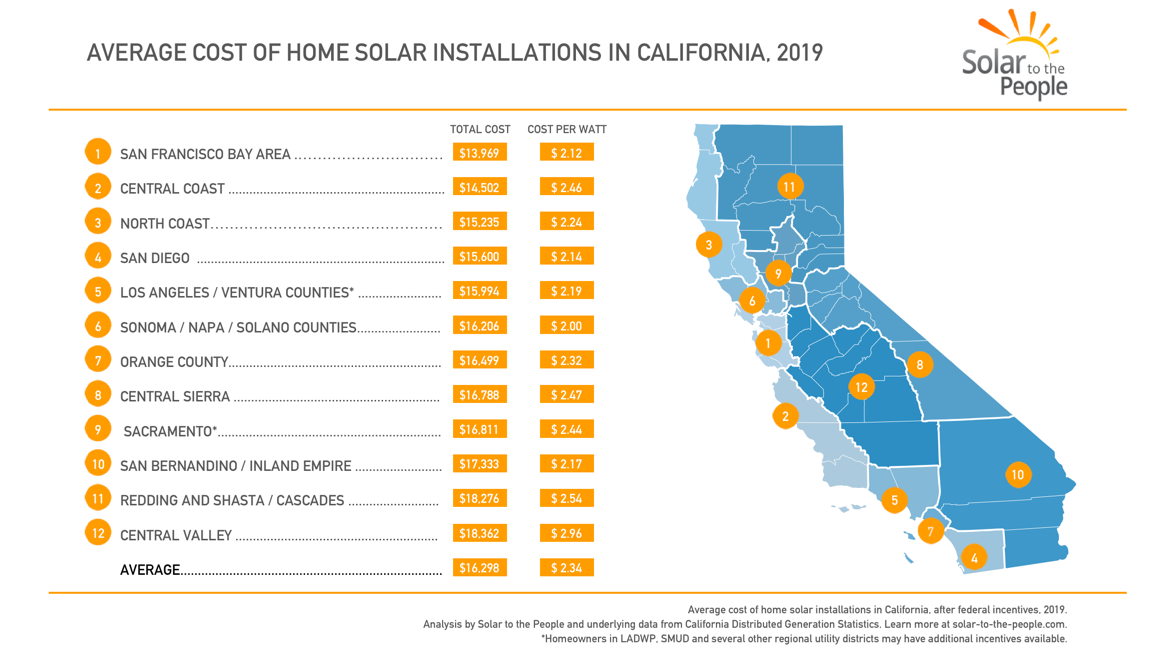
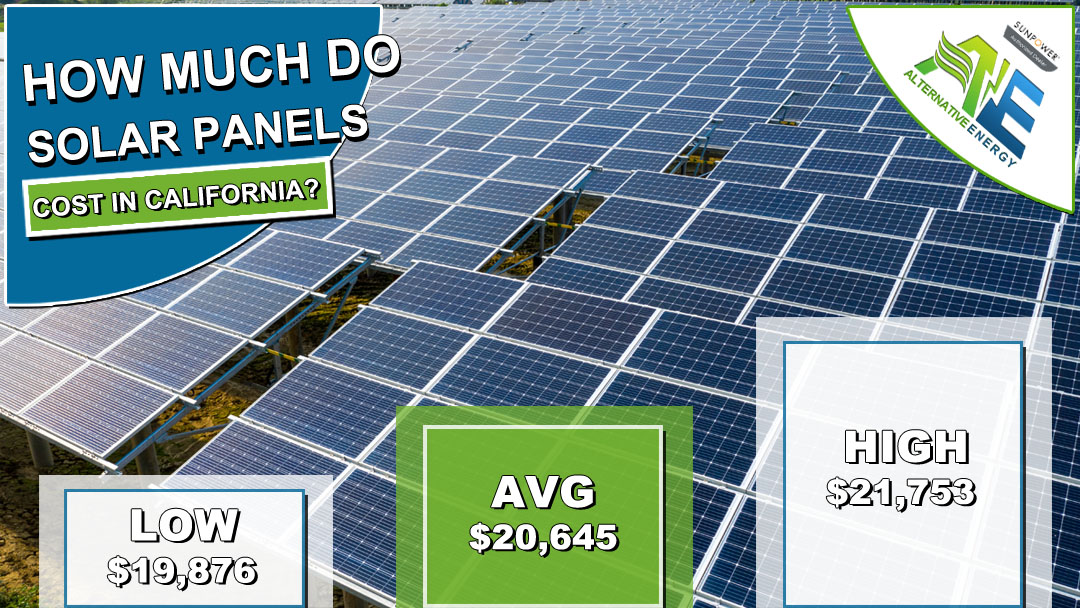
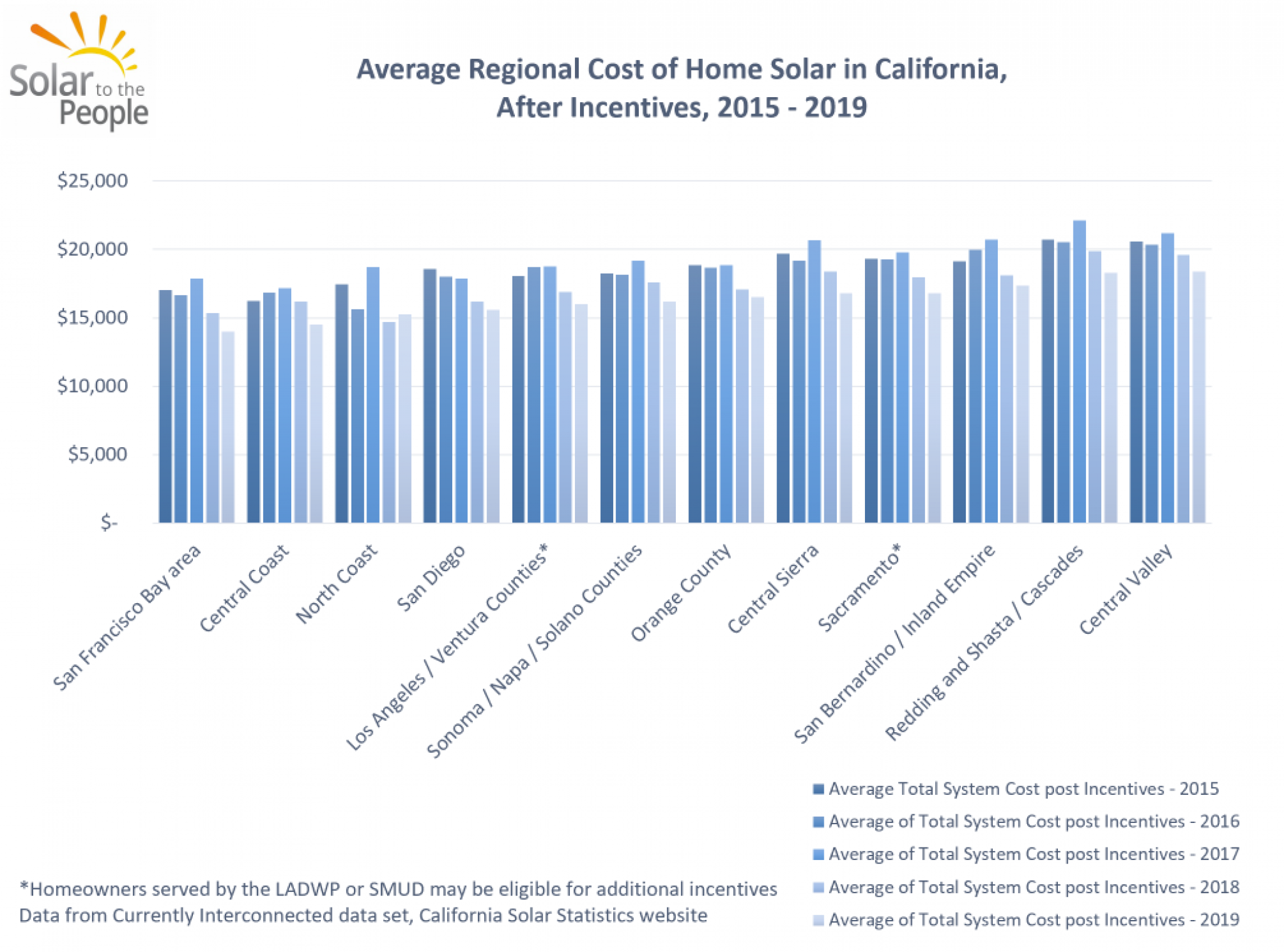
Before incentives, the average cost to install solar panels in California typically ranges from $2.50 to $3.50 per watt. For a standard 6 kW to 8 kW residential system, this translates to an unincentivized gross cost of approximately $15,000 to $28,000. It’s important to remember that these are averages, and your specific quote will depend on the factors mentioned above. This upfront cost includes everything from the panels and inverters to mounting hardware, wiring, labor, permitting, and interconnection fees. While this figure might seem considerable, it’s only one part of the financial equation, as powerful incentives dramatically lower the actual out-of-pocket expense, making the sustainable lifestyle more attainable.
Federal and State Incentives: Making Solar More Accessible
The true cost of solar panels is often significantly lower than the gross price, thanks to robust incentive programs designed to encourage renewable energy adoption.
- Federal Investment Tax Credit (ITC): The most substantial incentive is the Federal Investment Tax Credit (ITC), which allows homeowners to claim a percentage of the total solar system cost as a credit against their federal income taxes. As of late 2023, this credit stands at 30%, effectively reducing the system cost by nearly a third. This is a dollar-for-dollar reduction in your tax liability, not just a deduction.
- Net Energy Metering (NEM): While not an upfront discount, Net Energy Metering (NEM) is a critical policy in California that allows solar owners to send excess electricity generated by their panels back to the grid in exchange for credits on their utility bills. This mechanism effectively turns your meter backward during periods of high production, significantly reducing or even eliminating your monthly electricity costs and maximizing your system’s financial return. California recently updated its Net Energy Metering (NEM 3.0) policy, which altered how compensation is structured, making battery storage increasingly attractive for maximizing savings.
- Local Programs and Property Tax Exemptions: Some local municipalities or utility companies may offer additional rebates or incentives. Furthermore, California law exempts the added value a solar system brings to your home from property tax assessments, meaning you won’t pay higher property taxes for your solar upgrade – a significant ongoing financial benefit that reinforces the lifestyle appeal of solar ownership.
After applying the Federal Investment Tax Credit, the net cost for the same 6 kW to 8 kW system typically falls into the range of $10,500 to $19,600, making solar a far more accessible and attractive lifestyle investment.
Calculating Your Return on Investment and Lifestyle Benefits
The Return on Investment (ROI) for solar panels in California is generally excellent, with payback periods typically ranging from 5 to 10 years, depending on your energy consumption, system size, and local electricity rates. After the payback period, the electricity generated by your panels is essentially free, leading to tens of thousands of dollars in savings over the system’s 25+ year lifespan. This financial freedom translates directly into lifestyle enhancements, allowing homeowners to redirect funds towards other priorities, whether it’s travel, education, or simply enjoying more of what California has to offer. Beyond the monetary savings, the lifestyle benefits are equally compelling: increased home value, reduced carbon footprint, greater energy independence, protection against rising electricity rates, and the satisfaction of contributing to a sustainable future. These intrinsic rewards are invaluable to those who prioritize a responsible and forward-thinking way of life.
Choosing the Right Path for Your California Home and Lifestyle
Embarking on the solar journey is a significant decision, and selecting the right financing, provider, and long-term strategy is paramount to ensuring a successful and rewarding experience that aligns with your lifestyle.
Navigating Financing Options
Several financing options are available for California homeowners looking to go solar, each with its own benefits and considerations:
- Cash Purchase: This option offers the highest Return on Investment (ROI) and maximizes the savings potential, as you own the system outright and benefit fully from all incentives. It’s ideal for those with readily available funds and a desire for immediate energy independence.
- Solar Loan: Many homeowners opt for a solar loan, which allows them to purchase the system with little or no money down. The monthly loan payments are often offset by the savings on utility bills, making solar accessible without a large upfront capital expenditure. This option also allows homeowners to claim the Federal Investment Tax Credit and other incentives.
- Power Purchase Agreement (PPA) or Solar Lease: Under a PPA or lease, a third-party company owns, installs, and maintains the solar system on your roof. You then pay a fixed monthly fee (lease) or purchase the generated electricity at a set rate (PPA), which is typically lower than utility rates. While these options require no upfront cost and include maintenance, homeowners don’t own the system and therefore don’t qualify for the Federal Investment Tax Credit or the full appreciation in home value. This can be a good option for those seeking immediate savings without the long-term ownership commitment.
The best financing option depends on your financial situation, lifestyle goals, and how much ownership and responsibility you desire for your solar system.
Selecting a Reputable Solar Provider
The quality of your solar installation is only as good as the company performing it. Choosing a reputable and experienced solar provider in California is critical for a smooth installation process, optimal system performance, and reliable post-installation support. Look for companies with:
- Strong Track Record: Check their longevity in the business, customer reviews, and project portfolios.
- Certifications and Licensing: Ensure they are properly licensed, bonded, and insured, and that their installers are certified.
- Comprehensive Warranties: Reputable installers offer robust warranties on both equipment (panels, inverters) and workmanship, providing peace of mind for decades to come.
- Transparent Quoting: A good provider will offer a detailed quote that breaks down all costs, estimated savings, and explains the chosen equipment and system design.
- Local Expertise: A company with deep knowledge of California’s specific permitting processes, utility regulations (like Net Energy Metering), and climate considerations will ensure a more efficient and compliant installation.
Don’t hesitate to get multiple quotes and ask probing questions to ensure you’re comfortable with your chosen partner in your sustainable lifestyle journey.
Long-Term Maintenance and Maximizing Your Solar Lifestyle
Once installed, solar panels are remarkably low-maintenance, designed to operate efficiently for 25 years or more. Routine maintenance typically involves occasional cleaning (especially in dusty areas or if near trees) to remove dirt, leaves, or bird droppings that could impede sunlight absorption. Most modern systems come with monitoring apps that allow you to track your energy production in real-time, helping you identify any potential issues quickly.
To truly maximize your solar lifestyle, consider integrating other energy-efficient practices into your home:
- Energy-Efficient Appliances: Upgrade to appliances with high energy star ratings.
- Smart Home Technology: Utilize smart thermostats and lighting to optimize energy usage.
- Battery Storage: As discussed, adding battery storage can further enhance energy independence, especially with updated Net Energy Metering policies, allowing you to store excess solar energy for use during peak demand or power outages. This provides an unparalleled level of energy security and peace of mind for your daily life.
Investing in solar panels in California is an investment in a smarter, more sustainable, and financially resilient lifestyle. By understanding the costs, leveraging available incentives, and partnering with the right professionals, homeowners can confidently transition to clean energy, enjoying both environmental benefits and substantial long-term savings for decades to come.
LifeOutOfTheBox is a participant in the Amazon Services LLC Associates Program, an affiliate advertising program designed to provide a means for sites to earn advertising fees by advertising and linking to Amazon.com. Amazon, the Amazon logo, AmazonSupply, and the AmazonSupply logo are trademarks of Amazon.com, Inc. or its affiliates. As an Amazon Associate we earn affiliate commissions from qualifying purchases.