
Navigating periods of unemployment can be one of life’s most challenging experiences, impacting not just your financial stability but also your overall lifestyle and well-being. For residents of the Golden State, understanding the intricacies of unemployment benefits is crucial for maintaining a sense of equilibrium and planning for the future. This comprehensive guide will demystify the California unemployment insurance system, helping you grasp how much you might receive and how to effectively manage your lifestyle during this transitional phase. Our aim is to provide professional, insightful, and engaging information to empower you in making informed decisions about your financial and personal well-being.
Understanding California Unemployment Benefits: An Overview for Your Lifestyle
When facing job loss, the first concern for many is often how to cover essential living expenses. California’s Unemployment Insurance (UI) program is designed precisely for this purpose: to provide a temporary financial safety net that helps bridge the gap between jobs. It’s a crucial resource that can significantly impact your lifestyle during a period of professional transition, offering a degree of stability when your income stream is interrupted.
The Role of Unemployment Insurance (UI) in Maintaining Your Lifestyle
Unemployment Insurance is a joint state and federal program that provides monetary benefits to eligible workers who are unemployed through no fault of their own. It’s not charity but an earned benefit, funded by taxes paid by employers. For individuals, UI benefits are more than just a check; they represent a vital tool for maintaining daily living standards, from housing and food to utilities and healthcare. Understanding this foundational role is the first step in incorporating UI into your temporary financial plan, allowing you to sustain your lifestyle as much as possible while you seek new employment opportunities in vibrant cities like Los Angeles, San Francisco, or San Diego.
Who Oversees Benefits in the Golden State?
In California, the Employment Development Department (EDD) is the state agency responsible for administering the Unemployment Insurance program. The EDD handles everything from processing applications and determining eligibility to calculating benefit amounts and distributing payments. Their website serves as the primary portal for applicants to file claims, certify for benefits, and access a wealth of information. Familiarizing yourself with the EDD’s resources and processes is paramount for a smooth and efficient experience, ensuring you can quickly access the support you need to manage your lifestyle.
Impact on Daily Living and Financial Planning
Receiving unemployment benefits necessitates a shift in your daily living and financial planning. While benefits provide a cushion, they typically replace only a portion of your regular income, making careful budgeting an absolute must. This period can be an opportune time to reassess your spending habits, prioritize essential expenditures, and explore more budget-friendly lifestyle choices. Whether it’s opting for more home-cooked meals, exploring free local attractions instead of paid entertainment, or scrutinizing subscription services, every adjustment contributes to extending the reach of your benefits and maintaining your financial stability until you re-enter the workforce.
Calculating Your Weekly Benefit Amount (WBA): What to Expect for Your Budget
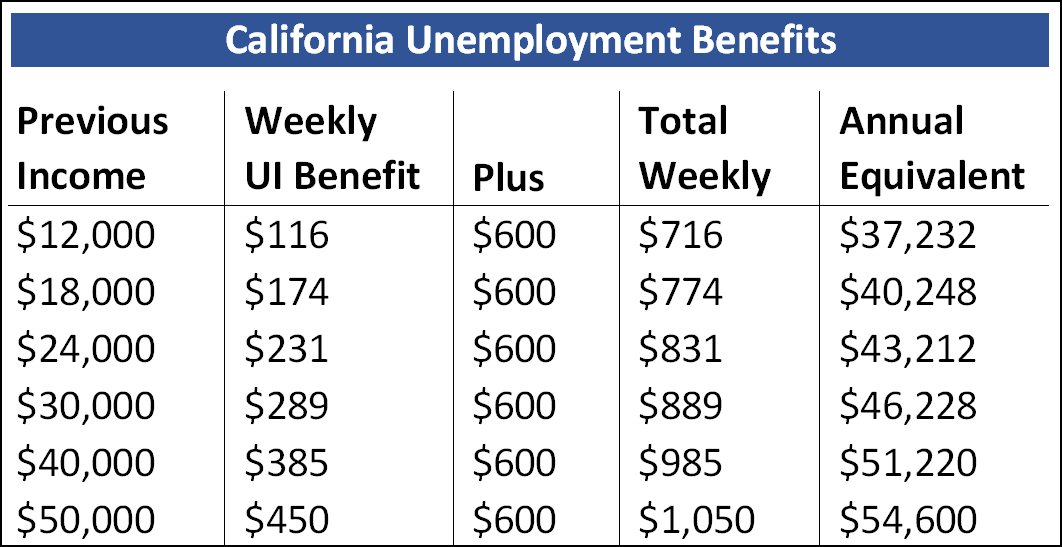
The most pressing question for many is, “How much will I actually receive?” In California, your Weekly Benefit Amount (WBA) is not a fixed sum but rather a calculation based on your past earnings. This personalized approach means that while there are minimum and maximum benefit limits, your specific payout will reflect your employment history, directly influencing your budget and lifestyle planning during unemployment.
The Base Period Explained: How Your Past Earnings Determine Your Future Benefits
To calculate your WBA, the EDD looks at your wages during a “base period.” This base period is a specific 12-month timeframe that precedes your claim filing date. Generally, it refers to the first four of the last five completed calendar quarters before the quarter in which you filed your claim. For instance, if you file a claim in April, May, or June (the second calendar quarter), your base period would be the four calendar quarters starting with October 1 of two years prior and ending September 30 of the previous year. Your earnings during this base period are critical, as they form the foundation for your benefit calculation. The more you earned within this period, up to a certain threshold, the higher your potential WBA will be.
The California Benefit Formula: From Wages to Weekly Payout
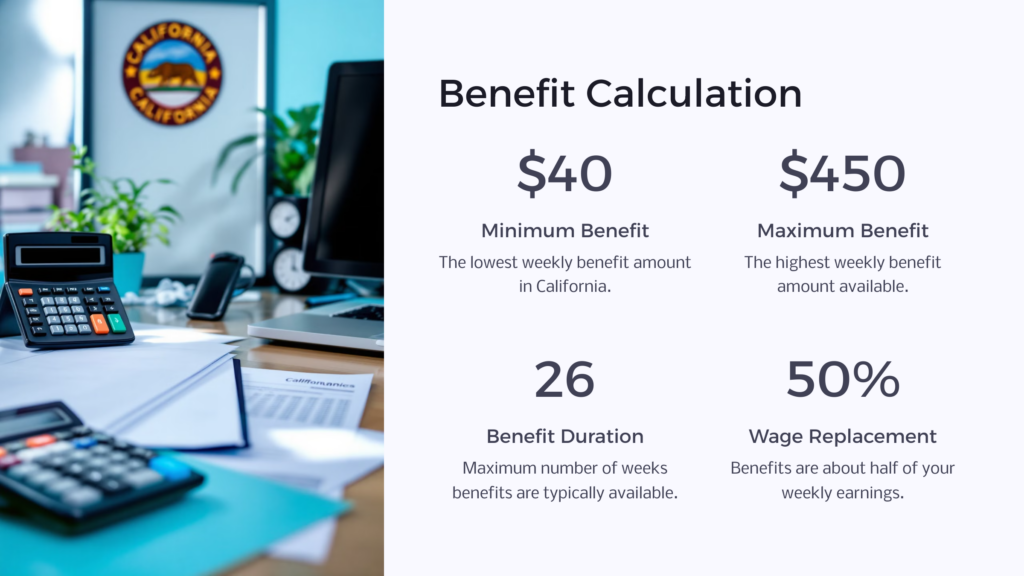
The formula California uses to determine your WBA is designed to provide a percentage of your average weekly wages during your highest-earning quarter in the base period. Specifically, your WBA is approximately 1/26th of your wages in your highest-earning quarter of the base period. There are minimum and maximum thresholds for these benefits. For example, if your highest quarterly earnings were $7,500, your WBA would be calculated as $7,500 / 26, which is approximately $288.46. The EDD uses a chart to finalize these amounts, rounding to the nearest dollar. Understanding this formula allows you to estimate your potential benefits, which is vital for constructing a realistic budget.
Understanding Your Potential Maximum and Minimum Benefits
California sets both a minimum and a maximum weekly benefit amount. As of the most recent updates, the minimum WBA is $40, and the maximum WBA is $450. This means that regardless of how low your earnings were during your base period (as long as you meet the minimum total earnings requirement), you wouldn’t receive less than $40 per week. Conversely, even if your earnings were exceptionally high, you would not receive more than $450 per week. These limits are important for your financial planning, as they define the upper and lower bounds of the temporary income you can expect to support your lifestyle during your job search in cities like Sacramento or Fresno.
Eligibility and Application Process: Navigating the System for Lifestyle Stability
Grasping the benefit calculation is just one piece of the puzzle; knowing if you’re eligible and how to apply is equally important for accessing the financial support needed to maintain lifestyle stability. The application process, while straightforward, requires attention to detail and a clear understanding of the requirements.
Key Eligibility Requirements: Are You Qualified?
To qualify for California UI benefits, several conditions must be met. Primarily, you must be unemployed through no fault of your own (e.g., laid off due to lack of work, not fired for misconduct). You must also have earned sufficient wages during your base period, meet certain wage thresholds, and be physically able to work, available for work, and actively seeking suitable employment. If you quit your job, you may still be eligible if you had “good cause” for leaving. Understanding these core criteria before applying can save you time and prevent unnecessary complications, ensuring you meet the prerequisites for the financial cushion that supports your lifestyle.
The Step-by-Step Application Journey
The application for California UI benefits is primarily handled online through the EDD’s website. The process typically involves creating an account, providing personal information, details about your last employer and job, and your work history for the past 18 months. You will need information such as your Social Security number, driver’s license number, previous employer’s name, address, phone number, and dates of employment. Providing accurate and complete information is crucial to avoid delays. After filing, the EDD will review your claim and may contact your previous employer. They will then send you a Notice of Unemployment Insurance Award, detailing your WBA and the total amount of benefits you could receive.
Maintaining Eligibility and Certification: Staying Compliant
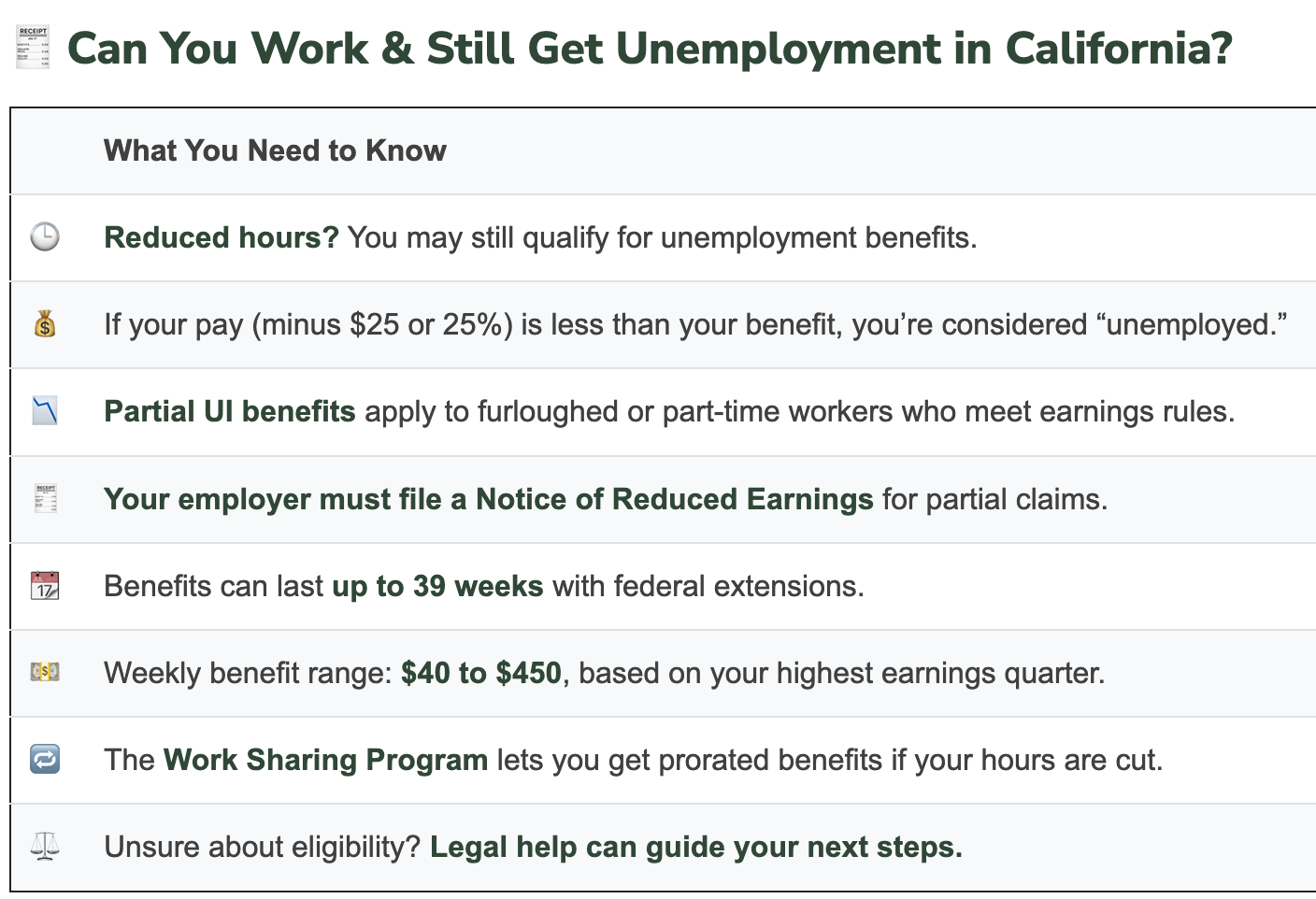
Receiving benefits isn’t a one-time event; it requires ongoing compliance. To continue getting paid, you must “certify” for benefits, usually every two weeks. This involves answering questions about your availability for work, any earnings you had, and your job search efforts during that period. You must remain actively engaged in searching for work and be willing to accept suitable employment. Failure to certify or accurately report information can lead to delays, penalties, or even disqualification. Consistent and honest reporting is essential for a continuous flow of benefits, helping you manage your lifestyle without interruptions.
Maximizing Your Benefits and Managing Your Lifestyle During Unemployment
Receiving unemployment benefits provides a critical lifeline, but managing this temporary income effectively is key to navigating the period successfully. Maximizing your benefits means understanding how they interact with other income sources, while smart lifestyle management ensures your resources last.
Smart Budgeting Strategies for an Unemployment Period
During unemployment, your income is likely reduced, making strategic budgeting more important than ever. Start by creating a detailed budget that tracks all income (including UI benefits) and expenses. Categorize spending into essential (housing, food, utilities, healthcare) and non-essential (entertainment, dining out, subscriptions). Look for areas to cut back significantly. This might mean pausing gym memberships, cancelling streaming services, or temporarily postponing non-urgent purchases. Consider a “no-spend” challenge for certain days or weeks to gain control. Focusing on necessity and reducing discretionary spending is a cornerstone of maintaining your lifestyle within the new financial parameters.
Exploring Additional Resources and Support Systems
Unemployment benefits are just one component of the support network available. Explore additional resources such as workforce development programs offered through California’s America’s Job Center of California (AJCC) locations, which can assist with job search skills, resume building, and career counseling. Community organizations often provide assistance with food, utilities, or housing. Don’t hesitate to reach out to family or friends for emotional support, and consider exploring free or low-cost mental health resources, as unemployment can be a significant source of stress. Leveraging these additional systems can provide holistic support, extending your financial reach and bolstering your overall well-being.
Maintaining Well-being and Mental Health
The impact of unemployment extends beyond finances; it profoundly affects mental and emotional well-being. Prioritize self-care during this period. Maintain a routine, engage in physical activity, ensure adequate sleep, and pursue hobbies that bring you joy, even if they are budget-friendly. Stay connected with your social network, and consider volunteering as a way to stay active, gain new skills, and contribute to your community. This proactive approach to mental and emotional health is crucial for resilience, helping you approach your job search with a positive outlook and maintain a balanced lifestyle amidst uncertainty.
Long-Term Lifestyle Planning: Moving Beyond Unemployment in California
While unemployment benefits provide temporary relief, the ultimate goal is to transition back to stable employment and secure your long-term lifestyle. This phase involves proactive job searching, financial recovery, and adapting lessons learned to build greater resilience for the future.
Transitioning Back to Work: Job Search Tips and Career Development
Your primary focus during unemployment should be on finding new employment. Treat your job search as a full-time job. Network extensively, update your resume and LinkedIn profile, and tailor applications to specific roles. Utilize online job boards and professional networking sites. Consider upskilling or reskilling through online courses or community college programs; many are free or low-cost and can significantly enhance your employability. Engaging with career counselors at AJCC centers can also provide invaluable guidance. The sooner you secure re-employment, the quicker you can restore your income and return to your desired lifestyle.
Financial Recovery and Future Security
Once re-employed, a crucial step is to rebuild your financial security. Start by replenishing any emergency savings that might have been depleted. Re-evaluate your budget, considering your new income, and continue practicing the frugal habits you might have adopted during unemployment. Consider consulting with a financial advisor to create a long-term plan that includes debt reduction, retirement planning, and investment strategies. Building a robust financial foundation ensures you are better prepared for any future economic uncertainties, providing lasting peace of mind and supporting a more resilient lifestyle.
Adapting Your Lifestyle for Future Success
The experience of unemployment can offer valuable insights into your spending habits, priorities, and resilience. Take these lessons forward. Perhaps you discovered the joy of budget travel within California’s beautiful state parks or learned the value of a strong emergency fund. Integrate these learnings into your permanent lifestyle. Develop habits that foster continuous learning and professional growth, ensuring you remain adaptable in an ever-changing job market. By proactively adapting your lifestyle and financial strategies, you can emerge from unemployment not just employed, but stronger, wiser, and better equipped for sustained success and well-being.
LifeOutOfTheBox is a participant in the Amazon Services LLC Associates Program, an affiliate advertising program designed to provide a means for sites to earn advertising fees by advertising and linking to Amazon.com. Amazon, the Amazon logo, AmazonSupply, and the AmazonSupply logo are trademarks of Amazon.com, Inc. or its affiliates. As an Amazon Associate we earn affiliate commissions from qualifying purchases.