
The role of a Licensed Vocational Nurse (LVN) is critical within the healthcare ecosystem, providing essential patient care under the supervision of registered nurses and doctors. For individuals considering a career in nursing, or current LVNs looking to relocate, understanding earning potential is paramount, especially in a state with a high cost of living like California. This comprehensive guide explores the salary landscape for LVNs in California, detailing average earnings, influential factors, and the impact on one’s lifestyle.
The Role and Demand for LVNs in California’s Healthcare Sector
Licensed Vocational Nurses in California play a vital role in delivering direct patient care across various medical settings. Their responsibilities are diverse, encompassing everything from administering medications, monitoring vital signs, and performing wound care to educating patients and their families on health management. The scope of practice for an LVN in California is defined by the California Board of Vocational Nursing and Psychiatric Technicians (BVNPT), ensuring a standardized level of competency and care.
The demand for LVNs in California remains robust, driven by an aging population, the expansion of healthcare services, and a persistent need for qualified nursing professionals. Hospitals, skilled nursing facilities, home health agencies, and outpatient clinics all rely heavily on LVNs to maintain quality patient care. This consistent demand contributes to a stable job market and competitive salaries for vocational nurses across the state. The growth in the healthcare sector, particularly in long-term care and home health services, further solidifies the LVN position as a cornerstone of patient support. As technology advances and healthcare becomes more specialized, the adaptable nature of LVNs allows them to integrate into various teams, making them indispensable.
What an LVN Does
LVNs are frontline caregivers, executing a range of tasks that directly impact patient outcomes and comfort. Their daily duties can include:
- Basic Patient Care: Taking vital signs, assisting with personal hygiene, and ensuring patient comfort.
- Medication Administration: Administering oral, topical, and injectable medications as prescribed.
- Wound Care: Cleaning and dressing wounds, observing for signs of infection.
- Patient Monitoring: Observing changes in patient conditions and reporting to RNs or physicians.
- Documentation: Maintaining accurate patient records and charting observations.
- Patient Education: Providing instructions and support to patients and their families regarding health maintenance and treatment plans.
Demand for LVNs in California
The healthcare industry in California is dynamic and continually expanding. According to the Bureau of Labor Statistics (BLS), the employment of licensed practical and licensed vocational nurses is projected to grow faster than the average for all occupations. This growth is especially pronounced in California due to its large and diverse population, increasing prevalence of chronic conditions, and the ongoing need for elder care services. Facilities across metropolitan areas like Los Angeles and San Francisco, as well as more rural communities, actively seek skilled LVNs, ensuring ample job opportunities.
Average LVN Salary in California
California is known for offering some of the highest salaries for LVNs in the United States, largely due to its high cost of living and strong demand for healthcare professionals. Understanding the statewide averages provides a baseline, but it’s crucial to acknowledge the significant variations that exist.
Statewide Averages
Based on data from the Bureau of Labor Statistics, the median annual salary for LVNs in California typically falls significantly above the national average. While exact figures fluctuate year by year, LVNs in California can expect an average annual salary often exceeding $60,000, with many earning considerably more depending on their specific circumstances. Some sources report averages closer to $70,000 or even higher. It’s important to cross-reference data from multiple reputable sources, such as the BLS, salary aggregators, and professional nursing associations, for the most current figures.
Hourly vs. Annual Earnings
Most LVNs are paid hourly, which can be beneficial for those who work overtime.
- Hourly Wage: The hourly rate for an LVN in California often ranges from $28 to $35, but it can reach $40 or more for experienced nurses in high-demand areas or specialized roles. This hourly flexibility allows LVNs to potentially increase their earnings through additional shifts.
- Annual Salary: Based on a standard 40-hour work week, an hourly wage of $30 translates to an annual salary of approximately $62,400. However, factors like overtime, shift differentials (for nights, weekends, or holidays), and bonuses can push the annual earnings higher. Many LVNs appreciate the option to pick up extra shifts, which directly impacts their annual take-home pay and, consequently, their lifestyle choices.
Factors Influencing LVN Salary
Several variables play a significant role in determining an LVN’s salary in California. Understanding these factors can help aspiring and current LVNs strategically navigate their careers to maximize their earning potential.
Geographic Location
The golden rule of real estate, “location, location, location,” also applies to nursing salaries. California’s diverse geography presents vast differences in cost of living and, subsequently, salary ranges.
- Major Metropolitan Areas: Cities such as San Francisco, San Jose, Oakland, and Los Angeles typically offer the highest salaries to compensate for their extraordinarily high cost of living, particularly housing. LVNs in the San Francisco Bay Area, for instance, might earn 10-20% more than the state average.
- Southern California: Regions like San Diego and Orange County also offer competitive wages, though sometimes slightly lower than the Bay Area, balanced by a still-high but potentially more manageable cost of living. The Inland Empire (encompassing cities like Riverside and San Bernardino) may see slightly lower wages compared to coastal metro areas but often offers a lower cost of living in return.
- Central Valley and Rural Areas: Cities like Fresno, Bakersfield, and Sacramento often have lower average salaries than the major coastal hubs, but these areas also boast a significantly lower cost of living, which can translate into a comparable or even better quality of life and purchasing power.

Experience Level
As with most professions, experience is a significant driver of salary growth for LVNs.
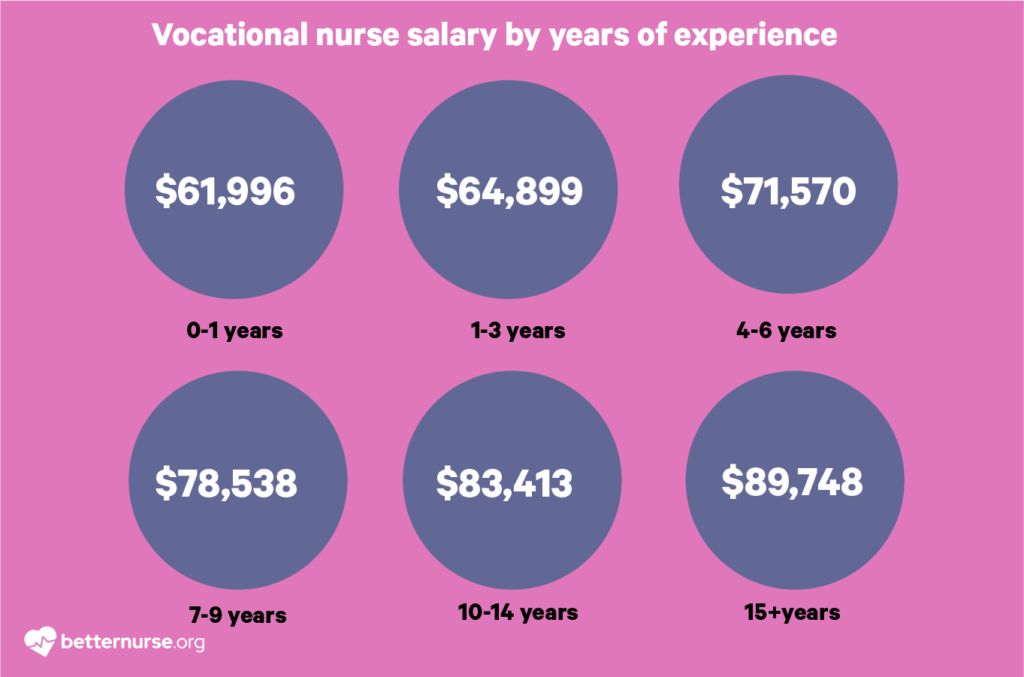
- Entry-Level LVNs: New graduates or those with less than two years of experience will typically start at the lower end of the salary spectrum.
- Mid-Career LVNs: With 2-5 years of experience, LVNs can expect a noticeable increase in earnings as they gain proficiency and take on more complex responsibilities.
- Experienced LVNs: Those with five or more years of experience, especially those who have developed specialized skills or taken on leadership roles, command the highest salaries. Their expertise is highly valued, particularly in critical care or specialized clinics.
Employer Type and Specializations
The type of healthcare facility an LVN works for, and any specializations they hold, can also impact their paycheck.
- Hospitals: Often offer some of the most competitive salaries, along with comprehensive benefits packages.
- Skilled Nursing Facilities/Long-Term Care: These facilities are major employers of LVNs and offer solid, though sometimes slightly lower, compensation.
- Home Health Agencies: Pay can vary widely but can be very competitive, especially for nurses willing to travel to patients’ homes.
- Outpatient Clinics/Physician Offices: Salaries in these settings may be slightly lower but often come with more predictable hours.
- Specializations: LVNs with specialized certifications (e.g., IV therapy, wound care, or geriatric care) or those working in niche areas like correctional facilities or psychiatric units can often command higher wages due to their specialized skill set and the unique demands of the role.
Cost of Living and Its Impact on LVN Lifestyle
While LVN salaries in California are among the highest nationally, the state’s notoriously high cost of living means that a higher nominal salary doesn’t always translate to greater disposable income or a luxurious lifestyle. Understanding this balance is crucial for LVNs planning their careers and financial futures in the Golden State.
Comparing Salary to California’s High Cost of Living
California’s cost of living is significantly above the national average, primarily driven by housing expenses.
- Housing: Renting or owning a home in major metropolitan areas like San Francisco, Los Angeles, and San Diego can consume a substantial portion of an LVN’s salary. Even in areas with lower housing costs, like the Central Valley, housing prices are still higher than the national average.
- Transportation: While public transport options exist in some cities, many areas in California require a car, adding costs for fuel, insurance, and maintenance. Long commutes are common, further impacting time and expenses.
- Daily Expenses: Groceries, utilities, and other everyday necessities also tend to be more expensive in California.
An LVN’s salary, while strong, needs careful budgeting and financial planning to maintain a comfortable lifestyle. It often means making strategic choices about where to live, how to commute, and how to manage discretionary spending. For many, living a truly “luxury” lifestyle on an LVN salary alone might be challenging, but a comfortable middle-class existence is certainly achievable with prudent financial management.
Financial Planning for LVNs in California
To thrive financially in California, LVNs should:
- Create a Detailed Budget: Understand all income and expenses, identifying areas for savings.
- Consider Location Carefully: Weigh higher salaries in expensive cities against potentially lower but still competitive salaries in more affordable regions where purchasing power might be greater.
- Maximize Benefits: Take full advantage of employer-provided health insurance, retirement plans (e.g., 401k), and other perks.
- Plan for Career Advancement: Pursue additional certifications or higher education to boost earning potential.
Career Advancement and Earning Potential
For LVNs in California, their initial licensure is often a stepping stone. The healthcare field offers numerous avenues for career advancement, which directly correlate with increased earning potential and a more robust lifestyle.
Pathways to Higher Earnings
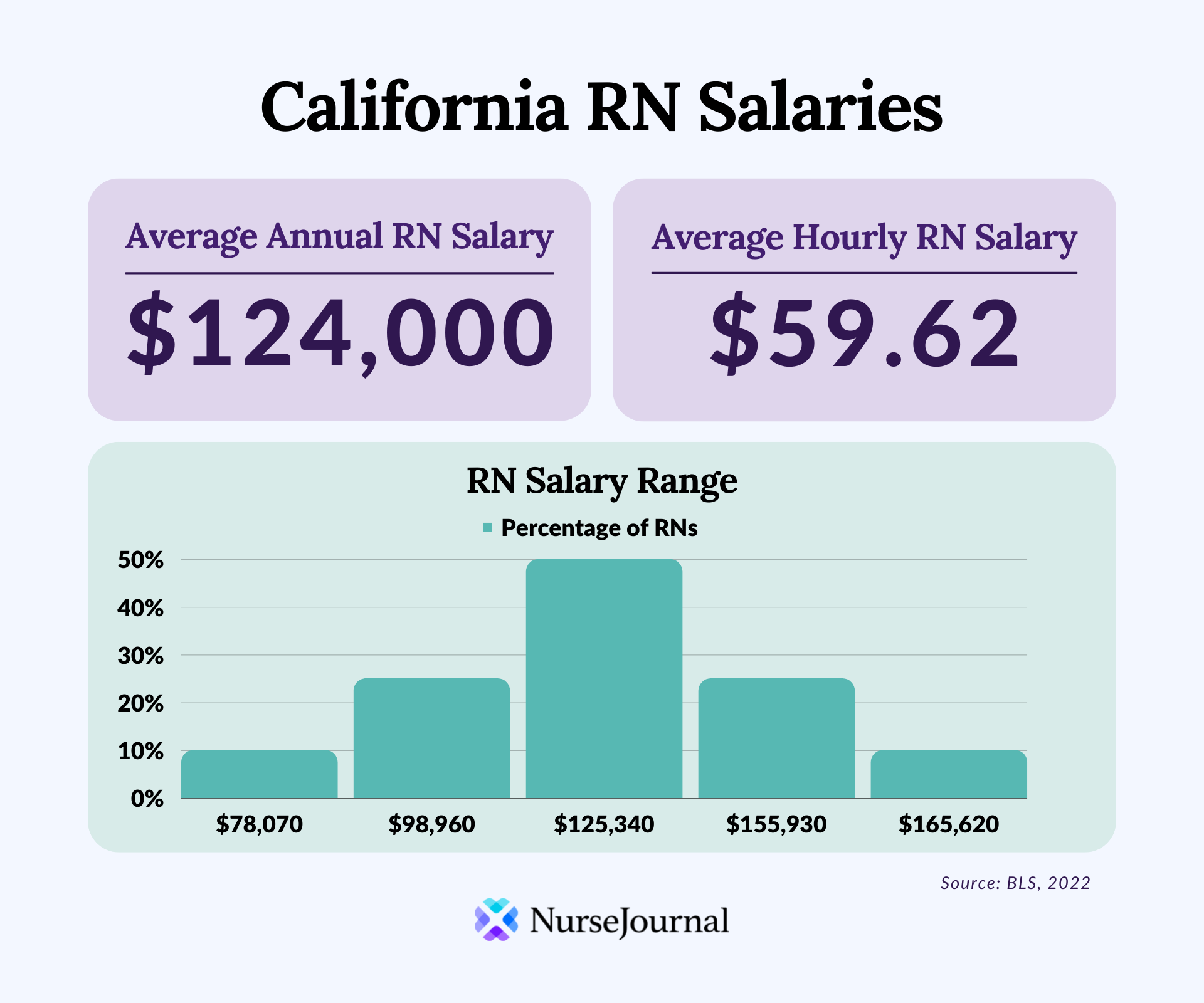
- RN to BSN Programs: Many LVNs choose to pursue further education to become a Registered Nurse (RN), and then potentially a Bachelor of Science in Nursing (BSN). This transition significantly boosts salary potential, as RNs generally earn considerably more than LVNs. Bridge programs (LVN-to-RN) are widely available across California’s community colleges and universities, making this a popular and accessible path.
- Specialized Certifications: As mentioned, certifications in areas like IV therapy, phlebotomy, wound care, or advanced cardiac life support can make an LVN more marketable and eligible for higher-paying positions.
- Leadership and Supervisory Roles: With experience, LVNs can move into supervisory or charge nurse positions, particularly in long-term care facilities, which often come with an increase in pay and responsibility.
- Travel Nursing: While not a permanent career, some experienced LVNs explore travel nursing contracts within California or other states. These short-term assignments often offer significantly higher pay rates to cover housing and relocation costs, providing a temporary boost to earnings.
Negotiating Your LVN Salary
New and experienced LVNs alike should be prepared to negotiate their salaries. Researching average salaries for similar roles in their specific geographic area and with their level of experience is crucial. Highlighting specialized skills, relevant experience, and any certifications can strengthen one’s negotiating position. Don’t underestimate the value of benefits packages, which can significantly add to the overall compensation.
Job Outlook and Growth
The job outlook for LVNs in California is positive. The state’s large population, coupled with an increasing elderly demographic requiring more extensive healthcare services, ensures a steady demand for qualified nursing professionals. This consistent growth means that LVNs entering the field or already practicing in California can anticipate job security and opportunities for professional development and increased earnings in the coming years. The ongoing evolution of healthcare practices and technology will also create new roles and necessitate continuous learning, which can further enhance an LVN’s value and earning capacity.
In conclusion, a career as a Licensed Vocational Nurse in California offers competitive salaries that, while influenced by the state’s high cost of living, can support a stable and comfortable lifestyle. Strategic career planning, continuous education, and a keen understanding of market dynamics are key to maximizing earning potential and achieving financial well-being as an LVN in the Golden State.
LifeOutOfTheBox is a participant in the Amazon Services LLC Associates Program, an affiliate advertising program designed to provide a means for sites to earn advertising fees by advertising and linking to Amazon.com. Amazon, the Amazon logo, AmazonSupply, and the AmazonSupply logo are trademarks of Amazon.com, Inc. or its affiliates. As an Amazon Associate we earn affiliate commissions from qualifying purchases.