
The crisis of homelessness in California is a multifaceted challenge, reflecting deep-seated issues of housing affordability, economic disparity, and mental health. As the state grappling with the largest unhoused population in the United States, California has been compelled to invest significant resources into addressing this complex societal problem. Understanding the sheer scale of this financial commitment, and how it translates into tangible accommodation solutions, is crucial for assessing the effectiveness of current strategies and charting a path forward. The question of “How Much Has California Spent On Homelessness?” is not merely a fiscal inquiry; it’s a profound look into the state’s efforts to provide fundamental accommodation and support for its most vulnerable residents.

The Scale of California’s Accommodation Challenge
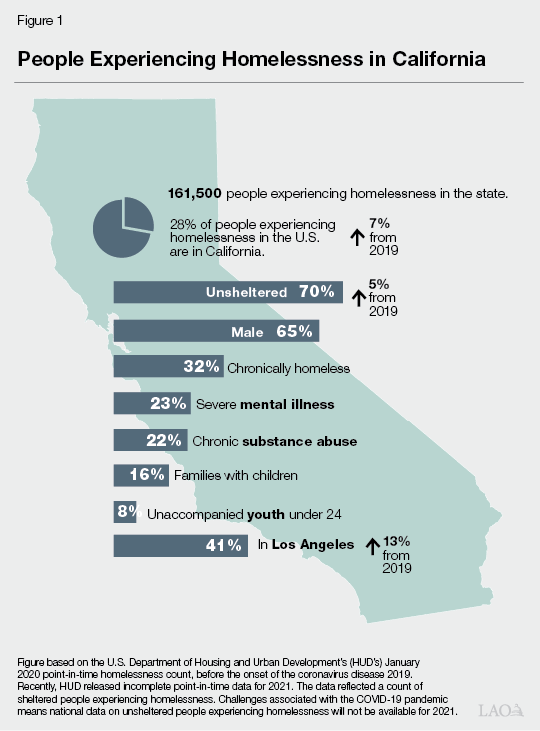
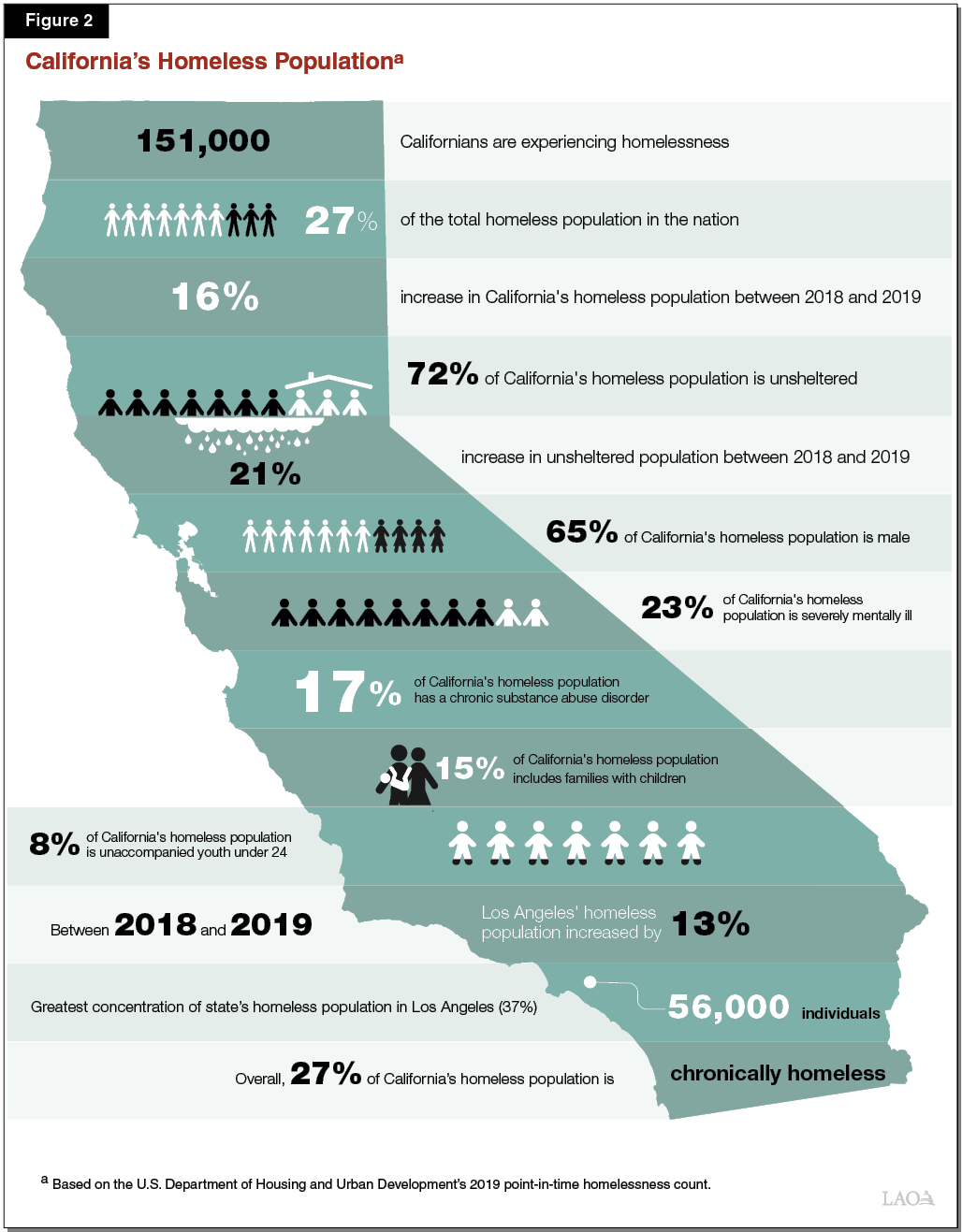
The visibility of homelessness in California’s major urban centers, from the tent encampments of Los Angeles to the streets of San Francisco, underscores a crisis of monumental proportions. This widespread lack of stable accommodation affects hundreds of thousands of individuals, each with unique needs and circumstances. The state’s vibrant economy and desirable climate ironically contribute to an acute housing shortage, driving up costs and pushing more people into precarity.
Defining Homelessness and Housing Needs
Homelessness in California is not a monolithic issue. It encompasses individuals and families living on the streets (unsheltered), those in emergency shelters or transitional housing (sheltered), and those temporarily staying with others without a permanent home. Each subgroup requires different forms of accommodation and support services. Emergency shelters provide immediate, short-term accommodation, while transitional housing offers temporary stays with supportive services aimed at moving residents towards self-sufficiency. Permanent supportive housing, a critical long-term accommodation solution, combines affordable housing with wrap-around services for individuals with chronic health conditions or disabilities. Understanding these distinctions is vital for evaluating the state’s spending, as different accommodation types entail varying costs and complexities. The sheer diversity of needs demands a comprehensive and adaptable approach to housing provision.
The Human Cost and Economic Imperative
Beyond the moral imperative, the economic consequences of homelessness are substantial. Unhoused individuals often cycle through emergency rooms, jails, and crisis services, which are far more expensive than stable accommodation paired with preventative care. Studies from organizations like the U.S. Interagency Council on Homelessness have consistently shown that investing in permanent supportive housing is not only more humane but also more cost-effective than managing the crisis on the streets. For California, this means that significant spending on accommodation solutions is not just an expenditure but an investment in public health, safety, and economic stability. The state recognizes that failure to provide adequate accommodation generates a ripple effect across all public services, ultimately burdening taxpayers more heavily in the long run.
Unpacking the Financial Commitment to Housing Solutions
Over recent years, California has dramatically escalated its financial commitment to tackling homelessness, recognizing the urgency and severity of the problem. This spending has materialized through a combination of state-level initiatives, direct funding to local jurisdictions, and strategic partnerships. The total sums involved are considerable, reflecting both the scale of the crisis and the ambition of the state’s response.
State-Level Investments and Programs
In the last five years alone, California has committed billions of dollars toward homelessness prevention and housing solutions. A key initiative has been the Homeless Housing, Assistance and Prevention (HHAP) grant program. Since its inception, HHAP has allocated billions in flexible block grants to cities, counties, and Continuums of Care across the state, empowering local entities to tailor accommodation strategies to their specific needs. For example, the first three rounds of HHAP alone distributed over $2.75 billion. Another cornerstone of the state’s accommodation strategy is Project Homekey, an innovative program launched during the COVID-19 pandemic. Project Homekey provides funding for local governments to acquire and rehabilitate hotels, motels, and other buildings, converting them into permanent housing or interim accommodation for people experiencing homelessness. This program has been highly successful in rapidly expanding the state’s supply of dignified and safe accommodation. By 2023, Project Homekey had invested over $3 billion, creating thousands of new housing units. Other significant state investments include the Homeless Emergency Aid Program (HEAP), which provided immediate, flexible funding to address urgent accommodation needs, and various housing bonds and programs managed by the Department of Housing and Community Development, all aimed at increasing the supply of affordable housing and supportive accommodation.
Local Initiatives and Funding Mechanisms
While state funding provides a crucial foundation, local governments in California also contribute significantly, often leveraging state grants with local resources. Cities like Los Angeles and San Francisco have passed local bond measures and taxes dedicated to homeless services and housing. For instance, Los Angeles County voters approved Measure H in 2017, generating hundreds of millions of dollars annually for homelessness services, including various forms of accommodation and outreach. These local funds complement state allocations, allowing for hyper-local solutions, from outreach teams connecting individuals to shelter beds to funding for new permanent supportive housing developments. The coordination between state and local efforts is critical, as local agencies are often best positioned to understand the granular needs of their unhoused populations and deploy appropriate accommodation solutions effectively.
Diverse Accommodation Strategies
California’s spending on homelessness is not funneled into a single type of solution but rather supports a diverse portfolio of accommodation strategies, each designed to address different facets of the crisis. From immediate relief to long-term stability, these approaches aim to provide a spectrum of housing options.
Emergency Shelters and Transitional Housing
A significant portion of funding goes towards maintaining and expanding emergency shelters. These facilities offer immediate, short-term accommodation, providing safety and basic necessities. While essential for crisis response, shelters are generally not considered long-term solutions. Transitional housing, on the other hand, offers more extended stays—typically 6-24 months—and includes supportive services like job training, counseling, and life skills education, helping residents transition to stable, permanent accommodation. Many HHAP grants, for example, support the operation and improvement of these critical stepping-stone accommodations, ensuring that individuals have a safe place to regroup before securing permanent housing.
Permanent Supportive Housing Models
Recognized as the most effective long-term solution for chronic homelessness, permanent supportive housing (PSH) is a major focus of California’s spending. PSH combines deeply affordable rental accommodation with voluntary, flexible support services designed to help individuals with disabling conditions maintain housing stability and improve their health and well-being. Programs like Project Homekey are central to expanding the state’s PSH inventory, converting existing buildings into permanent homes. The emphasis here is not just on providing a roof over one’s head, but on creating a stable living environment where residents can access healthcare, mental health services, and substance abuse treatment, directly tackling the underlying issues that contribute to their lack of accommodation.
Innovative Approaches: Tiny Homes and Master Leasing
Beyond traditional shelters and PSH, California has explored innovative accommodation solutions. Tiny home villages, for instance, have emerged in cities like Sacramento and Los Angeles, offering individual, dignified, and cost-effective interim accommodation. These villages often include shared facilities and supportive services, fostering a sense of community. Another strategy involves master leasing, where government agencies or non-profits lease entire buildings or blocks of units from private landlords and then sublet them to unhoused individuals, often with subsidies and supportive services. This approach allows for rapid deployment of accommodation without the lengthy construction timelines of new developments. These diverse strategies demonstrate the state’s willingness to experiment and adapt its spending to find effective and scalable ways to provide essential housing.
The Impact of Spending on Accommodation Outcomes
Despite the massive financial outlay, the visible signs of homelessness persist across California. This raises critical questions about the impact and efficacy of the spending, prompting ongoing evaluation of programs and their actual outcomes in providing stable accommodation.
Measuring Success and Challenges
Quantifying the success of homelessness spending is complex. Metrics often include the number of people placed into permanent housing, the reduction in unsheltered populations, and the improvement in health outcomes for those rehoused. While programs like Project Homekey have demonstrably created thousands of new accommodation units, the overall statewide numbers for homelessness have shown stubbornly slow declines or even increases in some areas, particularly in the Bay Area and Southern California. Challenges include the sheer scale of the housing affordability crisis, the high cost of construction in California, and the deeply entrenched systemic issues that lead to homelessness. Additionally, NIMBYism (Not In My Backyard) often hinders the development of new accommodation facilities, even when funding is available. A recent audit by the State Auditor highlighted concerns about the lack of consistent data collection and clear outcome measurements across various state programs, making it difficult to fully assess the return on investment for all the accommodation spending.
The Road Ahead: Sustainable Accommodation Solutions
Moving forward, California’s strategy for addressing homelessness and providing accommodation will require not only sustained investment but also enhanced coordination, innovative policy adjustments, and a sharper focus on prevention. This means not just funding the creation of new accommodation but also preserving existing affordable housing, implementing robust eviction prevention programs, and addressing the root causes of poverty and housing instability. Leadership from Gavin Newsom and other state officials has stressed the need for greater accountability and efficiency in how funds are allocated and utilized. The goal is to shift from a crisis management approach to a more proactive, systemic solution that ensures access to safe, stable accommodation for all residents. This will involve continued investment in diverse accommodation types, from emergency shelters to permanent supportive housing, alongside a stronger emphasis on integration with healthcare, employment, and mental health services to create truly sustainable exits from homelessness. The path to ending homelessness in California is long and challenging, but the commitment to providing adequate accommodation remains central to the state’s vision.
LifeOutOfTheBox is a participant in the Amazon Services LLC Associates Program, an affiliate advertising program designed to provide a means for sites to earn advertising fees by advertising and linking to Amazon.com. Amazon, the Amazon logo, AmazonSupply, and the AmazonSupply logo are trademarks of Amazon.com, Inc. or its affiliates. As an Amazon Associate we earn affiliate commissions from qualifying purchases.