
Embarking on a business venture in the Golden State, whether as part of a temporary “business stay” or a permanent shift in “lifestyle,” presents a myriad of opportunities and, equally, a distinct set of regulatory requirements. Among the most fundamental steps for any aspiring entrepreneur or established company looking to operate here is securing the necessary business licenses. Far from a one-size-fits-all figure, the cost of a business licence in California is a multi-faceted sum, influenced by location, industry, and business structure. Understanding these costs is paramount for effective budgeting and ensuring a legitimate, thriving presence in one of the world’s largest economies. This guide delves into the intricacies of business licensing fees across California, providing a professional and insightful overview for those navigating its vibrant business landscape.
Navigating the Golden State’s Business Landscape: Why Licences Matter
For anyone considering a “business stay” or making California their entrepreneurial home, understanding the significance of business licenses extends beyond mere compliance; it’s about establishing a foundation for a legitimate and sustainable “business lifestyle.” These licenses serve as essential gateways, signifying that a business has met specific local and state standards and is authorized to operate within a given jurisdiction. Failing to secure the appropriate permits can lead to severe penalties, including fines, legal action, and even forced closure, thereby jeopardizing the very essence of your business aspirations.
The Mandate for Legitimate Operation
At its core, a business licence is a legal requirement designed to regulate commerce, ensure consumer protection, and generate revenue for local and state governments. For entrepreneurs establishing a “business lifestyle” in California, obtaining these licenses means operating within the bounds of the law, building trust with customers, and avoiding potential legal entanglements. It’s a mark of credibility, assuring clients and partners that your operations adhere to established guidelines and ethical practices. Beyond mere legality, these mandates contribute to orderly market conduct and fair competition, protecting both businesses and consumers alike. They ensure that businesses contribute appropriately to the public services they benefit from, fostering a stable environment for economic growth and development across communities.
A Multi-Layered Requirement
The complexity of business licensing in California often surprises new entrants, primarily because it’s not a single, monolithic process. Instead, it’s a multi-layered requirement, necessitating compliance at federal, state, county, and city levels, depending on the nature and location of the business. While most businesses will not need federal licenses unless operating in highly regulated sectors (e.g., aviation, alcohol sales), virtually every business will need a state-level registration or permit, such as for sales tax, and local business tax certificates. For instance, a small consulting firm might only need a city business tax certificate, whereas a restaurant would require additional health permits from the county, liquor licenses from the state, and potentially specific zoning permits from the city. This intricate web necessitates thorough research tailored to the specific type of business and its exact geographic location within California, making proactive planning an indispensable part of a successful “business stay.”
Deconstructing the Costs: What Influences Your Licence Fee?
The question “How much is a business licence in California?” is inherently complex because there isn’t one universal fee. The cost is a dynamic variable, shaped by several key factors that reflect the diverse regulatory landscape of the state. Understanding these influences is critical for anyone planning a “business stay” or a long-term “business lifestyle” in California, as it allows for accurate financial forecasting and prevents unforeseen expenses. From state-mandated filings to hyper-local city taxes, each component adds to the overall cost, demanding a nuanced approach to budgeting.
State-Level Filing Fees and Requirements
At the state level, while there isn’t a single “business license” fee that applies to all, most businesses operating in California will incur costs related to their legal structure. For example, if you establish a corporation or a Limited Liability Company (LLC), you’ll need to file Articles of Incorporation or Organization with the California Secretary of State. These filing fees typically range from $70 to $100. Additionally, LLCs in California are subject to an annual minimum franchise tax of $800, regardless of income, which is a significant ongoing state-level cost. Sole proprietorships and general partnerships, while simpler to establish, might still require state-level permits if they engage in specific activities like selling taxable goods (requiring a Seller’s Permit from the California Department of Tax and Fee Administration, often free to obtain but with sales tax obligations). These foundational state costs are the first layer in the financial outlay for a “business stay” in California.
City and County Business Tax Certificates
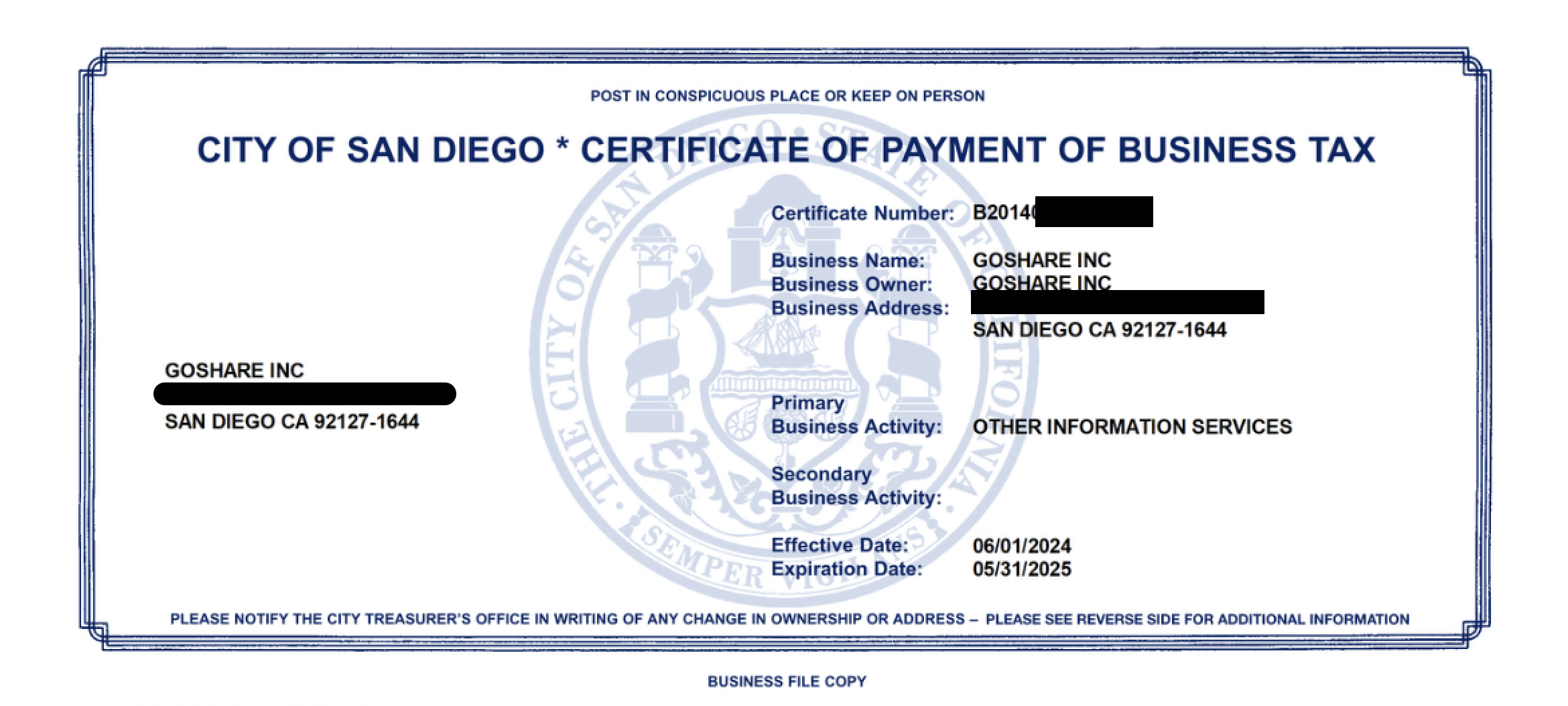
The most significant and variable costs for a business license in California typically come from local jurisdictions—cities and counties. Almost every city and county requires businesses operating within their boundaries to obtain a business tax certificate (often colloquially referred to as a business license). The fee structure for these local licenses varies wildly. Some cities charge a flat annual fee, which could be anywhere from $50 to several hundred dollars. Others base the fee on factors such as the number of employees, the projected gross receipts or annual revenue, or the square footage of the business premises. For example, a home-based business with minimal revenue might pay a relatively low flat fee, while a large retail store in a high-traffic area could face significantly higher costs due to its projected revenue or number of staff. This local variability means that a “business stay” in one part of California could have a vastly different cost profile than in another.
Industry-Specific Licences and Permits
Beyond general business tax certificates, many industries and professions require specialized licenses and permits, often incurring additional fees. These are typically issued by state boards or specific regulatory bodies to ensure public safety, environmental protection, or professional standards. Examples include:
- Healthcare Professionals: Doctors, nurses, therapists, and dentists require licenses from their respective state boards, which involve application fees, examination fees, and ongoing renewal costs.
- Construction and Contracting: Contractors need licenses from the Contractors State License Board (CSLB), with fees for applications, exams, and renewals.
- Food Service: Restaurants, cafes, and food trucks must obtain health permits from county health departments, which involve inspection fees and often annual renewal costs based on risk assessment.
- Child Care: Facilities require licenses from the Department of Social Services.
- Alcohol Sales: Businesses selling alcohol need licenses from the Department of Alcoholic Beverage Control (ABC), which can be notoriously expensive and time-consuming to obtain, with initial fees potentially reaching thousands or tens of thousands of dollars, plus annual renewals.
These industry-specific requirements add a substantial layer of cost and complexity, making it crucial for those planning a focused “business stay” to identify all necessary specialized permits early in their planning phase.
Other Potential Costs

Beyond the initial application fees, businesses in California must also factor in other potential costs that contribute to the overall expense of maintaining a legitimate “business lifestyle”:
- Renewal Fees: Most business licenses and permits are not one-time expenses. They require annual or biennial renewal, each incurring a fee. These renewal fees can be the same as the initial fee or a slightly reduced amount.
- Late Penalties: Failing to renew a license on time can result in significant late penalties, sometimes doubling or tripling the original fee, alongside potential operational disruptions.
- Fictitious Business Name (DBA) Filings: If your business operates under a name different from your legal name or registered corporate name, you’ll need to file a Fictitious Business Name statement (DBA) with the county clerk, typically costing around $20-$50, plus publication fees.
- Zoning and Planning Permits: Depending on the business location and type, additional permits related to zoning, land use, or signage might be required, each with associated application and review fees.
- Environmental Permits: Certain industrial or commercial operations may need permits from agencies like the California Environmental Protection Agency (CalEPA) or local air quality districts, which can involve complex application processes and substantial fees.
Considering all these potential costs upfront is vital for any comprehensive business plan, particularly for those entering California for a new “business stay” or entrepreneurial endeavor.
Illustrative Examples: Business Licence Costs Across California Cities
The vast geographical and economic diversity of California means that business license costs can vary dramatically from one city or county to another. What might be a modest fee in a smaller town could be a substantial expense in a major metropolitan area. For those mapping out their “business lifestyle” or planning a specific “business stay,” understanding these regional differences is essential for making informed location decisions and accurate financial projections. While providing exact, constantly updated figures is challenging due to frequent revisions, illustrative examples offer a valuable perspective on the typical structures and ranges.
A Glimpse at Los Angeles Business Tax
Operating a business in Los Angeles, one of the world’s largest economic hubs, involves specific business tax certificates. The City of Los Angeles generally bases its business tax on gross receipts (the total amount of money received by a business from its sales or services). The rates vary by business activity classification. For many service-oriented businesses, the tax might start with a minimum fee (e.g., around $50-$100) for very low gross receipts, then escalate as revenue grows. For example, a business with $100,000 in gross receipts could pay a few hundred dollars annually, while a business generating millions could easily face thousands of dollars in annual business tax. This structure means that a burgeoning “business lifestyle” in Los Angeles will see its licence costs directly correlate with its success.
San Francisco‘s Unique Model
San Francisco employs a distinct business registration and tax system. Instead of a traditional “business license” fee based solely on gross receipts for all businesses, it utilizes a combination of registration fees and various business taxes, most notably the Gross Receipts Tax and, for some businesses, a Payroll Expense Tax. The Business Registration Fee is typically an annual charge that varies based on payroll expense or gross receipts, often starting from a modest sum (e.g., $75-$150) for small businesses and increasing significantly for larger entities. The Gross Receipts Tax applies to most businesses and is calculated as a percentage of a business’s gross receipts, with rates varying by industry. This complex model requires careful calculation and is a significant consideration for anyone establishing a “business stay” in this iconic city.
Variability in Smaller Cities and Counties
Moving away from the major metropolitan centers, the cost structure can often be simpler and lower, though still highly variable. In cities like Riverside or Sacramento, for instance, business license fees might be a flat annual rate for many small businesses, ranging from $50 to $200. Some counties, particularly for unincorporated areas, might charge a flat annual fee or a very low rate, sometimes under $100. For home-based businesses in these areas, fees are often on the lower end to encourage small-scale entrepreneurship. This variability can significantly influence where an entrepreneur might choose to establish their “business lifestyle,” weighing the lower operating costs in smaller towns against the potentially larger market access of major cities. Always check the specific city or county clerk’s office or planning department website for the most accurate and up-to-date fee schedules.
Strategic Planning for Your California Business Venture
Launching a successful “business lifestyle” or executing a productive “business stay” in California requires more than just a great idea; it demands meticulous planning, especially concerning regulatory compliance and financial obligations. The variable costs of business licenses across the state necessitate a strategic approach to ensure that your venture is legally sound and financially viable from day one. Proactive research and smart budgeting are not just recommendations; they are critical components of a thriving business.
Researching Local Requirements Thoroughly
Given the multi-layered nature of licensing in California, comprehensive research into local requirements is non-negotiable. Begin by identifying the specific city and county where your business will operate. Most cities and counties have dedicated business license or finance departments with information readily available on their official websites. Look for details regarding:
- Application forms and processes: Understand what documents are needed.
- Fee schedules: Ascertain the exact costs based on your business type, revenue projections, or employee count.
- Specific zoning and permit requirements: Ensure your chosen location aligns with local regulations for your industry.
- Industry-specific local permits: Beyond state requirements, some localities have unique permits for certain business activities.
Leveraging online resources, official city/county portals, and chambers of commerce can provide invaluable insights, ensuring you tick all the boxes for your California “business stay.”
Budgeting Beyond the Initial Fee
The “How much is a business licence?” question often focuses solely on the initial application fee, but a robust budget for a “business lifestyle” in California must extend far beyond this. Remember to account for:
- State filing fees: For LLCs, corporations, and potentially certain permits.
- Annual renewal fees: These are recurring costs that must be factored into ongoing operational expenses.
- Industry-specific licenses and permits: Often come with their own application, exam, and renewal fees.
- Fictitious Business Name (DBA) filings and publication costs: If you operate under a trade name.
- Potential late penalties: As a contingency, though ideally, these should be avoided through diligent renewal tracking.
- Professional service fees: The cost of hiring legal or accounting professionals to assist with compliance.
Building a comprehensive financial model that anticipates all these potential costs will safeguard your business against unexpected expenditures and ensure a smoother journey.

The Role of Professional Guidance
Navigating the intricate web of California business licensing can be daunting, especially for those new to the state or complex industries. This is where professional guidance becomes invaluable. Consulting with business attorneys, specialized consultants, or certified public accountants who are familiar with California regulations can save significant time, prevent costly errors, and provide peace of mind. These professionals can help identify all necessary licenses and permits, assist with accurate fee calculations, streamline the application process, and ensure ongoing compliance. While an added expense, the investment in expert advice often pays dividends by ensuring your “business stay” or entrepreneurial journey in California commences on a solid, compliant, and legally secure footing. They can translate the complex legal jargon into actionable steps, allowing you to focus on developing your business rather than wrestling with bureaucracy.
In conclusion, the cost of a business licence in California is not a static figure but a dynamic calculation influenced by numerous factors—from the type of business and its location to its revenue and legal structure. For anyone planning a “business stay” or aspiring to a “business lifestyle” in the Golden State, meticulous research, comprehensive budgeting, and, when necessary, professional guidance are essential. While the initial fees might seem like a hurdle, understanding and proactively addressing them is the cornerstone of establishing a legitimate, thriving, and sustainable business in this vibrant economic landscape. By doing your due diligence, you can confidently unlock the immense potential that California offers for entrepreneurial success.
LifeOutOfTheBox is a participant in the Amazon Services LLC Associates Program, an affiliate advertising program designed to provide a means for sites to earn advertising fees by advertising and linking to Amazon.com. Amazon, the Amazon logo, AmazonSupply, and the AmazonSupply logo are trademarks of Amazon.com, Inc. or its affiliates. As an Amazon Associate we earn affiliate commissions from qualifying purchases.