
California, a state synonymous with vibrant culture, world-class cuisine, and unparalleled natural beauty, draws millions of tourists annually. From the bustling streets of Los Angeles and the iconic Golden Gate Bridge in San Francisco to the serene vineyards of Napa Valley and the sun-drenched beaches of San Diego, the Golden State offers an intoxicating array of experiences. Central to much of this appeal, particularly within the local culture, food scenes, and various activities available to visitors, is the availability of alcoholic beverages. Whether it’s a fine dining experience, a casual brewpub, a wine tasting, or a lively nightclub, alcohol service is an integral part of California’s tourism fabric. For businesses looking to tap into this lucrative market, understanding the intricacies and costs associated with obtaining a liquor license is paramount. This guide delves into the financial commitment and regulatory landscape of liquor licenses in California, framing it within the context of the state’s thriving tourism industry.
The Pivotal Role of Liquor Licenses in California’s Tourism Landscape
A liquor license isn’t just a piece of paper; it’s a gateway to enhancing the tourist experience and enriching California’s local culture. For many travelers, exploring a destination’s food and drink scene is a primary motivator. A state-issued liquor license enables restaurants, hotels, bars, wineries, breweries, and entertainment venues to legally sell alcoholic beverages, significantly expanding their offerings and appeal. Without one, a significant portion of the hospitality sector’s revenue stream and guest satisfaction potential remains untapped.
Consider the diverse facets of California tourism:
- Culinary Tourism: From Michelin-starred restaurants to casual eateries, pairing food with wine, craft beer, or cocktails elevates the dining experience. Tourists often seek out unique culinary adventures, and a well-curated beverage program is a key component.
- Wine and Craft Beverage Tourism: Regions like Napa Valley and Sonoma County are global meccas for wine tourism. Breweries and distilleries across the state also attract a dedicated following. For these establishments, a liquor license is fundamental to their existence, allowing them to offer tastings, sell bottles, and operate on-site pubs.
- Nightlife and Entertainment: Cities thrive on their vibrant nightlife, attracting tourists seeking entertainment, live music, and social experiences. Bars and clubs are essential to this ecosystem, all reliant on their ability to serve alcohol.
- Hotel Services: Many tourists expect a full-service experience at their accommodation, which often includes a hotel bar, room service alcohol, or fine dining restaurants within the premises. A hotel’s ability to offer these amenities directly impacts its attractiveness to travelers.
For entrepreneurs and established businesses within California’s tourism sector, the cost and process of securing a liquor license are critical business considerations. They directly influence operational budgets, business models, and ultimately, the quality and variety of experiences available to visitors.
Understanding the Costs: Types of Licenses and Their Price Tags
The cost of a liquor license in California is not a fixed figure. It varies significantly based on several factors, primarily the type of license required and the method of acquisition. The state’s alcoholic beverage control agency, the Department of Alcoholic Beverage Control (ABC), regulates all licenses.
On-Sale vs. Off-Sale Licenses
The fundamental distinction lies between “on-sale” and “off-sale” licenses:
- On-Sale Licenses: These permit the sale of alcoholic beverages for consumption on the premises. This category includes restaurants, bars, hotels, clubs, and entertainment venues. On-sale licenses are typically more complex and expensive due to the nature of direct public consumption and associated liabilities. Common types include:
- Type 47 (Restaurant – General Eating Place): Allows restaurants to sell beer, wine, and distilled spirits for consumption on the premises. This is one of the most sought-after licenses for culinary tourism businesses.
- Type 48 (Bar – Public Premises): Permits bars, nightclubs, and cocktail lounges to sell beer, wine, and distilled spirits for on-premises consumption. These are crucial for the nightlife segment of tourism.
- Type 21 (Off-Sale General – Package Store): Allows for the sale of all types of alcoholic beverages (beer, wine, spirits) for consumption off the premises. Think liquor stores, supermarkets, and convenience stores.
- Type 02 (Winegrower): For wineries, allowing them to produce wine and sell it both on-site (tastings, bottles) and off-site.
- Type 23 (Small Beer Manufacturer): For craft breweries, allowing production and on-site sales.
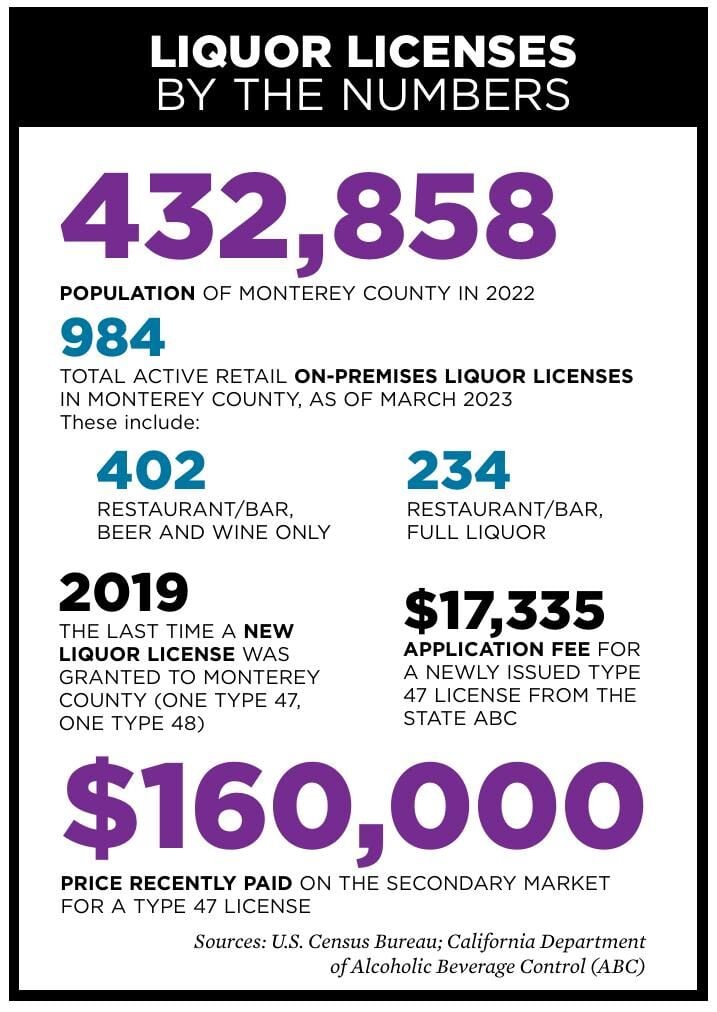
The initial government filing fees for new “priority” licenses (licenses subject to population quotas) can range from a few hundred to several thousand dollars, but this is often a small fraction of the true cost.
New Licenses vs. Transfers: The Secondary Market
The most significant cost factor often comes down to how a business acquires its license. California operates under a quota system for many popular “on-sale general” licenses (like Type 47 and 48), meaning the number of available licenses is capped based on population. When new licenses are not available directly from the Department of Alcoholic Beverage Control (ABC) due to these quotas, businesses must acquire them through a transfer from an existing license holder. This creates a secondary market where licenses are treated as valuable assets.
- Acquiring a New License (from ABC): If available, new licenses directly from the Department of Alcoholic Beverage Control are significantly cheaper, typically involving application fees that range from a few hundred to a few thousand dollars, depending on the specific license type. However, these are often scarce, especially in densely populated tourist areas.
- Acquiring via Transfer (Secondary Market): This is where costs can skyrocket. In popular cities and tourism hubs like [Los Angeles](https://lifeoutofthebox.com/los angeles), San Francisco, or San Diego, a Type 47 or Type 48 license can command prices anywhere from $50,000 to over $300,000, and in some highly desirable locations, even higher. The price is dictated by supply and demand, the specific county, and the desirability of the location. These transfer fees are paid to the previous license holder, not the state.
Annual Renewal Fees
Beyond the initial acquisition cost, all liquor licenses in California are subject to annual renewal fees. These fees are generally much lower than the initial acquisition or transfer costs, typically ranging from a few hundred to a couple of thousand dollars, depending on the license type. These fees contribute to the ongoing regulatory oversight by the Department of Alcoholic Beverage Control.
The Application Process: Navigating the ABC for Tourist-Centric Businesses
Securing a liquor license from the Department of Alcoholic Beverage Control (ABC) is a meticulous process that requires patience, attention to detail, and a thorough understanding of state regulations. For businesses catering to tourists, any delays can significantly impact launch timelines and revenue projections.
Key Regulatory Bodies and Required Documentation
The Department of Alcoholic Beverage Control (ABC) is the primary state agency responsible for issuing, transferring, and regulating liquor licenses. The application involves extensive documentation, including:
- Detailed business plans and financial statements.
- Proof of ownership, including corporate structures and partnership agreements.
- Zoning approval from local city or county planning departments, ensuring the business location is appropriate for alcohol sales.
- Lease agreements or proof of property ownership.
- Comprehensive personal background checks for all individuals with a financial interest in the business (owners, partners, major shareholders). This includes fingerprinting and scrutinizing criminal records.
- Notice of Intent to Sell Alcoholic Beverages, published in a local newspaper to inform the community and allow for public protests.
Timelines and Challenges for New Establishments
The application process is notoriously lengthy. While some simpler licenses might be processed in a few months, a complex “on-sale general” license transfer can take anywhere from 6 months to over a year, particularly if there are protests from the community or issues with background checks. Challenges include:
- Community Protests: Local residents, churches, or schools near the proposed location have the right to protest the issuance of a license, which can lead to hearings and significant delays. Addressing community concerns proactively can mitigate this risk.
- Regulatory Compliance: Ensuring strict adherence to all Department of Alcoholic Beverage Control (ABC) rules, from premises diagrams to operational plans, is crucial. Any discrepancies can halt the process.
- Financing: The substantial upfront cost of acquiring a license through transfer often requires significant capital or specific financing arrangements.
Given these complexities, many businesses opt to engage specialized attorneys or consultants who are experts in Department of Alcoholic Beverage Control (ABC) regulations to navigate the application process efficiently.
Factors Influencing License Availability and Value for Tourism Operators
The value and availability of liquor licenses are not uniform across California. Several factors play a critical role, directly impacting businesses aiming to serve the tourism market.
Location and Quota Restrictions
As mentioned, many “on-sale general” licenses are subject to population quotas by county. This means that in popular tourist destinations and densely populated urban centers like Los Angeles, San Francisco, San Diego, and Sacramento, licenses are scarce and thus more expensive on the secondary market. In contrast, rural areas with lower populations might have more available licenses directly from the Department of Alcoholic Beverage Control (ABC) or a less inflated secondary market. This geographic disparity significantly influences where new tourism-focused businesses can realistically establish themselves.
Economic Zones and Tourism Hotspots
Areas designated as economic development zones or established tourism hotspots often see even higher demand and value for liquor licenses. Investors are willing to pay a premium for a license in a location with high foot traffic, established tourist infrastructure, and a reputation for vibrant dining and entertainment. For instance, a license in Napa Valley or Beverly Hills will command a different price point than one in a less-trafficked area.
Market Value and Demand
The overall economic climate and demand for hospitality businesses also affect license values. A booming tourism sector generally drives up the demand for licenses, as more entrepreneurs seek to capitalize on the influx of visitors. The type of license also plays a role; a Type 47 (restaurant) or Type 48 (bar) license, essential for many tourist-centric establishments, is typically in much higher demand than a Type 21 (off-sale general) license in high-density areas.
The Long-Term Impact: Why a Liquor License is an Investment in California’s Hospitality
While the initial cost and effort to secure a liquor license in California can be daunting, it’s crucial for tourism operators to view it not as an expense, but as a strategic, long-term investment in their business and the state’s hospitality landscape.
Enhancing Business Viability and Revenue
For many restaurants, bars, and entertainment venues, alcohol sales represent a significant portion of their revenue and profit margins. A liquor license enables businesses to offer a complete experience, attracting more customers, increasing average check sizes, and enhancing overall profitability. This directly translates to more robust and sustainable businesses, which are vital for a healthy tourism economy.
Contributing to Local Culture and Tourist Experiences
Businesses with liquor licenses contribute immensely to the “local culture” aspect that tourists seek. They create vibrant social spaces, support local craft brewers and winemakers, and foster innovative culinary scenes. Whether it’s a world-renowned chef’s restaurant, a trendy Hollywood bar, or a quaint tasting room in Sonoma County, these establishments are key components of what makes California a captivating destination.
Increasing Property and Business Value
A transferable liquor license is a valuable asset that can significantly increase the overall value of a business or even the property it occupies. When selling a restaurant or bar, the included liquor license is often a major selling point, reflecting its ongoing potential for revenue generation. This makes the initial investment a durable one, capable of yielding returns far beyond its operational utility.
In conclusion, the question “How much is a liquor license in California?” has no simple answer. It’s a complex equation involving license type, acquisition method, location, and market demand, with costs ranging from a few thousand to hundreds of thousands of dollars. However, for any business aspiring to thrive within California’s dynamic tourism and hospitality industry, acquiring the appropriate liquor license is an indispensable step and a foundational investment in offering rich, engaging, and culturally resonant experiences to millions of visitors.
LifeOutOfTheBox is a participant in the Amazon Services LLC Associates Program, an affiliate advertising program designed to provide a means for sites to earn advertising fees by advertising and linking to Amazon.com. Amazon, the Amazon logo, AmazonSupply, and the AmazonSupply logo are trademarks of Amazon.com, Inc. or its affiliates. As an Amazon Associate we earn affiliate commissions from qualifying purchases.