
California, a state renowned for its stunning coastline, vibrant cities like Los Angeles and San Francisco, and diverse landscapes from deserts to snowy mountains, attracts millions of residents and visitors annually. Whether you’re navigating the bustling streets of San Diego, exploring the serene beauty of Yosemite National Park, or enjoying the innovative spirit of Silicon Valley, the possibility of a medical emergency, though unwelcome, is a reality everyone should consider. In the realm of lifestyle planning and financial preparedness, understanding the costs associated with an ambulance ride is a crucial, often overlooked, aspect. An unexpected illness or injury can quickly transform a carefree trip or a routine day into a stressful financial burden if one isn’t equipped with the right knowledge.
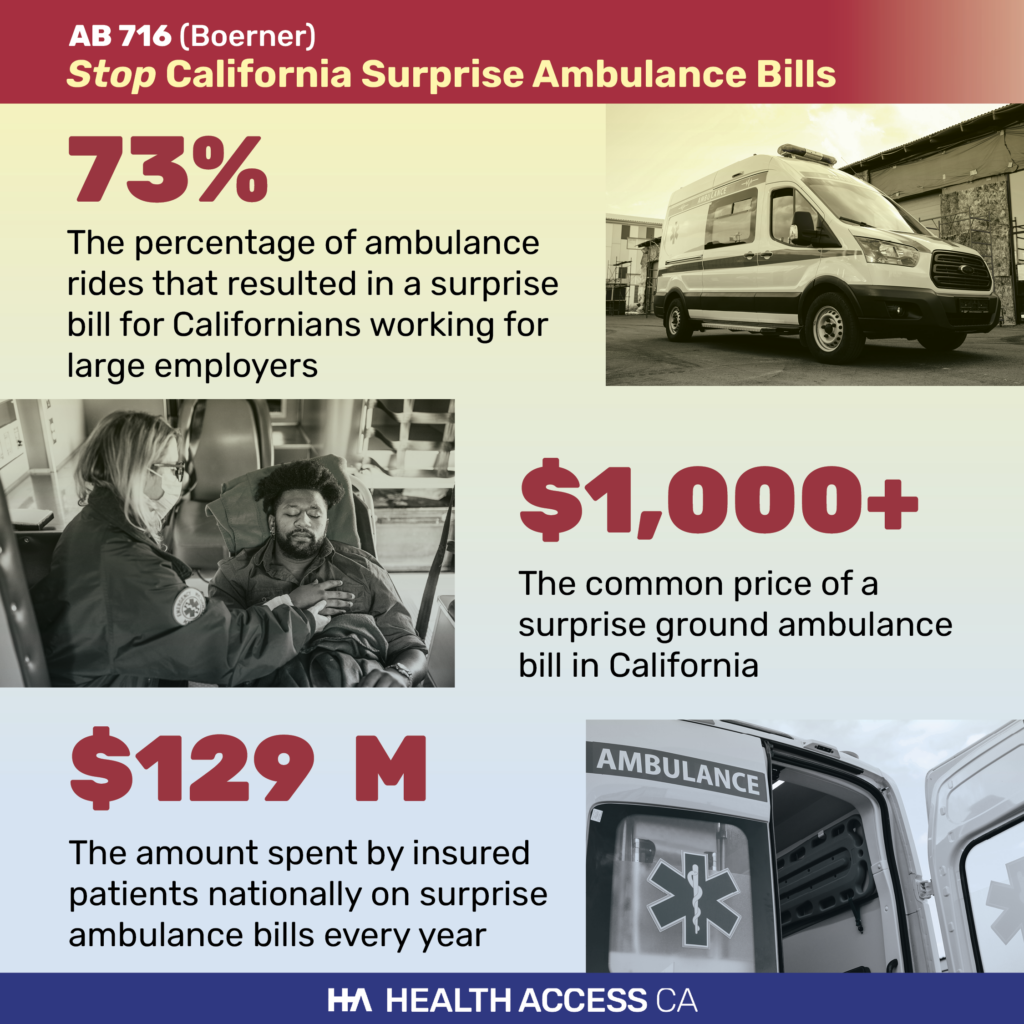
This article delves into the intricacies of ambulance costs in California, offering insights that are vital for residents, frequent travelers, and anyone mindful of their financial well-being. From deciphering the factors that influence the bill to navigating insurance complexities and exploring avenues for cost management, we’ll equip you with the information needed to approach emergency medical transport with a greater sense of preparedness. Understanding these costs isn’t just about budgeting; it’s about fostering a lifestyle of informed decision-making and resilience in the face of life’s unpredictable moments.
The Unforeseen Costs of Emergency Medical Transport in California
An ambulance ride is rarely a planned expense, making its cost all the more impactful when an emergency strikes. In California, the price tag for such a service can vary dramatically, leaving many patients feeling confused and financially vulnerable. It’s not simply a flat fee; rather, it’s a complex calculation influenced by multiple variables that reflect the unique nature of emergency medical services. Understanding these underlying factors is the first step in demystifying your potential bill and incorporating this knowledge into your overall lifestyle financial planning.
Understanding the Baseline: What Influences the Price?
The core cost of an ambulance ride is primarily determined by the level of care provided and the type of transport required. These aren’t uniform across the state, and different providers (municipal, county-run, or private companies) may have varying rate structures.
- Basic Life Support (BLS): This is the most common and generally the least expensive type of ambulance service. BLS transport is typically for patients who are stable but require medical monitoring and assistance during transit, such as those with non-life-threatening injuries or illnesses. The ambulance is staffed by Emergency Medical Technicians (EMTs) capable of administering basic first aid, CPR, oxygen, and certain medications.
- Advanced Life Support (ALS) Level 1: This service is for patients requiring more intensive medical intervention than BLS. ALS-1 ambulances are typically staffed by paramedics who can provide advanced airway management, cardiac monitoring, IV fluids, and administer a broader range of medications. This level of care is necessary for conditions like severe asthma attacks, diabetic emergencies, or cardiac issues.
- Advanced Life Support (ALS) Level 2: This is the highest level of ground ambulance service, reserved for critically ill or injured patients who require intensive life-saving interventions and ongoing monitoring. ALS-2 services might include continuous cardiac monitoring, defibrillation, advanced medication administration, and complex medical procedures performed en route to the hospital. The equipment and expertise required for ALS-2 naturally drive up the cost significantly.
- Specialty Care Transport (SCT): For extremely critical patients who require specialized medical equipment and a dedicated healthcare team (e.g., a nurse or physician), SCT may be necessary. These transports are often from one hospital to another for a higher level of care.
- Air Ambulance (Helicopter/Fixed-wing): In situations where speed is paramount, or ground transport is impractical due to distance or terrain, an air ambulance may be deployed. These are exceedingly expensive, often ranging from tens of thousands to over a hundred thousand dollars, and are usually reserved for life-or-death situations, severe trauma, or remote locations.
Factors Affecting Your Bill: Location, Distance, and Services Rendered
Beyond the level of care, several other elements contribute to the final cost of an ambulance ride in California:
- Location (City/County): Ambulance services are often governed by local municipalities or county contracts, meaning rates can vary significantly from one city or county to another. For example, an ambulance ride in a densely populated urban area like Los Angeles County might have a different base rate than one in a rural county. Some jurisdictions may also have distinct fee schedules, surcharges, or even a public subsidy that affects the final cost.
- Mileage Fees: In addition to a base rate for the service, most ambulance providers charge a per-mile fee for the distance traveled from the point of pickup to the receiving hospital. This can add up quickly, especially for transports over longer distances, such as from a remote accident scene to the nearest trauma center.
- On-Scene Treatment and Supplies: The time paramedics spend on-scene stabilizing a patient, administering medications, or performing procedures like splinting a broken bone, also contributes to the bill. Specific medical supplies used, such as IV bags, oxygen, bandages, or specialized medical devices, are itemized and added to the total. Even if transport is ultimately declined, you may still be billed for the assessment and treatment provided on-scene.
- Wait Time: In some instances, if an ambulance crew has to wait an extended period at the hospital before transferring a patient to emergency department staff, additional charges for “standby time” might be applied.
Navigating the Financial Labyrinth: Insurance and Out-of-Pocket Expenses
The sticker shock of an ambulance bill can be considerable, but how much you actually pay out-of-pocket depends largely on your health insurance coverage. For those leading a financially savvy lifestyle, understanding the interplay between your insurance plan and emergency medical transport costs is paramount. This section delves into how insurance typically handles these expenses and what to expect if you’re uninsured or encounter unexpected billing scenarios.
The Role of Health Insurance: Deductibles, Co-pays, and Network Status
Your health insurance policy is the primary mechanism for managing ambulance costs. However, simply having insurance doesn’t guarantee a zero-dollar bill.
- Deductibles: This is the amount you must pay out of pocket for covered healthcare services before your insurance plan starts to pay. If you haven’t met your annual deductible, the ambulance cost (or a portion of it) will count towards it.
- Co-pays/Co-insurance: Once your deductible is met, your plan may require you to pay a co-pay (a fixed amount) or co-insurance (a percentage of the cost) for emergency services, including ambulance rides. These are your responsibility even after the deductible is satisfied.
- Network Status: This is a critical factor. Ambulance services, particularly private companies, may or may not be “in-network” with your specific insurance plan. If the ambulance provider is out-of-network, your plan may cover a lower percentage of the cost, or you might be responsible for a much larger portion of the bill, potentially the full amount if your plan offers no out-of-network benefits. This can be particularly frustrating during an emergency when you have no control over which ambulance service responds.
- Medical Necessity: Insurance companies will typically only cover ambulance transport if they deem it “medically necessary.” This means that the patient’s condition required immediate transport by ambulance to prevent serious health deterioration or death, and other transport methods were unsuitable. If the insurance company determines it wasn’t medically necessary (e.g., you could have taken a taxi), they might deny coverage, leaving you responsible for the full bill.
When You’re Uninsured: Facing the Full Cost
For individuals without health insurance, an ambulance ride in California represents a significant and potentially overwhelming financial burden. Without the backing of an insurance policy, you are responsible for the entire, undiscounted cost of the service. This can easily range from hundreds to thousands of dollars, depending on the level of care and other factors previously discussed. In such situations, it’s crucial to understand that negotiation is often possible. Providers may offer prompt-pay discounts, payment plans, or even charity care for eligible low-income individuals. Ignoring the bill is not advisable, as it can lead to collections, damage your credit score, and potentially result in legal action.
Surprise Billing Protections: The No Surprises Act
Recognizing the financial stress caused by unexpected medical bills, particularly from out-of-network providers during emergencies, the federal government enacted the No Surprises Act, which took effect on January 1, 2022. This landmark legislation aims to protect consumers from “surprise bills” when they receive emergency care or non-emergency care from out-of-network providers at an in-network facility.
Under the No Surprises Act, if you receive emergency services, including ground ambulance services, you are generally only responsible for the in-network cost-sharing amount (your deductible, co-pay, or co-insurance) that you would pay if the services were provided by an in-network provider. The out-of-network provider cannot bill you for the difference between their billed charge and the amount your plan pays (known as “balance billing”). However, it’s important to note that the act currently applies to ground ambulance services but does not yet cover air ambulance services in the same way, although some protections exist. For residents and visitors in California, this act provides a significant layer of financial protection, alleviating some of the uncertainty associated with emergency medical transport costs.
Proactive Planning: A Lifestyle Approach to Emergency Preparedness

In the pursuit of a well-managed lifestyle, preparedness for unexpected events is a cornerstone. When it comes to health emergencies and ambulance costs in California, a proactive approach can significantly reduce stress and financial strain. This involves not just understanding potential costs but actively reviewing your coverage, building financial safeguards, and familiarizing yourself with local emergency resources.
Assessing Your Health Insurance Coverage for Emergencies
The first and most crucial step is to thoroughly understand your current health insurance policy. Don’t wait for an emergency to discover the limits of your coverage.
- Review Your Policy Documents: Carefully read the sections pertaining to emergency services, ambulance transport, deductibles, co-pays, and co-insurance. Pay close attention to definitions of “medical necessity” and how out-of-network emergency services are covered.
- Contact Your Insurer: If anything is unclear, call your insurance provider directly. Ask specific questions: “What is my co-pay for an ambulance ride?” “Is air ambulance covered?” “How does my plan handle out-of-network emergency transport?” “What steps should I take if I receive a surprise bill for an ambulance?”
- Travel Insurance Considerations: For those visiting California from other states or countries, consider comprehensive travel insurance. Many travel insurance policies include emergency medical coverage, which can cover ambulance costs, medical evacuations, and other unforeseen health expenses incurred while away from home. This is particularly vital for international travelers, as their domestic health insurance may offer limited or no coverage in the United States.
- Medicare and Medi-Cal: If you are covered by Medicare, Part B typically covers 80% of the approved amount for medically necessary ambulance services after your deductible is met. Medi-Cal, California’s Medicaid program, generally covers medically necessary ambulance services for eligible beneficiaries with little to no out-of-pocket cost.
Establishing an Emergency Fund: Cushioning the Blow
Even with robust insurance, out-of-pocket expenses for an ambulance ride can still be substantial due to deductibles and co-insurance. This is where an emergency fund becomes indispensable as part of a resilient lifestyle financial strategy.
- Purpose of an Emergency Fund: This fund should be specifically set aside for unexpected costs that are not covered by insurance or for which you have high deductibles. Medical emergencies are a prime example.
- Recommended Size: Financial experts often recommend having 3-6 months’ worth of living expenses in an emergency fund. While this may seem daunting, even a smaller fund dedicated to medical co-pays and deductibles can provide significant peace of mind.
- Accessible Savings: Ensure this fund is in an easily accessible, liquid account, such as a high-yield savings account, rather than tied up in investments. The goal is quick access when an emergency arises. Building this fund is a testament to a thoughtful, prepared lifestyle that prioritizes financial stability.
Understanding Local Emergency Services in California
Familiarizing yourself with the emergency medical services landscape in your specific California locality can also be beneficial.
- Public vs. Private Providers: Learn if your area primarily uses municipal fire department ambulances, county-run EMS, or private ambulance companies. This can sometimes influence billing practices and responsiveness, though in an emergency, you won’t have a choice.
- Non-Emergency Transport Alternatives: For non-life-threatening conditions where you require medical transport but not an emergency ambulance, explore alternatives. Some areas offer non-emergency medical transport (NEMT) services, which are typically less expensive and can be scheduled in advance. These are appropriate for situations like transport to a doctor’s appointment for a mobility-impaired individual. Always consult with a medical professional to determine if NEMT is appropriate for your specific situation.
- Community Paramedicine Programs: Some California communities are piloting or implementing community paramedicine programs. These programs utilize paramedics in expanded roles, often providing non-emergency care in homes to help prevent unnecessary emergency room visits and ambulance transports for certain patient populations, potentially reducing costs and improving outcomes.
Potential Avenues for Reducing or Managing Costs
Even with the best preparation, facing a large ambulance bill can be daunting. Thankfully, there are often pathways to reduce the financial impact. Engaging with providers and exploring assistance options are key components of a proactive lifestyle that seeks to manage unexpected expenses effectively.
Negotiating Your Ambulance Bill
Many people don’t realize that medical bills, including those for ambulance services, can often be negotiated. Providers are sometimes willing to work with patients, especially those facing financial hardship or who are uninsured.
- Review the Bill Meticulously: Before attempting to negotiate, scrutinize every line item on the bill. Check for accuracy: Is the date of service correct? Is the level of service (BLS vs. ALS) accurate? Are there any duplicate charges or services you didn’t receive? Mistakes happen, and catching them can save you money.
- Contact the Billing Department: Reach out to the ambulance provider’s billing department as soon as possible. Be polite but firm. Explain your situation, whether you’re uninsured, have a high deductible, or are facing financial hardship.
- Ask for a Discount: Many providers offer “prompt-pay” discounts if you can pay a portion or all of the bill upfront. Don’t hesitate to ask if they have a cash discount or a hardship discount program.
- Request an Itemized Bill: If your initial bill is vague, request a fully itemized bill detailing every service, supply, and medication. This transparency can help you identify inflated charges or errors.
- Set Up a Payment Plan: If you cannot pay the bill in full, ask about setting up an interest-free payment plan. Most providers would prefer to receive partial payments over time than to send the account to collections.
Patient Assistance Programs and Financial Aid
For individuals with limited income or those experiencing significant financial distress, there are resources available to help with medical costs, including ambulance bills.
- Hospital Financial Assistance: If the ambulance transported you to a hospital, inquire about the hospital’s financial assistance or charity care programs. Many hospitals, especially non-profit ones, have funds or policies to help low-income patients reduce or eliminate their medical debt. The ambulance provider might coordinate with the hospital’s program if they are part of the same healthcare system.
- Government Programs: Explore state and federal programs designed to assist with medical expenses for low-income individuals. In California, Medi-Cal is the primary program for this purpose.
- Non-Profit Organizations: Research non-profit organizations that offer financial aid for medical expenses. While less common for ambulance-specific bills, some organizations may provide broader assistance that could cover portions of the cost.

Community Paramedicine and Alternative Transport Options
While not always applicable in true emergencies, a forward-thinking lifestyle also considers preventive measures and appropriate resource utilization.
- Understanding When an Ambulance is Necessary: For non-life-threatening conditions, it’s worth considering if an ambulance is truly the most appropriate and cost-effective mode of transport. For example, if you have a sprained ankle but can safely get to an urgent care center via a friend, family member, or ride-sharing service, it might be more prudent than calling an ambulance. However, never hesitate to call 911 if you suspect a serious or life-threatening condition. The decision should always prioritize safety and medical necessity.
- Telehealth and Urgent Care: For less severe medical issues, utilizing telehealth services or visiting an urgent care center can often mitigate the need for an emergency room visit and subsequent ambulance transport, saving both time and money. This intelligent use of healthcare resources is a hallmark of a well-informed lifestyle.
In conclusion, understanding the costs of an ambulance ride in California is more than just a matter of financial literacy; it’s an integral part of responsible lifestyle planning. From grasping the variables that dictate pricing to strategically navigating insurance coverage and knowing your options for cost management, being informed empowers you to face unexpected medical emergencies with greater confidence and less financial anxiety. By proactively reviewing your policies, building an emergency fund, and familiarizing yourself with available resources, you can ensure that your journey through California – whether as a resident or a visitor – remains as smooth and worry-free as possible, even when unforeseen challenges arise.
LifeOutOfTheBox is a participant in the Amazon Services LLC Associates Program, an affiliate advertising program designed to provide a means for sites to earn advertising fees by advertising and linking to Amazon.com. Amazon, the Amazon logo, AmazonSupply, and the AmazonSupply logo are trademarks of Amazon.com, Inc. or its affiliates. As an Amazon Associate we earn affiliate commissions from qualifying purchases.