
Embarking on a road trip through California promises an unforgettable journey, whether you’re cruising down the Pacific Coast Highway, exploring the bustling cities of Los Angeles or San Francisco, or venturing into the serene beauty of its national parks. For many travelers, especially those piloting RVs, towing trailers, or driving diesel-powered vehicles, one crucial question often arises: “How much is diesel in California?” The answer is complex, influenced by a myriad of factors from state taxes to global oil prices, and it significantly impacts the overall budget and logistics of your travel adventure. This comprehensive guide will delve into the nuances of diesel prices in the Golden State, equipping you with the knowledge to navigate its fuel landscape efficiently and economically.
Navigating the Golden State: Why Diesel Prices Matter for Your California Travel
For the discerning traveler, especially those traversing vast distances or operating larger vehicles, the cost of diesel fuel is not merely an incidental expense; it’s a pivotal component of their travel budget. Understanding its dynamics in California is crucial for a smooth and stress-free journey.
The Diesel Traveler’s Dilemma: Costs vs. Convenience
Travelers often choose diesel vehicles for their torque, towing capacity, and often, better fuel economy over long distances. However, in California, this choice comes with a unique set of considerations. Diesel prices in the state are consistently among the highest in the nation, often exceeding gasoline prices by a significant margin. This premium can lead to a dilemma: the inherent efficiency of a diesel engine versus the higher per-gallon cost. Balancing these two factors requires careful planning, especially when covering the expansive terrain of California. Travelers need to weigh the convenience of their preferred vehicle type against the budgetary implications of elevated fuel costs, making informed decisions about their routes and fueling stops.
Who Needs Diesel in California?
While personal diesel cars are less common than their gasoline counterparts, several types of travelers heavily rely on diesel. This includes:
- RV Enthusiasts: Many large motorhomes and travel trailers are diesel-powered, making fuel costs a primary concern for those embarking on extended camping or touring trips.
- Truck and Van Owners: Travelers with heavy-duty trucks, often used for towing boats, ATVs, or larger campers, require diesel.
- Specific Vehicle Types: Some imported vehicles or specialized overland rigs also run on diesel, catering to adventurous travelers seeking off-grid experiences in remote California landscapes.
- Commercial Travelers: While our focus is on leisure, it’s worth noting that freight and commercial vehicles also drive up demand and influence prices.
For these groups, understanding and managing diesel expenses is paramount to enjoying their California adventure without financial surprises.
Beyond the Pump: The Ripple Effect on Travel Budgets
The impact of diesel prices extends beyond the direct cost at the pump. Higher fuel expenses can influence other aspects of your travel budget and choices:
- Route Planning: Travelers might opt for shorter routes, avoid less fuel-efficient detours, or choose destinations closer to home if fuel costs are prohibitive.
- Duration of Stay: An expensive fuel budget might lead to shorter trips or fewer exploratory drives within a region.
- Accommodation Choices: If fuel costs eat a larger portion of the budget, travelers might opt for more budget-friendly campsites or accommodations rather than premium hotels.
- Activity Selection: The funds allocated for fuel might reduce the budget available for attractions, dining, or experiences.
Thus, a clear understanding of what to expect at the diesel pump in California is fundamental to crafting a well-rounded and enjoyable travel plan.
Unpacking California’s Diesel Price Dynamics
California’s diesel prices are consistently higher than the national average, a phenomenon rooted in a unique combination of regulatory, geographical, and market-driven forces. Understanding these factors is key to predicting and managing your fuel expenses.
Taxes and Regulations: The California Premium
The primary driver behind California’s high fuel prices, including diesel, is its complex structure of taxes and environmental regulations. The state imposes some of the highest excise taxes on fuel in the nation, funding infrastructure projects. Additionally, California has stringent environmental standards, requiring specially formulated, cleaner-burning diesel that is more costly to produce and distribute. These unique blends reduce emissions but add to the per-gallon price. Furthermore, the state’s cap-and-trade program and other carbon reduction initiatives indirectly contribute to higher fuel costs as refiners pass on compliance expenses to consumers. This ” California premium” is a constant factor for travelers.
Geographical Variations: From Coastal Cities to Desert Roads
Diesel prices are not uniform across California; they vary significantly depending on your location.
- Major Metropolitan Areas: Cities like Los Angeles, San Francisco, and San Diego typically see higher prices due to higher cost of living, real estate, and robust demand.
- Remote Areas and National Parks: Fuel stations near popular tourist destinations such as Yosemite National Park, Death Valley National Park, or Big Sur often have inflated prices due to limited competition and higher transportation costs for delivery.
- Inland vs. Coastal: Generally, inland regions, particularly parts of the Central Valley, might offer slightly lower prices than coastal areas, though this is not a hard-and-fast rule.
- Border Towns: Prices near the state’s borders (e.g., with Nevada or Arizona) can be influenced by the fuel prices in the neighboring states, sometimes offering slight arbitrage opportunities.
Global and Local Market Influences
Beyond state-specific factors, diesel prices in California are also subject to broader market forces:
- Crude Oil Prices: Global supply and demand for crude oil directly impact refinery costs.
- Refinery Capacity: California has a limited number of refineries, and any unplanned shutdowns or maintenance issues can immediately reduce supply and drive up prices.
- Transportation Costs: The cost of transporting diesel from refineries to gas stations also plays a role.
- Retailer Markup: Individual gas station owners set their own prices based on their operating costs, local competition, and desired profit margins.
Seasonal Fluctuations and Demand
Travelers should also be aware of seasonal trends:
- Summer Travel Season: Demand for fuel, especially diesel for RVs and towing vehicles, typically surges during peak summer travel months, coinciding with higher prices.
- Holiday Weekends: Prices often spike around major holidays like Memorial Day, Fourth of July, and Labor Day, when road travel is at its highest.
- Agricultural Demand: In some parts of California, agricultural demand for diesel can also influence local prices.
Smart Fueling Strategies for Your California Road Trip
While California’s diesel prices may seem daunting, strategic planning can help mitigate their impact on your travel budget. Adopting smart fueling habits is key to maximizing your savings.
Leveraging Technology: Apps and Websites for Price Comparison
In the digital age, finding the cheapest diesel is easier than ever. Before hitting the road or even between stops, utilize technology:
- Fuel Price Apps: Applications like GasBuddy, Waze, and AAA TripTik provide real-time fuel prices reported by users, allowing you to compare costs at nearby stations.
- Website Resources: Many oil company websites and independent fuel tracking sites also offer price locators.
- RV-Specific Apps: Some RV navigation apps include fuel station filters, showing those with diesel and larger access for big rigs.
Checking these resources regularly, especially as you approach major towns or cities, can lead to significant savings over the course of your trip.

Strategic Stops: Where to Find Better Deals
Not all gas stations are created equal when it comes to pricing. Consider these strategic stopping points:
- Off the Beaten Path: Stations located a few blocks off major highways or main tourist routes, particularly in smaller towns, often have lower prices than those directly on busy exits.
- Wholesale Clubs: Membership-based stores like Costco, Sam’s Club, and even some large grocery store chains (e.g., Safeway, Kroger) often offer competitive fuel prices as a perk for their members. If you have a membership, plan your route to incorporate these stops.
- Truck Stops: While often convenient for RVs and large vehicles due to ample space, dedicated truck stops can sometimes have slightly higher prices due to the services they offer. However, they are also reliable for diesel availability.
- Avoid Airport Areas: Fuel prices near airports are almost always inflated due to high demand and captive audiences.
Membership Programs and Discounts
Beyond wholesale clubs, other programs can offer discounts:
- Gas Station Loyalty Programs: Many major gas station chains (e.g., Shell, Chevron, ExxonMobil) offer loyalty programs that provide per-gallon discounts or points that can be redeemed for future purchases. Sign up before your trip.
- Credit Card Rewards: Some travel credit cards offer accelerated rewards on fuel purchases, or specific cards might offer cash back at gas stations, effectively reducing your net cost.
- Fleet Cards: If you’re traveling for business or have access to a commercial fleet card, these often come with pre-negotiated discounts.
Driving Habits: Maximizing Fuel Efficiency
The most direct way to save on diesel, regardless of price, is to improve your vehicle’s fuel efficiency:
- Maintain Steady Speeds: Avoid aggressive acceleration and braking. Cruising at a consistent, moderate speed on highways (often around 55-65 mph for many diesel vehicles) significantly improves mileage.
- Check Tire Pressure: Properly inflated tires reduce rolling resistance and can improve fuel economy by several percentage points.
- Reduce Weight: Remove unnecessary items from your vehicle or RV to lighten the load.
- Minimize Idling: Diesel engines consume a fair amount of fuel even when idling. Turn off your engine if you anticipate being stopped for more than a minute.
- Plan Routes Efficiently: Minimize backtracking and unnecessary detours by pre-planning your daily itinerary.
- Use Cruise Control: On flat terrain, cruise control can help maintain a consistent speed, optimizing fuel consumption.
Estimating Your Diesel Budget for a California Adventure
Accurately forecasting your fuel expenses is a cornerstone of responsible travel planning. While precise figures are impossible to guarantee due to market fluctuations, you can make an educated estimate for your California adventure.
Calculating Your Route’s Fuel Consumption
Start by understanding your vehicle’s fuel efficiency and your planned mileage:
- Determine Your MPG: Know your vehicle’s average miles per gallon (MPG) for diesel. If you’re towing, use a realistic towing MPG, which will be significantly lower than unladen highway MPG.
- Estimate Total Mileage: Map out your intended California route using online tools like Google Maps or specialized RV routing software. This will give you an approximate total distance. Remember to factor in day trips and unforeseen detours.
- Calculate Total Gallons Needed: Divide your total estimated mileage by your vehicle’s MPG. For example, 1,000 miles / 10 MPG (for a large RV) = 100 gallons.
- Research Average Prices: Use fuel price apps or websites to get a realistic current average diesel price for California (perhaps an average of Los Angeles, Sacramento, and a rural area).
- Multiply: Total Gallons Needed x Average Price Per Gallon = Estimated Fuel Cost.
Regional Cost Averages: A Practical Guide
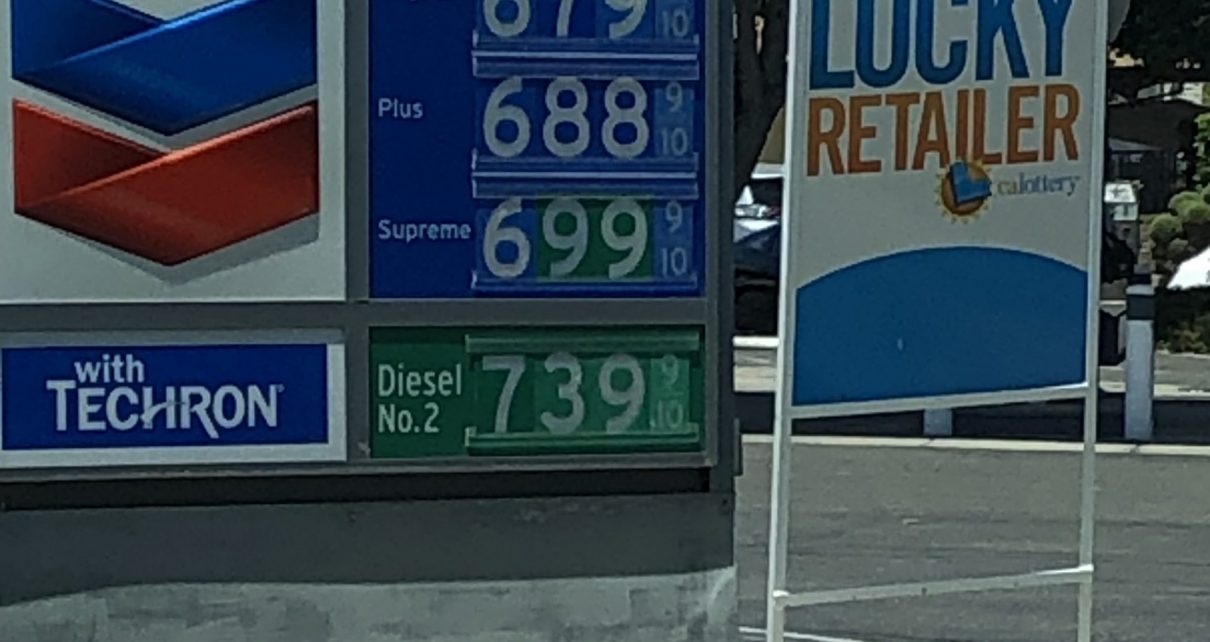
As discussed, prices vary. When budgeting, consider averaging prices across different regions you plan to visit. If your trip involves extensive time in cities like San Francisco or San Diego, factor in a higher average. If you’ll spend more time in the Central Valley or closer to less populated areas, you might use a slightly lower average. Always err on the side of caution and overestimate slightly. As of current trends, diesel in California can range from $4.50 to well over $6.00 per gallon, depending on the location and prevailing market conditions. Keeping a buffer in your budget for this variance is a wise move.
Factoring in Contingencies: Preparing for the Unexpected
No budget is perfect. Always add a contingency fund for fuel, typically an extra 10-15% of your estimated cost. This buffer accounts for:
- Price Spikes: Unexpected increases in crude oil prices or refinery issues.
- Unplanned Detours: Discovering a must-see attraction not initially on your route.
- Less-Than-Optimal Fuel Stops: Being forced to refuel at a high-priced station due to low fuel or lack of alternatives.
- Vehicle Performance Fluctuations: Your actual MPG might vary slightly from your estimate due to wind, terrain, or differing loads.
A robust fuel budget ensures that unforeseen costs don’t derail your enjoyment of California’s incredible offerings.
The Broader Travel Impact: Diesel Prices and Your California Experience
Understanding diesel prices in California isn’t just about the numbers; it’s about how these costs shape the very nature of your travel experience, influencing everything from the type of trip you take to the destinations you choose.
RV and Camping Trips: Managing Fuel for Extended Stays
RV travel offers unparalleled freedom, especially for exploring California’s diverse landscapes, from its pristine beaches to its towering redwoods. However, the fuel demands of a large diesel RV are substantial. High diesel prices directly impact the feasibility and affordability of extended stays.
- Stay Longer, Drive Less: Travelers might opt to stay longer at fewer campgrounds, reducing the frequency of costly fuel-ups.
- Location, Location, Location: Choosing campgrounds closer to amenities or within a reasonable distance from attractions reduces daily driving expenses.
- Toad vs. No Toad: Bringing a smaller “toad” vehicle (towed car) to explore locally after parking the RV can be more fuel-efficient than driving the large RV everywhere.
Efficient fuel management becomes a cornerstone of an enjoyable and budget-friendly RV trip through the Golden State.
Exploring National Parks: Accessibility and Cost Considerations
California is home to an incredible array of national parks, including icons like Yosemite National Park, Sequoia National Park, and Death Valley National Park. Many of these require significant driving to reach and explore.
- Remote Location Fuel: Gas stations within or immediately adjacent to national parks often have some of the highest fuel prices due to their remote locations and captive audience. Plan to fill up before entering.
- Internal Park Drives: Exploring a large park like Death Valley National Park often involves driving hundreds of miles within its boundaries. Factor this into your fuel calculations.
- Elevation and Terrain: Driving through mountainous regions (common in California’s parks) with a heavy diesel vehicle will consume more fuel than driving on flat land.
Diesel costs can therefore influence how deeply and broadly travelers can explore these natural treasures.
City Hopping vs. Scenic Drives: Different Fuel Demands
The type of California travel you undertake directly correlates with your diesel consumption.
- City Hopping: While requiring some highway travel between cities like Los Angeles, San Francisco, and San Diego, urban exploration often involves less continuous driving within each city if public transport or ride-shares are utilized. However, stop-and-go city traffic is less fuel-efficient.
- Scenic Drives: Epic journeys like the Pacific Coast Highway or historic Route 66 involve constant driving, often with frequent stops and starts, varied terrain, and lower average speeds, which can be less fuel-efficient per mile than sustained highway driving. The allure of the journey often outweighs the fuel cost, but it’s a factor to acknowledge.
Each style of travel presents its own fuel challenges and opportunities for savings.

Sustainable Travel and Alternative Considerations
For environmentally conscious travelers, high diesel prices in California might prompt a reevaluation of their travel choices:
- Consider Alternatives: Exploring options like electric or hybrid vehicles for smaller legs of the journey, or utilizing California’s extensive public transportation networks in major cities.
- Offsetting Carbon Footprint: Investing in carbon offset programs if diesel is your only viable option.
- Longer Stays: Reducing overall driving by settling in one location and exploring locally on foot, bike, or public transport.
Ultimately, while the price of diesel in California is a significant line item for many travelers, a combination of informed planning, smart fueling strategies, and an understanding of the market dynamics can ensure that your Golden State adventure remains both memorable and within budget.
LifeOutOfTheBox is a participant in the Amazon Services LLC Associates Program, an affiliate advertising program designed to provide a means for sites to earn advertising fees by advertising and linking to Amazon.com. Amazon, the Amazon logo, AmazonSupply, and the AmazonSupply logo are trademarks of Amazon.com, Inc. or its affiliates. As an Amazon Associate we earn affiliate commissions from qualifying purchases.