
The Lone Star State, known for its rugged individualism and a deep-seated adherence to tradition, stands at a precipice of change regarding cannabis legalization. While many of its neighboring states have embraced the economic and social benefits of legal marijuana, Texas continues to tread cautiously, debating the merits and potential consequences of such a significant shift. For travelers and residents alike, the question of whether weed will be legal in Texas is not just a matter of policy; it impacts everything from the travel experience to the local lifestyle.
The debate surrounding marijuana legalization in Texas is complex, multifaceted, and deeply rooted in the state’s unique political and social landscape. Historically, Texas has maintained a relatively strict stance on drug enforcement, but recent years have seen a gradual loosening of regulations, particularly concerning low-THC cannabis. This evolving attitude, coupled with growing public support for reform, suggests that a more comprehensive legalization could be on the horizon. Understanding the current legal status, the historical context, and the projected future of cannabis in Texas is crucial for anyone planning a visit or considering a move to the state.
This exploration will delve into the intricacies of the current cannabis laws in Texas, examine the arguments for and against legalization, and consider the potential impact on various aspects of life in the state, from tourism and accommodation to the broader lifestyle of its citizens.
The Evolving Landscape of Cannabis in Texas
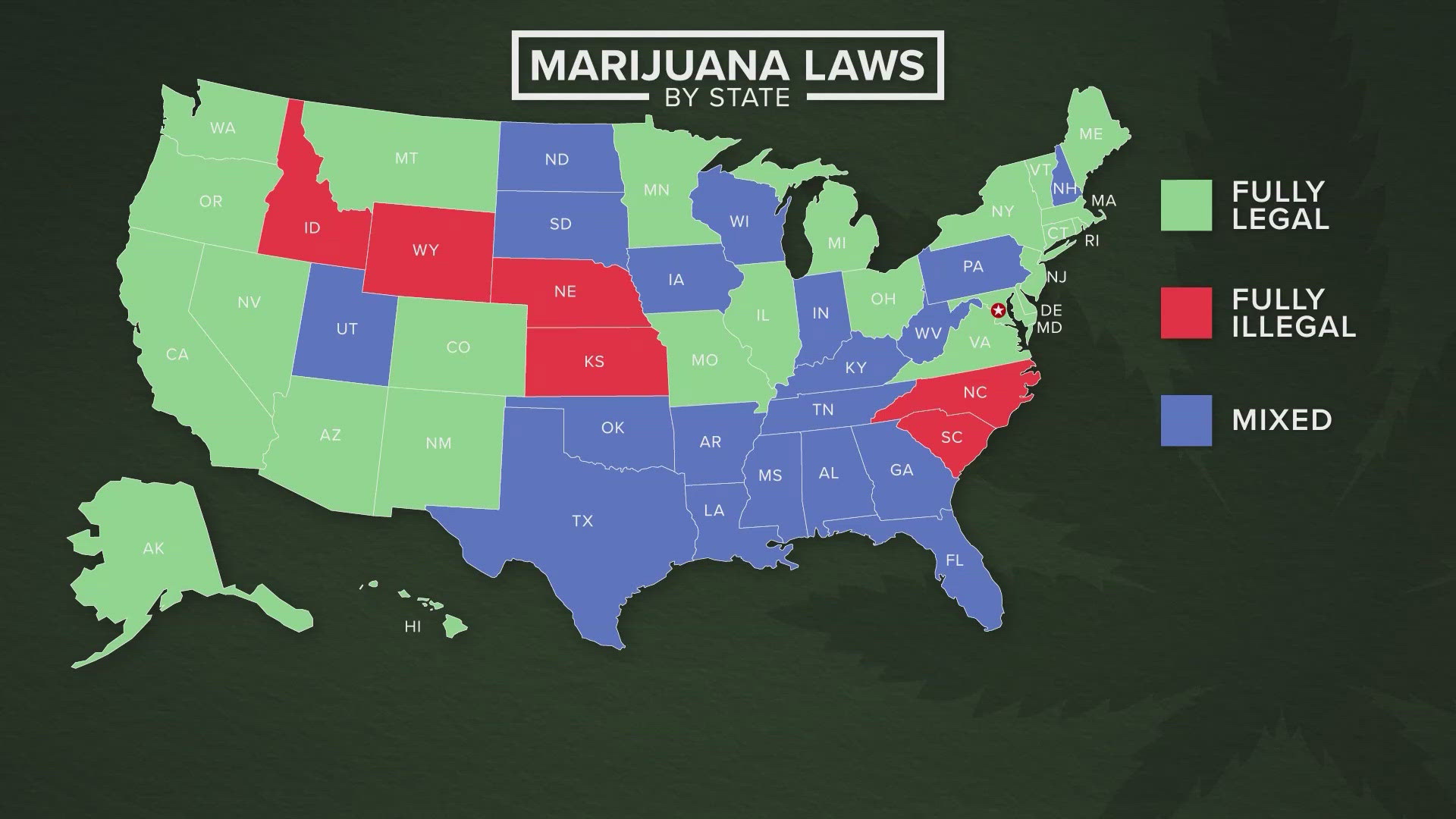
The journey towards understanding potential cannabis legalization in Texas requires a look at its current legal framework and the incremental steps that have been taken thus far. Unlike states that have fully legalized recreational or medical marijuana, Texas operates under a more restrictive model.
Low-THC Cannabis: A Tentative Step Forward
The most significant legislative development concerning cannabis in Texas was the passage of the Texas Compassionate Use Program (TCUP) in 2015. This program legalized the use of low-THC cannabis for patients with specific, debilitating medical conditions. The initial legislation was quite limited, allowing access only to patients with intractable epilepsy. However, subsequent legislative sessions have expanded the list of qualifying conditions to include conditions such as multiple sclerosis, spasticity, autism, and terminal cancer.
Under TCUP, patients must be diagnosed by a qualified physician who is registered with the Compassionate Use Registry of Texas (CURT). The cannabis products available through this program are limited to a maximum of 0.5% THC by weight and must contain at least 10% cannabidiol (CBD). This means that the “high” associated with typical cannabis consumption is not achievable with these products, and their primary purpose is therapeutic rather than recreational.
The expansion of TCUP reflects a growing recognition within the state legislature of the potential medical benefits of cannabis. Yet, it also underscores the deliberate and measured approach Texas is taking, prioritizing a therapeutic model over broad-based legalization. This distinction is crucial for travelers who might assume that because low-THC cannabis is available, all forms of marijuana are.
The Push for Broader Legalization
Despite the progress with low-THC cannabis, the movement for broader marijuana legalization in Texas continues to gain momentum. Advocates point to several key arguments:
- Economic Benefits: Legalizing recreational marijuana could generate substantial tax revenue for the state, which could then be allocated to public services such as education, infrastructure, or law enforcement. States that have legalized recreational cannabis have seen significant boosts in their economies.
- Criminal Justice Reform: Current laws in Texas lead to arrests and convictions for marijuana possession, disproportionately affecting certain communities. Legalization would free up law enforcement resources and reduce the burden on the criminal justice system.
- Personal Freedom and Choice: Proponents argue that adults should have the freedom to make their own choices regarding cannabis consumption, similar to alcohol.
- Medical Access: While TCUP has expanded, many patients with conditions not yet covered still seek access to full-spectrum cannabis for medicinal purposes.
However, opposition to legalization remains strong, often citing concerns about public health, potential increases in impaired driving, and the perceived impact on community values. These deeply ingrained concerns contribute to the slow pace of legislative change in Texas.
Impact on Travel and Tourism in Texas
The legality of cannabis has a significant ripple effect on the travel industry, and Texas is no exception. While the state doesn’t currently offer the same cannabis-infused tourism experiences found in places like Colorado or California, the evolving legal landscape still influences how travelers plan their trips and what they can expect.
Navigating Legal Gray Areas
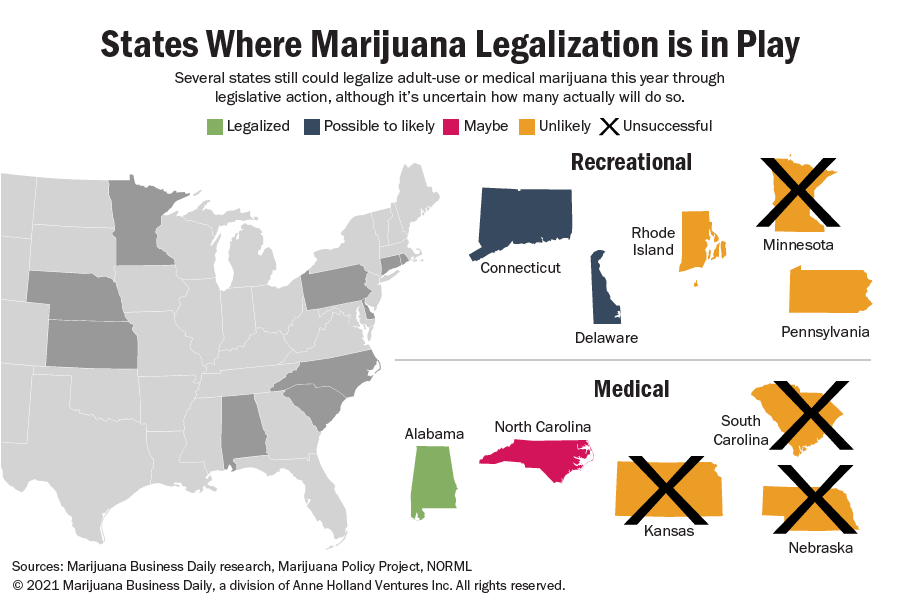
For travelers visiting Texas, understanding the current laws is paramount. Possessing even small amounts of marijuana that exceed the low-THC limits can lead to arrest and legal trouble. This means that individuals who are accustomed to the legal cannabis markets in other states must be particularly vigilant when traveling to Texas. They cannot simply assume that the rules are the same.
The distinction between low-THC cannabis and recreational marijuana is crucial. While medical patients with a prescription can legally obtain and use low-THC products, recreational use of any amount of marijuana remains illegal. This can create confusion for visitors who may be familiar with the dispensaries and consumption lounges in other parts of the country.
Potential for Cannabis Tourism
If Texas were to legalize recreational marijuana, it would undoubtedly open up new avenues for tourism. Cities like Austin, known for its vibrant live music scene and unique culture, or the historical charm of San Antonio, could see an influx of visitors drawn by the availability of legal cannabis.
- New Attractions and Experiences: The development of dispensaries, consumption lounges, and cannabis-friendly accommodations could create entirely new tourist attractions. Imagine a cannabis-themed brewery tour in the Hill Country or a cannabis-infused spa retreat near a Texas resort.
- Accommodation Considerations: Hotels and resorts would need to adapt. This could mean designating specific smoking areas, offering cannabis-friendly rooms, or even partnering with local dispensaries to provide curated guest experiences. However, federal law still prohibits marijuana use in federal buildings, and many hotel chains have policies against smoking of any kind, so navigating this would be complex.
- Economic Boost for Local Businesses: Beyond the cannabis industry itself, related businesses such as restaurants, entertainment venues, and shops could see increased patronage from cannabis tourists.
However, the state’s conservative culture and vast size present unique challenges. Implementing a statewide cannabis tourism strategy would require careful planning and considerable investment to ensure public safety and responsible consumption. For now, travelers to Texas must adhere to existing state laws.
Lifestyle and Accommodation in the Lone Star State
The question of weed legality in Texas extends beyond tourism and touches upon the daily lifestyle of its residents and the choices available for accommodation.
Shifting Consumer Habits and Choices
For Texans, the legal status of cannabis influences their access to products, their perception of risk, and their overall lifestyle choices. The existence of the low-THC program has introduced some consumers to cannabis-based products for therapeutic purposes, but the lack of recreational access means that many still turn to the illicit market or refrain from using cannabis altogether.
If recreational legalization were to occur, it would fundamentally alter consumer habits. It would likely lead to:
- Increased availability of cannabis products: From flower and edibles to concentrates and topicals, a legal market would offer a wide variety of choices.
- Potential for regulated businesses: This would involve licensed dispensaries, cultivation facilities, and testing laboratories, ensuring product safety and quality.
- Integration into mainstream lifestyle: Cannabis could become a more accepted part of social gatherings, relaxation routines, and even creative pursuits, similar to how alcohol is currently viewed.
However, this transition would also necessitate public education campaigns regarding responsible use, potential health risks, and legal responsibilities. The cultural norms of Texas would need to adapt to accommodate this new reality.
Accommodation and Lifestyle Choices
The impact on accommodation and lifestyle is closely intertwined. Currently, individuals seeking cannabis-friendly accommodations in Texas have very limited options. Most hotels strictly prohibit smoking of any kind, and even the use of CBD products can be a gray area in some establishments.
Should Texas legalize recreational marijuana, the hospitality sector would likely see a significant shift. We might see:
- Dedicated cannabis-friendly hotels and resorts: These establishments would cater specifically to cannabis consumers, offering amenities and policies that accommodate their needs. This could include private smoking patios, cannabis concierge services, or even on-site dispensaries.
- Villas and apartments with cannabis-friendly policies: Long-term stays or vacation rentals in cities like Dallas, Houston, or El Paso could start advertising themselves as welcoming to cannabis users.
- Impact on property rentals: Landlords and property management companies would need to establish clear policies regarding cannabis use on their properties, balancing the rights of tenants with property owner concerns.
The lifestyle implications are far-reaching. Legalization could influence social norms, impact public spaces, and create new opportunities for businesses and employment. For many Texans, the prospect of legal cannabis represents a move towards greater personal freedom and a more progressive approach to drug policy. The debate continues, and the future of weed in Texas remains a dynamic and closely watched issue. The gradual shifts in legislation, coupled with growing public opinion, suggest that while the path may be slow, Texas is inching closer to a decision that could redefine its future.
LifeOutOfTheBox is a participant in the Amazon Services LLC Associates Program, an affiliate advertising program designed to provide a means for sites to earn advertising fees by advertising and linking to Amazon.com. Amazon, the Amazon logo, AmazonSupply, and the AmazonSupply logo are trademarks of Amazon.com, Inc. or its affiliates. As an Amazon Associate we earn affiliate commissions from qualifying purchases.