
Navigating the vast and diverse landscape of California without the freedom of a driver’s license can feel like a significant limitation. From the bustling urban sprawl of Los Angeles to the scenic routes of the Pacific Coast Highway, driving is an integral part of the Californian lifestyle, offering unparalleled independence and access to countless opportunities. For aspiring drivers, particularly new residents or young adults, attending a professional driving school is often the most effective and safest path to obtaining a license. However, a common question arises: “How much does driving school in California cost?” The answer, as with many services in the Golden State, isn’t a single figure but rather a range influenced by several crucial factors. This comprehensive guide will break down the expenses, explore the various options available, and highlight the invaluable long-term benefits of investing in quality driving education.
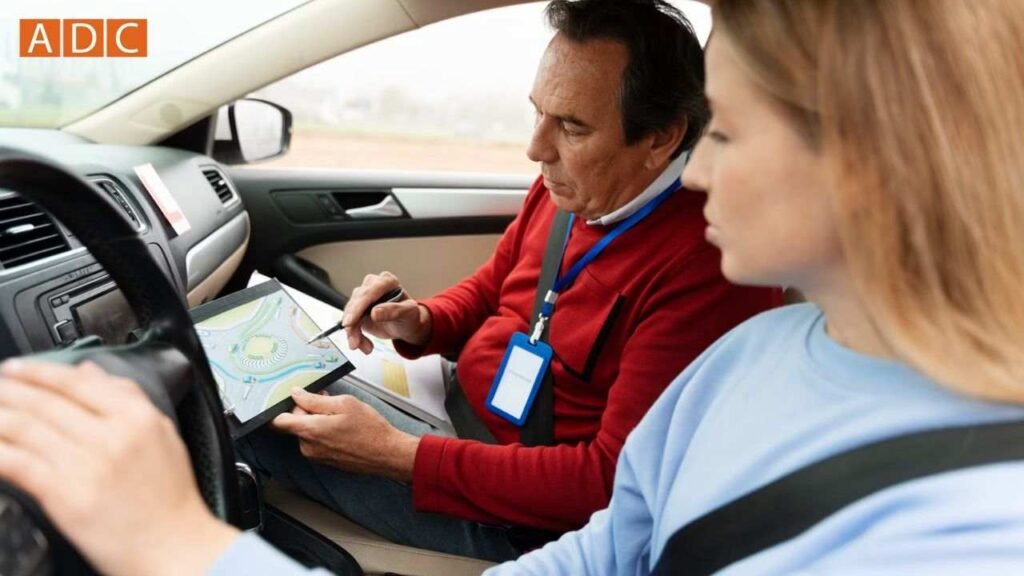
Deconstructing the Costs: What Influences Driving School Prices in California?
The cost of driving school in California can vary significantly based on the type of instruction, the number of hours chosen, the specific services included in a package, and even the geographic location within the state. Understanding these variables is key to budgeting effectively and choosing the right program for your needs.
Online vs. In-Person Driver’s Education
The first fork in the road for many prospective drivers is deciding between online and in-person driver’s education. California Department of Motor Vehicles (DMV) requires all new drivers under 18 to complete 30 hours of driver’s education (DE) before they can even apply for a provisional permit.
- Online Driver’s Education: This option has surged in popularity due to its flexibility and typically lower cost. Online courses allow students to complete the required 30 hours at their own pace, from the comfort of their home. Prices for online DE courses in California generally range from $25 to $100. They offer a convenient way to grasp the theoretical aspects of driving, traffic laws, and road safety. While comprehensive, they require self-discipline and do not offer direct interaction with an instructor for immediate clarification.
- In-Person Driver’s Education: Traditional classroom-based DE provides a structured learning environment with a live instructor. These courses can be more engaging for some students, allowing for real-time questions and peer interaction. However, they come with fixed schedules and are generally more expensive, ranging from $150 to $400. Some high schools in California may offer DE courses as part of their curriculum, sometimes at a reduced cost or even free for enrolled students, though availability can be limited.
Behind-the-Wheel Training Packages
Once the 30 hours of driver’s education are completed and a provisional permit is obtained, the next critical step is behind-the-wheel (BTW) training. For minors in California, the DMV mandates a minimum of 6 hours of professional BTW instruction with a certified driving instructor. This is often the most significant cost component of driving school.
- Standard 6-Hour Packages: Most driving schools offer a basic package to meet the minimum DMV requirement. These packages typically involve three two-hour sessions. Prices for 6 hours of BTW training can range from $350 to $600, depending on the school’s reputation, instructor experience, and location. For example, schools in metropolitan areas like San Francisco or San Jose might charge more than those in less densely populated regions.
- Extended Training Hours: While 6 hours is the minimum, many students opt for additional instruction to build confidence and refine their skills. Schools often offer packages with 8, 10, or even 20 hours of BTW training. Each additional two-hour session typically costs between $100 and $200 when purchased individually or as part of a larger package. The more hours you buy upfront, the lower the per-hour cost usually becomes.
- Practice Driving Test & Car Rental: Some schools offer an optional service where an instructor accompanies the student to the California DMV for their driving test, often including a warm-up lesson and the use of the school’s vehicle. This service can add another $150 to $250 to the total cost but can be invaluable for reducing test day anxiety.
Comprehensive Packages and Discounts
To simplify the process and often save money, many driving schools offer combined packages that include both the 30 hours of online or in-person driver’s education and the required 6 hours (or more) of behind-the-wheel training. These bundles can range from $400 to $800+, offering a streamlined solution. Additionally, look out for potential discounts, such as seasonal promotions, student discounts, or referral bonuses, which can further reduce the overall expense.
Navigating Driving School Options in the Golden State
California offers a wide array of driving school options, each with its own characteristics, pricing, and benefits. Making an informed choice involves understanding the different types of providers available.
Independent Driving Schools
Independent driving schools are often locally owned and operated, providing a more personalized experience. These schools might have a smaller fleet of vehicles and fewer instructors, potentially leading to more consistent instructor-student pairings.
- Pros: Often more competitive pricing, potentially more flexible scheduling, and a strong focus on community reputation. They might offer more tailored instruction based on individual student needs.
- Cons: Variability in instructor quality or vehicle maintenance. It’s crucial to verify their licensing with the California DMV and read online reviews. Their service areas might be more geographically restricted.
Larger Franchise Driving Schools
Franchise schools, such as those with multiple locations across Southern California or Northern California, typically offer standardized curricula, a larger fleet of newer vehicles, and a wider pool of instructors.
- Pros: Consistent quality, professionally maintained vehicles (often with dual controls for safety), and convenient scheduling through centralized systems. They often have robust customer service departments.
- Cons: Potentially higher prices due to overheads. The standardized approach might feel less personalized to some students. While they have multiple instructors, you might not always get the same one for every lesson.
High School & Community Programs
Some public high schools in California still offer driver’s education as an elective, sometimes free of charge or for a nominal fee. Similarly, community colleges might offer adult driving courses.
- Pros: Extremely cost-effective or even free. Integrates learning into the existing academic schedule for high school students.
- Cons: Limited availability, often restricted to enrolled students. The quality and comprehensiveness can vary significantly. Behind-the-wheel training is usually not included and must be sourced separately.
Beyond Tuition: Understanding Additional Costs and Requirements
While driving school tuition is the primary expense, there are several other costs and administrative requirements associated with obtaining a driver’s license in California that you should factor into your budget.
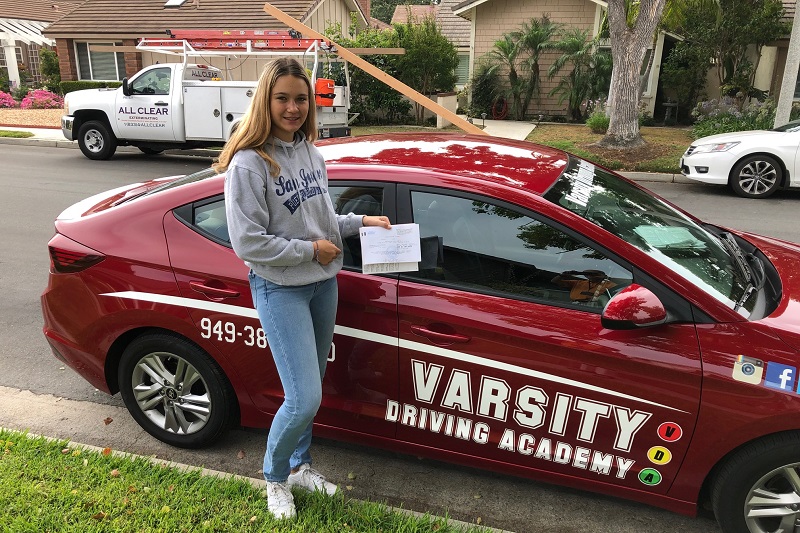
Permit and Licensing Fees
The California DMV charges fees for various stages of the licensing process:
- Provisional Permit Application Fee: This is paid when you apply for your learner’s permit after completing your driver’s education.
- Driver’s License Application Fee: This fee covers your drive test and the issuance of your provisional or adult driver’s license. If you fail the drive test, you might need to pay a retest fee.
- These fees typically range from $35 to $45 each and are non-refundable.
Insurance Implications
While not a direct cost of driving school, obtaining a driver’s license has significant insurance implications. New drivers, especially teenagers, often face higher insurance premiums. Completing an accredited driving school program, particularly one with behind-the-wheel instruction, can sometimes qualify you for discounts from insurance providers, offsetting a portion of the initial cost over time. It’s always wise to check with multiple insurance companies in cities like San Diego or Oakland once you have your permit and license.
Vehicle for the Driving Test
On the day of your official DMV drive test, you will need to provide a vehicle. This vehicle must be properly registered, insured, and in safe working condition.
- Using a Family Car: The most common option is to use a family member’s car, ensuring it meets all DMV requirements.
- Renting a School Vehicle: Many driving schools offer to rent you one of their dual-controlled, insured vehicles for your test. This service typically costs an additional $150 to $250, but it can provide peace of mind, as you’ll be familiar with the car, and it guarantees the vehicle meets all DMV standards.
The Investment Value: Why Professional Driving Instruction Matters in California
Viewing driving school solely as an expense misses the broader picture; it’s an investment in safety, skill, and lifelong independence. Especially in a state as vast and diverse as California, professional instruction provides invaluable advantages.
Mastering California’s Unique Driving Environment
Driving in California presents a unique set of challenges and experiences. From navigating multi-lane freeways in Orange County to understanding complex interchanges in Sacramento, or handling dense urban traffic, professional instructors offer specific guidance tailored to the state’s conditions. They teach defensive driving techniques crucial for managing varying speeds, lane changes, and the often-aggressive driving styles encountered in major metropolitan areas. Furthermore, instructors provide insights into unique Californian traffic laws and nuances, ensuring new drivers are not just compliant but confident and capable.
Enhanced Safety and Confidence
The primary benefit of professional driving instruction is the focus on safety. Certified instructors are trained to impart proper driving habits, hazard recognition, and emergency maneuvers from the outset. This foundational training significantly reduces the risk of accidents for new drivers, who are statistically more prone to collisions. Beyond technical skills, driving school builds confidence, allowing new drivers to feel more secure and less anxious behind the wheel, which is vital for safe operation in diverse and challenging traffic conditions. This confidence extends beyond the initial licensing period, fostering a more responsible and secure driving lifestyle.
Potential Savings in the Long Run
While driving school involves an upfront cost, it can lead to substantial savings over time. Safer driving habits instilled by professional training result in fewer accidents, which translates directly into lower insurance claims and, critically, stable or even reduced insurance premiums. Avoiding traffic tickets and violations also prevents costly fines and points on your driving record, which can further impact insurance rates. Therefore, the investment in professional driving education can pay dividends through reduced financial liabilities and peace of mind on the road.
Making an Informed Decision: Choosing the Best Driving School for Your Needs
Selecting a driving school should be based on more than just price. Consider these crucial factors to ensure you receive quality instruction that prepares you thoroughly for California’s roads.
Instructor Qualifications and Experience
The quality of an instructor can make all the difference. Look for schools that employ certified, experienced, and patient instructors who have a proven track record of successfully teaching new drivers. A good instructor should be able to adapt their teaching style to your learning pace and provide constructive feedback. Don’t hesitate to ask about their qualifications and read reviews from previous students regarding instructor effectiveness.
Vehicle Safety and Maintenance
The vehicles used for behind-the-wheel training should be modern, well-maintained, and equipped with safety features like dual controls for the instructor. This ensures a safe learning environment and minimizes mechanical issues during lessons. A school that invests in its fleet demonstrates a commitment to student safety and professional standards.

Scheduling Flexibility and Customer Service
Life in California can be busy, so a driving school that offers flexible scheduling options is a huge plus. Enquire about their availability for lessons, especially during peak times, and how easy it is to book or reschedule sessions. Responsive and helpful customer service is also an indicator of a well-run school that values its students. Clear communication channels ensure a smooth and stress-free learning experience.
In conclusion, the cost of driving school in California is a multifaceted figure, typically ranging from a few hundred dollars for basic online education and minimal behind-the-wheel training to upwards of $800 for comprehensive packages. While it represents a significant investment, the benefits of professional instruction—enhanced safety, confidence, a thorough understanding of California’s unique driving environment, and potential long-term financial savings—make it an invaluable step towards a mobile and independent lifestyle in the Golden State. By carefully considering all factors and researching reputable schools, you can make an informed decision that paves the way for a lifetime of safe and enjoyable driving.
LifeOutOfTheBox is a participant in the Amazon Services LLC Associates Program, an affiliate advertising program designed to provide a means for sites to earn advertising fees by advertising and linking to Amazon.com. Amazon, the Amazon logo, AmazonSupply, and the AmazonSupply logo are trademarks of Amazon.com, Inc. or its affiliates. As an Amazon Associate we earn affiliate commissions from qualifying purchases.