
Understanding the cost of utilities is a critical component for anyone considering accommodation in California, whether for a long-term rental, a seasonal stay, or even extended business travel. Electricity, in particular, can be a significant and variable expense that directly impacts your overall budget and the comfort of your chosen residence. While often overlooked during the initial booking or lease signing, knowing what to expect from your electricity bill in the Golden State is paramount for informed decision-making and efficient financial planning within your temporary or permanent home. This article delves into the intricacies of electricity costs in California, specifically tailored for those managing accommodation expenses.
Understanding California’s Unique Energy Landscape for Accommodations
California’s energy market is characterized by a unique blend of factors that influence electricity prices for residents and temporary occupants alike. From diverse climates dictating energy demand to a complex regulatory environment and varied utility providers, understanding these elements is crucial for anyone budgeting for their stay.
The Golden State’s Diverse Climate and Energy Demands
California’s vast geography encompasses a wide array of microclimates, each with distinct energy consumption patterns. For instance, coastal cities like San Francisco often experience mild temperatures year-round, leading to relatively lower heating and cooling demands. In contrast, inland areas such as Sacramento and Fresno endure scorching summers, necessitating extensive air conditioning use, which significantly inflates electricity bills. Similarly, the desert regions near Palm Springs face extreme heat, while mountainous areas can require substantial heating during winter months. This climatic diversity means that the “average” electricity bill can vary wildly depending on your chosen accommodation’s location, making localized research indispensable. A property in sunny Los Angeles might rack up high cooling costs, while a cozy rental in a colder northern region could see higher heating expenses.
Key Utility Providers and Their Service Areas
The majority of California’s electricity is supplied by three major investor-owned utilities, each operating within distinct service territories and having their own rate structures. These are:
- Pacific Gas and Electric Company (PG&E): Primarily serves northern and central California, including the San Francisco Bay Area and much of the Central Valley.
- Southern California Edison (SCE): Covers much of central and southern California, from the Central Coast to the Inland Empire and parts of Los Angeles County.
- San Diego Gas & Electric (SDG&E): Serves San Diego County and southern Orange County.
Additionally, numerous smaller municipal utilities and community choice aggregation (CCA) programs operate across the state, offering potentially different rates and energy mixes. When evaluating accommodation, identifying the local utility provider is a fundamental first step in estimating your electricity costs. Their websites typically offer detailed rate schedules and tools for estimating usage.
The Impact of Time-of-Use (TOU) Rates on Your Stay
A significant factor impacting California electricity bills, especially for those in long-term accommodation, is the widespread adoption of Time-of-Use (TOU) rates. Under TOU plans, the cost of electricity varies throughout the day, week, and even by season, reflecting the demand on the grid. Electricity is most expensive during “on-peak” hours (typically late afternoon to early evening when demand is highest) and cheapest during “off-peak” hours (late night to morning).
For tenants, understanding and adapting to TOU rates can lead to substantial savings. Shifting high-energy activities like running dishwashers, doing laundry, or charging electric vehicles to off-peak hours can significantly reduce your monthly bill. This requires a conscious effort in managing daily routines within your accommodation, making smart scheduling a key strategy for budget-conscious residents. Most residential customers are defaulted to a TOU plan, making this an unavoidable consideration for nearly all accommodations.
Breaking Down Your Electricity Bill in California Accommodation
A California electricity bill is more than just a charge per kilowatt-hour (kWh). It’s a multi-faceted document that includes various components, each contributing to the final amount you pay for your accommodation’s energy consumption. Understanding these elements demystifies the bill and helps in managing costs.
Components of the Bill: Generation, Transmission, Distribution, and Public Purpose Programs
Your electricity bill is generally segmented into several key charges:
- Generation: This covers the cost of producing electricity, whether from natural gas, renewables, or other sources.
- Transmission: These charges pay for the high-voltage lines that move electricity from power plants to substations.
- Distribution: This component covers the cost of delivering electricity from substations to your accommodation via local power lines. This includes maintenance, repairs, and customer service.
- Public Purpose Programs (PPPs): These are state-mandated charges funding various initiatives, such as energy efficiency programs, low-income assistance, and renewable energy development. While a smaller percentage of the bill, they are a consistent charge.
Each of these components can have its own rate structure, which collectively determines your total cost.
Average Costs Per Kilowatt-Hour (kWh) Across Regions
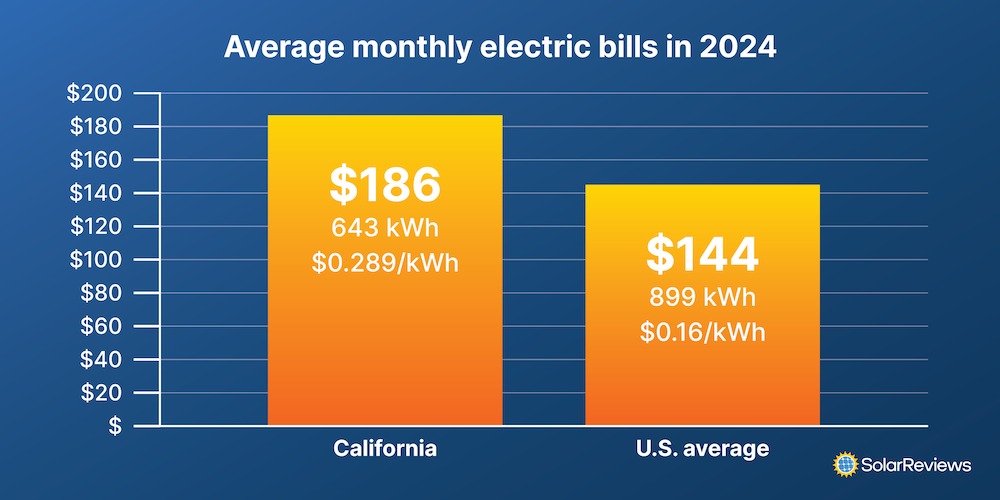
The average cost per kWh in California is among the highest in the United States, yet it varies considerably by utility and region. While exact figures fluctuate, residents can expect rates ranging from around $0.20 to over $0.40 per kWh, depending on their utility, rate plan, and usage tier (some plans have tiered rates where the cost per kWh increases as you use more).
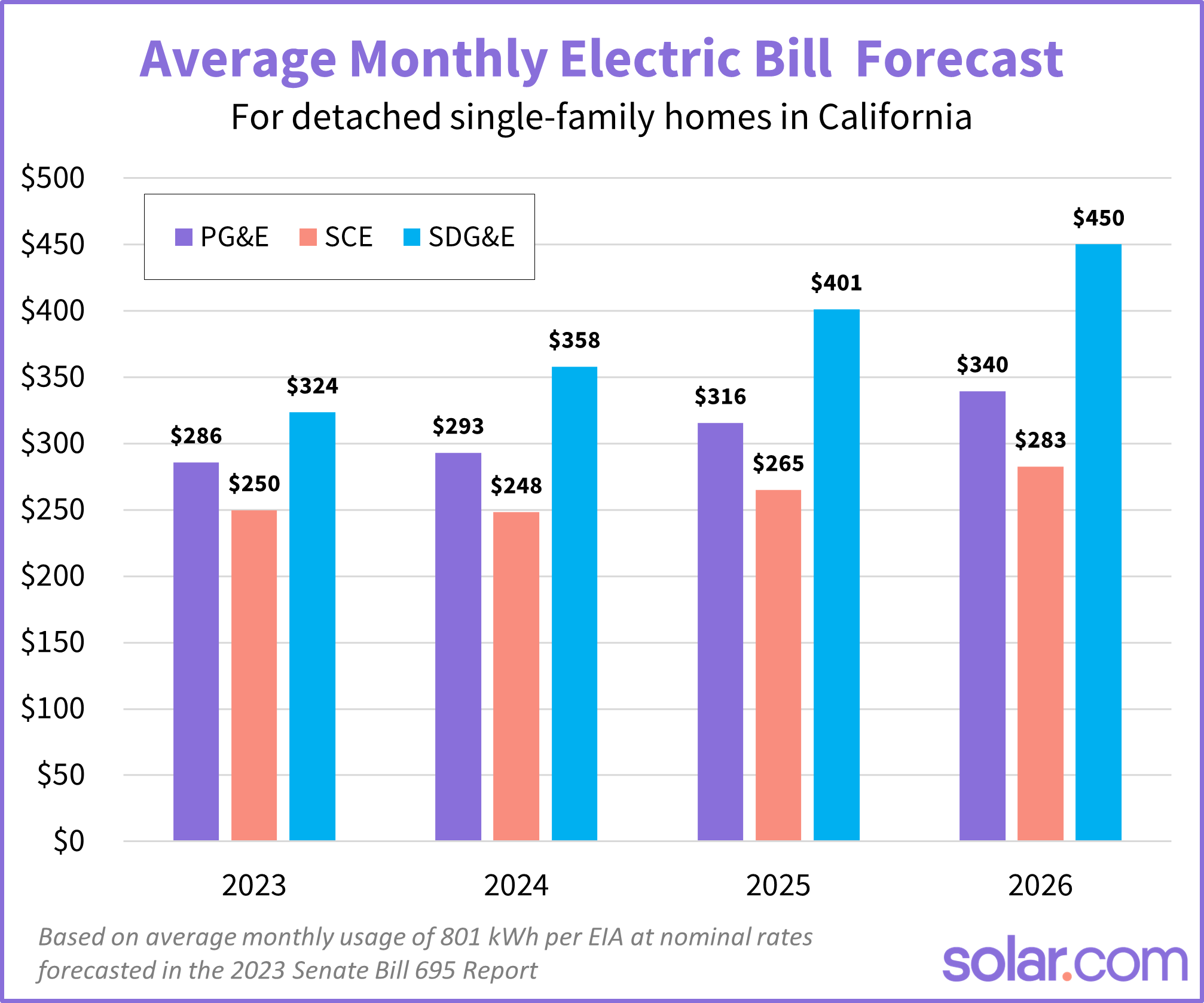
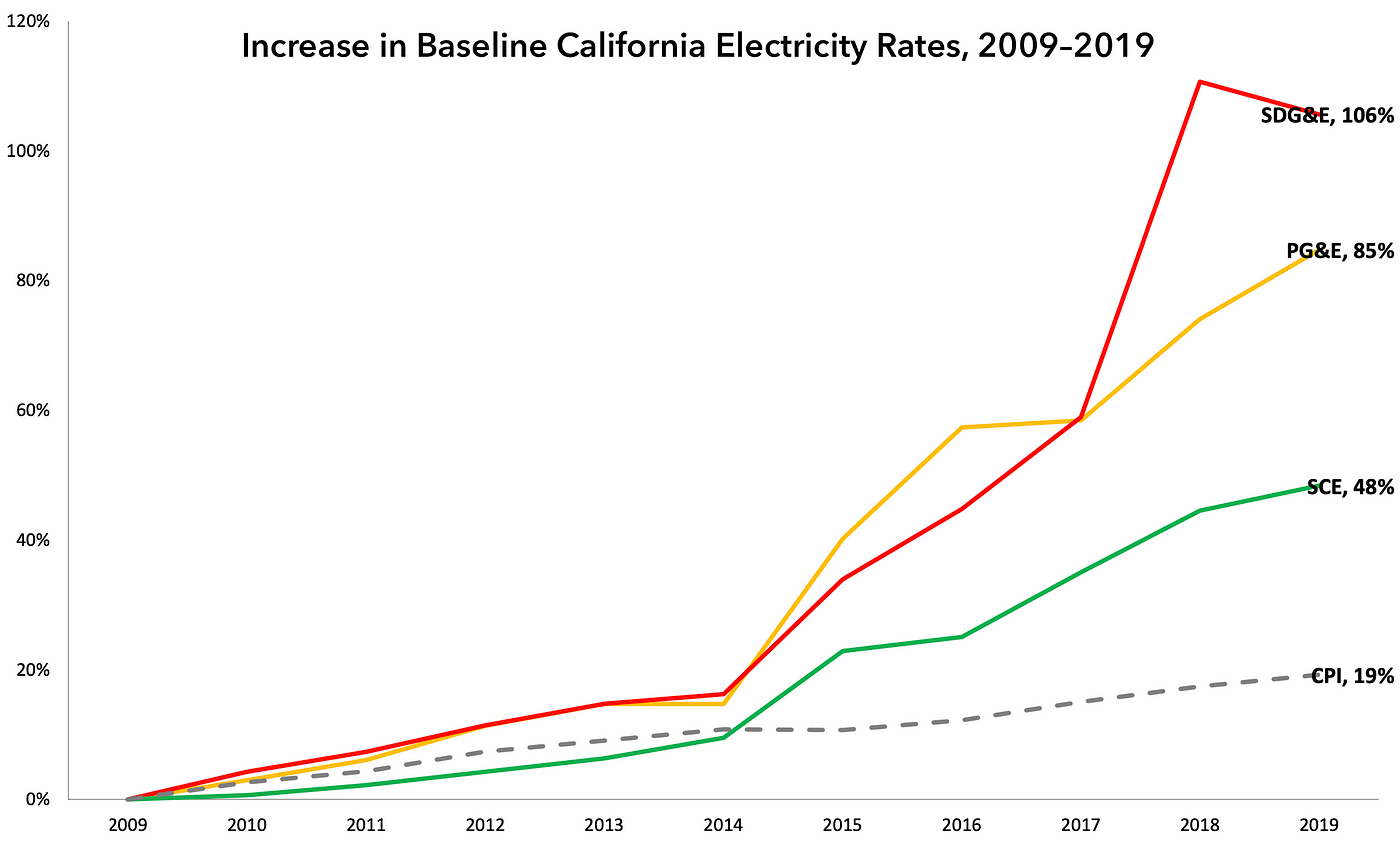
For example, SDG&E customers in San Diego typically face some of the highest rates in the state, sometimes exceeding $0.40/kWh during peak hours. PG&E and SCE rates are generally lower but can still be significantly higher than the national average. These high per-kWh costs emphasize the importance of energy conservation within your accommodation.
Beyond the kWh: Fixed Charges and Taxes on Accommodation Utility Bills
In addition to the per-kWh charges, your electricity bill will likely include various fixed charges and taxes. These can include:
- Customer Charge: A flat monthly fee that covers administrative costs, regardless of how much electricity you consume.
- Minimum Bill Charge: Some utilities may impose a minimum charge even if your consumption is very low.
- State and Local Taxes: Various taxes and surcharges applied by state and local governments.
- Regulatory Fees: Charges to cover the costs of state energy regulatory bodies.
These fixed costs mean that even if an accommodation is unoccupied or very sparingly used, there will still be a baseline electricity charge. This is an important consideration for landlords and long-term renters alike when calculating the true cost of their property.
Strategies for Managing Electricity Costs in Your California Rental or Long-Term Stay
Managing electricity costs effectively in your California accommodation requires a proactive approach, especially given the state’s higher rates. Implementing energy-efficient practices and understanding your chosen property’s energy profile can lead to substantial savings.
Energy-Efficient Practices for Tenants and Short-Term Renters
Even without owning the property, tenants can adopt numerous habits to reduce their electricity consumption:
- Thermostat Management: Set your thermostat strategically. In summer, aim for 78°F (26°C) or higher when home, and higher when away. In winter, set it to 68°F (20°C) or lower, and lower when away or asleep. Programmable or smart thermostats, if available in your accommodation, can automate this.
- Appliance Use: Maximize off-peak hours for energy-intensive appliances like washing machines, dryers, and dishwashers. Unplug chargers and electronics when not in use (“vampire load”).
- Lighting: Use natural light whenever possible. Switch to LED bulbs if your accommodation doesn’t already have them (and if permitted by your lease).
- Windows and Doors: Keep windows and doors closed when heating or cooling. Use blinds or curtains to block direct sunlight in summer and insulate in winter.
- Water Heater: Reduce water heater temperature if accessible and safe to do so. Take shorter showers.
The Role of Accommodation Type and Age in Energy Consumption
The energy efficiency of your accommodation itself plays a critical role in your electricity bill.
- Older Buildings: Older rentals might have less insulation, single-pane windows, and outdated HVAC systems, leading to higher energy leakage and consumption.
- Newer Constructions: Modern apartments and houses are often built to higher energy efficiency standards, featuring better insulation, double-pane windows, and more efficient appliances and HVAC units.
- Property Layout: The size of the accommodation, number of windows, and orientation (e.g., south-facing rooms getting more sun) all affect heating and cooling needs. When choosing an accommodation, inquire about its energy efficiency ratings or previous utility bills.
Leveraging Smart Home Technology in Modern Accommodation Units
Many contemporary California accommodation units, particularly newer builds or renovated properties, integrate smart home technology that can aid in energy management. Smart thermostats like Nest or Ecobee learn your habits and optimize temperatures, while smart lighting systems allow for precise control and scheduling. Smart plugs can turn off appliances automatically. If your accommodation offers these features, learning to use them effectively can provide convenience and significant cost savings. Even without pre-installed systems, portable smart devices can be used by tenants if allowed.
Preparing Your Accommodation Budget: What to Expect in Different California Cities
Budgeting for electricity involves more than just knowing the kWh rate; it means understanding regional variations and seasonal impacts, especially when planning a long-term stay in a specific California city.
Cost Variances in Major Metropolitan Areas
The cost of electricity, coupled with average consumption, results in differing monthly bills across California’s major metropolitan areas.
- Los Angeles and Orange County: Served primarily by SCE, these areas experience hot summers, driving up AC use. While per-kWh rates are not the absolute highest, high consumption often leads to substantial bills.
- San Francisco Bay Area (PG&E territory): Mild climate generally means lower heating/cooling needs. However, PG&E’s per-kWh rates are notoriously high, balancing out the lower consumption for many.
- San Diego (SDG&E territory): Often cited as having the highest electricity rates in the state. Even with a generally mild climate, AC use in warmer months combined with high per-kWh costs can lead to very high bills for tenants.
- Inland Empire/Central Valley (Riverside, Sacramento, Fresno): These regions experience extreme summer heat. Despite generally lower per-kWh rates than San Diego, the sheer volume of AC use during summer often translates to some of the highest residential electricity bills in California.
When selecting accommodation, research typical monthly utility costs for that specific city or even neighborhood. Online forums, local utility websites, and asking current tenants or landlords can provide valuable insights.
Seasonal Fluctuations and Their Impact on Your Accommodation Bills
Seasonality is a paramount consideration for electricity costs in California. Summer (June-September) typically sees a significant surge in electricity bills due to air conditioning use across most of the state, particularly inland. Winter (December-February) can also bring higher bills in colder regions requiring heating, though generally less dramatic than summer AC spikes. Coastal areas might see more consistent bills year-round due to stable temperatures. Budgeting for your accommodation should account for these predictable seasonal variations, perhaps setting aside more for utilities during peak usage months.
When to Factor in Electricity Costs: Long-Term Rentals vs. Short-Term Vacation Stays
The responsibility for electricity costs depends heavily on the type of accommodation.
- Long-Term Rentals (6+ months): In most unfurnished or furnished long-term rentals, tenants are responsible for setting up and paying for their own electricity accounts directly with the utility provider. This means you directly bear the fluctuating costs.
- Short-Term Vacation Stays (e.g., Airbnb, serviced apartments): Electricity is typically included in the rental price for short-term stays, similar to a hotel. However, some hosts or property managers might have “fair use” clauses or charge extra for excessive consumption to deter wasteful energy use. Always clarify utility inclusions when booking short-term accommodation.
- All-Inclusive Accommodation: A few long-term rental properties or corporate housing options might offer “all-inclusive” rent that covers utilities. While seemingly convenient, ensure the included utility cap is realistic for your expected usage, especially given California’s rates.
Navigating Rental Agreements and Utility Responsibilities
For any extended stay, the terms of your rental agreement regarding utilities are crucial. Understanding these clauses from the outset will prevent surprises down the line and ensure a smooth transition into your new California accommodation.
Understanding Lease Clauses Regarding Utilities for Accommodation
Before signing any lease, carefully review the section pertaining to utilities. This will explicitly state which utilities (electricity, gas, water, trash, internet) are the tenant’s responsibility and which, if any, are included in the rent. It should also specify the process for setting up accounts. If there’s any ambiguity, seek clarification from the landlord or property manager. Some landlords may have preferred utility providers or specific instructions for account setup. For short-term rentals, confirm with the booking agent or host if there are any caps on electricity usage.
Setting Up and Transferring Utility Accounts When Moving into a California Rental
Once you’ve secured your long-term accommodation, you’ll need to contact the relevant utility provider(s) (e.g., Pacific Gas and Electric Company, Southern California Edison, San Diego Gas & Electric) to set up an account in your name. This typically involves providing your new address, move-in date, and personal identification. It’s advisable to initiate this process a week or two before your move-in date to ensure uninterrupted service. Be prepared for potential deposit requirements, especially if you lack a credit history with the utility. When moving out, remember to contact the utility to transfer service out of your name to avoid being charged for subsequent usage.
Exploring All-Inclusive Accommodation Options vs. Separate Utility Billing
While separate utility billing allows for greater control over your energy consumption and encourages energy-saving habits, all-inclusive accommodation offers simplicity and predictable monthly expenses. If you prefer a fixed budget, an all-inclusive option might be appealing. However, ensure the included utility allowance is generous enough to cover typical usage in California, especially during peak seasons in demanding climates. For those comfortable with managing usage and seeking to minimize costs through efficiency, separately billed utilities usually offer the most cost-effective approach over the long term.
In conclusion, the cost of electricity in California can be a significant factor in your accommodation expenses. By understanding the state’s diverse energy landscape, dissecting your utility bill components, adopting energy-efficient practices, and carefully reviewing your rental agreement, you can effectively manage and budget for this essential service, ensuring a comfortable and financially predictable stay in the Golden State.
LifeOutOfTheBox is a participant in the Amazon Services LLC Associates Program, an affiliate advertising program designed to provide a means for sites to earn advertising fees by advertising and linking to Amazon.com. Amazon, the Amazon logo, AmazonSupply, and the AmazonSupply logo are trademarks of Amazon.com, Inc. or its affiliates. As an Amazon Associate we earn affiliate commissions from qualifying purchases.