
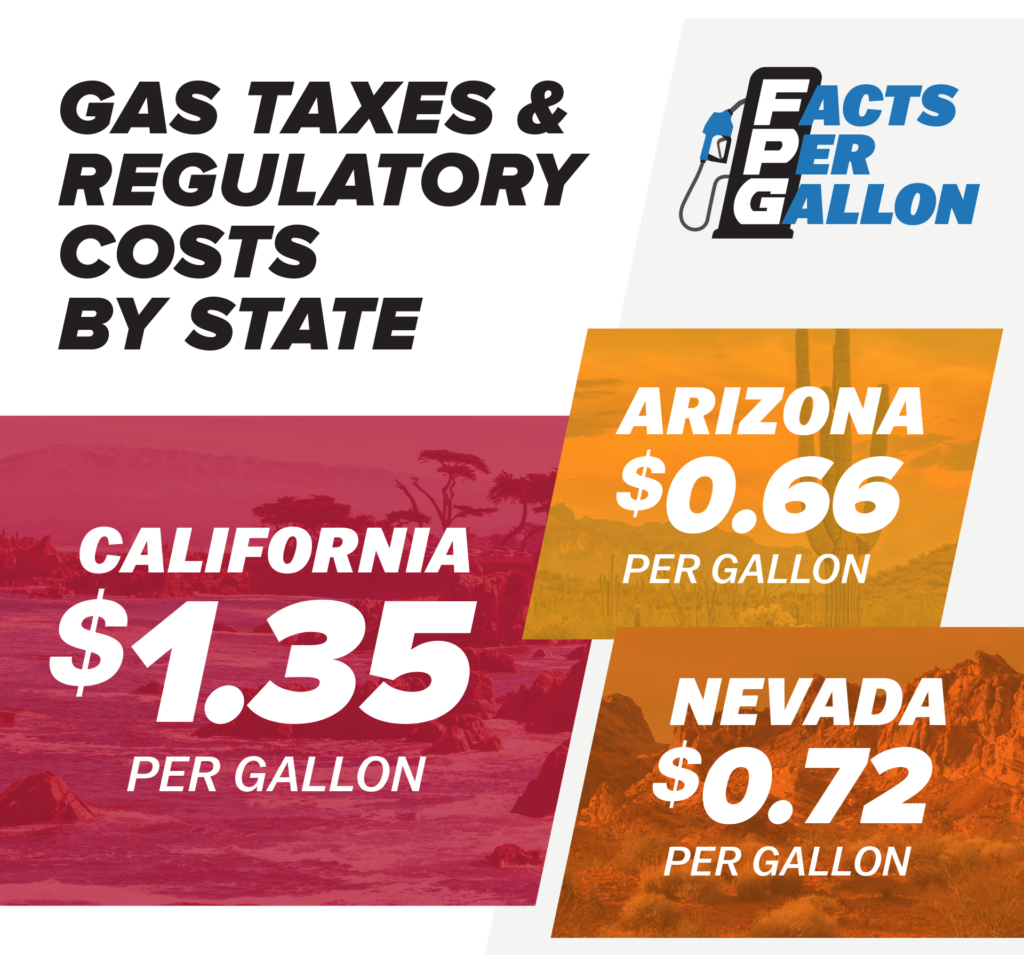
Understanding the intricacies of gas taxation in California is more than just a matter of public finance; it’s a crucial aspect of navigating the lifestyle in one of the most dynamic and expensive states in the United States. For residents, it impacts daily commutes and household budgets, influencing decisions from car purchases to housing locations. For travelers, especially those planning iconic road trips along the Pacific Coast Highway or through vast national parks like Yosemite and Death Valley, knowing the true cost of fuel is essential for accurate budgeting and an enjoyable experience. California’s gas prices consistently rank among the highest in the nation, largely due to a complex web of state and local taxes, environmental fees, and unique market conditions that collectively shape the financial landscape for anyone hitting the road. This article will demystify these costs, offering insights into why California fuel prices are what they are and how they profoundly affect lifestyle choices and travel planning.
Unpacking California’s Fuel Tax Structure
The seemingly high price at the pump in California isn’t arbitrary; it’s a direct result of several distinct layers of taxation and fees. These components are designed to serve various state objectives, from funding critical infrastructure to pioneering environmental initiatives. Understanding each layer is key to comprehending the overall cost and its impact on the lifestyle of residents and visitors alike.
The State Excise Tax: A Primary Driver
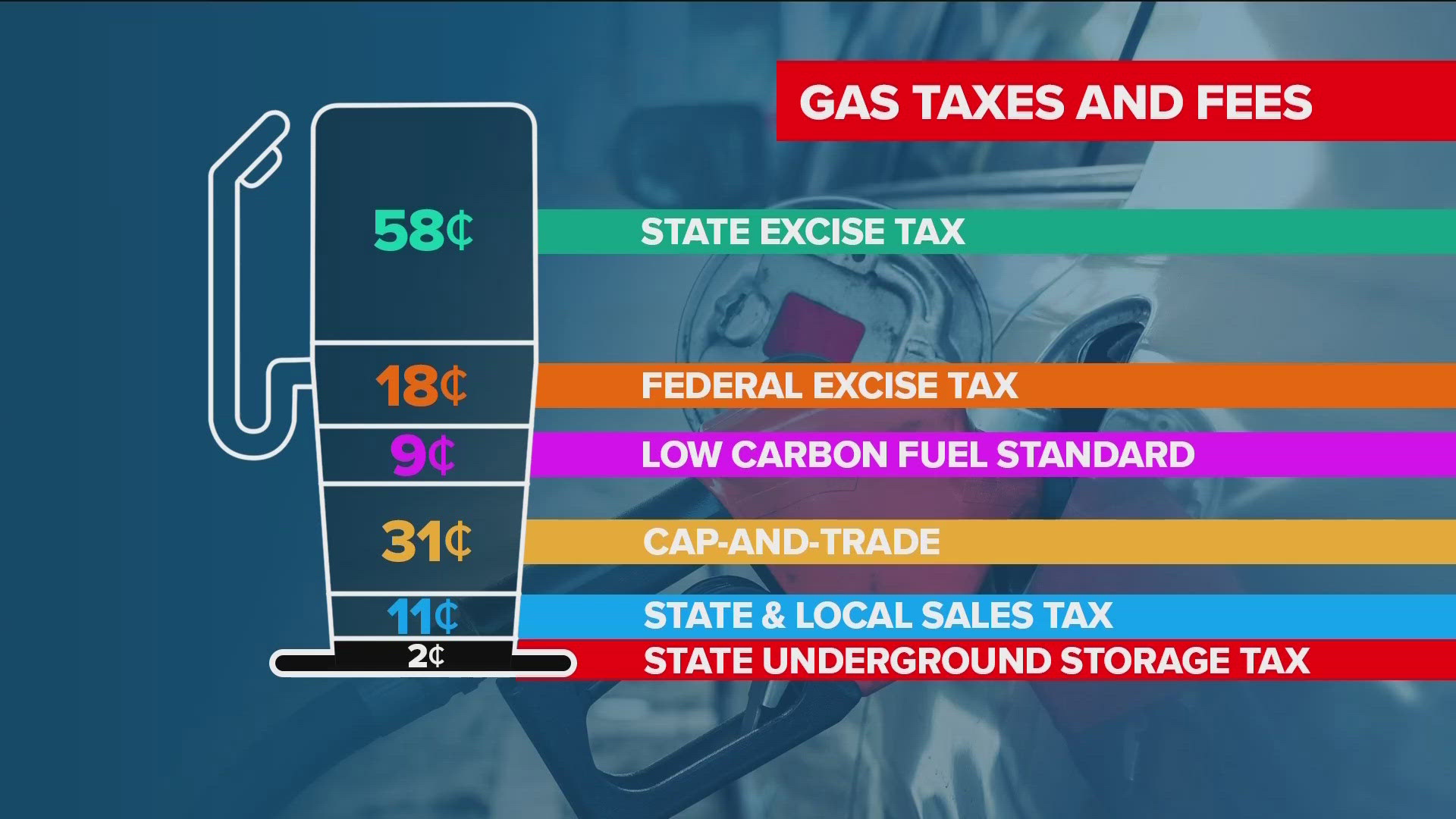
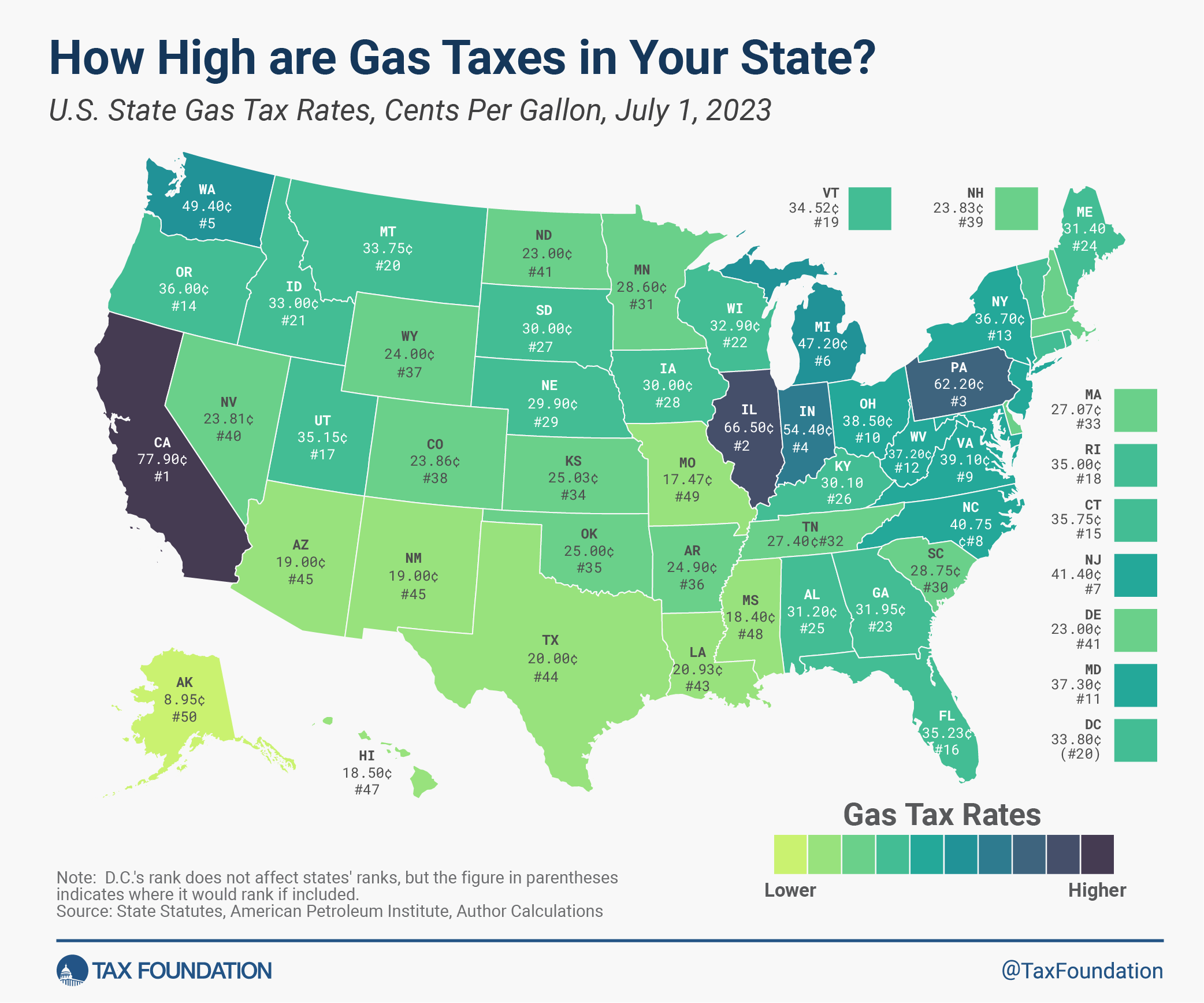
At the core of California’s fuel pricing is the state excise tax. This fixed-rate tax is levied per gallon of gasoline and is the most significant single tax component. As of recent adjustments, California’s gasoline excise tax hovers around 58 to 60 cents per gallon, often making it the highest in the nation. This rate is not static; it’s subject to annual adjustments, typically tied to inflation (Consumer Price Index), to ensure that the revenue stream keeps pace with rising costs of infrastructure maintenance and construction. The primary purpose of this tax is to fund the state’s vast transportation network, including highways, roads, bridges, and public transit systems. For commuters in sprawling metropolitan areas like Los Angeles and San Francisco, this tax represents a considerable, unavoidable daily expense that dictates aspects of their personal budgets and choice of residence relative to their workplace.
Sales Tax and Other Local Levies
Beyond the state excise tax, gasoline purchases in California are also subject to state and local sales taxes. This is a crucial distinction from many other states where gasoline is often exempt from sales tax. The sales tax in California is applied to the full pump price, which includes the excise tax, effectively creating a “tax on a tax.” While the statewide sales tax rate is 7.25%, local jurisdictions can add their own district taxes, pushing the combined rate higher in many areas. For instance, in some cities, the combined sales tax can exceed 10%. Additionally, a few local jurisdictions may impose minor surcharges or fees dedicated to specific local transportation projects or environmental programs, though these are typically smaller components. These cumulative taxes mean that a significant portion of the price paid at the pump doesn’t go towards the fuel itself or the oil company’s profits, but directly into government coffers, impacting the disposable income available for other lifestyle expenditures.
The Cap-and-Trade Program: An Invisible Cost
A unique and substantial contributor to California’s gas prices is the state’s pioneering Cap-and-Trade program. Implemented to reduce greenhouse gas emissions, this market-based program requires polluters, including fuel refiners and distributors, to buy permits for their emissions. The costs associated with purchasing these permits are inevitably passed down to consumers at the pump. While the exact figure fluctuates based on the market price of carbon allowances, estimates often place its impact in the range of 15 to 20 cents per gallon, and sometimes higher. This “invisible tax” is not explicitly itemized but is embedded in the wholesale cost of fuel. It reflects California’s ambitious environmental lifestyle goals and its commitment to combating climate change, making it a critical, albeit less obvious, factor in the state’s high gas prices.
Why California’s Gas Taxes Are So High
The high cost of gasoline in California isn’t solely a result of the number of taxes but also the underlying reasons and policy priorities that drive them. California’s unique geographic, demographic, and political landscape necessitates a robust revenue stream, which largely comes from its fuel consumers. These factors are deeply intertwined with the state’s progressive lifestyle and future vision.
Infrastructure Funding and Maintenance
California is home to the most extensive and complex transportation infrastructure in the United States, built to serve nearly 40 million residents and millions of annual tourists. This vast network, comprising thousands of miles of highways, countless bridges, and intricate urban road systems, requires continuous, substantial investment for maintenance, repair, and expansion. The state’s gas taxes are predominantly earmarked for these purposes, ensuring the smooth flow of commerce and daily life. Projects funded by these taxes improve traffic flow, enhance safety, and support public transit options in dense areas like Oakland and San Diego. For the average Californian, these taxes directly contribute to the quality of their daily commute and the accessibility of leisure travel, underscoring a commitment to a lifestyle supported by reliable public amenities, even if it comes at a higher personal cost.
Environmental Initiatives and Climate Goals
California has long been a global leader in environmental protection and climate change mitigation. The state’s aggressive goals to reduce greenhouse gas emissions, improve air quality, and transition to a clean energy economy are partly financed through fuel taxes and related programs. Beyond the Cap-and-Trade program, revenue from gas taxes can indirectly support initiatives like electric vehicle (EV) charging infrastructure, public transit expansion, and various clean air projects. These policies reflect a deeply ingrained environmental consciousness within the Californian lifestyle, where sustainability is often prioritized. While these environmental costs contribute to higher pump prices, they also fund programs designed to enhance public health, preserve natural beauty, and foster innovation in green technologies, aligning with the state’s long-term vision for a sustainable future.
Population Density and Urban Planning
With major metropolitan areas boasting some of the highest population densities in the country, California’s urban planning faces significant challenges. The sheer number of vehicles on the road, particularly in cities like Los Angeles and San Francisco, exacerbates traffic congestion, air pollution, and wear and tear on infrastructure. Higher gas taxes serve multiple purposes in this context: they generate necessary revenue to manage these impacts, discourage excessive driving, and provide an incentive for residents to consider more sustainable modes of transportation. This approach directly influences lifestyle choices, pushing individuals towards living closer to work, utilizing public transport, or opting for smaller, more fuel-efficient vehicles. The taxes become a tool for managing urban sprawl and promoting a more environmentally conscious and community-oriented lifestyle within dense areas.
The Impact on Lifestyle and Budgeting
The cumulative effect of California’s high gas taxes resonates deeply across various aspects of daily life and travel, making it a critical budgeting consideration for residents and visitors alike. Understanding these impacts is key to optimizing one’s lifestyle choices in the Golden State.
For Residents: Daily Commute and Cost of Living
For the average Californian, especially those with long commutes in sprawling regions, high gas taxes translate directly into a significant recurring expense. This impacts household budgets, often prompting individuals to adjust their lifestyle choices. Many might opt for fuel-efficient vehicles, hybrids, or even fully electric vehicles to mitigate costs, aligning with California’s greener initiatives. Others may re-evaluate their housing choices, prioritizing proximity to work or public transit options to reduce their reliance on driving. The high cost of fuel also affects the price of goods and services, as transportation expenses are often passed on to consumers. This cumulative effect contributes to California’s reputation for a higher cost of living, influencing everything from where people choose to live to how they allocate their discretionary income.
For Travelers: Planning Your California Road Trip
California is synonymous with scenic road trips, from coastal drives to desert adventures. However, travelers must factor in the state’s elevated fuel prices when planning their itinerary and budget. A trip spanning hundreds or thousands of miles across the state can accrue substantial fuel costs, significantly impacting the overall expense of the vacation. Budget-conscious travelers are advised to incorporate these costs into their planning, potentially by renting more fuel-efficient cars, utilizing apps to find the cheapest gas stations along their route, or even considering alternative modes of transport for shorter distances in urban centers. While the higher gas prices might initially seem daunting, the unparalleled beauty and diverse experiences California offers—from its vibrant cities to its majestic national parks—often justify the investment, allowing for a rich and memorable lifestyle experience, provided it’s well-planned.
Economic Repercussions and Consumer Behavior
The sustained high cost of gas taxes in California has broader economic implications, influencing consumer behavior and industry trends. The automotive market, for example, sees a strong preference for electric and hybrid vehicles, driven partly by the economic incentive to save on fuel. This shift impacts auto manufacturers, dealerships, and even the development of charging infrastructure across the state. Furthermore, industries reliant on transportation, such as logistics, agriculture, and tourism, face higher operating costs, which can sometimes lead to increased prices for goods and services or influence business location decisions. Consumer behavior is nudged towards more sustainable practices, from carpooling to utilizing public transit in metropolitan hubs like Los Angeles and San Francisco. This creates a cycle where policy influences lifestyle, and lifestyle, in turn, shapes the economy and future policy direction.
Navigating the Future of Fuel in California
California’s approach to fuel taxation is not static; it’s part of an evolving strategy to address climate change, maintain infrastructure, and adapt to technological advancements. The future of fuel consumption and taxation in the state will undoubtedly continue to shape lifestyle choices for generations to come.
The Push Towards Electric Vehicles
A significant trend impacting the future of fuel in California is the aggressive push towards electric vehicles (EVs). The state has set ambitious targets, including phasing out the sale of new gasoline-powered vehicles by 2035. This transition will inevitably diminish the revenue generated from traditional gas taxes, posing a fiscal challenge for infrastructure funding. In anticipation, policymakers are exploring alternative revenue streams, such as mileage-based user fees (MBUFs), where drivers pay based on the number of miles traveled, regardless of fuel type. This shift signifies a fundamental change in lifestyle and transportation habits for many Californians, moving away from reliance on fossil fuels towards a more sustainable, electric-powered future that aligns with the state’s environmental ethos.
Policy Debates and Potential Changes
The debate over gas taxes in California is ongoing, reflecting a delicate balance between funding critical public services, addressing environmental concerns, and managing affordability for residents. While the current tax structure supports essential infrastructure and environmental programs, there are continuous discussions regarding its fairness, economic impact, and long-term sustainability. Future policy changes might involve adjustments to tax rates, re-evaluations of environmental programs, or the introduction of new funding mechanisms to ensure that the state can continue to invest in its infrastructure and climate goals while adapting to a changing transportation landscape. These debates directly influence the cost of living and the broader lifestyle in California, highlighting the dynamic nature of governing a state committed to both progress and prosperity.
In conclusion, the question of “How Much Is Gas Taxed In California?” reveals a multifaceted answer deeply embedded in the state’s unique lifestyle. It’s not just a single tax but a combination of state excise taxes, sales taxes, and environmental surcharges like the Cap-and-Trade program. These taxes, among the highest in the United States, are crucial for funding California’s expansive infrastructure, pioneering environmental initiatives, and managing the demands of its dense population. For residents, these costs profoundly impact daily commutes and household budgets, often influencing decisions towards more sustainable transportation and living arrangements. For travelers, understanding these taxes is vital for budgeting memorable road trips across the state’s iconic landscapes. As California continues its ambitious transition towards electric vehicles and a greener economy, the future of fuel taxation will undoubtedly evolve, perpetually shaping the lifestyle and choices of everyone who calls this progressive state home or visits its remarkable destinations.
LifeOutOfTheBox is a participant in the Amazon Services LLC Associates Program, an affiliate advertising program designed to provide a means for sites to earn advertising fees by advertising and linking to Amazon.com. Amazon, the Amazon logo, AmazonSupply, and the AmazonSupply logo are trademarks of Amazon.com, Inc. or its affiliates. As an Amazon Associate we earn affiliate commissions from qualifying purchases.