
Embarking on the journey of in vitro fertilization (IVF) is a profound decision, representing a significant lifestyle choice for many individuals and couples aspiring to build a family. Beyond the emotional commitment, understanding the financial landscape is paramount, especially in a state like California where healthcare costs can vary widely. This article delves into the intricacies of IVF costs in California, approaching it as a substantial lifestyle investment in the pursuit of parenthood. We’ll break down the core components, discuss influencing factors, consider ancillary expenses, and offer insights into strategic financial planning to help you navigate this complex, yet ultimately rewarding, path.
IVF in California: A Lifestyle Investment in Family Planning
For many, IVF is more than just a medical procedure; it’s a cornerstone of their family planning, a lifestyle decision that reorients financial priorities and daily routines. California, renowned for its cutting-edge medical facilities and diverse population, is a hub for advanced fertility treatments. However, this excellence often comes with a higher price tag compared to other parts of the United States. Understanding the average cost and what it entails is the first step in preparing for this journey.
The Aspiration of Parenthood: A Financial Commitment
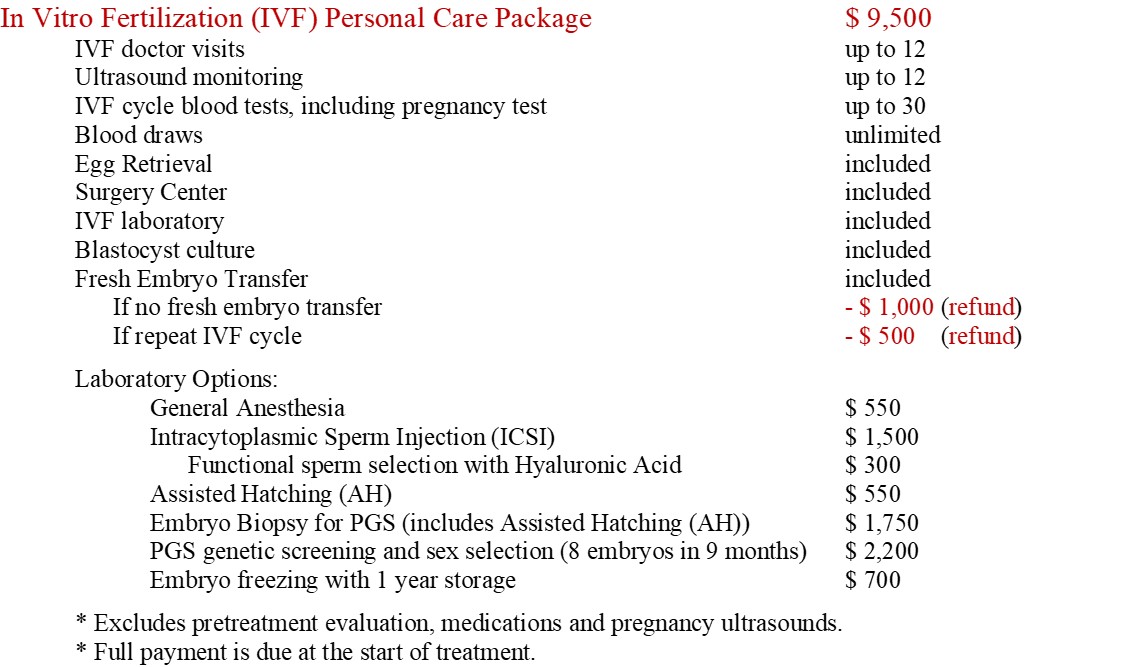
The desire to have children is a fundamental human aspiration, and for those facing fertility challenges, IVF offers a beacon of hope. Yet, the price can be a daunting barrier. In California, a single cycle of IVF can range dramatically, typically falling between $15,000 and $30,000. This range often includes basic procedures but frequently excludes essential additional services that can significantly increase the total. Viewing this as an investment in a future lifestyle, one must factor in not just the immediate medical expense, but also the potential for multiple cycles, unforeseen complications, and the emotional and physical toll.
California’s Unique Healthcare Landscape
California’s diverse economy and high cost of living inevitably impact healthcare expenses. Major metropolitan areas like San Francisco, Los Angeles, and San Diego tend to have higher clinic fees, specialist consultations, and associated medical services. This geographical variation is a critical element in budgeting for IVF, as clinic choice and location can play a substantial role in the overall financial outlay. The state also has certain mandates regarding fertility insurance coverage, which can be a significant advantage for residents, provided they meet specific criteria.
Deconstructing the Cost: Core Components of IVF Treatment
To truly understand the cost of IVF, it’s essential to dissect the primary components of a typical cycle. What might appear as a single fee on a clinic’s price list often excludes several critical services, turning an initial estimate into a much larger final bill.
Initial Consultation and Diagnostics
The IVF journey begins with a thorough diagnostic phase. This includes initial consultations with a fertility specialist, comprehensive blood tests for both partners (hormone levels, infectious disease screening, genetic testing), semen analysis for males, and various imaging tests for females (ultrasounds, hysterosalpingography). These diagnostic tests alone can cost anywhere from a few hundred to a couple of thousand dollars and are crucial for tailoring an effective treatment plan. While some clinics might bundle initial diagnostics into a package, it’s common for these to be billed separately.
Medication Protocols
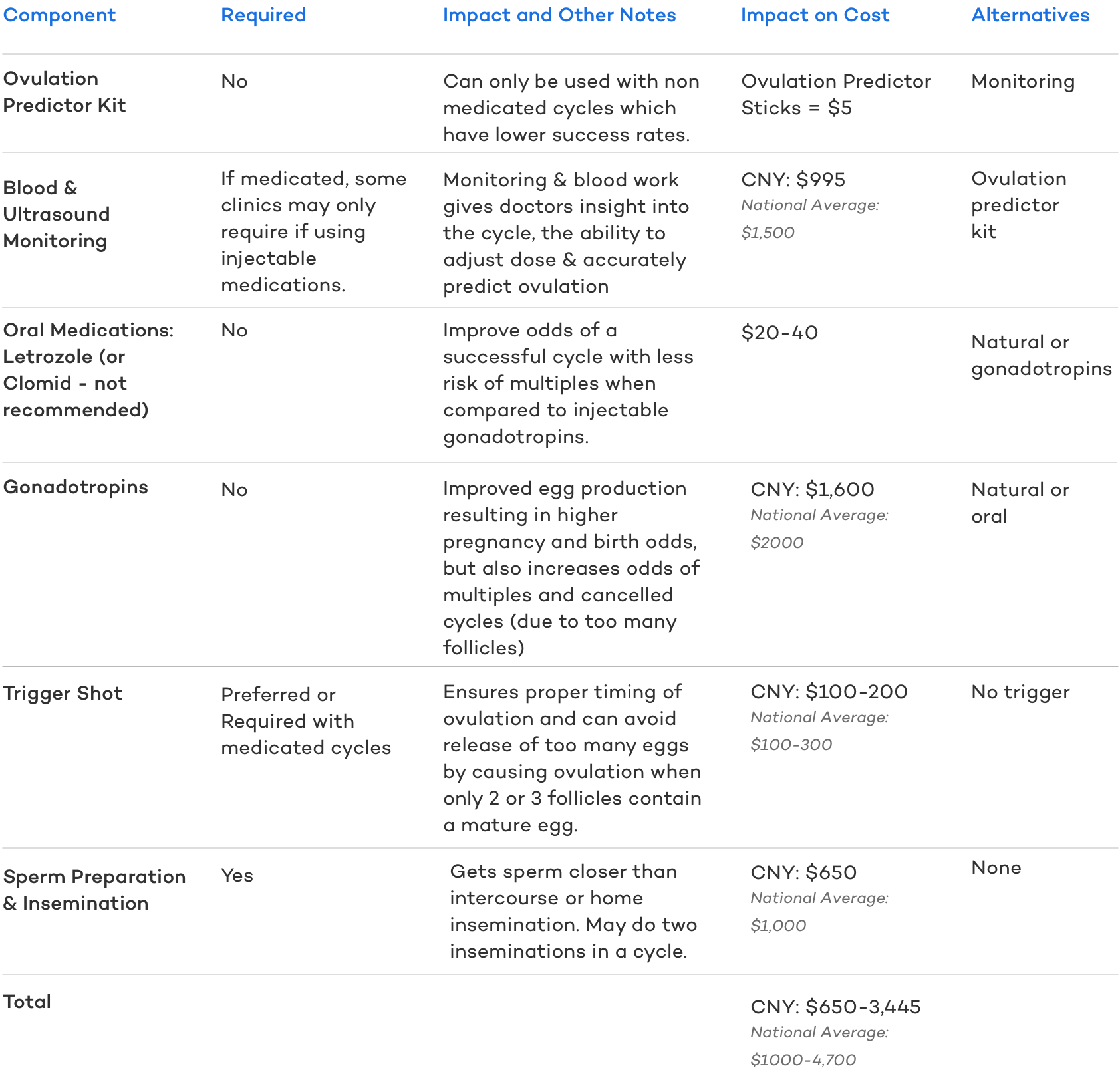
One of the most significant and often underestimated costs in IVF is medication. Fertility drugs are potent and highly specialized, designed to stimulate egg production, trigger ovulation, and prepare the uterus for embryo transfer. These medications, which can include gonadotropins, GnRH agonists/antagonists, and progesterone, can cost between $3,000 and $7,000 per cycle, or even more for certain protocols or individual patient needs. The exact dosage and type of medication prescribed are highly individualized, adding another layer of variability to the total expense.
Core IVF Procedures
The heart of the IVF cost lies in the core laboratory and medical procedures:
- Ovarian Stimulation and Monitoring: This involves regular blood tests and ultrasounds over several days or weeks to monitor follicle development and hormone levels.
- Egg Retrieval: A surgical procedure performed under sedation to collect mature eggs from the ovaries. This includes anesthesia fees, facility charges, and the embryologist’s fees for handling the eggs.
- Sperm Retrieval/Preparation: For male partners, this involves processing sperm samples, and in some cases, surgical sperm retrieval (e.g., TESE, MESA) if natural ejaculation is not viable or effective.
- Fertilization and Embryo Culture: In the lab, eggs are fertilized with sperm (either naturally or via ICSI – Intracytoplasmic Sperm Injection) and cultured for several days to allow for embryo development.
- Embryo Transfer: The selected embryo(s) are transferred into the uterus.
These core procedures, when combined, represent the bulk of the “cycle fee” that clinics quote.
Navigating the Variables: Factors Influencing Your Total IVF Expense
The seemingly broad cost range for IVF in California is a reflection of numerous influencing factors. Recognizing these variables can help individuals prepare a more accurate budget and make informed lifestyle choices regarding their treatment.

Clinic Reputation and Location
As with many services, the reputation and location of a fertility clinic play a significant role in pricing. Highly reputable clinics with high success rates, state-of-the-art technology, and experienced specialists often command higher fees. Clinics situated in expensive urban centers like San Francisco or Los Angeles also tend to have higher overhead costs, which are reflected in their service pricing. While cost-saving may be tempting, choosing a clinic based solely on price might not always be the most strategic long-term lifestyle decision.
Specific Treatment Add-ons and Technologies
Modern IVF offers a plethora of optional add-on procedures and technologies that can improve success rates for specific patient profiles but also increase costs. These include:
- ICSI (Intracytoplasmic Sperm Injection): Often recommended for male factor infertility, this involves injecting a single sperm directly into an egg.
- PGT (Preimplantation Genetic Testing): Used to screen embryos for chromosomal abnormalities (PGT-A) or specific genetic diseases (PGT-M) before transfer. This can significantly increase the cost per cycle but might reduce the number of failed transfers or miscarriages.
- Assisted Hatching: A technique to help the embryo implant into the uterine lining.
- Cryopreservation (Embryo Freezing): Storing excess embryos for future use. This involves an initial freezing fee and annual storage fees.
- Donor Services: If donor eggs, sperm, or embryos are needed, these services (including donor compensation, agency fees, and legal fees) will add substantially to the total cost.
Each of these add-ons can add hundreds to several thousands of dollars to the total bill, depending on the service and the number of embryos involved.
Number of IVF Cycles Required
Perhaps the most unpredictable variable is the number of IVF cycles needed to achieve a successful pregnancy. While some individuals are fortunate enough to succeed on their first attempt, many require multiple cycles. Each subsequent cycle incurs the full or nearly full cost of treatment, medications, and monitoring. This iterative aspect makes budgeting particularly challenging and emphasizes the need for a robust financial plan.
Beyond Medical Bills: Lifestyle and Ancillary Costs to Consider
The financial implications of IVF extend far beyond direct medical bills. A holistic lifestyle perspective requires accounting for indirect and ancillary costs that can significantly impact the overall budget and daily living.
Travel and Accommodation Expenses
For many, the chosen fertility clinic might not be in their immediate vicinity, especially if seeking specialized care or specific success rates. This necessitates travel, which can include gas, airfare, and potentially extended stays in hotels or short-term rentals, particularly for monitoring appointments or retrieval/transfer procedures. If traveling to California from another state or country, these costs become even more substantial, effectively turning the IVF journey into a form of medical travel. Even within California, traveling from, say, Sacramento to San Francisco for appointments can accumulate significant expenses.
Time Off Work and Lost Income
The IVF process is intensive, requiring frequent clinic visits for monitoring, blood tests, and procedures. These appointments often occur during standard working hours. Taking time off work for these appointments, and for recovery post-procedure, can lead to lost income, especially for hourly wage earners or those without generous paid time off. This “opportunity cost” is a critical, yet often overlooked, lifestyle financial impact.
Emotional Support and Self-Care
The emotional toll of IVF cannot be overstated. The journey is often stressful, anxious, and emotionally draining. Many individuals find immense value in seeking professional mental health support, such as counseling or therapy, specifically tailored for fertility patients. Investing in self-care activities, whether it’s acupuncture, yoga, or simply leisure activities to de-stress, also contributes to overall well-being and can incur costs. While not medical, these lifestyle support systems are vital for maintaining mental health throughout the process.
Strategic Financial Planning for Your IVF Journey in California
Given the substantial costs involved, strategic financial planning is indispensable for anyone considering IVF in California. Proactive planning can alleviate financial stress and allow you to focus on the emotional and physical aspects of treatment.
Understanding Insurance Coverage in California
California has one of the strongest fertility insurance mandates in the United States, requiring most health plans to cover diagnosis and treatment of infertility. However, this coverage is often nuanced and comes with significant limitations. It’s crucial to:
- Review your specific policy: Understand what your plan covers (diagnostic services, medication, specific procedures like IVF), what the deductibles and co-pays are, and if there are lifetime maximums.
- Check employer-sponsored plans: Some employers offer enhanced fertility benefits beyond state mandates.
- Understand medical necessity: Insurance often requires a formal diagnosis of infertility and may mandate a certain period of “unexplained infertility” or less invasive treatments before covering IVF.
It is highly recommended to work closely with your clinic’s financial coordinator and your insurance provider to clarify coverage details before beginning treatment.
Exploring Financing Options and Discount Programs
If insurance coverage is limited, various other financial avenues can be explored:
- Fertility Financing Programs: Many clinics partner with specialized lenders that offer loans specifically for fertility treatments, often with tailored repayment plans.
- Multi-Cycle Packages: Some clinics offer discounted packages for multiple IVF cycles, which can be cost-effective if multiple attempts are anticipated. These packages may also include a “refund guarantee” if pregnancy is not achieved within a certain number of cycles, though these often come with stricter eligibility criteria and higher upfront costs.
- Pharmaceutical Discount Programs: Manufacturers of fertility drugs often have programs to help eligible patients reduce medication costs.
- Grants and Foundations: Several non-profit organizations offer grants to help individuals and couples afford fertility treatments. Researching these options can provide much-needed financial relief.
Budgeting and Savings Strategies
Creating a detailed budget that accounts for all potential IVF-related expenses, both direct and indirect, is fundamental. Consider setting up a dedicated savings fund specifically for this purpose. Exploring health savings accounts (HSAs) or flexible spending accounts (FSAs) can also provide tax advantages for qualified medical expenses. For those with a long-term outlook on family planning, starting to save early can make a significant difference.
Embarking on the IVF journey in California is a deeply personal and often expensive undertaking. By approaching it as a carefully considered lifestyle investment, understanding the multifaceted costs, and engaging in strategic financial planning, individuals and couples can better prepare themselves for the challenges and ultimately, the potential joys, that lie ahead. The financial burden can be heavy, but with diligent preparation and resourcefulness, the dream of building a family can become a tangible reality.
LifeOutOfTheBox is a participant in the Amazon Services LLC Associates Program, an affiliate advertising program designed to provide a means for sites to earn advertising fees by advertising and linking to Amazon.com. Amazon, the Amazon logo, AmazonSupply, and the AmazonSupply logo are trademarks of Amazon.com, Inc. or its affiliates. As an Amazon Associate we earn affiliate commissions from qualifying purchases.