
Understanding the financial landscape of any region is paramount for informed lifestyle decisions, whether you’re considering a move, an extended stay for remote work, or simply planning your budget for a prolonged visit. For those eyeing the Golden State, a crucial component of this financial blueprint is grasping the intricacies of the state’s income tax. California, renowned for its innovation, vibrant culture, and diverse natural beauty, also operates one of the nation’s most progressive income tax systems, directly impacting the disposable income and financial planning of its residents and those who earn income within its borders. Delving into “how much” isn’t just about a number; it’s about understanding the system, its implications for your personal finances, and how it shapes the broader economic environment for a chosen lifestyle.
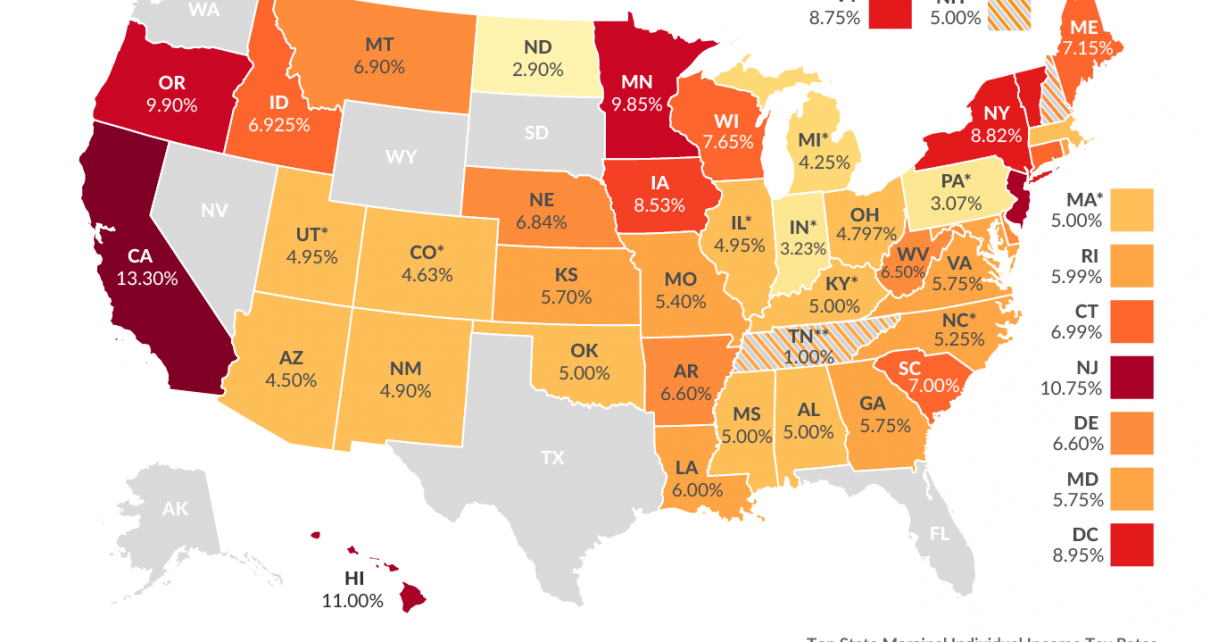
Understanding California’s Progressive Tax System
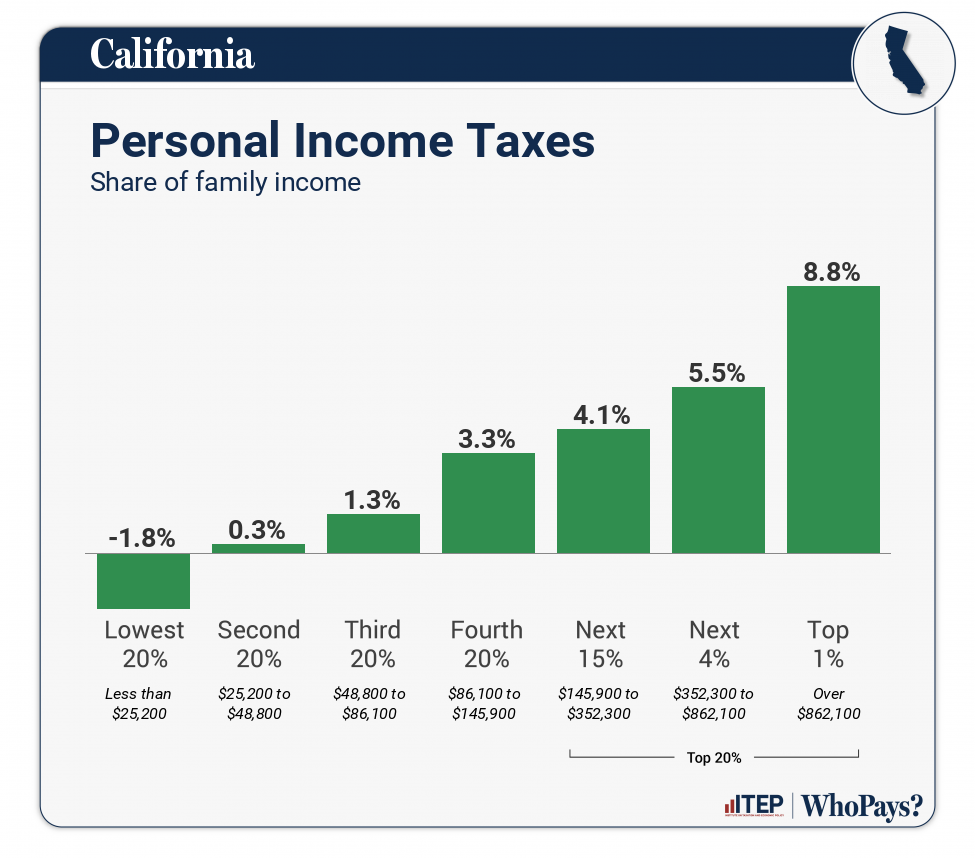
California’s state income tax system is designed on a progressive scale, meaning that as your taxable income increases, so does the rate at which it is taxed. This structure is a defining characteristic of the state’s approach to funding its extensive public services, from education and infrastructure to healthcare and social programs. For individuals and families planning their financial future or evaluating the cost of living in the state, a clear understanding of this system is indispensable.
The Basics of Tax Brackets
At the heart of California’s progressive system are its income tax brackets. These brackets establish different tax rates for various income levels, ensuring that those with higher incomes contribute a larger percentage of their earnings to state coffers. The state features some of the highest marginal income tax rates in the U.S., which often surprises newcomers. For instance, while lower income brackets might see rates in the single digits, the top marginal rates can reach well into double digits, exceeding 13% for the highest earners. It’s crucial to remember that these are marginal rates, meaning only the portion of your income that falls into a particular bracket is taxed at that specific rate. Your entire income isn’t taxed at the highest rate you reach.
These brackets are adjusted annually for inflation, which means the income thresholds for each tax rate shift slightly year to year. This annual adjustment is an important detail for financial planning, as it ensures the tax system remains somewhat responsive to economic changes. The exact number of brackets and their corresponding rates can vary based on filing status—single, married filing jointly, married filing separately, head of household, or qualifying widow(er)—each having its own set of thresholds and rates. This tailored approach underscores the complexity that individuals must navigate when calculating their potential tax liability. Understanding these brackets is the first step in demystifying the financial commitment required to live and work in the state, offering a realistic perspective on net income and, consequently, one’s available budget for various lifestyle choices.
Who Pays California State Income Tax?
The question of “who pays” state income tax in California extends beyond just full-time residents. Generally, any individual who earns income sourced from California is subject to its state income tax, regardless of where they physically reside. This includes:
- Full-year residents: Individuals who consider California their permanent home or domicile for the entire tax year.
- Part-year residents: Individuals who move into or out of California during the tax year. They are taxed on all income received while a resident and on income from California sources while a nonresident.
- Nonresidents: Individuals who are not residents of California but earn income from [California](https://lifeoutofthebox.com/california] sources. This can include wages for work performed in the state, income from a business operating in California, or rental income from property located there.
For remote workers and digital nomads, this distinction is particularly pertinent. If your employer is based in California or if you perform work for California clients while physically present in the state, even for a short duration, your earnings may be subject to California income tax. This often necessitates careful tracking of physical presence and income sourcing to ensure compliance and avoid unexpected tax liabilities, which is a key element of responsible financial lifestyle planning when operating across state lines. The nuances of residency rules can be complex and are often determined by factors such as the amount of time spent in the state, the location of your family, professional ties, and the domicile declared on other official documents.
Navigating the Financial Landscape for California Living
The financial implications of California’s tax system extend far beyond just the numbers on a tax form. They permeate every aspect of one’s lifestyle, from daily spending and savings to major financial decisions like homeownership or retirement planning. Understanding how state income tax integrates with the broader cost of living is essential for sustainable financial planning in the state.
Impact on Your Disposable Income and Lifestyle
The most direct and immediate impact of California’s income tax is on your disposable income. With some of the highest marginal rates in the country, a significant portion of your gross earnings will be allocated to state taxes. This directly influences how much money you have left for housing, food, transportation, entertainment, and savings. For individuals accustomed to lower tax burdens in other states, the adjustment can be substantial and requires a careful recalibration of personal budgets.
A higher tax burden means that, to maintain a comparable lifestyle to that in a lower-tax state, you might need to earn a significantly higher gross income. This is especially true given California’s already elevated cost of living, particularly in major metropolitan areas. For instance, the dream of living in a bustling city or by the coast might require a more robust financial plan than initially anticipated. Budgeting for luxury travel, family vacations, or even everyday leisure activities becomes a more intricate exercise when a larger slice of your income is earmarked for taxes. This reality often influences career choices, salary negotiations, and even decisions about where to reside within the state, as different regions present varying costs of living alongside the consistent state tax rates.
Considerations for Remote Workers and Digital Nomads
The rise of remote work has introduced new complexities for state income taxation, particularly for those considering a nomadic or semi-nomadic lifestyle in California. As mentioned, if you earn income while physically present in the state, or if your employer is based in California, you may be subject to its income tax, even if your primary residence is elsewhere. This creates a challenging scenario for digital nomads who might spend a few months in different locations.
For example, a remote worker residing for several months in Los Angeles or San Francisco for a lifestyle experience may inadvertently establish a tax nexus, requiring them to file a nonresident California tax return and pay taxes on income earned during their time in the state. Furthermore, if their permanent residence is in another state, they might face the complexities of multi-state taxation, potentially needing to claim credits for taxes paid to California on their home state’s return to avoid double taxation. This intricate dance between physical presence, income sourcing, and residency rules demands meticulous record-keeping and often professional advice to ensure compliance. For those embracing a flexible work-and-travel lifestyle, understanding these tax implications is not just a matter of compliance but a fundamental aspect of sustainable financial freedom and peace of mind.
Beyond Income Tax: Other Financial Considerations in California
While state income tax is a major component of the financial equation in California, it’s by no means the only one. A holistic view of the state’s financial landscape requires acknowledging other significant taxes and the overall cost of living, which collectively shape the economic viability of a California lifestyle.
Property Taxes and Cost of Living
California’s property tax system, while constrained by Proposition 13 (which limits increases in assessed value for tax purposes), still contributes significantly to the cost of homeownership. Property tax rates are applied to the assessed value of real estate and vary by county and specific local levies. For potential homeowners, understanding the property tax burden is critical, as it adds to the monthly housing expenses alongside mortgage payments, insurance, and maintenance.
Moreover, the sheer cost of housing in California is legendary. Median home prices and rental costs in many desirable areas far exceed national averages. This high cost of living, combined with property taxes, can make homeownership an aspirational goal that requires substantial income and careful financial planning. Even for renters, the steep rental market directly impacts disposable income and the ability to save or invest. These factors collectively create a unique financial challenge that needs to be factored into any lifestyle budgeting, whether for a temporary stay or long-term residency.
Sales Tax and Everyday Expenses
In addition to income and property taxes, California levies a statewide sales tax on the retail sale of tangible personal property. The base statewide sales tax rate is significant, but local jurisdictions (cities and counties) can impose additional district taxes, pushing the combined sales tax rate even higher in many areas. This means that nearly every purchase, from groceries (though some food items are exempt) to clothing, electronics, and even some services, will incur an additional charge.
For individuals and families, the cumulative effect of sales tax on everyday expenses can be substantial over the course of a year. It’s an often-overlooked component of the overall tax burden but plays a vital role in determining real purchasing power. When planning a budget for living in California, it’s important to account for these additional costs on goods and services, as they further reduce the effective value of your disposable income. This impacts choices about where to shop, what to buy, and ultimately, the daily financial demands of a [California](https://lifeoutofthebox.com/california] lifestyle.
Strategies for Managing Your Tax Burden in California
Given the high tax rates and overall cost of living in California, proactive tax planning and management are not merely advisable but essential for maintaining a desirable lifestyle and achieving financial goals. There are various avenues for individuals to potentially reduce their tax liability or at least ensure they are not overpaying.
Deductions and Credits to Explore
California’s tax code, like the federal system, offers various deductions and credits that can reduce your taxable income or directly lower the amount of tax you owe. These include standard deductions, itemized deductions (such as mortgage interest, state and local taxes, and charitable contributions), and various credits for dependents, education, or specific types of income or expenses. Staying informed about these opportunities is crucial.
For instance, understanding eligibility for the California Earned Income Tax Credit (CalEITC), which provides a refundable credit for low to moderate-income working individuals and families, can make a tangible difference. Other credits might exist for renewable energy installations, dependent care, or specific industry workers. The key is to meticulously track eligible expenses and income sources and to review the latest tax laws annually. Leveraging these deductions and credits can significantly lighten the financial burden, leaving more disposable income for enjoying the state’s offerings or building your savings.
Professional Tax Planning Advice
Navigating the complexities of California’s tax system, especially with potential multi-state income or intricate financial portfolios, can be overwhelming for many. This is where professional tax planning advice becomes invaluable. Engaging with a qualified tax advisor, such as a Certified Public Accountant (CPA) specializing in California tax law, can provide tailored strategies to optimize your tax situation.
A professional can help you understand the nuances of residency rules, advise on effective income deferral strategies, identify all applicable deductions and credits, and assist with complex scenarios like capital gains tax planning or business income taxation. They can also ensure compliance with all state and federal regulations, preventing costly errors or penalties. For those considering a significant move to California, or remote workers with a flexible lifestyle, early consultation with a tax professional can provide clarity and peace of mind, laying a solid foundation for financial stability within the Golden State’s unique economic environment. This proactive approach is a cornerstone of responsible financial lifestyle management.
Is California’s Tax Structure Right for Your Lifestyle?
Ultimately, the decision of whether California’s tax structure aligns with your lifestyle goals is deeply personal and depends on a myriad of individual factors. There’s no single right answer, but rather an informed assessment of trade-offs, benefits, and costs.
Weighing the Benefits Against the Costs
On one hand, the higher tax revenues collected by California contribute to a robust public infrastructure, high-quality public education (though still variable), extensive social services, and investments in environmental protection and innovative industries. Many residents feel that these public services and the overall quality of life, including access to diverse natural landscapes, cultural experiences, and economic opportunities, justify the higher tax burden. The state offers a unique blend of vibrant cities, stunning national parks, pristine coastlines, and a dynamic job market, particularly in tech and entertainment, which can be highly attractive.
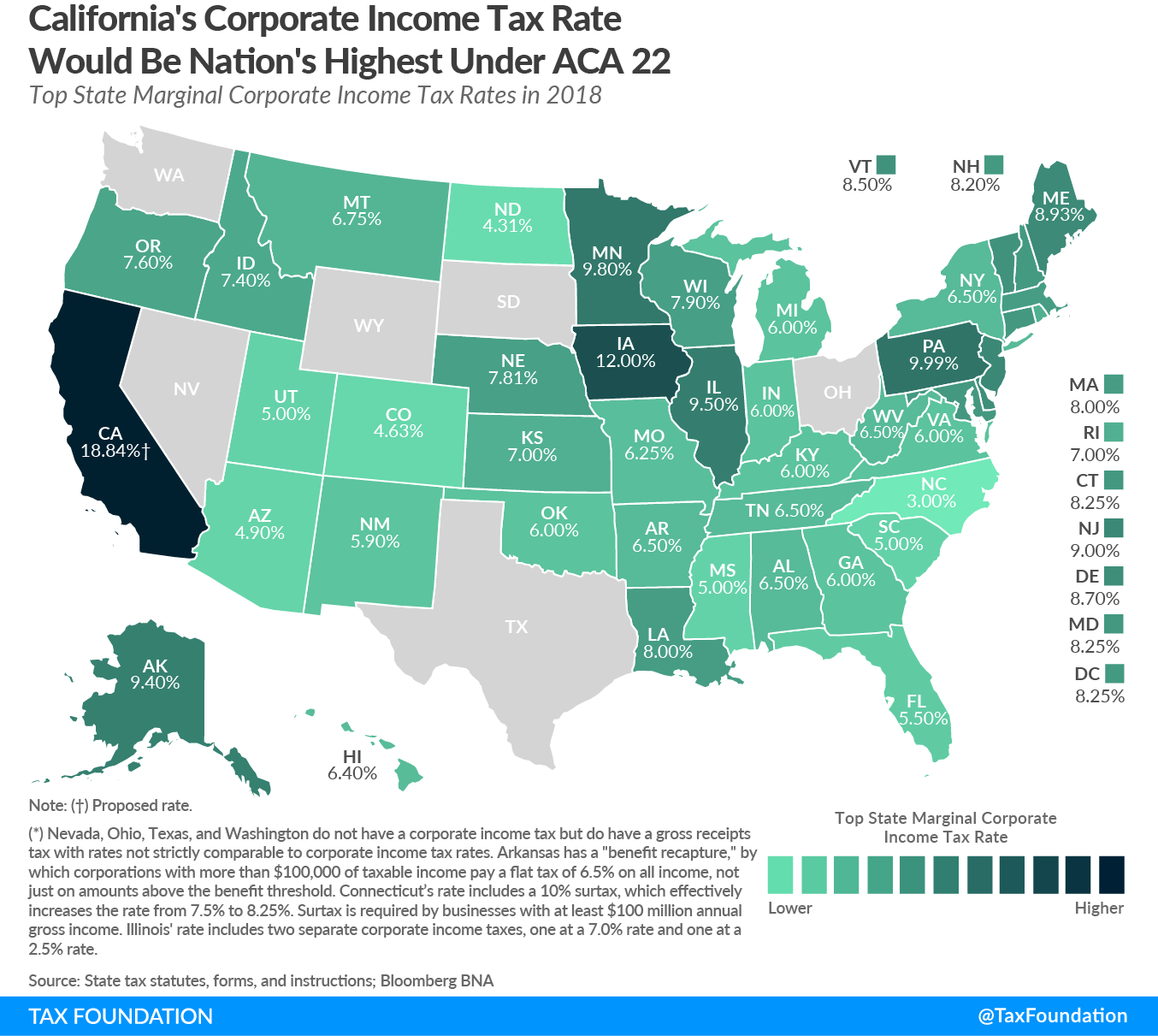
On the other hand, the financial strain of high income taxes combined with a generally high cost of living can be a significant deterrent for some, impacting their ability to save, invest, or achieve certain financial milestones like early retirement. The desire for more disposable income and greater financial flexibility often leads individuals and businesses to consider states with lower tax rates. The balance between the lifestyle benefits California offers and its financial demands is a critical consideration for anyone evaluating a move or an extended stay.
Planning for a Financially Sustainable California Experience
For those determined to embrace the California lifestyle, strategic financial planning is paramount. This involves more than just budgeting; it requires a deep understanding of your income potential, expense management, and proactive tax strategies. Consider factors such as:
- Geographic Location: Housing and living costs vary dramatically across California. Researching different regions can reveal areas that offer a more favorable balance between cost and desired lifestyle.
- Career and Income Growth: Assess your earning potential in California relative to the state’s cost of living and tax burden.
- Savings and Investments: Establish clear savings and investment goals, adapting them to the California financial environment.
- Tax Optimization: Actively seek opportunities for deductions and credits, and consider professional advice to navigate complex tax situations.
Ultimately, “How Much Is State Income Tax In California?” is a question that opens the door to a broader discussion about financial readiness and lifestyle choices. By thoroughly understanding the tax system and its broader economic context, you can make informed decisions that ensure your California experience is not only enriching but also financially sustainable.
LifeOutOfTheBox is a participant in the Amazon Services LLC Associates Program, an affiliate advertising program designed to provide a means for sites to earn advertising fees by advertising and linking to Amazon.com. Amazon, the Amazon logo, AmazonSupply, and the AmazonSupply logo are trademarks of Amazon.com, Inc. or its affiliates. As an Amazon Associate we earn affiliate commissions from qualifying purchases.