
The turn of the millennium heralded a unique economic period for California, setting the stage for rental market dynamics that would profoundly influence accommodation across the state for decades to come. For anyone considering long-term stay options or simply curious about historical housing costs, understanding rent prices in 2001 offers a crucial benchmark. It was a time when the echoes of the dot-com boom were still audible, yet the nascent whispers of a bust had begun to reshape the economic landscape, directly impacting the cost and availability of long-term accommodation. This article delves into what renters could expect to pay for a roof over their heads in California back in 2001, examining regional variations, influencing factors, and drawing comparisons to today’s vastly different market.
A Snapshot of California’s Rental Landscape in 2001
To truly grasp the rental market in California in 2001, one must first understand the prevailing economic currents. The year marked a significant transition, moving from the euphoria of the late 1990s tech boom into a period of economic recalibration.
The Economic Climate of the Early 2000s
The early 2000s in California were defined by the bursting of the dot-com bubble. This economic downturn, particularly acute in technology hubs like the San Francisco Bay Area, had a ripple effect across various sectors, including real estate. Companies were shedding jobs, and the rapid expansion fueled by venture capital slowed dramatically. While this might suggest a softening of rental prices, the reality was more nuanced. California’s inherent desirability, coupled with persistent housing supply limitations, meant that even a significant economic slowdown did not lead to a widespread collapse in accommodation costs, especially for long-term stays. Instead, it temporarily eased the ferocious upward pressure seen in the preceding years, providing a brief plateau rather than a steep decline. Cities like San Jose, the heart of Silicon Valley, experienced some cooling, but rents remained relatively high compared to national averages.
Data Limitations and General Trends
Pinpointing exact average rent figures for a specific year like 2001 can be challenging, as comprehensive, publicly available data sets were not as standardized or pervasive as they are today. However, various reports from real estate associations, economic research firms, and local government agencies provide strong indicators. Generally, the state-wide average for a 1-bedroom apartment hovered somewhere between $800 to $1,200 per month, with 2-bedroom units typically ranging from $1,100 to $1,800. These figures, however, mask significant disparities between regions and even within specific cities, highlighting the importance of looking beyond state averages when considering long-term accommodation.
Regional Variations: Rent Prices Across the Golden State
The vast and diverse geography of California naturally translated into a highly segmented rental market in 2001. What was considered affordable in one part of the state could be astronomically expensive in another.
The High-Stakes Bay Area
The San Francisco Bay Area consistently led the nation in rental costs, and 2001 was no exception. Despite the dot-com bust, the region’s strong underlying economy, limited developable land, and high demand continued to push accommodation prices upwards.
- In San Francisco itself, a 1-bedroom apartment could easily cost $1,500 to $2,000 per month, with many desirable areas exceeding these figures. A 2-bedroom unit might fetch $2,000 to $3,000 or more.
- San Jose and the surrounding Silicon Valley communities, while slightly less expensive than San Francisco, still commanded premium prices. A 1-bedroom here might range from $1,200 to $1,800, and a 2-bedroom from $1,600 to $2,500.
- Oakland, across the Bay, offered slightly more affordable options but was still considerably higher than most other U.S. cities. Expecting $1,000 to $1,500 for a 1-bedroom and $1,400 to $2,000 for a 2-bedroom was reasonable.
The scarcity of long-term stay options and intense competition characterized the Bay Area market, even during an economic slowdown.
Southern California’s Diverse Market
Southern California, while sprawling, also featured distinct rental price tiers in 2001. The region benefited from diverse industries, including entertainment, tourism, and manufacturing, drawing a steady stream of residents.
- In Los Angeles County, particularly in popular Westside neighborhoods, rents were high, though generally a notch below San Francisco. A 1-bedroom apartment could be found for $900 to $1,400, while a 2-bedroom ranged from $1,300 to $2,000. Less expensive options existed further inland or in specific neighborhoods.
- San Diego, with its desirable coastal lifestyle and strong military presence, also had a robust rental market. 1-bedroom apartments typically cost $850 to $1,300, and 2-bedroom units from $1,200 to $1,800.
- Orange County, known for its affluence and suburban sprawl, saw similar pricing, often with a premium for properties closer to the coast.
Inland Empire and Central Valley
Moving away from the major coastal metropolitan areas, rent prices in 2001 became significantly more approachable. The Inland Empire and the Central Valley represented more affordable long-term accommodation options, drawing residents seeking lower costs of living while still being within reasonable driving distance of employment centers.
- Cities like Riverside in the Inland Empire offered 1-bedroom apartments for $650 to $900 and 2-bedroom units for $850 to $1,200.
- Further north, in the Central Valley, cities such as Sacramento (the state capital) and Fresno provided even more budget-friendly options. A 1-bedroom might be $550 to $800, and a 2-bedroom $750 to $1,100.
These regions were crucial for providing more attainable housing for many Californians, making long-term stays feasible for a broader income spectrum.
Driving Factors Behind 2001 Rent Levels
Several interconnected factors shaped California’s rental market in 2001, influencing both the demand and supply sides of accommodation.
Supply and Demand Dynamics
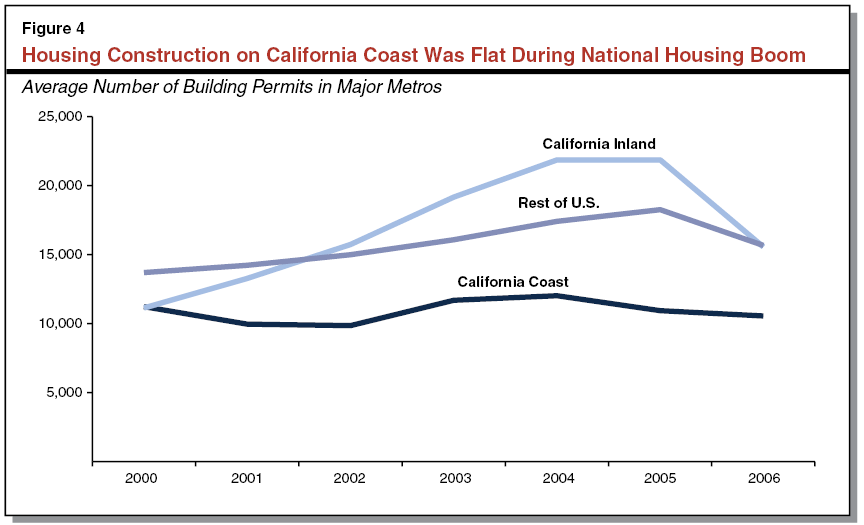
The fundamental economic principle of supply and demand played a critical role. In highly desirable areas like the Bay Area and coastal Southern California, the supply of housing simply could not keep pace with the demand. Stringent zoning regulations, environmental protections, and geographical constraints (mountains, oceans) limited new construction. This persistent housing shortage meant that even during an economic slowdown, property owners faced little pressure to significantly lower rents, especially for well-maintained long-term rental units. Conversely, areas with more available land and less dense development, like the Central Valley, saw more balanced supply-demand ratios, leading to lower prices.
Population Growth and Influx
Despite economic fluctuations, California continued to be a magnet for both domestic and international migrants in 2001. Its diverse economy, cultural appeal, and educational opportunities drew people from all walks of life. This steady influx of new residents ensured a continuous demand for accommodation, from single individuals seeking 1-bedroom apartments to families needing larger long-term stay options. The population growth acted as a powerful baseline for demand, preventing any drastic drops in rent even when other economic indicators wavered.
Policy and Regulatory Environment
The regulatory landscape also had an impact. Several California cities had, and continue to have, some form of rent control or just cause eviction ordinances in place. While these policies aim to protect tenants and stabilize rents, they can also, paradoxically, disincentivize new construction or lead landlords to withdraw units from the long-term rental market. In 2001, these regulations contributed to the complex pricing structures observed in different municipalities, influencing the types of accommodation available and their associated costs.
2001 vs. Today: A Two-Decade Perspective on California Rents
Looking back at 2001 through the lens of today’s market offers a stark illustration of how dramatically the accommodation landscape in California has transformed.
The Astronomical Rise
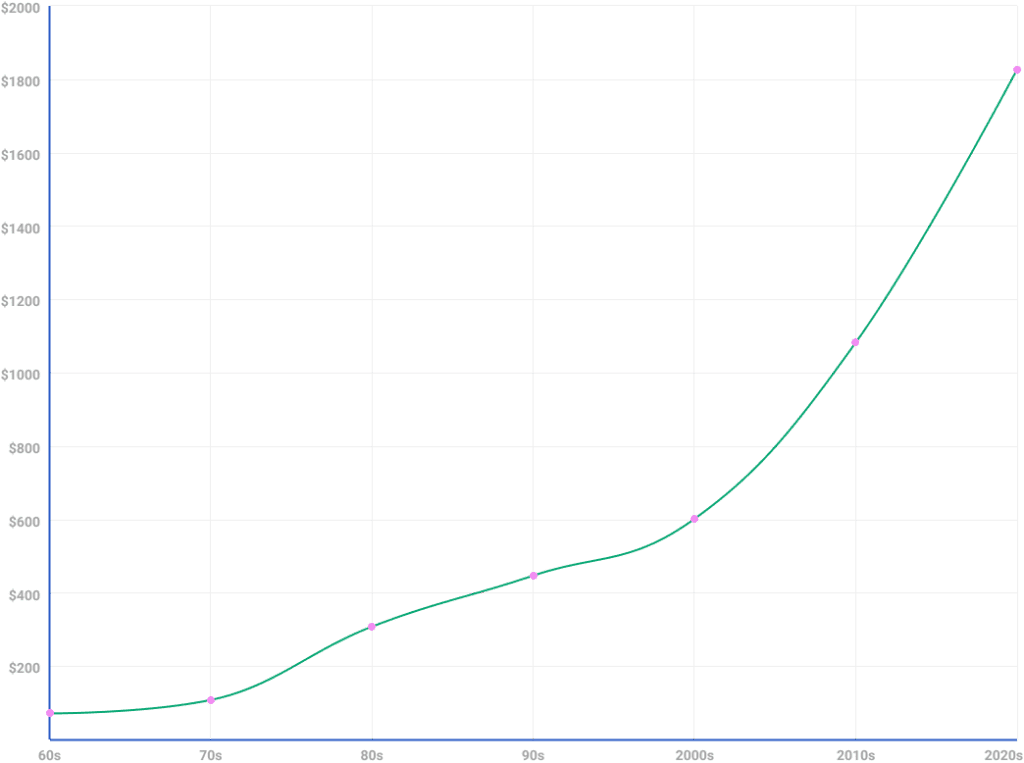
The estimated rent prices of 2001, even in expensive areas like San Francisco, seem almost quaint compared to current figures. Over the past two decades, California’s rental market has experienced an unprecedented surge, driven by renewed tech booms, continued population growth, and a deepening housing crisis. Rents across the state have, on average, more than doubled, and in some highly desirable metropolitan areas, they have tripled or even quadrupled. What was considered a premium long-term stay accommodation in 2001 would likely be considered a rare bargain today.
Shifting Affordability Landscape
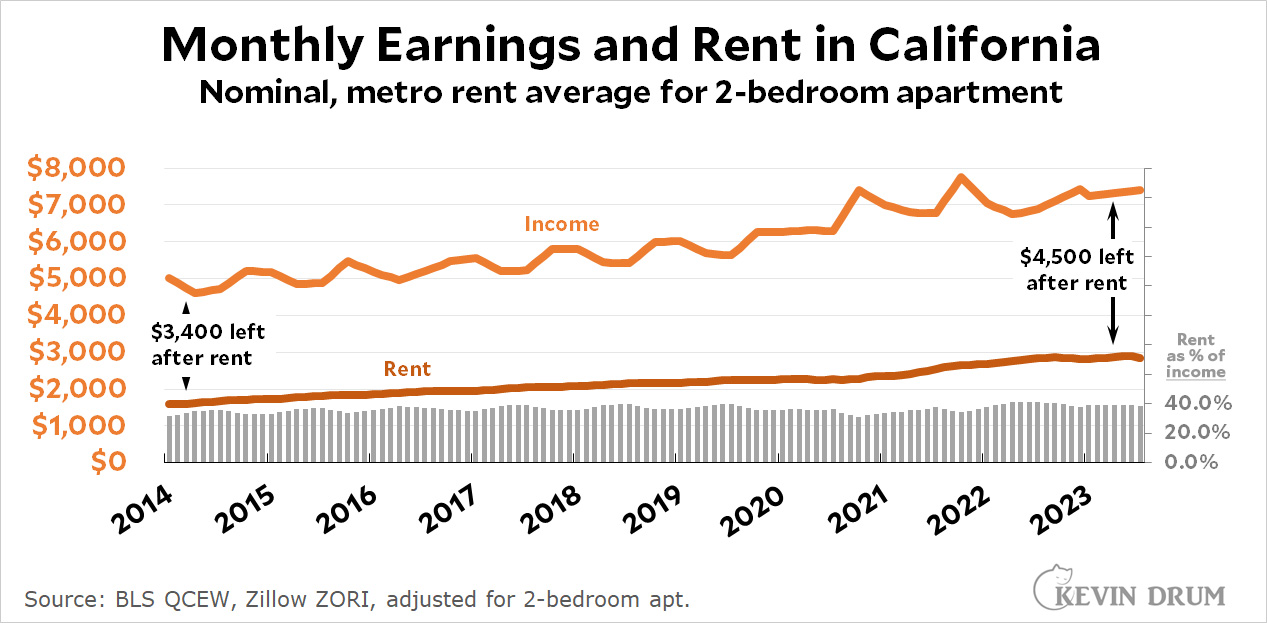
The relative affordability of 2001, particularly outside the major coastal hubs, has largely eroded. The concept of “affordable” accommodation in California has been redefined, with many working-class and middle-income families struggling to find long-term stay options within their budgets. The income-to-rent ratio has widened considerably, leading to greater housing insecurity and longer commutes as residents move further from employment centers in search of cheaper housing. Even the more budget-friendly regions of 2001 have seen significant price increases, albeit not always at the same dizzying pace as the Bay Area or Los Angeles.
Lessons from the Past
The 2001 market, while distinct, offers valuable insights into the persistent challenges of providing adequate and affordable accommodation in California. The underlying issues of limited supply, high demand, and the constant appeal of the Golden State were already evident then. The economic fluctuations of the early 2000s demonstrated that even temporary slowdowns provided only brief respites in the relentless upward trajectory of rental costs, setting a precedent for future market resilience.
Navigating Long-Term Stays in California Then and Now
The strategies for securing long-term accommodation in California have evolved significantly since 2001, mirroring the changes in the market itself.
Strategies for Renters in 2001
In 2001, renters seeking more affordable long-term stays might have been advised to:
- Look beyond the immediate city limits: Commuting from neighboring, slightly less expensive towns was a common strategy, especially for those working in San Francisco or San Jose.
- Consider roommate situations: Sharing accommodation was a practical way to manage costs, particularly in university towns or expensive urban centers.
- Negotiate: In some areas, particularly if the market was softening due to the dot-com bust, there might have been a slight opportunity to negotiate rent or lease terms with landlords, especially for longer leases.
- Explore different housing types: While apartments were common, some might have found more affordable options in duplexes, townhouses, or even single-family homes in less competitive markets.
The Evolving Accommodation Market
Today, the landscape for long-term stays in California is far more complex. While the fundamental advice of looking further afield and considering roommates still holds true, the competitive intensity has magnified. The rise of short-term rental platforms has also introduced new dynamics, often reducing the available inventory of long-term rental units in popular tourist destinations, further exacerbating the housing crunch. Renting in 2001 was certainly expensive by national standards, but it represented a different era of affordability and availability compared to the multifaceted challenges faced by those seeking long-term accommodation in the Golden State today.
In conclusion, rent in California in 2001 varied widely by region, with the Bay Area leading the pack, followed by Southern California’s coastal zones, and more affordable options in the Inland Empire and Central Valley. Influenced by a shifting post-dot-com economic climate, persistent demand, and limited supply, those prices laid the groundwork for the increasingly expensive accommodation market that defines California today. Understanding this historical context is vital for appreciating the dramatic evolution of long-term stay costs and the continuous struggle for housing affordability in one of the world’s most dynamic states.
LifeOutOfTheBox is a participant in the Amazon Services LLC Associates Program, an affiliate advertising program designed to provide a means for sites to earn advertising fees by advertising and linking to Amazon.com. Amazon, the Amazon logo, AmazonSupply, and the AmazonSupply logo are trademarks of Amazon.com, Inc. or its affiliates. As an Amazon Associate we earn affiliate commissions from qualifying purchases.