
Living in California comes with a unique set of experiences, from its stunning coastlines and vibrant cities to its innovative spirit. Part of the lifestyle here, especially for car owners, involves adhering to specific environmental regulations designed to preserve the state’s renowned natural beauty and air quality. Among these, the smog check program stands out as a critical, recurring requirement that every vehicle owner must understand. It’s not just a bureaucratic hurdle; it’s a fundamental aspect of maintaining a responsible and environmentally conscious lifestyle in the Golden State. For many, the question isn’t just if a smog check is needed, but “how often for smog check in California?” This comprehensive guide delves into the specifics, helping you integrate this important task seamlessly into your Californian life.
Understanding California’s Commitment to Clean Air
California has historically been at the forefront of environmental protection, particularly concerning air quality. The state’s unique geography, with its sprawling urban centers nestled between mountain ranges, often creates inversions that trap pollutants, leading to significant smog issues. This environmental challenge necessitated robust action, leading to some of the most stringent emission standards and vehicle inspection programs in the nation. Understanding this context helps clarify why smog checks are such an entrenched part of the Californian automotive landscape.
The Genesis of Smog Check Programs
The concept of vehicle emissions testing in California dates back to the early 1960s, a direct response to the visible and health-damaging smog plaguing major metropolitan areas like Los Angeles. Over the decades, these programs have evolved significantly, moving from basic visual inspections to sophisticated electronic diagnostic tests that accurately measure a vehicle’s tailpipe emissions. The goal has always been consistent: to reduce air pollution by identifying vehicles that emit excessive pollutants and ensuring they are repaired. This proactive approach has made a tangible difference, improving air quality across the state and safeguarding public health. For residents, participating in the smog check program is more than just compliance; it’s contributing to a legacy of environmental stewardship.
Why Clean Air Matters for Californian Lifestyles
The quality of the air we breathe directly impacts our health, our environment, and ultimately, our lifestyle. For Californians, clean air allows for the enjoyment of outdoor activities that are so central to the state’s identity—hiking in national parks, cycling along scenic routes, or simply spending time in urban green spaces. Poor air quality, conversely, can lead to respiratory illnesses, reduced visibility, and damage to ecosystems. The smog check program plays a vital role in mitigating these risks. By ensuring that vehicles operate as cleanly as possible, California protects its natural resources and preserves the active, outdoor-oriented lifestyle that attracts so many to its shores. It’s a collective effort, where individual vehicle owners contribute to a healthier, more sustainable future for everyone in the state.
The Smog Check Cadence: What Every Californian Car Owner Needs to Know
The core question for many drivers in California revolves around the frequency of smog checks. While the answer often points to a biennial schedule, there are several nuances and exceptions that can alter this requirement. Understanding these specifics is crucial for staying compliant and avoiding unnecessary stress when it’s time to renew your vehicle’s registration.
Standard Biennial Inspections
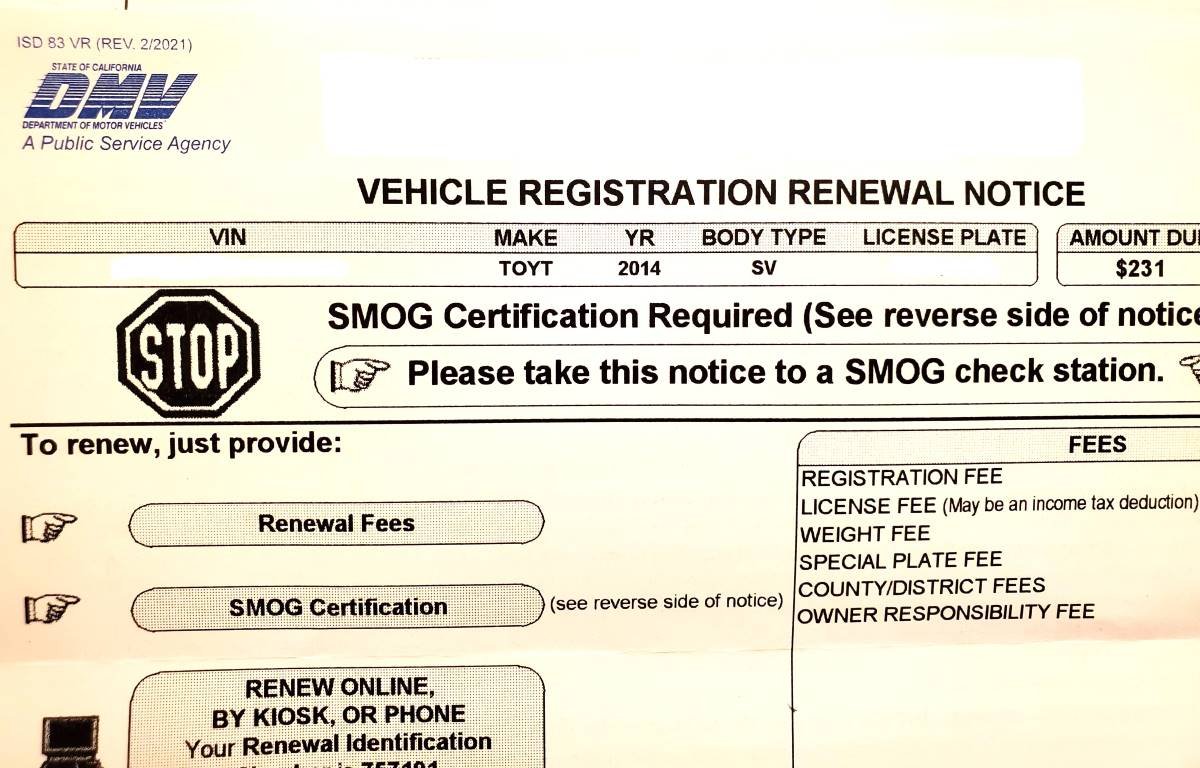
For most vehicles in California, a smog check is required every two years. This biennial inspection is typically necessary when renewing your vehicle’s registration with the Department of Motor Vehicles (DMV). The DMV will usually send a registration renewal notice that indicates whether a smog certification is required. It’s important to complete the smog check before your registration expires to avoid delays and potential penalties. The results of the smog check are electronically transmitted to the DMV, simplifying the renewal process once your vehicle passes. This routine ensures that the state consistently monitors the emissions performance of its vehicle fleet, aligning with its ambitious air quality goals.
Exceptions and Special Circumstances
While the biennial rule applies broadly, several scenarios dictate different smog check requirements:
- Change of Ownership: When a vehicle that is four model years or older is sold in California, the seller is generally responsible for providing the buyer with a valid smog certification. This certification must be issued within 90 days of the sale. This ensures that a vehicle meets emission standards at the point of transaction, protecting both buyer and seller.
- Out-of-State Vehicles: If you’re bringing a vehicle into California from another state, it will require a smog check as part of the initial registration process, regardless of its age or previous emissions testing history. This is a critical step to ensure all vehicles operating within the state meet Californian standards.
- Directed Vehicles: In some cases, certain high-polluting vehicles or those identified through roadside emissions monitoring may be “directed” for an off-cycle inspection, even if they’re not due for their regular biennial check. This is less common but serves as an additional layer of enforcement.
- Registration in Enhanced Areas: Some parts of California are designated as “Enhanced Areas” due to higher pollution levels. Vehicles registered in these areas may be subject to more stringent testing requirements, potentially including “test-only” or “STAR” certified stations which perform stricter diagnostic tests.
Understanding these exceptions is vital for managing your vehicle responsibilities in California, ensuring smooth transitions during ownership changes or relocations.
Vehicles Exempt from Smog Checks
Not all vehicles are subject to the smog check program. Several categories are exempt, a detail that can significantly impact a car owner’s responsibilities:
- Newer Vehicles: Generally, gasoline-powered vehicles that are eight model years or newer are exempt from biennial smog checks. However, they are not exempt from change-of-ownership smog checks. For instance, if you buy a six-year-old car, it might need a smog check for the sale, but then it would be exempt from the biennial checks until it’s more than eight model years old. Diesel vehicles are exempt for the first four model years.
- Electric Vehicles: All-electric vehicles produce zero tailpipe emissions and are therefore exempt from smog checks.
- Motorcycles: Motorcycles are not currently required to undergo smog inspections in California.
- Heavy-Duty Diesel Vehicles: Diesel vehicles with a Gross Vehicle Weight Rating (GVWR) of over 14,000 pounds are also exempt from the regular smog check program, as they fall under different emissions regulations.
- Historical Vehicles: Vehicles manufactured prior to 1976 are typically exempt from smog check requirements due to their age and historical significance. These vehicles predate many modern emission control technologies.
- Natural Gas Vehicles: Vehicles powered exclusively by natural gas and with a GVWR of 14,000 pounds or less are also exempt.
Knowing if your vehicle falls into one of these exempt categories can save you time and effort. Always double-check your registration renewal notice or consult the California DMV website for the most current information.
Navigating the Smog Check Process with Ease
The idea of a vehicle inspection can sometimes feel daunting, but the smog check process in California is designed to be straightforward. Knowing what to expect and how to prepare can make the experience seamless, allowing you to quickly return to your daily routine with peace of mind.
Finding a Certified Smog Check Station
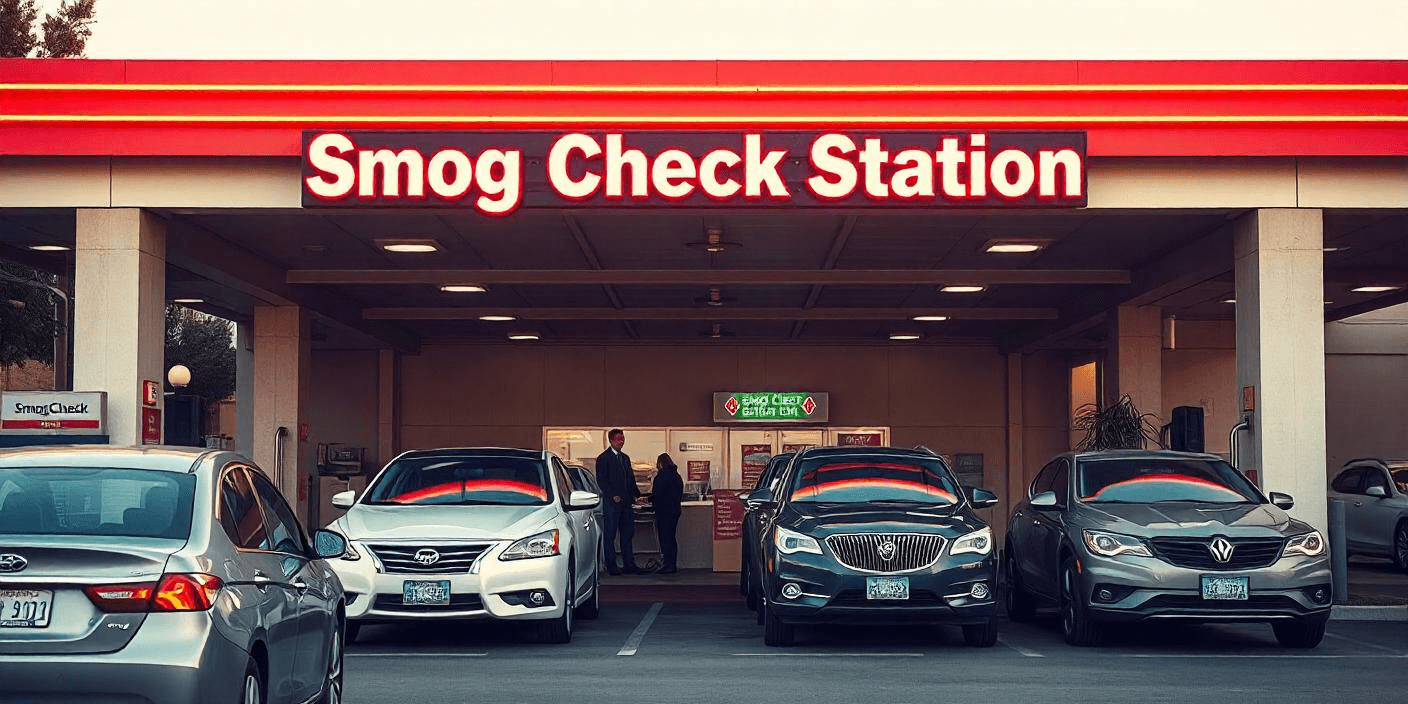
The first step is locating a certified smog check station. These facilities are licensed by the Bureau of Automotive Repair (BAR) and display a specific sign indicating their certification. You can easily find approved stations using the BAR’s online locator tool, which allows you to search by zip code. Look for stations designated as “Smog Check Test & Repair” if you want the convenience of getting repairs done at the same location if your vehicle fails. For vehicles directed to “STAR” stations, ensure the station carries that specific designation, as these facilities must meet higher performance standards. Many stations offer appointment scheduling, while others operate on a first-come, first-served basis, making it flexible for your lifestyle.
What to Expect During the Inspection
A typical smog check involves several components:
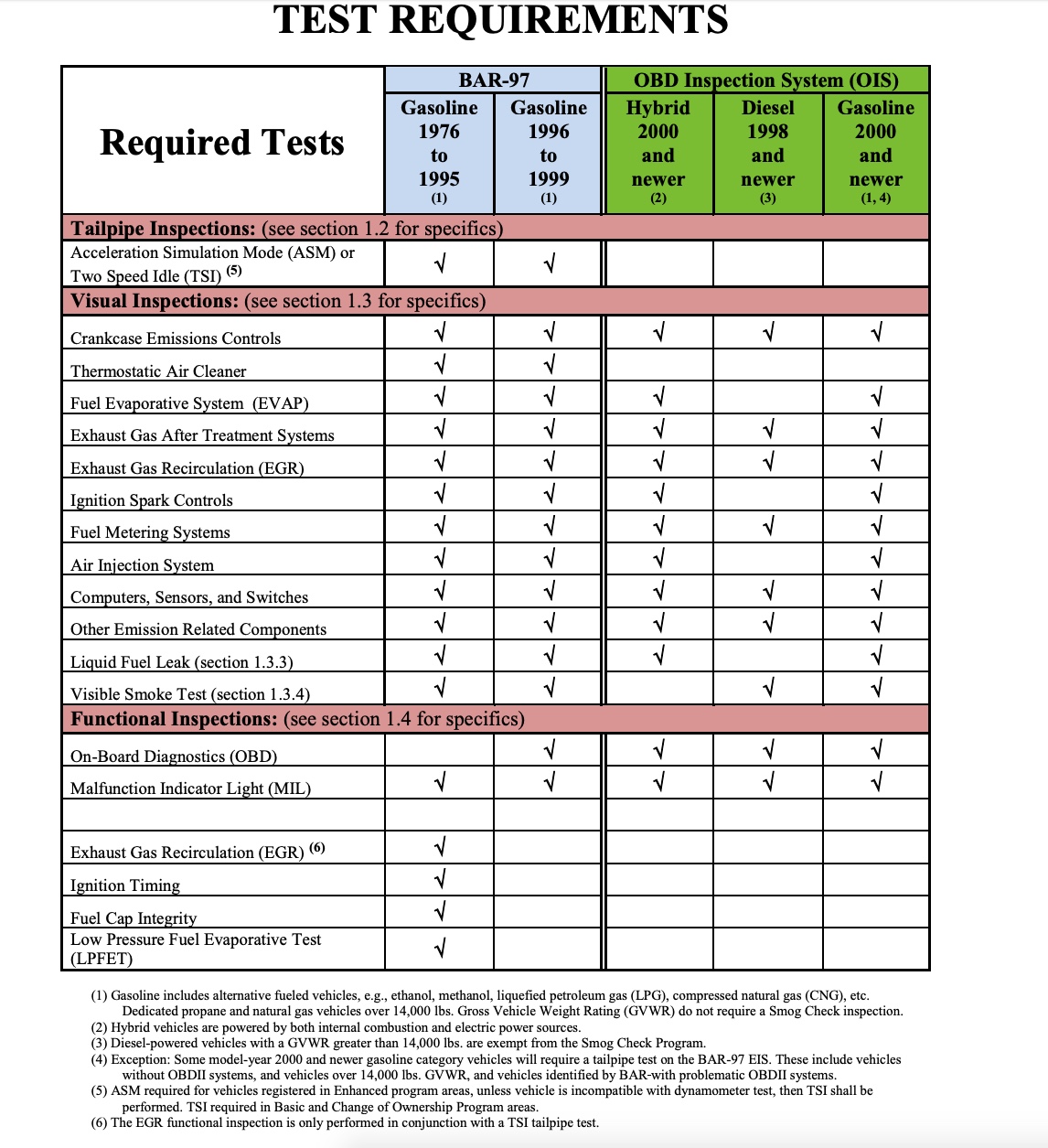
- Visual Inspection: A technician will visually inspect your vehicle’s emission control equipment to ensure it’s present, connected, and hasn’t been tampered with. This includes checking the catalytic converter, PCV valve, and various hoses and sensors.
- Functional Inspection: This part checks the proper operation of emission-related components. For instance, the ignition timing is checked, and the exhaust gas recirculation (EGR) valve might be tested.
- On-Board Diagnostic (OBD) II Test: For most 2000 model year and newer vehicles, the technician will plug into your vehicle’s OBD-II port to retrieve information from its computer. This checks for any “check engine” lights or stored diagnostic trouble codes (DTCs) that indicate emission system malfunctions. If your check engine light is on, your vehicle will automatically fail.
- Tailpipe Emissions Test (for older vehicles): For older vehicles (typically 1999 model year and older, depending on the area), the vehicle will be driven on a dynamometer (a treadmill for cars) to simulate driving conditions, and a probe will measure tailpipe emissions of hydrocarbons, carbon monoxide, and nitrogen oxides.
The entire process usually takes about 15-30 minutes. Once completed, you’ll receive a vehicle inspection report, and the results will be electronically submitted to the DMV.
Passing, Failing, and Next Steps
If your vehicle passes, congratulations! The certification is sent to the DMV automatically, and you can proceed with your registration renewal. If your vehicle fails, don’t despair. The inspection report will detail the reasons for the failure. Your next step is to take your vehicle to a qualified repair shop (which can be a “Test & Repair” smog station or a general automotive repair facility) to address the identified issues.
California also offers financial assistance programs, such as the Consumer Assistance Program (CAP), for eligible low-income motorists whose vehicles fail smog checks. This program can help with repairs or even vehicle retirement. Once repairs are made, your vehicle will need a retest. Often, if you return to the original inspection station within a certain timeframe, the retest may be free or offered at a reduced cost. This structured approach ensures that even in the event of a failure, there’s a clear path to compliance and continued responsible vehicle ownership.
The Lifestyle Impact: Integrating Smog Checks into Your Routine
For many Californians, the smog check is simply another item on the to-do list, akin to an oil change or tire rotation. However, embracing it as a routine aspect of car ownership, rather than a dreaded chore, can significantly simplify your life and contribute to a healthier environment. It’s about proactive management and understanding your role in the bigger picture of Californian living.
Planning Ahead for Renewal and Resale
Integrating the biennial smog check into your lifestyle means forward planning. Mark your calendar for two years from your last smog check, or keep an eye out for your DMV registration renewal notice, which typically arrives about two months before your registration expires. This lead time allows you to schedule your inspection without last-minute stress. If you’re planning to sell your vehicle, especially one that is four model years or older, remember that you’ll need a current smog certification for the transaction. Factor this into your sales timeline to avoid delays. Being prepared ensures that your vehicle is always compliant, whether you’re driving it daily or preparing it for a new owner.
Maintaining Your Vehicle for Optimal Performance and Compliance
The best way to ensure your vehicle passes its smog check and operates efficiently is through regular maintenance. A well-maintained engine is a cleaner-running engine. Adhering to your manufacturer’s recommended service schedule for oil changes, spark plug replacements, air filter inspections, and tire rotations can significantly impact your vehicle’s emissions performance. Addressing “check engine” lights promptly is also crucial, as these often signal issues with emission control systems. A proactive maintenance approach not only helps you pass your smog check but also extends the life of your vehicle, improves fuel economy, and reduces your overall environmental footprint—all essential elements of a sustainable Californian lifestyle.
Environmental Stewardship as a Californian Value
Beyond mere compliance, participating in the smog check program embodies a key Californian value: environmental stewardship. The state’s residents are often deeply connected to its natural beauty, from the forests of Yosemite to the beaches of San Diego. The smog check is a tangible way that individual car owners contribute to preserving that environment. It’s an acknowledgement that personal choices, like maintaining a low-emission vehicle, have a collective impact on air quality, public health, and the state’s iconic landscapes. Embracing this responsibility is an intrinsic part of the Californian lifestyle, reflecting a commitment to sustainability and a better future for all.
Beyond the Basics: Resources and Further Information
Staying informed is key to navigating the smog check requirements effectively. While the fundamental rules remain consistent, regulations can evolve, and additional resources are available to help you understand specific situations or seek assistance.
The Role of the Bureau of Automotive Repair (BAR)
The Bureau of Automotive Repair (BAR) is the state agency responsible for overseeing the Smog Check Program in California. They license and regulate smog check stations, certify technicians, investigate consumer complaints, and update program requirements. The BAR website is an invaluable resource for everything related to smog checks, offering detailed FAQs, official publications, and tools to find certified stations and program information. For any specific questions or unusual circumstances, contacting the BAR directly or visiting their website should be your first step. Their role ensures the integrity and effectiveness of the program, protecting both consumers and the environment.
Staying Informed About Regulatory Changes
While the core biennial requirement for smog checks in California is well-established, specific regulations, exemptions, or testing procedures can occasionally be updated. For instance, as vehicle technology advances, the methods for emissions testing may adapt. Staying informed means periodically checking the official DMV and BAR websites, or even subscribing to relevant updates if available. Automotive news outlets that focus on California regulations can also be a good source of information. By proactively staying aware of any changes, you can ensure continued compliance and seamlessly integrate new requirements into your lifestyle, reinforcing your commitment to responsible vehicle ownership in this environmentally conscious state.
In conclusion, the question “How often for smog check in California?” points to a standard biennial cycle for most vehicles, with important exceptions for newer cars, changes of ownership, and out-of-state registrations. Navigating this requirement is a routine part of the Californian lifestyle, a commitment to clean air that contributes to the health and beauty of the state. By understanding the process, planning ahead, and maintaining your vehicle, you can ensure a smooth, compliant, and environmentally responsible driving experience in California.
LifeOutOfTheBox is a participant in the Amazon Services LLC Associates Program, an affiliate advertising program designed to provide a means for sites to earn advertising fees by advertising and linking to Amazon.com. Amazon, the Amazon logo, AmazonSupply, and the AmazonSupply logo are trademarks of Amazon.com, Inc. or its affiliates. As an Amazon Associate we earn affiliate commissions from qualifying purchases.