
For anyone living in, moving to, or simply owning a vehicle in California, understanding the state’s stringent smog check requirements is not just a matter of compliance; it’s a fundamental aspect of the California lifestyle. With its pioneering efforts in environmental protection, California has established a robust system of emissions testing designed to keep the air cleaner and support public health. Navigating these regulations efficiently ensures that your vehicle registration remains current, you avoid penalties, and you contribute to the Golden State’s environmental goals. This comprehensive guide will demystify the smog check process, providing insights into frequency, exemptions, and best practices to maintain a hassle-free automotive lifestyle in California.
The Essentials of California Smog Checks: A Lifestyle Prerequisite
A smog check, officially known as a “smog inspection,” is a critical component of California’s strategy to reduce air pollution from vehicles. For residents, especially those new to the state, understanding this requirement is as essential as knowing local traffic laws or where to find the best avocados. It’s a proactive step towards maintaining a healthy environment, a cornerstone of the California ethos.
What is a Smog Check and Why Does it Matter for Your California Lifestyle?
A smog check is a diagnostic test performed on a vehicle’s exhaust and evaporative systems to measure the amount of pollutants it emits. These pollutants, including hydrocarbons, carbon monoxide, and nitrogen oxides, contribute to smog, ground-level ozone, and particulate matter – all of which can severely impact air quality and human health. By mandating regular inspections, California aims to identify and repair high-emitting vehicles, significantly reducing the overall automotive emissions footprint.
For individuals, passing a smog check isn’t just about meeting a legal obligation; it’s about being a responsible member of the California community. A well-maintained vehicle that passes its smog check typically runs more efficiently, potentially saving fuel costs in the long run. More importantly, it contributes to the cleaner air that enables California’s outdoor-centric lifestyle, from hiking in its national parks to enjoying its iconic beaches. Failing to pass means your vehicle cannot be registered, which can disrupt your daily life and mobility. Therefore, integrating smog check awareness into your automotive maintenance routine is a proactive lifestyle choice.
Vehicles Exempt from Smog Testing: Understanding the Exceptions
While most vehicles in California are subject to smog checks, certain categories are exempt. Knowing these exemptions can be particularly useful for those considering purchasing a vehicle or evaluating their current fleet within the state, impacting their lifestyle choices and financial planning.
- Newer Vehicles: Generally, vehicles that are eight model years old or newer are exempt from biennial smog checks. However, if you sell a vehicle that is four model years old or newer, it is still exempt from the smog check required upon sale. This exemption acknowledges that newer vehicles are designed with advanced emission control systems, though this doesn’t excuse them from recall repairs if necessary.
- Older Vehicles: Vehicles manufactured before 1976 are also exempt from smog testing. These older models predate many modern emission control standards, and their owners are typically enthusiasts or collectors.
- Electric Vehicles (EVs) and Motorcycles: Since EVs produce zero tailpipe emissions, they are naturally exempt. Motorcycles, due to their different engine designs and lower overall contribution to pollution compared to cars, are also exempt from California’s smog test requirements.
- Diesel Vehicles: Diesel vehicles produced in 1997 and older, or with a Gross Vehicle Weight Rating (GVWR) of 14,000 pounds or more, are exempt. Newer diesel vehicles, however, are subject to smog checks, including a visual inspection and a test of their onboard diagnostic (OBD) system.
- Natural Gas Vehicles: Vehicles powered by natural gas with a GVWR of 14,000 pounds or more are exempt.
Understanding these exemptions can influence vehicle purchasing decisions, especially for those who prioritize environmental impact or seek to simplify their vehicle maintenance lifestyle in California.
Decoding the Smog Test Frequency: Maintaining Your California Vehicle Lifestyle
The core question of “how often” a smog test is required in California hinges on several factors, including the age of your vehicle, the reason for the test (renewal, sale, or new residency), and your geographic location within the state. Staying informed about these frequencies is vital for hassle-free vehicle ownership.
Biennial Testing: The Standard for Most Vehicles
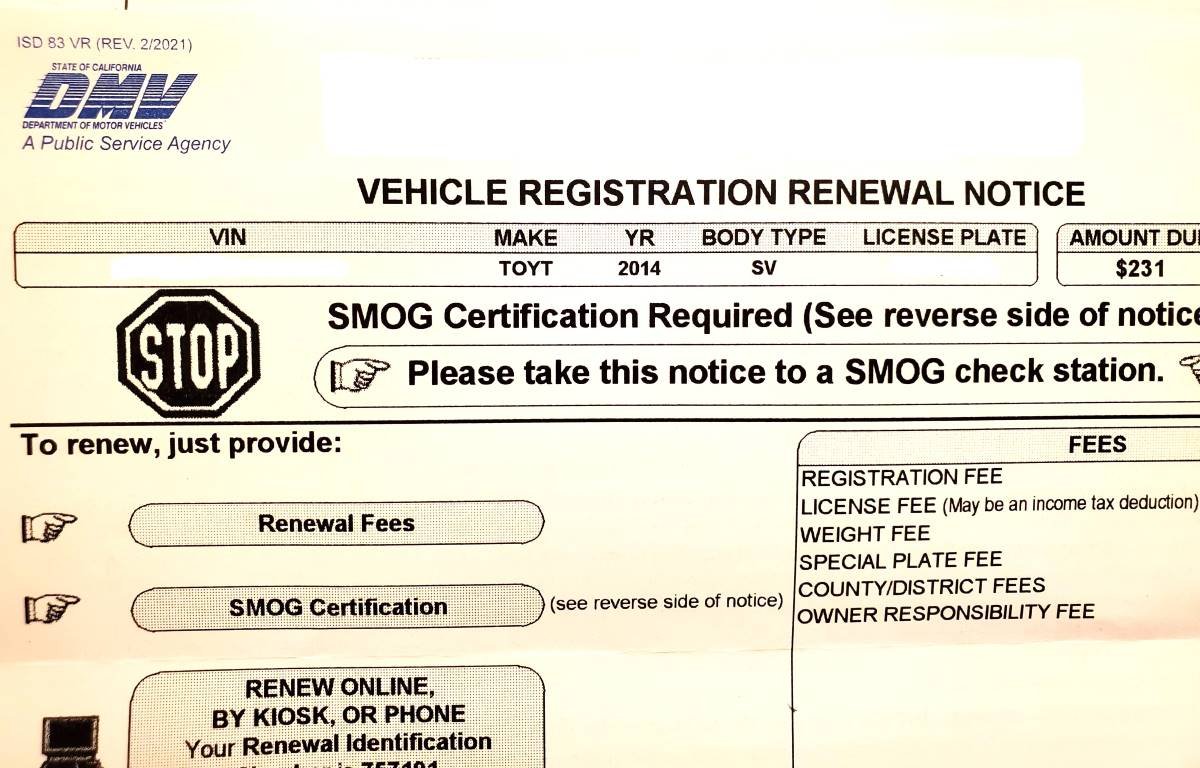
For the majority of registered vehicles in California, a smog check is required every two years (biennially). This requirement typically comes into play when you need to renew your vehicle’s registration with the California Department of Motor Vehicles (DMV). The DMV will send a registration renewal notice, indicating whether a smog check is due. This biennial cycle encourages vehicle owners to maintain their emission control systems regularly, ensuring consistent air quality benefits.
This regular check-up becomes a part of the routine lifestyle of a California driver, much like an oil change or tire rotation. It prompts vehicle owners to address potential issues before they escalate, benefiting both the environment and the vehicle’s longevity. Neglecting this biennial requirement can lead to delays in registration renewal, potential fines, and ultimately, an interruption in your ability to legally operate your vehicle.
Special Circumstances: Smog Checks for New Residents and Vehicle Sales
Beyond the biennial requirement, certain life events trigger additional smog check obligations. These are particularly relevant for those undergoing significant lifestyle changes, such as relocating to California or buying/selling a vehicle.
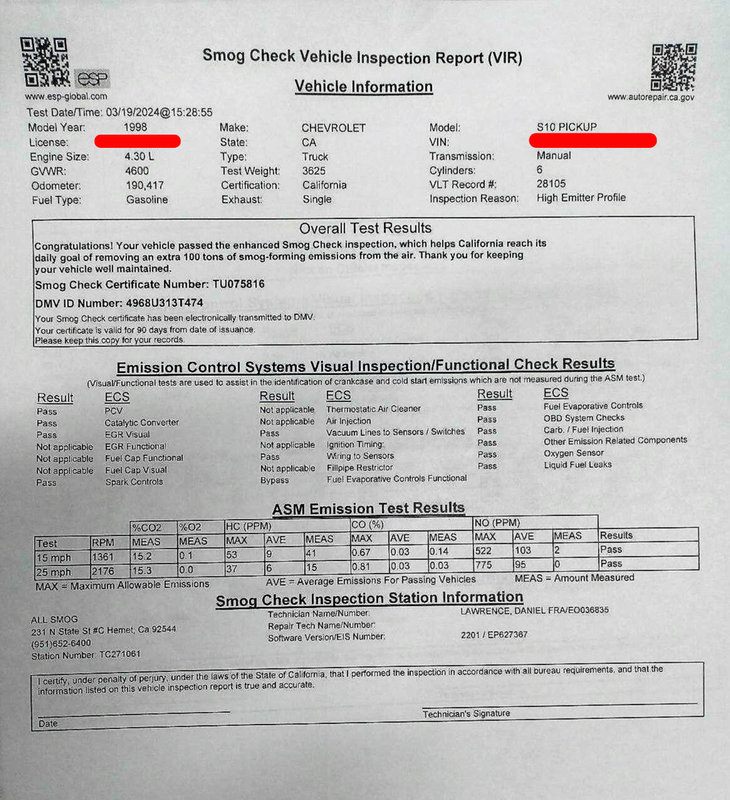
- New Residents: If you are moving to California and bringing an out-of-state vehicle, you must get a smog check before you can register it with the California DMV. This applies even if your vehicle recently passed an emissions test in another state, as California’s standards are often more stringent. This initial smog check is a critical step in establishing your automotive lifestyle in the state.
- Vehicle Sales: When a vehicle is sold in California, the seller is generally responsible for providing the buyer with a valid smog certification at the time of sale. The smog certificate must have been issued within 90 days prior to the date of sale. This ensures that the buyer receives a vehicle that meets emissions standards and helps prevent the sale of high-polluting vehicles. This rule is crucial for both sellers and buyers to facilitate a smooth transaction and ensure compliance within their California lifestyle. There are exceptions, such as when the vehicle is less than four model years old, but typically, this is a standard part of the sales process.
Understanding these specific triggers for smog checks is paramount to avoid unexpected hurdles, especially during periods of transition or significant financial transactions related to your vehicle.
Locating Smog Check Stations and Understanding the Process: Streamlining Your California Living
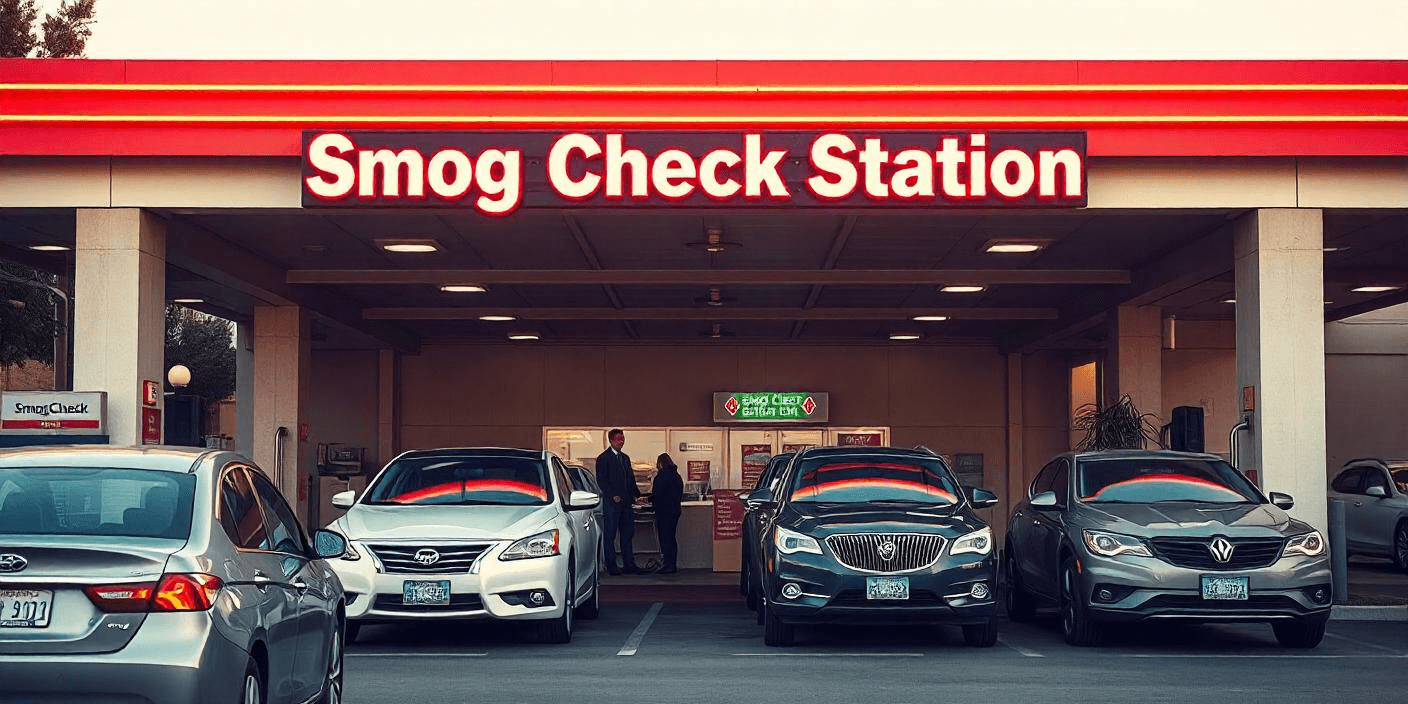
Integrating smog checks into your California lifestyle doesn’t have to be a chore. Knowing where to go and what to expect can make the process quick and stress-free. The state has a well-established network of authorized smog check stations, designed for public convenience.
Types of Smog Check Stations
California utilizes different types of smog check stations, each with a specific role:
- Test-Only Stations: These stations are licensed to perform only smog checks and cannot perform repairs. They are often perceived as more objective, as there’s no incentive for them to “find” issues that would lead to repair business.
- Test-and-Repair Stations: These stations can both perform smog checks and repair vehicles that fail. They offer the convenience of a one-stop shop if your vehicle requires adjustments after a failed test.
- STAR Stations: These are a designation for stations that meet higher performance standards established by the Bureau of Automotive Repair (BAR). Some vehicles, particularly those identified as “gross polluters” or those undergoing change of ownership, may be specifically directed to a STAR station for their smog check. If your renewal notice indicates you must go to a STAR station, you cannot use a regular Test-Only or Test-and-Repair station.
Choosing the right type of station depends on your needs and the instructions on your DMV renewal notice. Utilizing the BAR website’s station locator is an excellent way to find certified stations near you, ensuring you streamline this aspect of your California living.
What to Expect During the Test
The smog check process typically involves several components, designed to thoroughly assess your vehicle’s emissions performance:
- Visual Inspection: A technician will check for the presence and proper connection of all required emissions control components. They also look for any obvious signs of tampering or damage.
- Functional Inspection: This includes checking the ignition timing, exhaust gas recirculation (EGR) system, fuel evaporative system, and other vehicle systems depending on the vehicle model year.
- Onboard Diagnostic (OBD) System Check: For vehicles model year 2000 and newer (gasoline) or 1998 and newer (diesel), the technician will connect to your vehicle’s OBD system to retrieve diagnostic trouble codes (DTCs) and check the status of readiness monitors. This system continuously monitors the vehicle’s emission control system, making it a crucial part of modern smog checks.
- Tailpipe Emissions Test: This test measures the amount of pollutants coming directly from your exhaust pipe. This is typically done on a dynamometer (a treadmill for cars) where the vehicle is driven at various speeds to simulate real-world conditions. This part of the test is usually not performed on newer vehicles (model year 2000 and newer gasoline, or 1998 and newer diesel) if their OBD system passes the check, unless specifically directed to do so for specific reasons or if the vehicle is identified as a “gross polluter.”
To prepare for your test, ensure your vehicle is well-maintained, your “Check Engine” light is off, and all readiness monitors are set (this typically happens after driving the vehicle for a certain period following a battery disconnect or repair). Being prepared can save you time and prevent unnecessary retests, ensuring your California lifestyle remains uninterrupted.
Consequences of Non-Compliance: Protecting Your California Lifestyle
Failing to adhere to California’s smog check requirements carries significant consequences that can disrupt your daily life and financial well-being. Understanding these repercussions is crucial for proactive management of your vehicle and your overall California lifestyle.
Registration Renewal Holds
The most immediate consequence of not completing a required smog check, or failing one and not getting repairs, is the inability to renew your vehicle’s registration. The California DMV will place a hold on your registration, meaning you cannot legally operate your vehicle once your current tags expire. Driving with expired registration can lead to citations, fines, and even your vehicle being impounded. This directly impacts your mobility, commute, and overall daily lifestyle, creating avoidable stress and inconvenience.
Financial Penalties and Vehicle Restrictions
Beyond registration holds, non-compliance can lead to financial penalties. While the primary goal of the smog check program is emissions reduction, the state imposes fines for operating an unregistered vehicle. Furthermore, if your vehicle fails a smog check, you are responsible for the cost of repairs to bring it into compliance. California offers some assistance programs, like the Consumer Assistance Program (CAP), which can help low-income consumers repair or retire high-polluting vehicles, but generally, the financial burden falls on the owner. Ignoring the issue can lead to escalating costs and further restrictions on vehicle use, impacting your budget and freedom within your California lifestyle.
In conclusion, the question of “How often smog test California?” is central to responsible vehicle ownership and a smooth California lifestyle. Whether it’s the biennial requirement for most vehicles, the specific needs for new residents, or the obligations during a vehicle sale, staying informed and proactive about smog checks is paramount. By understanding the regulations, utilizing available resources, and maintaining your vehicle diligently, you contribute to cleaner air and ensure your continued enjoyment of all that the Golden State has to offer.
LifeOutOfTheBox is a participant in the Amazon Services LLC Associates Program, an affiliate advertising program designed to provide a means for sites to earn advertising fees by advertising and linking to Amazon.com. Amazon, the Amazon logo, AmazonSupply, and the AmazonSupply logo are trademarks of Amazon.com, Inc. or its affiliates. As an Amazon Associate we earn affiliate commissions from qualifying purchases.