
The towering sentinels of the Pacific Coast, the California Redwoods, stand as living monuments to time, resilience, and nature’s extraordinary grandeur. Their sheer scale elicits gasps of wonder and a profound sense of humility, prompting many to ask: precisely how tall are these magnificent trees? While the exact measurements can vary, the answer places them firmly among the tallest organisms on Earth, a true marvel and a cherished landmark that draws visitors from across the globe. These ancient forests, shrouded in mist and history, are not merely trees; they are a vital part of the natural heritage of California and a testament to the power of conservation.
Giants Among Us: Unveiling the Redwoods’ Stature
The term “California Redwoods” primarily refers to two distinct species, both renowned for their immense size: the Coast Redwood (Sequoia sempervirens) and the Giant Sequoia (Sequoiadendron giganteum). While both are giants, it is the Coast Redwood that holds the record for the world’s tallest living tree. Understanding their heights involves appreciating not just individual records but also the average stature that characterizes these iconic forests.
The Hyperion Record Holder
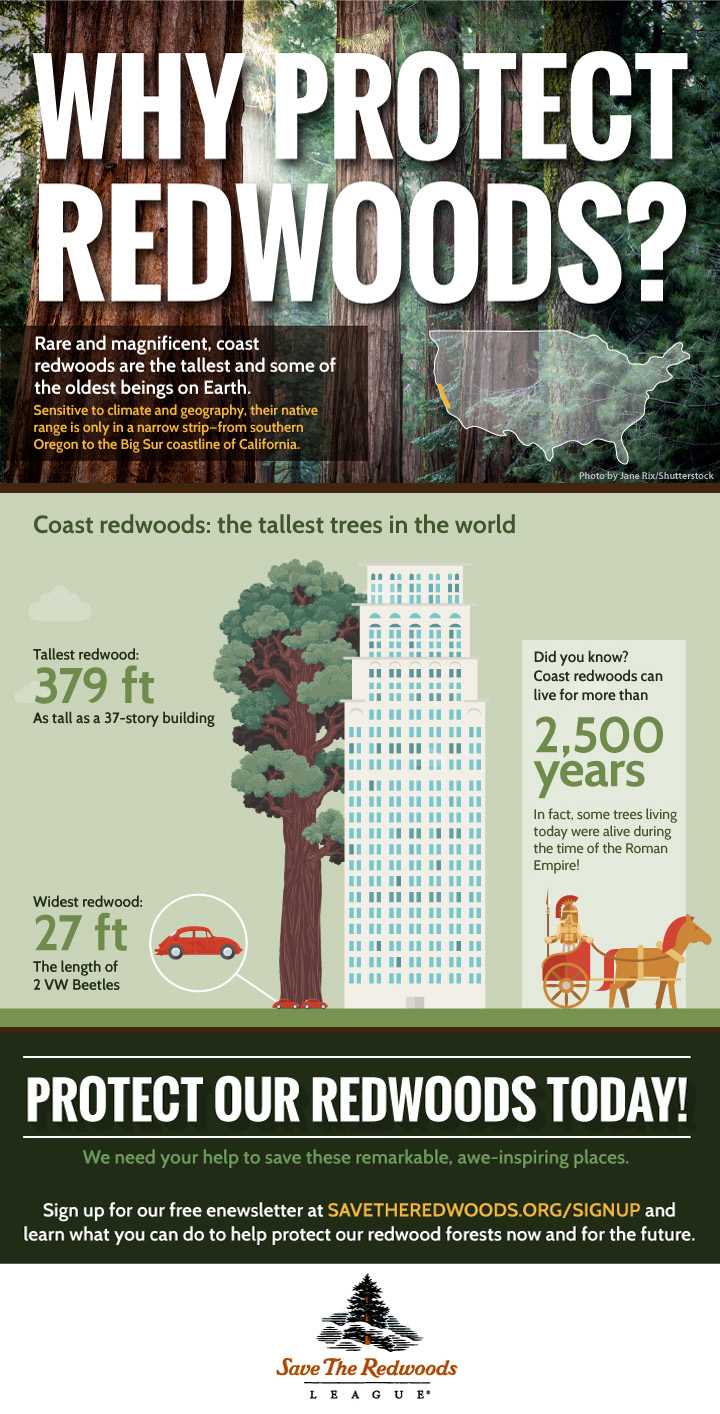
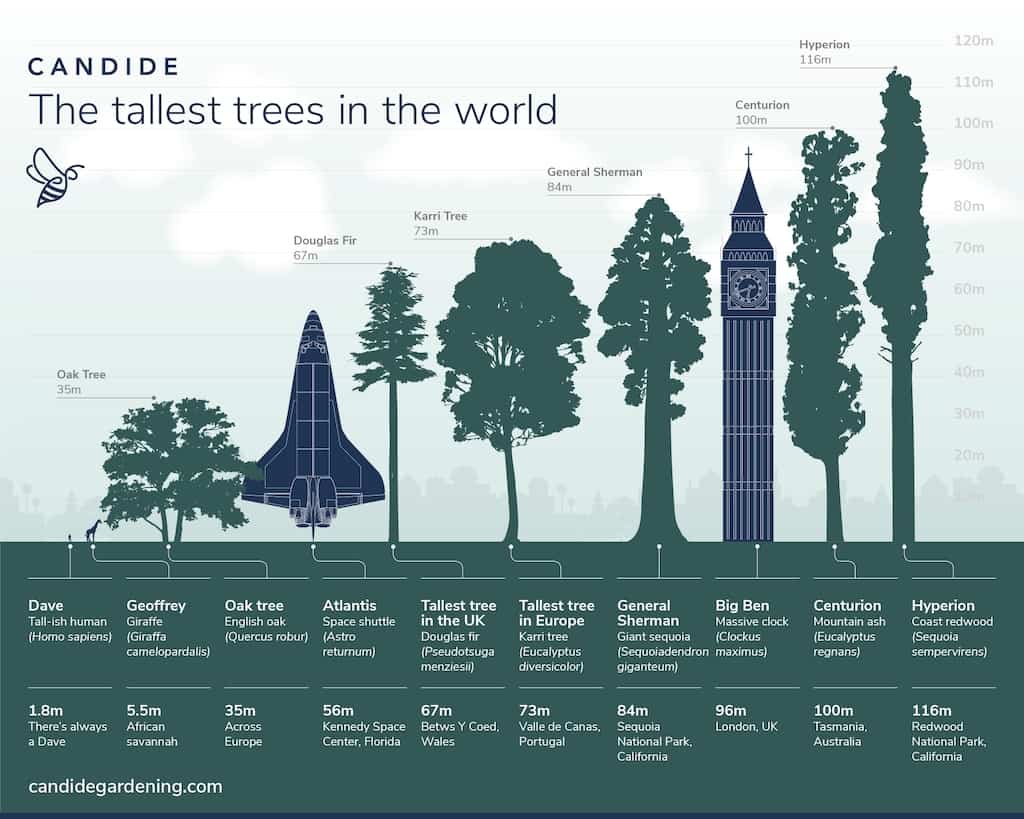
The undisputed champion in the realm of height is a Coast Redwood named Hyperion, discovered in 2006 within the remote reaches of Redwood National and State Parks. This colossal specimen measures an astounding 380 feet (115.85 meters) from its base to its highest tip. To put this into perspective, Hyperion is taller than the Statue of Liberty and nearly as tall as the 35th tallest building in the world, without even considering the foundation. Its exact location is kept secret to protect its delicate ecosystem from excessive human traffic, reinforcing its status as a sacred, almost mythical, landmark. The discovery of Hyperion ignited a renewed global interest in these ancient forests and the ongoing efforts to preserve them. The tree’s massive trunk and verdant crown represent centuries of slow, persistent growth, adapting to its environment and reaching skyward in an unparalleled display of biological prowess.
Average Heights and Species Distinction
While Hyperion is an outlier, the average height of mature Coast Redwood trees is still incredibly impressive, typically ranging from 200 to 300 feet (60 to 90 meters). Forests brimming with trees exceeding 250 feet are common, creating a breathtaking canopy that filters sunlight into ethereal shafts. These redwoods are characterized by their slender, straight trunks, often lacking branches for the first 100 feet or more, contributing to their sky-piercing appearance.
In contrast, the Giant Sequoia, while often wider and more massive in terms of total wood volume, is generally shorter than its coastal cousin. The tallest Giant Sequoia ever measured reached about 310 feet (94 meters), with averages hovering around 250 feet (76 meters). Their trunks are notably broader, giving them a more robust and ancient appearance, and they are found in distinct groves in the Sierra Nevada mountains, further inland from the Coast Redwoods. Both species, however, contribute significantly to California’s reputation for having some of the most magnificent tree landmarks in the world. The distinction between the two species is crucial for visitors, as it helps in understanding the unique characteristics and ecosystems found in different parts of the state.
Measuring the Giants: Techniques and Challenges
Accurately measuring these immense trees is no simple feat. Traditional methods involving tape measures are impractical and dangerous. Arborists and scientists employ a combination of laser rangefinders, clinometers, and even highly specialized tree-climbing techniques. For the most precise measurements, skilled climbers ascend to the very crown, dropping a tape measure to the forest floor. This arduous process is not only physically demanding but also requires a deep understanding of tree biology and safety protocols. The sheer scale makes it challenging to pinpoint the absolute highest point, especially in dense groves where the canopy is complex and interwoven. These measurement challenges underscore the unique status of the redwoods as natural landmarks that push the boundaries of both human exploration and scientific inquiry. Each measurement contributes to a deeper understanding of these ecosystems and the growth patterns that allow such immense stature.
The Unique Ecosystem and Factors Contributing to Their Height
The extraordinary height of the California Redwoods is not merely a genetic fluke but the result of a precise and intricate interplay between their inherent biology and the unique environmental conditions of their habitat along the Pacific Coast. This specific ecosystem is a testament to nature’s ability to foster unparalleled growth.
Coastal Fog: A Lifeblood
One of the most critical factors enabling the redwoods to reach such incredible heights is the persistent coastal fog. Unlike most trees that rely solely on root absorption for water, Coast Redwoods possess the remarkable ability to absorb moisture directly through their foliage. The dense fog that frequently rolls in from the Pacific Ocean provides a continuous, vital supply of water, especially during the dry California summers. This fog drips from the canopy, moistening the forest floor and roots, and also condenses directly onto the needles, where it is taken in. This unique hydrological cycle reduces transpirational water loss and acts as a supplementary water source, allowing the trees to sustain their immense size even when soil moisture is scarce. The fog also moderates temperatures, reducing heat stress and creating a consistently cool, humid environment ideal for continuous growth.
Ideal Climatic Conditions in California
Beyond the fog, the specific climatic conditions of coastal California provide an almost perfect environment for the Coast Redwoods. The region experiences mild winters and cool summers, with consistent rainfall during the wet season. The soil, often rich and well-drained, is conducive to robust root systems that can anchor these massive trees against strong winds and provide ample nutrients. The absence of harsh extremes in temperature and the steady supply of moisture minimize stress on the trees, allowing them to allocate more energy towards vertical growth. This combination of factors, unique to a relatively narrow strip of land along the coast, creates an exclusive sanctuary where these titans can thrive, making the redwood forests one of the planet’s most specialized and awe-inspiring natural landmarks.
Longevity and Growth Rate
The redwoods’ impressive height is also intrinsically linked to their incredible longevity. Coast Redwoods can live for over 2,000 years, and Giant Sequoias can exceed 3,000 years, making them some of the oldest living organisms on Earth. Their slow, steady growth over millennia allows them to gradually accumulate biomass and reach astounding heights. Their thick, fire-resistant bark and resistance to insects and fungal diseases contribute to their remarkable endurance. This exceptional longevity is a key enabler for their vertical ascent, allowing them to overcome environmental challenges and continue growing where other, shorter-lived species might falter. The deep connection between age and height makes these trees living historical records, each growth ring telling a story of centuries past.
Exploring the Redwood Forests: Where to Witness These Natural Landmarks
To truly grasp the scale of the California Redwoods, one must stand beneath their colossal canopies. Several national and state parks in California offer unparalleled opportunities to experience these magnificent natural landmarks firsthand, each with its unique charm and accessibility.
Redwood National and State Parks
The crown jewel for redwood enthusiasts is the combined Redwood National and State Parks complex, located along California’s northern coast. This UNESCO World Heritage Site and International Biosphere Reserve protects nearly half of all remaining old-growth Coast Redwoods. It encompasses Redwood National Park and three adjacent state parks: Jedediah Smith Redwoods State Park, Prairie Creek Redwoods State Park, and Del Norte Coast Redwoods State Park. Visitors here can find some of the tallest trees in the world, including the aforementioned Hyperion (though its exact location is undisclosed). Key attractions include the Tall Trees Grove (requiring a permit), the scenic Newton B. Drury Parkway, and numerous hiking trails that wind through cathedral-like groves. The sheer density of massive trees here is overwhelming, offering a profound sense of perspective and timelessness. Access is often via Crescent City to the north or Eureka to the south.
Muir Woods National Monument
For those visiting the San Francisco Bay Area, Muir Woods National Monument offers a convenient and equally breathtaking encounter with Coast Redwoods. While the trees here are generally not as tall as those further north in Redwood National and State Parks, they are still immensely impressive, with many specimens exceeding 250 feet (76 meters). The monument provides easily accessible paved and boardwalk trails, making it ideal for families and those with limited mobility. Its proximity to a major metropolitan area makes it one of the most visited redwood landmarks, offering a quick escape into an ancient, tranquil world. Reservations are often required for entry and parking, highlighting its popularity.
Jedediah Smith Redwoods State Park and Humboldt Redwoods State Park
Part of the larger Redwood National and State Parks system, Jedediah Smith Redwoods State Park near Crescent City is home to Stout Grove, an exceptionally dense and picturesque stand of old-growth Coast Redwoods, known for its serene beauty and pristine understory. Further south, along the scenic Avenue of the Giants, lies Humboldt Redwoods State Park, which boasts the largest remaining contiguous old-growth Coast Redwood forest in the world. It is a fantastic destination for longer hikes and camping, allowing for deeper immersion into the forest’s grandeur. These parks offer a more varied landscape, often less crowded than Muir Woods, and are perfect for those seeking a more extensive exploration of the redwood empire.
The Enduring Legacy and Conservation Efforts
The majestic stature of the California Redwoods is intertwined with a compelling history of indigenous reverence, rampant logging, and ultimately, an inspiring saga of conservation. These trees are not just natural landmarks; they are symbols of environmental struggle and triumph.
Historical Significance and Indigenous Ties
For millennia, the redwood forests were home to numerous indigenous tribes, including the Yurok, Tolowa, Karuk, and Hupa peoples. These communities lived in harmony with the colossal trees, utilizing their fallen timber for shelter and canoes, and revering them as spiritual entities. Their deep connection to the land and its giant inhabitants fostered a sustainable relationship that allowed the forests to thrive. With the arrival of European settlers in the mid-19th century, the redwoods became a target for extensive logging. Their durable, rot-resistant wood was highly prized for construction, leading to the rapid destruction of an estimated 95% of the original old-growth forests. This period represents a stark chapter in the history of these landmarks, where economic exploitation nearly eradicated a priceless natural wonder.
Protecting the Remaining Giants
The devastating scale of logging spurred early conservation efforts, with individuals and organizations like the Save the Redwoods League, founded in 1918, playing a pivotal role. Their tireless work, alongside that of environmentalists and concerned citizens, led to the establishment of the national and state parks that protect the remaining old-growth groves today. Conservation efforts continue to focus not only on acquiring and protecting existing old-growth forests but also on restoring logged areas and conducting scientific research to understand and enhance redwood ecosystems. These efforts are crucial to ensuring that future generations can also marvel at these ancient, living landmarks. The establishment of Redwood National and State Parks in particular, marked a significant victory, merging several state parks to create a larger, more protected contiguous area.
Responsible Tourism in the Redwood Empire
As these magnificent trees draw millions of visitors annually, responsible tourism becomes paramount. Organizations and park services actively promote Leave No Trace principles, encouraging visitors to stay on designated trails, avoid disturbing wildlife, and pack out everything they pack in. The sheer volume of foot traffic, especially around popular groves like Tall Trees Grove or within Muir Woods National Monument, can compact soil, damage delicate root systems, and disturb the forest’s intricate balance. By educating visitors and implementing controlled access in sensitive areas, park authorities strive to protect these invaluable landmarks while allowing people to experience their awe-inspiring presence. Respecting the quiet solitude of the forest and understanding the fragility of its ecosystem ensures that these ancient giants will continue to stand tall for centuries to come.
Experiencing the Redwoods: Beyond Just Their Height
While the immense height of the California Redwoods is undoubtedly their most famous attribute, the full experience of these natural landmarks encompasses far more than just looking up. It’s an immersion into a unique world that engages all senses and inspires a profound connection with nature.
Hiking and Immersion
The most intimate way to experience the redwoods is by walking among them. Numerous trails, ranging from easy boardwalk strolls to challenging backcountry treks, crisscross the various parks. As you hike, the world outside seems to fade, replaced by a hushed, cathedral-like atmosphere. The air is cool and moist, carrying the scent of damp earth and redwood needles. Sunlight struggles to penetrate the dense canopy, dappling the forest floor in shifting patterns of light and shadow. The silence is broken only by the chirping of birds, the rustle of leaves, or the distant gurgle of a stream. This immersive experience allows visitors to truly appreciate the scale not just of individual trees, but of the entire ecosystem – the ferns, the mosses, the varied undergrowth, and the rich biodiversity that thrives beneath the towering giants. Each step within these groves deepens the appreciation for these incredible natural landmarks.
Scenic Drives and Overlooks
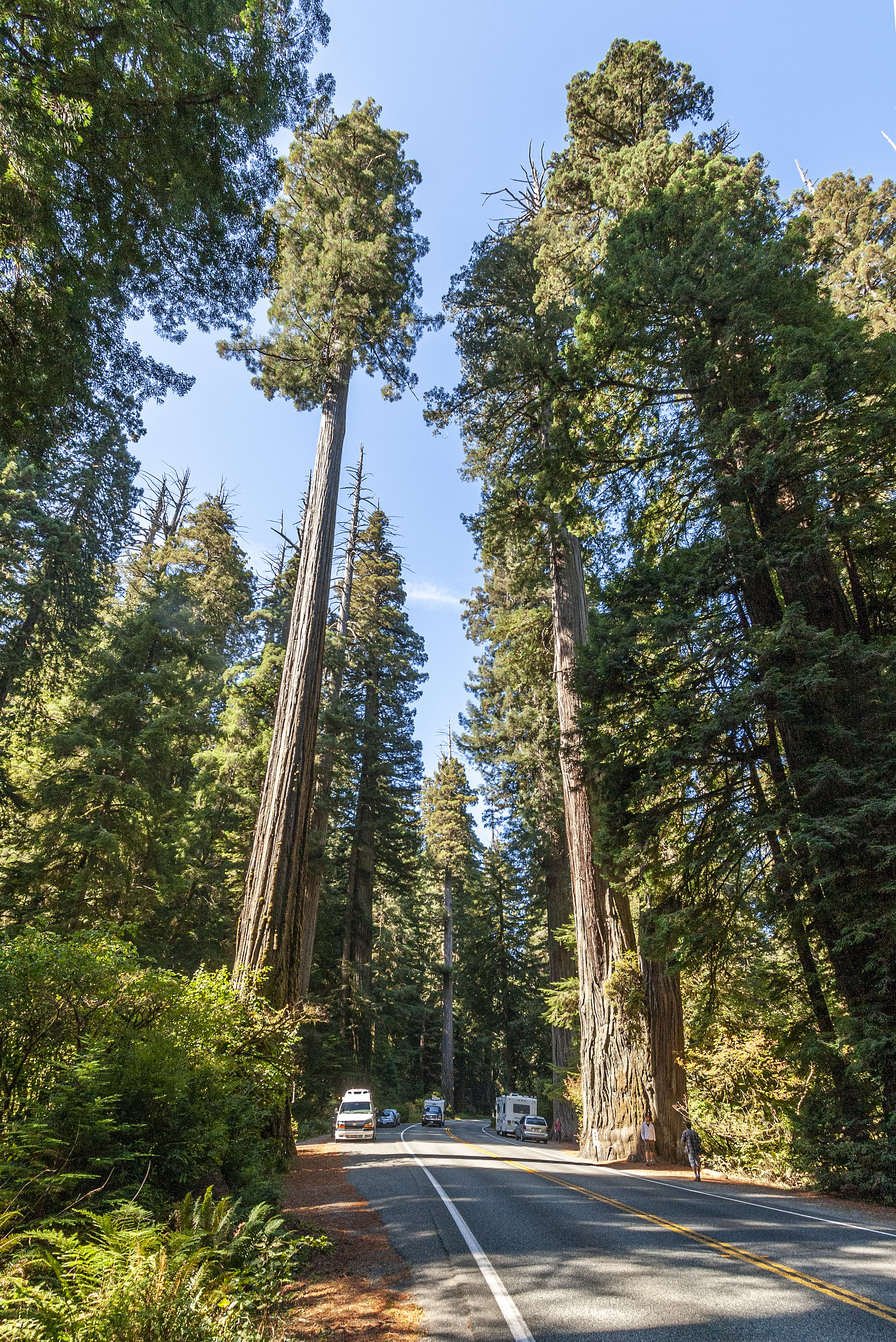
For those who prefer to admire the redwoods from the comfort of their vehicle, several scenic drives offer spectacular views. The renowned Avenue of the Giants in Humboldt Redwoods State Park is a 31-mile alternative to U.S. 101, winding through dense groves and past charming small towns. Other notable drives include the Newton B. Drury Parkway and the Coastal Drive within Redwood National and State Parks. These routes feature numerous pullouts and short interpretive trails, allowing for frequent stops to marvel at the sheer scale of the trees from different perspectives. Overlooks provide panoramic views of the entire forest, giving visitors a sense of the vastness of these ancient woodlands. Driving through these monumental forests, where trees literally dwarf the road, is an unforgettable experience, emphasizing the redwoods’ status as monumental natural landmarks.
The Spiritual Connection
Beyond their scientific and recreational value, the California Redwoods often evoke a profound spiritual or emotional response. Standing at the base of a 2,000-year-old tree that predates much of human history can be an incredibly humbling and awe-inspiring experience. The immense scale, the quiet reverence of the forest, and the feeling of timelessness encourage introspection and a sense of connection to something far greater than oneself. Many visitors describe feeling a deep sense of peace, wonder, and perspective amidst these ancient giants. This spiritual dimension elevates the redwoods from mere natural features to cherished, almost sacred, landmarks, leaving an indelible mark on the hearts and minds of all who visit. They remind us of the enduring power of nature and our role in protecting its most extraordinary creations.
LifeOutOfTheBox is a participant in the Amazon Services LLC Associates Program, an affiliate advertising program designed to provide a means for sites to earn advertising fees by advertising and linking to Amazon.com. Amazon, the Amazon logo, AmazonSupply, and the AmazonSupply logo are trademarks of Amazon.com, Inc. or its affiliates. As an Amazon Associate we earn affiliate commissions from qualifying purchases.