
The California Redwood (Sequoia sempervirens) stands not merely as a tree but as a monumental testament to nature’s architectural prowess. These arboreal titans, native to the coastal regions of California and a small portion of southwestern Oregon, are among the planet’s most iconic natural landmarks. Their sheer scale inspires awe, challenges perception, and firmly entrenches them in the global imagination as the tallest living things on Earth. The question of “how tall” is not just a query about a measurement; it is an invitation to explore the science, history, and sheer majesty of these living giants, which have graced our world for millennia.
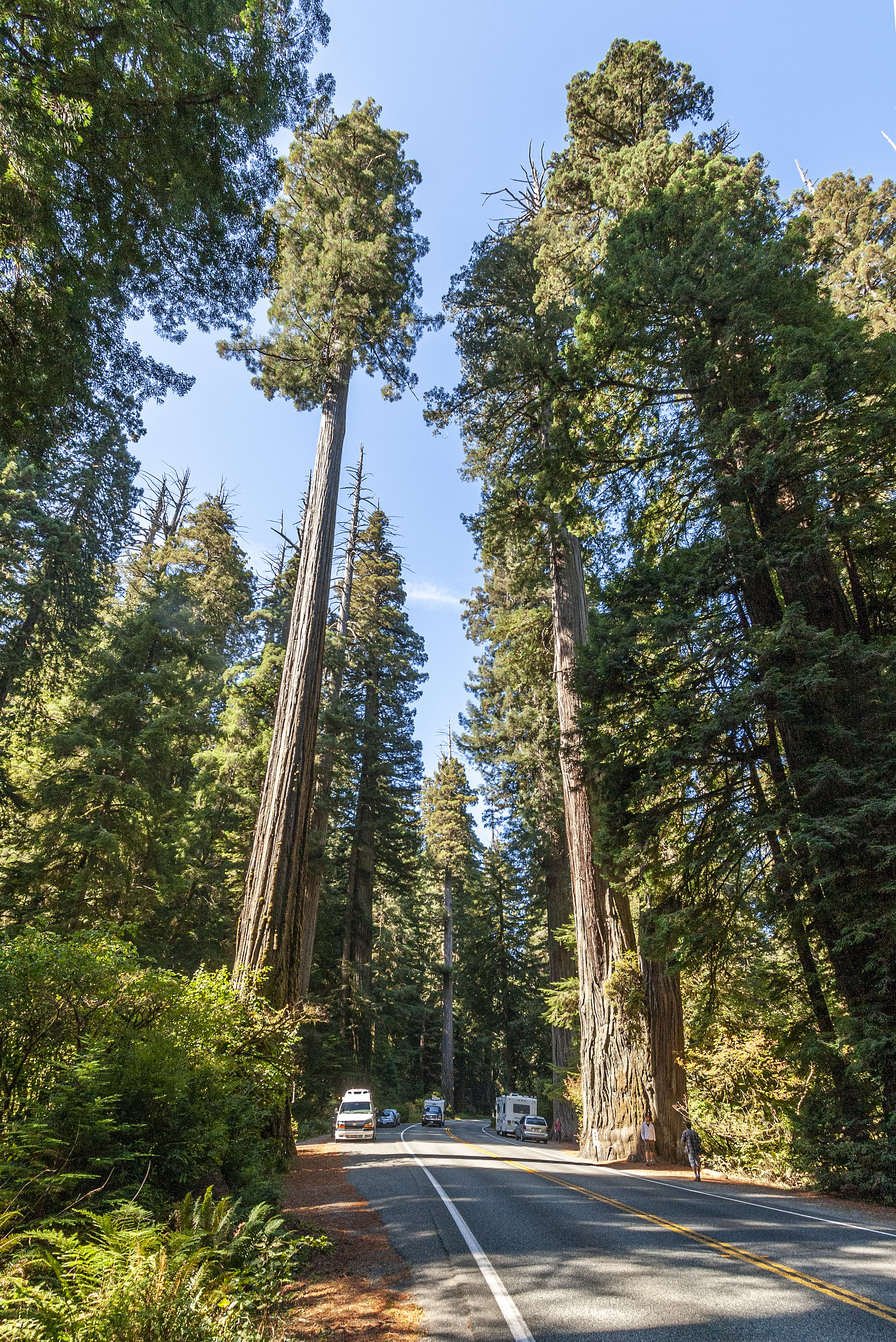
These majestic trees redefine what is possible in the natural world. While average mature redwoods routinely pierce the sky at heights exceeding 300 feet (91 meters), it is their record-breaking specimens that truly capture the imagination. The current reigning champion, a tree affectionately named Hyperion, reaches an astounding 380 feet (115.85 meters) into the firmament. To put this into perspective, Hyperion is taller than the Statue of Liberty, Big Ben, and nearly as tall as a 40-story skyscraper. Understanding the profound height of a California Redwood requires delving into the unique conditions that foster such growth and the efforts dedicated to preserving these irreplaceable landmarks for future generations.
Giants Among Us: Understanding Redwood Height
The pursuit of pinpointing the world’s tallest tree has fascinated scientists and enthusiasts for centuries. The quest involves meticulous measurement, often utilizing sophisticated laser and climbing techniques, to accurately gauge the incredible stature of these arboreal behemoths. These efforts reveal not only the astounding heights they attain but also the challenges in precisely documenting them.
The Record Holders: Pinpointing the Tallest
The title of the world’s tallest living tree has been held by various specimens over time, each a legendary landmark in its own right. Currently, the most celebrated giant is Hyperion, discovered in 2006 within a remote area of Redwood National Park by naturalists Chris Atkins and Michael Taylor. Its verified height of 380 feet (115.85 meters) makes it the undisputed champion. The exact location of Hyperion is kept secret to protect it from human disturbance, ensuring its longevity and the delicate ecosystem around it. Access is restricted to prevent soil compaction and damage to its shallow root system.
Before Hyperion claimed the crown, other notable redwoods held the record, contributing to the rich history of these natural landmarks. The Stratosphere Giant, located in Humboldt Redwoods State Park, once stood at 370 feet (112.8 meters) and was considered the tallest until its discovery was surpassed. Another famous contender was the Mendocino Tree in Montgomery Woods State Natural Reserve, which peaked at 367.5 feet (112 meters) before being outgrown. These record holders are not static; trees continue to grow, and environmental factors can alter their peak height, adding a dynamic element to the quest for the tallest. Measuring these giants is a complex task, often involving a climber scaling the tree with a tape measure or using advanced laser rangefinders from the ground, ensuring accuracy in an endeavor fraught with vertical challenges.
Average vs. Exceptional: What to Expect
While the record holders capture headlines, the average height of a mature California Redwood is still breathtaking. Most mature specimens found in old-growth forests routinely reach heights between 200 to 350 feet (60 to 107 meters). This average alone places them among the tallest trees globally, far surpassing the height of common deciduous or coniferous trees found in other regions. For comparison, the average height of a mature Douglas Fir, another impressive Western tree, is typically around 150-250 feet (45-76 meters), highlighting the exceptional nature of the redwood.
The factors contributing to these exceptional heights are multifaceted. Redwoods thrive in specific environmental niches that provide a consistent supply of moisture, temperate climate, and protection from strong winds. Their unique biology, including thick, fibrous bark that protects against fire and disease, and a robust vascular system capable of transporting water to extreme heights, are crucial. Furthermore, their extraordinary longevity, often living for over 2,000 years, allows them extended periods of continuous growth, slowly adding height year after year, accumulating the mass that makes them true living landmarks.
The Anatomy of a Sky-Scraper: Why Redwoods Grow So Tall
The ability of California Redwoods to reach such unparalleled heights is not merely a stroke of luck but the result of a remarkable synergy between highly specific environmental conditions and an array of sophisticated biological adaptations developed over millions of years of evolution. Understanding these elements offers profound insight into why these trees are unique in the botanical world.
Favorable Environmental Conditions
The coastal strip of California, particularly from the central coast northwards into southern Oregon, provides an almost tailor-made environment for the redwoods’ extreme growth. The most critical factor is the dense summer fog that rolls in from the Pacific Ocean. This fog, which can persist for days or even weeks, acts as a natural irrigation system, condensing on the needles and dripping to the forest floor, providing essential moisture during the otherwise dry California summers. Crucially, redwoods can absorb water directly from the fog through their foliage, supplementing the moisture drawn up by their roots. This unique “fog drip” phenomenon can contribute up to 40% of their annual water intake.
Beyond the fog, the region’s temperate climate—characterized by mild winters and moderate summers with consistent rainfall—prevents the extreme temperatures that could hinder growth. The deep, rich alluvial soils found along river valleys within the redwood zone are another vital component. These soils, often deposited by ancient floods, are incredibly fertile and well-drained, providing ample nutrients and stable ground for the trees’ extensive, yet surprisingly shallow, root systems. This combination of consistent moisture, moderate temperatures, and nutrient-rich soil creates an ecological niche that is perfectly attuned to support the vertical aspirations of these incredible landmarks.
Biological Adaptations for Height
The internal workings and physical structure of the California Redwood are equally crucial to its towering success. One of the most striking adaptations is their remarkably strong and rot-resistant wood. The timber is naturally infused with tannins, which deter insects and fungi, making the trees incredibly durable and contributing to their extraordinary longevity. This resistance allows them to withstand decay for centuries, giving them the time needed to reach their colossal sizes.
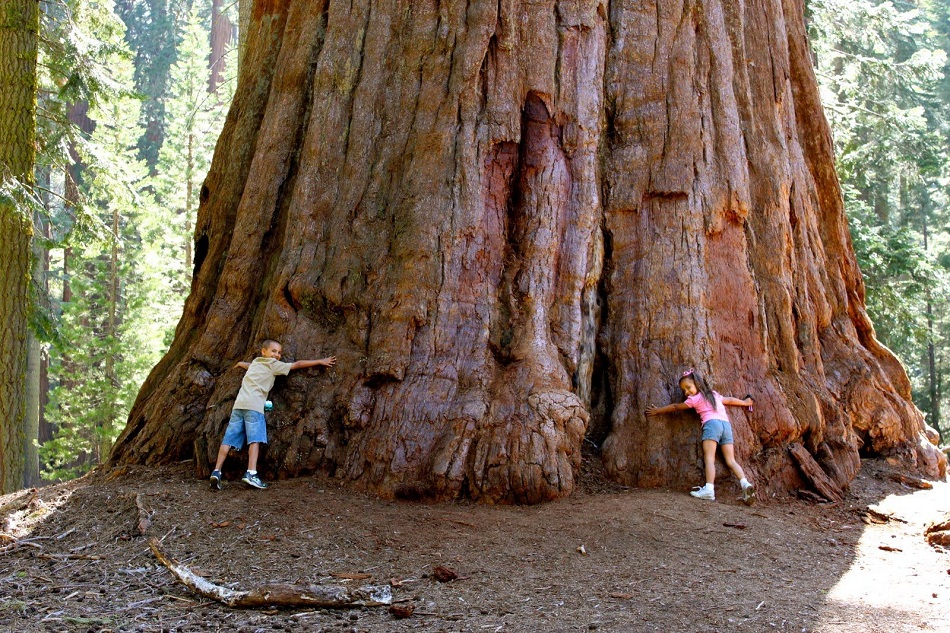
Their root system, while generally shallow, spreads out widely, sometimes more than 100 feet (30 meters) from the trunk, intertwining with the roots of neighboring redwoods. This interlocking network provides immense stability, allowing them to withstand the strong coastal winds that could otherwise fell such tall structures. Furthermore, the redwood’s bark is incredibly thick, often exceeding a foot (30 cm) in thickness, and contains no flammable pitch or resin. This robust, fire-resistant armor protects the inner cambium layer from all but the most intense forest fires, allowing the tree to survive and regenerate even after significant scorching. Some redwoods even sprout new trunks from their base after severe fire damage. This remarkable resilience to natural disturbances, coupled with their immense water-transport capabilities and efficient photosynthetic processes, explains why these living landmarks have endured and thrived for millennia, continuing their slow, majestic ascent towards the sky.
Where to Witness These Colossal Landmarks
Experiencing the California Redwoods firsthand is an unforgettable journey into a world of ancient giants. These trees are not just botanical specimens; they are living cathedrals, their immense scale humbling and inspiring visitors. Fortunately, numerous dedicated parks and reserves have been established to protect these irreplaceable natural landmarks and allow public access to their awe-inspiring presence.
Iconic Redwood Parks and Groves
The most renowned destination for witnessing these titans is Redwood National and State Parks, a UNESCO World Heritage Site located in northern California. This complex of parks preserves nearly half of all remaining old-growth California Redwoods, including the secret location of Hyperion. While Hyperion itself is off-limits, the parks offer extensive trails through equally impressive groves, allowing visitors to walk among trees hundreds of feet tall. Iconic areas within the complex include Jedediah Smith Redwoods State Park, famous for the pristine Stout Grove and its magnificent river access, and Prairie Creek Redwoods State Park, where visitors might spot Roosevelt elk amidst the towering trees.
Further south, closer to San Francisco, Muir Woods National Monument offers a convenient, albeit often crowded, opportunity to experience old-growth redwoods. Its accessibility makes it a popular landmark for those on a shorter visit. For a more extensive and immersive experience, Humboldt Redwoods State Park is home to the famous Avenue of the Giants, a scenic alternative to Highway 101, which winds through numerous groves. Here, visitors can drive or hike among countless towering redwoods, including the Rockefeller Forest, one of the largest remaining old-growth redwood forests in the world. Sadly, Big Basin Redwoods State Park, California’s oldest state park, suffered extensive damage in the 2020 CZU Lightning Complex fires. While still undergoing significant recovery and restoration, it remains a testament to the redwoods’ resilience and a site of ongoing ecological interest.
Preserving the Giants: Conservation Efforts
The history of California Redwoods is intertwined with a dramatic narrative of exploitation and salvation. By the early 20th century, extensive logging had decimated over 95% of the original old-growth redwood forests, pushing these magnificent trees to the brink of ecological collapse. Recognizing the imminent loss of these natural landmarks, dedicated conservationists and organizations stepped in. Groups like the Save the Redwoods League, founded in 1918, have been instrumental in purchasing and protecting redwood lands, advocating for their inclusion in state and national park systems.
Today, the preservation of the remaining old-growth redwoods, and the restoration of logged areas, is a continuous effort. These conservation initiatives involve not only land acquisition but also scientific research into redwood ecology, sustainable forestry practices, and public education. Responsible tourism plays a crucial role; visitors are encouraged to stay on marked trails, respect wildlife, and minimize their impact to ensure the delicate forest ecosystems remain undisturbed. The redwoods stand as a powerful symbol of what can be lost and what can be saved when concerted efforts are made to protect our planet’s most extraordinary natural landmarks.
The Enduring Legacy and Future of the California Redwood
The California Redwood is more than just a tall tree; it is a keystone species, a global marvel, and a symbol of nature’s enduring power. Its legacy is etched into the very landscape of California, influencing ecosystems, inspiring cultures, and offering a beacon of hope for conservation in an ever-changing world.
More Than Just Height: Ecological Significance
Beyond their awe-inspiring height, redwoods play a critical role in the ecology of their forest environments. These dense, ancient forests act as massive carbon sinks, sequestering enormous amounts of atmospheric carbon dioxide, making them vital in the global fight against climate change. Their towering canopies create a unique microclimate on the forest floor, maintaining cooler temperatures and higher humidity, which supports a diverse array of plant and animal life. The redwood ecosystem is home to unique species, including several endangered birds and amphibians, which depend on the specialized conditions provided by these old-growth forests.
The deep litter layer and rich soils fostered by redwood forests support complex fungal networks and microbial communities. Even after death, fallen redwoods continue their ecological contributions for centuries, providing habitat for insects, fungi, and small mammals, and slowly releasing nutrients back into the soil. The streams and rivers flowing through redwood forests are often shaded and cool, creating crucial habitats for salmon and steelhead trout. The health and vitality of these forest landmarks are thus inextricably linked to the well-being of countless other species and the broader ecological balance of the California coast.
Cultural and Inspirational Value
For millennia, California Redwoods have held profound cultural and spiritual significance. Native American tribes indigenous to the redwood region revered these trees, integrating them into their myths, ceremonies, and daily lives. Today, they remain a powerful symbol of California’s natural heritage and are an iconic representation of the state’s wild beauty. For visitors from around the world, encountering a redwood forest is often a transformative experience, eliciting feelings of humility, wonder, and a deep connection to the ancient past.
Their sheer scale can put human existence into perspective, reminding us of the planet’s vast timelines and the resilience of natural systems. Artists, writers, and photographers have long been drawn to their majestic presence, attempting to capture their essence and share their monumental beauty with those unable to witness them firsthand. These trees inspire a sense of guardianship and a desire to ensure their continued existence for future generations to cherish and learn from.

Challenges and the Path Forward
Despite their incredible resilience and protected status, California Redwoods face ongoing threats. Climate change poses significant challenges, particularly through increased drought frequency and severity, which can stress even these fog-dependent giants. The rising intensity and frequency of wildfires, exacerbated by hotter and drier conditions, also represent a serious threat, as seen in the devastation at Big Basin Redwoods State Park. While redwoods are fire-adapted, extreme fires can overwhelm even their robust defenses.
The path forward involves continued and intensified conservation efforts, including active forest management to reduce fire risk, scientific research into redwood resilience and adaptation strategies, and ongoing efforts to acquire and restore critical habitat. Public awareness and responsible visitation are more crucial than ever. The quest to discover even taller redwoods continues, fueling a sense of adventure and contributing valuable data to our understanding of forest dynamics. As enduring landmarks, the California Redwoods stand as a powerful reminder of our planet’s grandeur and the shared responsibility we bear to protect these living monuments for the ages.
In conclusion, the answer to “How tall is a California Redwood?” extends far beyond a simple measurement. It encompasses the incredible record-breaking heights of nearly 400 feet, the intricate biological adaptations that allow such growth, and the unique environmental conditions of the California coast. These magnificent trees are more than just the tallest living things; they are vital ecological landmarks, powerful cultural symbols, and enduring testaments to the majesty and resilience of the natural world. Their continued existence relies on our collective efforts to appreciate, understand, and fiercely protect these awe-inspiring giants.
LifeOutOfTheBox is a participant in the Amazon Services LLC Associates Program, an affiliate advertising program designed to provide a means for sites to earn advertising fees by advertising and linking to Amazon.com. Amazon, the Amazon logo, AmazonSupply, and the AmazonSupply logo are trademarks of Amazon.com, Inc. or its affiliates. As an Amazon Associate we earn affiliate commissions from qualifying purchases.