
Welcoming a new child into your family is a monumental life event, one that fundamentally reshapes your daily rhythms, priorities, and ultimately, your lifestyle. In California, a state renowned for its progressive employee protections, new parents are afforded a robust framework of leave options designed to support this crucial transition. Navigating these various programs can, however, feel complex amidst the excitement and anticipation of parenthood. This comprehensive guide aims to demystify the process of applying for maternity leave in California, empowering you to secure the time off you need to bond with your child and embrace your new family lifestyle with confidence and peace of mind.
Understanding and effectively utilizing these benefits is not just about compliance; it’s about enabling a fulfilling “life out of the box” where personal well-being and family priorities are nurtured. By carefully planning your leave, you lay the groundwork for a smoother adjustment to parenthood, allowing you to fully immerse yourself in these precious early moments without undue financial stress or professional anxiety.
Understanding California’s Maternity Leave Landscape
California offers some of the most comprehensive parental leave benefits in the United States, blending federal protections with state-specific programs. This layered approach ensures that expecting and new parents have access to job protection, income replacement, and the essential time needed for recovery and bonding. Grasping the interplay between these laws and programs is the first step toward a successful leave application.
Key Laws Protecting New Parents
At the federal level, the Family and Medical Leave Act (FMLA) provides eligible employees with up to 12 weeks of unpaid, job-protected leave for certain family and medical reasons, including the birth or adoption of a child. To qualify, employees must have worked for their employer for at least 12 months, accumulated 1,250 hours of service during the 12-month period immediately preceding the leave, and work at a location where the employer has 50 or more employees within 75 miles.
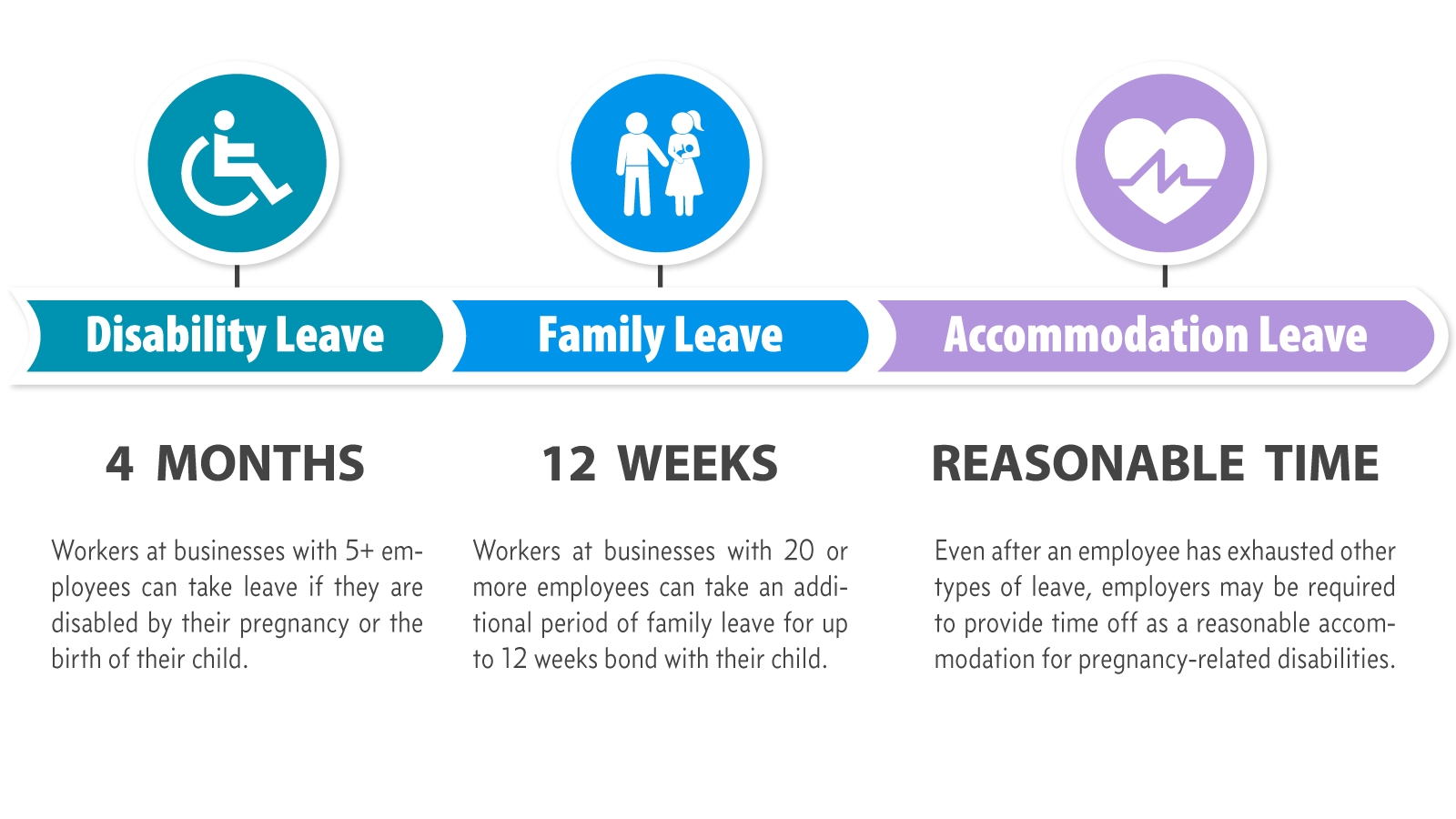
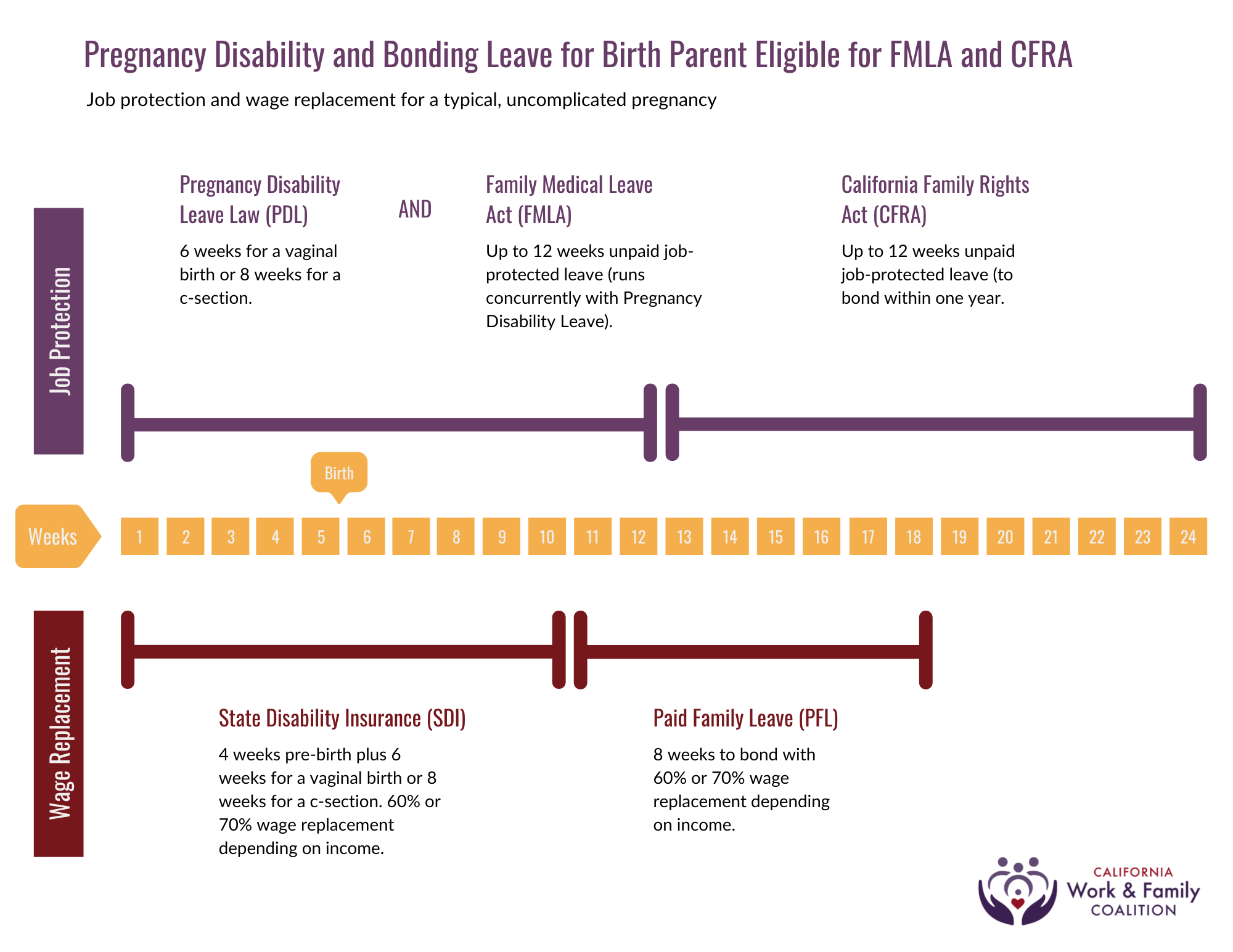
California significantly expands upon FMLA with the California Family Rights Act (CFRA). CFRA largely mirrors FMLA in its job-protected leave provisions but applies to employers with five or more employees and covers a broader definition of family members. Importantly, CFRA leave runs concurrently with FMLA for eligible reasons, such as bonding with a new child. For pregnancy-related disability, however, California offers additional protection. The Pregnancy Disability Leave Law (PDLL) provides up to four months of job-protected leave for employees disabled by pregnancy, childbirth, or related medical conditions, regardless of employer size (if they have five or more employees). This leave is distinct from and can be taken in addition to CFRA leave. Therefore, a pregnant employee in California could potentially take up to four months of PDLL for pregnancy disability, followed by 12 weeks of CFRA for bonding.
Differentiating State Programs: SDI and PFL
Beyond job-protected leave, California also provides wage replacement benefits through two key programs administered by the Employment Development Department (EDD):
- State Disability Insurance (SDI): This program provides partial wage replacement for workers who are unable to work due to a non-work-related illness, injury, or pregnancy. For pregnancy, SDI typically covers the period before childbirth (usually up to four weeks prior to the expected due date) and the recovery period after childbirth (usually six weeks for a normal delivery or eight weeks for a C-section).
- Paid Family Leave (PFL): Following the SDI period for childbirth recovery, PFL provides up to eight weeks of partial wage replacement for new parents to bond with a newborn, adopted child, or foster child. PFL is distinct from PDLL and CFRA in that it offers wage replacement but does not inherently provide job protection (job protection comes from FMLA, CFRA, or PDLL).
Understanding these distinctions is crucial, as you will likely apply for a combination of these benefits to ensure both job security and income replacement during your maternity leave.
Navigating Eligibility and Requirements
To successfully apply for maternity leave in California, you must meet specific eligibility criteria for each program and be aware of your employer’s obligations. Proactive communication and diligent record-keeping are your best allies during this phase.
Employee Eligibility Criteria
Generally, to be eligible for SDI and PFL benefits, you must:
- Have paid into SDI: This is typically done through payroll deductions from your wages. Check your pay stubs for “CA SDI” deductions.
- Be unable to work due to disability or to bond with a new child: This must be certified by a medical professional for SDI or for PFL to bond with a new child.
- Have earned at least $300 in the 5 to 18 months before your claim begins: This is known as the base period.
- Not be receiving unemployment insurance benefits.
- Be employed or actively looking for work at the time your disability or leave begins.
For job-protected leave under FMLA, CFRA, or PDLL, you’ll need to satisfy specific tenure and employer size requirements as outlined above. It’s important to verify these with your employer’s HR department.
Employer Responsibilities and Your Rights
Your employer has significant responsibilities when it comes to maternity leave. They must:
- Provide required notices: Employers are generally required to inform employees about their rights under FMLA, CFRA, and PDLL.
- Grant job-protected leave: If you are eligible, your employer must grant you the time off and restore you to your same or a comparable position upon your return.
- Continue health benefits: During FMLA, CFRA, and PDLL leave, your employer must maintain your group health insurance benefits under the same conditions as if you had continued to work.
- Not discriminate: It is illegal for an employer to discriminate against you for taking or requesting maternity leave.
As an employee, it is your right to request leave and receive accurate information from your employer. Typically, you are required to provide your employer with advance notice (usually 30 days if foreseeable) of your intent to take leave. Even if you cannot provide 30 days’ notice (e.g., due to an unexpected early delivery), you should notify your employer as soon as practicable.
The Application Process: A Step-by-Step Guide
The actual application process for maternity leave in California involves coordinating with your employer and filing claims with the Employment Development Department (EDD). Breaking it down into manageable steps can reduce anxiety.
Applying for State Disability Insurance (SDI)
Your SDI claim typically begins when you stop working due to your pregnancy-related disability.
- Notify your employer: Inform your employer about your pregnancy and your expected leave dates.
- Obtain a medical certificate: Your doctor or practitioner will need to certify your disability. This includes your expected due date and the period you are disabled from working.
- File your claim online: The easiest way to apply for SDI is through the EDD’s Benefits Program Online portal. You can create an account and file your claim (Form DE 2501). You typically file this after you stop working.
- Doctor certifies claim: Once you’ve submitted your part of the claim, the EDD will send a form to your medical provider to certify your disability period. Ensure your doctor submits this promptly.
- Receive payments: If approved, the EDD will issue payments, usually every two weeks, after a one-week unpaid waiting period.
Securing Paid Family Leave (PFL)
Once your SDI benefits for childbirth recovery conclude, you can transition to PFL for bonding.
- Notify your employer: Again, ensure your employer is aware of your intention to take bonding leave.
- File your claim online: You can file your PFL claim (Form DE 2501F) through the EDD’s Benefits Program Online. You can generally do this once your SDI benefits for pregnancy disability end, or within the first year of your child’s birth, adoption, or foster care placement.
- Provide proof of relationship: For PFL, you’ll need to provide documentation such as a birth certificate, adoption decree, or foster care placement order.
- Receive payments: If approved, the EDD will issue PFL payments, typically every two weeks, with no waiting period if it directly follows an SDI claim.
Coordinating with Your Employer
Throughout this entire process, maintaining open and clear communication with your employer is paramount.
- Inform HR: Reach out to your HR department or supervisor early to discuss your leave plans, understanding your employer’s specific policies and any required internal forms.
- Confirm job protection: Clarify which leaves (FMLA, CFRA, PDLL) will apply to your situation and the duration of your job protection.
- Discuss benefits: Understand how your health benefits, vacation time, sick leave, and other benefits will be managed during your absence. Some employers offer supplemental pay that can run concurrently with SDI/PFL benefits.
- Plan for transition: Work with your team to create a handover plan for your responsibilities, ensuring a smooth transition for your colleagues and minimizing stress before your leave begins.
Maximizing Your Maternity Leave for a Fulfilling Lifestyle
Maternity leave is more than just a break from work; it’s an invaluable opportunity to establish a new family dynamic, recover physically, and nurture a sustainable lifestyle. Strategic planning ensures you can fully embrace this unique period.
Planning for Financial Stability
While SDI and PFL provide partial wage replacement, they typically cover 60-70% of your average weekly wages (up to a maximum amount). This means a reduction in income for most families.
- Budgeting: Create a detailed budget for your leave period, accounting for reduced income and potential new baby expenses.
- Savings: Aim to build up a savings cushion to cover the difference in income and any unexpected costs.
- Supplemental pay: Inquire if your employer offers supplemental benefits (e.g., “top-up” pay) that can bridge the gap between state benefits and your full salary.
- Tax implications: Be aware that SDI and PFL benefits are generally taxable income at the federal level, though not by California.
Prioritizing Self-Care and Family Bonding
A well-managed maternity leave is designed to reduce stress and allow for profound connection.
- Physical recovery: Prioritize rest and recovery, especially in the initial weeks postpartum.
- Bonding: Dedicate time to bonding activities with your newborn, fostering strong attachments.
- Support system: Lean on your partner, family, and friends for support, and don’t hesitate to ask for help.
- Mental well-being: Be mindful of your mental health. Postpartum depression and anxiety are common, and resources are available if you need them.
Transitioning Back to Work
Planning your return to work can alleviate anxiety and ensure a smoother reintegration.
- Phased return: Discuss the possibility of a phased return to work with your employer, if available, such as working part-time for a few weeks.
- Childcare arrangements: Secure reliable childcare well in advance of your return date.
- Communication: Maintain occasional communication with your team during your leave (as appropriate and agreed upon) to stay updated, without feeling pressured to work.
Important Considerations and Resources
Navigating maternity leave is a significant undertaking, but you don’t have to do it alone. Being aware of potential pitfalls and knowing where to seek assistance can make a substantial difference.
Common Pitfalls to Avoid
- Late notification: Failing to provide timely notice to your employer can complicate your leave arrangements.
- Incomplete applications: Errors or missing information on EDD forms can delay your benefits. Double-check all submissions.
- Misunderstanding benefits: Incorrectly assuming job protection from PFL or misunderstanding the interplay of different leave types can lead to issues.
- Ignoring a financial plan: Lack of financial preparation can turn a joyous time into a stressful one.
Essential Support Resources
- Employment Development Department (EDD): The official source for SDI and PFL information. Their website (edd.ca.gov) offers detailed guides, forms, and an online portal for filing claims.
- California Department of Fair Employment and Housing (DFEH): Provides information on job-protected leaves like PDLL and CFRA, and addresses discrimination complaints.
- Your Employer’s HR Department: Your primary contact for company-specific policies, benefits, and internal leave forms.
- Legal Aid/Employment Attorneys: If you encounter difficulties with your employer regarding your leave rights, consulting an attorney specializing in employment law in California can provide invaluable guidance.
Applying for maternity leave in California is a multi-step process that, while detailed, is designed to support new parents during one of life’s most profound experiences. By understanding your rights, diligently following application procedures, and planning strategically, you can secure the necessary time off to embrace your new family lifestyle, ensuring a healthier and more fulfilling start to parenthood. This period is a foundational step in your family’s “life out of the box,” setting the stage for rich experiences and cherished memories.
LifeOutOfTheBox is a participant in the Amazon Services LLC Associates Program, an affiliate advertising program designed to provide a means for sites to earn advertising fees by advertising and linking to Amazon.com. Amazon, the Amazon logo, AmazonSupply, and the AmazonSupply logo are trademarks of Amazon.com, Inc. or its affiliates. As an Amazon Associate we earn affiliate commissions from qualifying purchases.