
Embarking on a journey to become a licensed contractor in California is more than just a career choice; it’s a commitment to an entrepreneurial lifestyle, a decision to shape your own professional destiny within one of the world’s most dynamic economies. This path offers immense potential for personal growth, financial independence, and the satisfaction of building tangible legacies. For those with a vision for construction, a knack for project management, and a desire to thrive in a competitive yet rewarding environment, the Golden State presents an unparalleled opportunity to craft a fulfilling professional lifestyle. This guide delves into the essence of this lifestyle, outlining the critical steps, inherent challenges, and profound rewards awaiting aspiring contractors in California.

The Entrepreneurial Lifestyle: Why Contracting in California?
Choosing a contracting career in California is inherently choosing an entrepreneurial lifestyle. It’s about taking control, making strategic decisions, and bearing the responsibility for your successes and challenges. The allure of this path stems from the freedom it offers—freedom to choose projects, set your own schedule, and build a business that reflects your values and expertise. This lifestyle appeals to self-starters who are driven by impact, innovation, and the direct correlation between effort and reward.
Unparalleled Market Opportunities
California’s diverse geography and robust economy fuel a constant demand for skilled contractors. From the bustling urban landscapes of Los Angeles and San Francisco to the sprawling residential developments in the Central Valley and the unique architectural demands of coastal communities, construction opportunities are abundant and varied. This rich market allows contractors to specialize in niches they are passionate about, whether it’s sustainable building, high-tech commercial spaces, or bespoke residential renovations. The sheer scale and variety of projects mean that a contractor’s lifestyle in California is rarely monotonous, offering continuous learning and adaptation.
Autonomy and Impact
One of the most compelling aspects of the contractor lifestyle is the high degree of autonomy. As a business owner, you are at the helm, directing your team, managing client relationships, and making executive decisions that directly impact your company’s trajectory and the communities you serve. This level of control allows for a profound sense of ownership and personal satisfaction that can be difficult to achieve in more traditional employment structures. Every project completed is a testament to your skill, dedication, and entrepreneurial spirit, leaving a tangible mark on the physical landscape of California.
The Vision of Building
Beyond the financial rewards, many contractors are drawn to the lifestyle for the sheer joy of building and problem-solving. It’s a profession where creativity meets practicality, where blueprints transform into structures, and where challenges are met with innovative solutions. The daily routine is a blend of strategic planning, hands-on oversight, and continuous adaptation to unforeseen circumstances. This dynamic environment fosters a constantly evolving skill set and a mindset geared towards overcoming obstacles, making the contractor’s lifestyle one of perpetual engagement and intellectual stimulation.
Navigating the Path: Licensing and Legal Frameworks
The dream of an entrepreneurial lifestyle as a contractor in California begins with understanding and navigating the state’s rigorous licensing and legal frameworks. California has some of the most stringent regulations in the nation, designed to protect consumers and ensure high standards of quality and safety. Successfully obtaining a license is the foundational step that validates your expertise and commitment to operating a legitimate, responsible business.
Meeting the Core Requirements
To apply for a contractor’s license, you must meet several key requirements set forth by the Contractors State License Board (CSLB). These typically include:
- Age and Identification: Be at least 18 years old and provide a valid Social Security number or ITIN.
- Experience: Demonstrate at least four years of journey-level experience in the classification for which you are applying. This experience must be verifiable and gained within the last 10 years. Acceptable experience includes working as a journeyman, foreperson, supervising employee, or contractor. Education can sometimes substitute for a portion of the experience, but hands-on practical knowledge is paramount.
- Good Moral Character: While not always a direct obstacle, applicants must disclose any criminal history, which the CSLB reviews on a case-by-case basis.
- Application Submission: Complete a comprehensive application package, detailing your experience and qualifications. This is a critical step that requires meticulous attention to detail.
Understanding License Classifications
California contractor licenses are categorized into three main types, each dictating the scope of work a contractor can legally perform:
- Class A (General Engineering Contractor): This license covers projects that require specialized engineering knowledge, such as roads, bridges, dams, and large-scale public works.
- Class B (General Building Contractor): This is the most common license, allowing contractors to build or remodel structures where at least two unrelated building trades are involved, typically requiring framing, dry rot repair, or roofing. This classification covers residential, commercial, and industrial buildings.
- Class C (Specialty Contractor): This category includes over 40 distinct classifications for specific trades like plumbing, electrical, HVAC, roofing, painting, landscaping, and concrete. Many contractors begin their journey with a Class C license before potentially expanding to a Class B.
Choosing the right classification is crucial for defining your business’s scope and target market, directly influencing the lifestyle you’ll lead as a contractor.
The Examination Process
Once your application is approved, you’ll be scheduled to take two rigorous examinations:
- Law and Business Examination: This test covers essential business principles, contract law, licensing requirements, safety regulations, and administrative procedures relevant to operating a contracting business in California.
- Trade Examination: This exam assesses your technical knowledge and practical skills specific to your chosen license classification (Class A, B, or C). It covers topics like planning, estimation, construction techniques, safety measures, and material selection.
Thorough preparation is key to passing these exams, often involving study guides, online courses, and practice tests. The successful completion of these exams is the final hurdle before your license can be issued, marking a significant milestone in your transition to an independent contractor.
Bonding and Insurance
Before a license is issued, and to maintain an active license, contractors must fulfill bonding and insurance requirements:
- Contractor Bond: A $15,000 bond is required for all licensees. This bond acts as a protection for consumers who may suffer financial damage due to a contractor’s actions.
- Bond of Qualifying Individual (BQI): If the qualifier for the license is not an owner or officer of the company, an additional $12,500 BQI is required.
- Workers’ Compensation Insurance: If you plan to hire employees, workers’ compensation insurance is mandatory. Even if you don’t initially, it’s a critical consideration for future growth and protecting your business.
- Liability Insurance: While not always legally mandated by the CSLB, general liability insurance is highly recommended and often required by clients to protect against claims of property damage, bodily injury, and other liabilities that can arise during construction projects.
These financial safeguards are integral to a responsible contracting lifestyle, ensuring you and your clients are protected.
Crafting Your Business Lifestyle: Specialties and Market Demand
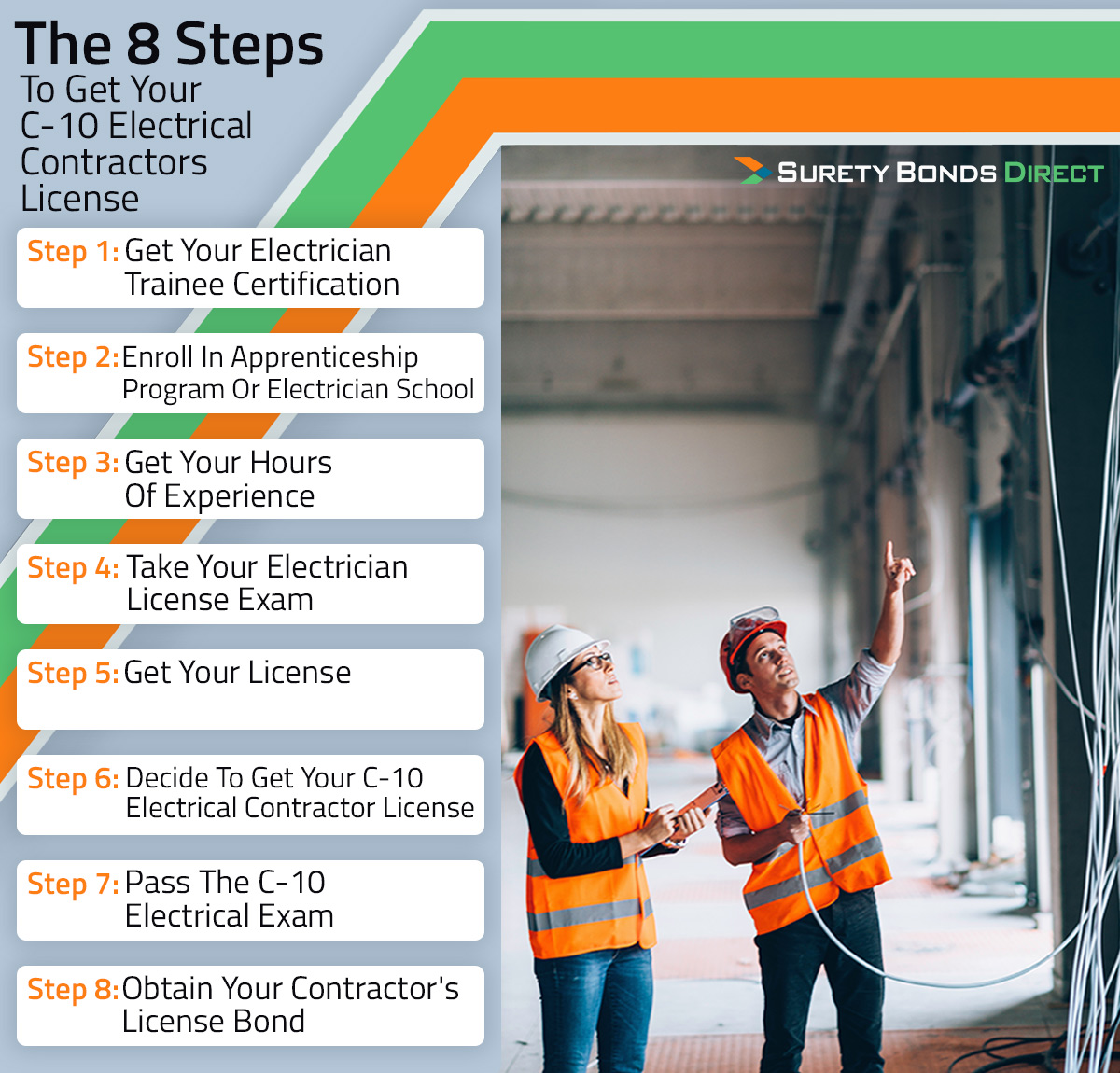
Once licensed, the next phase of defining your contractor lifestyle involves strategically choosing your niche and understanding the market demand in California. This decision impacts everything from the types of projects you pursue to your daily operational rhythm and long-term business sustainability. A well-defined specialty allows you to hone your expertise, build a strong reputation, and attract ideal clients.
Identifying Your Niche
California’s diverse construction landscape supports a multitude of specialties. Consider your passions, skills, and the types of challenges that genuinely excite you. Do you envision yourself:
- Building Custom Homes: Focusing on high-end residential projects often means intricate designs, close client collaboration, and a premium on craftsmanship.
- Developing Commercial Spaces: This might involve office buildings, retail centers, or industrial facilities, requiring expertise in large-scale project management and adherence to commercial codes.
- Specializing in Green Building: With California’s strong emphasis on sustainability, becoming an expert in energy-efficient construction, solar installations, or eco-friendly materials offers a growing market.
- Undertaking Renovation and Remodeling: This niche often involves creative problem-solving within existing structures and a keen eye for maximizing space and functionality.
- Working in Infrastructure: General engineering contractors might focus on roads, utilities, or public works, contributing to the foundational elements of communities.
Your chosen niche will largely dictate your daily activities, the tools you use, the team you assemble, and the unique challenges you face, all shaping your distinct contractor lifestyle.
Understanding California’s Market Dynamics
The construction market in California is influenced by various factors, including population growth, economic trends, environmental regulations, and technological advancements. Staying abreast of these dynamics is crucial for sustainable business growth. For instance:
- Housing Shortage: California’s ongoing housing crisis continues to drive demand for both new residential construction and accessory dwelling units (ADUs), offering significant opportunities for residential builders.
- Tech Sector Influence: The tech industry, particularly in areas like San Francisco and Silicon Valley, fuels demand for sophisticated commercial spaces, data centers, and advanced infrastructure.
- Disaster Preparedness: Given California’s susceptibility to natural disasters, there’s a consistent need for contractors specializing in retrofitting, fire-resistant construction, and post-disaster rebuilding efforts.
- Sustainability Imperatives: Strict building codes and consumer preferences for energy efficiency and sustainable practices create a strong market for contractors proficient in green building techniques and materials.
By understanding these trends, you can strategically position your business, adapt your services, and ensure your contractor lifestyle remains relevant and prosperous. This proactive approach to market analysis is a hallmark of successful entrepreneurial ventures.
Sustaining the Contractor Lifestyle: Business Growth and Personal Well-being
Establishing a contracting business in California is just the beginning; sustaining it requires continuous effort in business growth, client relations, and crucially, managing your personal well-being. The contractor lifestyle, while rewarding, can be demanding. Balancing rigorous project schedules with administrative duties and the constant pursuit of new business opportunities necessitates robust strategies for efficiency and self-care.
Cultivating Client Relationships and Reputation
In the competitive California market, a strong reputation is your most valuable asset. This is built on consistent quality, transparent communication, reliability, and excellent customer service. Happy clients not only provide positive testimonials but also become sources of repeat business and valuable referrals.
- Clear Communication: Establish open lines of communication with clients from project inception to completion. Manage expectations regarding timelines, budgets, and potential challenges.
- Quality Workmanship: Deliver projects that meet or exceed industry standards. Your work is your calling card.
- Professionalism: Maintain a professional demeanor and appearance, and ensure your team reflects these values.
- Follow-Up: After project completion, follow up with clients to ensure their satisfaction and to address any post-construction needs. This reinforces trust and strengthens your professional network.
A lifestyle centered on client satisfaction not only ensures business continuity but also brings immense personal gratification.
Financial Management and Scalability
Effective financial management is the backbone of a sustainable contractor lifestyle. This involves meticulous budgeting, accurate bidding, efficient cash flow management, and strategic planning for growth.
- Accurate Bidding: Underbidding can lead to financial losses, while overbidding can cost you projects. Develop robust estimating processes.
- Cash Flow Management: Construction projects often involve significant upfront costs and delayed payments. Proactively manage cash flow to ensure operational stability.
- Strategic Growth: Consider when and how to scale your business. This might involve hiring more staff, investing in new equipment, or expanding your service offerings. Growth should be managed to avoid overextending resources.
- Contingency Planning: Always factor in unforeseen expenses and delays. A robust contingency fund is essential in construction.
Prioritizing Personal Well-being
The demands of the contractor lifestyle can lead to long hours and significant stress. Prioritizing personal well-being is not a luxury but a necessity for long-term success and happiness.
- Work-Life Balance: Actively carve out time for family, hobbies, and relaxation. The entrepreneurial journey is a marathon, not a sprint.
- Delegation: Learn to delegate tasks effectively to your team. Trusting your employees empowers them and frees up your time for strategic leadership.
- Professional Development: Stay current with industry trends, technologies, and regulations. Continuous learning keeps your skills sharp and your business competitive.
- Networking: Connect with other contractors, suppliers, and industry professionals. Networking provides support, insights, and potential business opportunities.
A balanced lifestyle ensures that you remain energized, focused, and passionate about your craft, rather than succumbing to burnout.
Living the Dream: The California Contractor’s Journey
The journey to becoming and thriving as a contractor in California is a testament to resilience, innovation, and an unwavering entrepreneurial spirit. It’s a challenging yet profoundly rewarding lifestyle that allows individuals to build not just structures, but also businesses, careers, and legacies. From the initial spark of an idea to the successful completion of a landmark project, every step shapes the unique narrative of a California contractor.
The Rewards of Dedication
The rewards of this lifestyle extend far beyond financial gains. They encompass the satisfaction of seeing your vision materialize, the pride in contributing to the built environment, and the respect earned from clients and peers alike. There’s an immense sense of accomplishment in navigating complex projects, overcoming unexpected hurdles, and delivering results that exceed expectations. The daily challenges sharpen your problem-solving skills, and the diverse projects expose you to new ideas and technologies, ensuring a dynamic and intellectually stimulating career.
Contributing to California’s Landscape
As a contractor in California, you become an integral part of shaping the state’s iconic landscape. Whether you’re crafting a dream home in San Diego, developing a commercial complex in Sacramento, or renovating a historic building in San Francisco, your work directly influences the lives of residents and the economic vitality of communities. This deep connection to place and purpose adds a significant dimension to the contractor lifestyle, fostering a sense of pride and lasting impact.

Continuous Evolution
The construction industry in California is constantly evolving, driven by technological advancements, changing regulatory landscapes, and shifting consumer demands. To maintain a successful contractor lifestyle, continuous learning and adaptation are essential. This could mean adopting new construction techniques, implementing sustainable practices, integrating smart home technologies, or embracing advanced project management software. The commitment to lifelong learning ensures that your business remains competitive, innovative, and prepared for future opportunities.
Ultimately, becoming a contractor in California is about embracing a lifestyle of continuous building—building structures, building relationships, and building a prosperous future. It demands grit, expertise, and a passion for craftsmanship, but for those who commit, the journey offers unparalleled opportunities for personal and professional fulfillment in the heart of the Golden State.
LifeOutOfTheBox is a participant in the Amazon Services LLC Associates Program, an affiliate advertising program designed to provide a means for sites to earn advertising fees by advertising and linking to Amazon.com. Amazon, the Amazon logo, AmazonSupply, and the AmazonSupply logo are trademarks of Amazon.com, Inc. or its affiliates. As an Amazon Associate we earn affiliate commissions from qualifying purchases.