
Navigating the financial landscape of any new destination, whether for a fleeting visit or an extended stay, is a crucial aspect of responsible planning. For those venturing to or conducting business within California, understanding how sales tax operates is not just a matter of compliance but a key component of effective budget management across various lifestyle choices. From the meticulously planned family vacation to the critical business trip, or even the pursuit of luxury experiences, sales tax profoundly impacts the final cost of goods and certain services. This guide will demystify California’s sales tax system, offering a professional and insightful approach to its calculation and its strategic implications for every lifestyle.
Understanding California’s Sales Tax Landscape
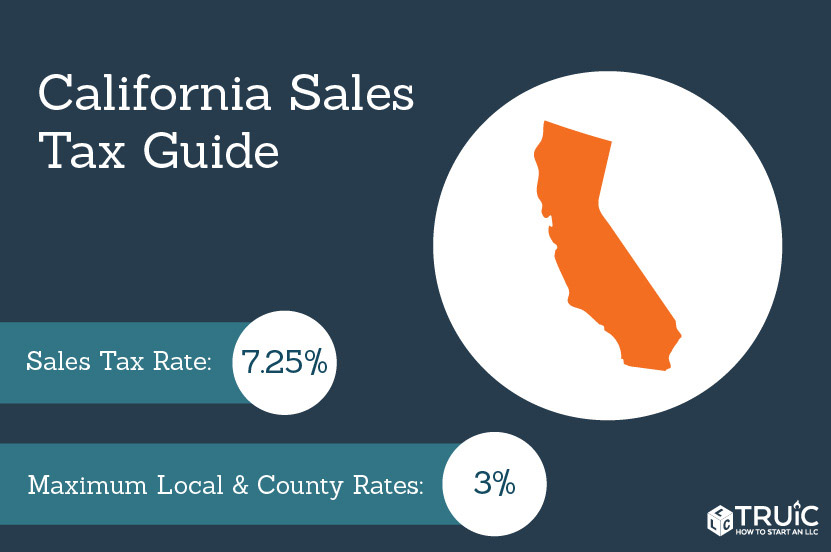
California operates a sophisticated sales tax system that combines a statewide base rate with various local district taxes. This multi-layered approach means that the exact sales tax percentage you pay can vary significantly depending on your specific location within the Golden State. For any individual, be it a budget-conscious traveler or a corporate executive, grasping this foundational structure is the first step towards accurate financial forecasting.
The Statewide Base Rate
At its core, California levies a statewide sales and use tax rate. This is the minimum percentage applied to the retail sale of tangible personal property, meaning most physical goods you purchase. This rate is uniform across all cities and counties in California, providing a consistent starting point for calculations. However, relying solely on this base rate will almost always lead to an underestimate of the actual tax due. This rate is foundational, but it’s crucial to understand it’s rarely the final figure seen on a receipt. For budget travelers, this base rate is a floor for expenses, while for luxury shoppers, it represents a non-negotiable addition to high-value purchases.
Local District Taxes: Adding to the Complexity
Beyond the statewide rate, numerous local entities — including cities, counties, and special districts — have the authority to impose their own sales tax rates. These “district taxes” are stacked on top of the statewide base rate, creating a diverse patchwork of total sales tax percentages across California. For instance, a purchase made in Los Angeles County will likely incur a different total sales tax than an identical purchase made in San Francisco or San Diego. These district taxes fund local initiatives, from transportation projects to public services, making them an integral part of California’s fiscal policy. For business travelers, understanding these localized rates is critical for expense reporting and compliance. For families planning trips across different regions, recognizing these variations helps in managing overall spending.
Exemptions and Non-Taxable Services
Not everything purchased in California is subject to sales tax. Certain categories of goods and services are exempt. Most notably, true services are generally not taxed. For example, the cost of a hotel room (a service) typically isn’t subject to sales tax, though it might be subject to a separate occupancy tax (which is different). Likewise, professional services like legal advice, medical treatments, or haircuts are generally exempt. Certain food items, particularly “basic food products” sold for home consumption, are also exempt, though prepared foods sold at restaurants or hot deli items are usually taxed. Understanding these exemptions can be particularly beneficial for budget travelers looking to save on groceries, or for businesses accurately categorizing their expenses to avoid overpaying. Luxury travelers, too, might find certain high-end personal services fall outside the sales tax net. The California Department of Tax and Fee Administration (CDTFA) provides comprehensive lists of taxable and non-taxable items.
Practical Applications for Diverse Lifestyles
The nuances of California’s sales tax directly impact various lifestyle choices, from how one budgets for travel to how businesses manage their expenditures. Integrating an understanding of sales tax into financial planning is essential for a seamless and predictable experience.
Budget-Conscious Travelers: Maximizing Your Dollar
For those exploring California on a tighter budget, every dollar counts. Sales tax can add a significant percentage to the cost of souvenirs, meals eaten out, and essential supplies. A 9% sales tax on a $100 purchase adds an extra $9, which, over several purchases, can quickly accumulate. Budget travelers should factor in this additional cost when setting daily spending limits. Opting for non-taxable groceries over restaurant meals, or being mindful of where larger purchases are made (e.g., a city with a lower combined rate if feasible), can lead to noticeable savings. Prioritizing experiences over tangible goods that are subject to tax can also be a smart strategy.
Luxury Experiences: Beyond the Sticker Price
Luxury travel often involves high-value purchases, where sales tax can translate into substantial additional costs. A designer handbag costing $5,000 could incur an extra $450-$500 in sales tax, depending on the location. For luxury travelers, understanding this ensures that the “sticker price” isn’t mistaken for the “final price.” When planning high-end shopping excursions in cities like Beverly Hills or San Francisco, accounting for these taxes is crucial for accurate financial provisioning. While the percentage might seem small, on significant expenditures, the absolute dollar amount can be considerable.
Family Trips: Planning for Every Purchase
Family trips often involve a multitude of purchases, from children’s toys and snacks to theme park merchandise and restaurant meals. Each of these can be subject to sales tax. For families, the cumulative effect of sales tax on numerous small items throughout a trip can be substantial. Planning a family budget for California must incorporate this recurring cost. Buying non-taxable bulk snacks for the road, bringing reusable water bottles instead of purchasing bottled water frequently, or even considering the tax rate of different shopping districts near attractions like Disneyland can contribute to better financial management for the entire family.
Business Stays: Deductions and Compliance
Business travelers and companies operating in California face unique considerations. While sales tax is generally a cost that cannot be directly deducted as a business expense if it’s part of the cost of goods sold or used, its correct calculation is vital for expense reporting, budget reconciliation, and maintaining compliance. For businesses that resell goods, they typically do not pay sales tax on inventory purchased with a reseller’s permit, but they must collect and remit sales tax from their customers. Understanding district rates is critical for multi-location businesses or those making purchases in different parts of the state. Accurate sales tax calculation ensures that businesses avoid penalties from the CDTFA and maintain precise financial records, which is paramount for tax planning and audits.
A Step-by-Step Guide to Calculation
Calculating sales tax in California is straightforward once you understand the components. It’s a simple multiplication, but identifying the correct rate is the key.
Identifying the Applicable Rate
The first and most critical step is to determine the exact combined sales tax rate for the specific location where the purchase is being made. This is where the local district taxes come into play.
- Pinpoint the location: Know the exact city and county of the transaction.
- Consult official resources: The CDTFA website is the authoritative source for current sales tax rates by address or zip code. Many online tools and apps also provide this information. Never assume a flat rate for the entire state. For example, a purchase in San Jose will have a different rate than one in Oakland.
The Simple Calculation Formula
Once you have the correct combined sales tax rate, the calculation is basic:
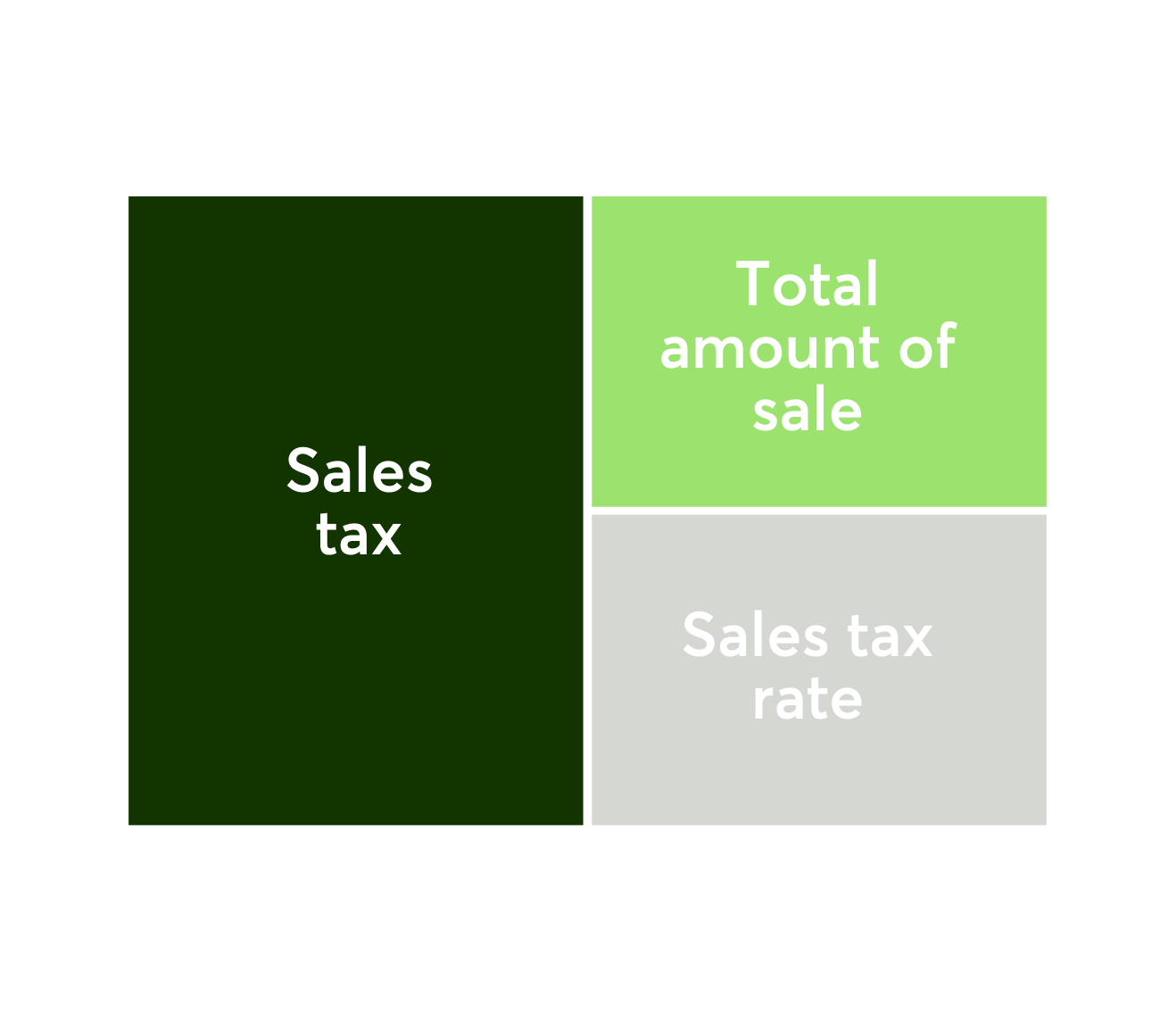
Sales Tax Amount = Price of Item × (Sales Tax Rate / 100)
Total Cost = Price of Item + Sales Tax Amount
Alternatively, you can calculate the total cost directly:
Total Cost = Price of Item × (1 + (Sales Tax Rate / 100))
Remember to express the sales tax rate as a decimal (e.g., 9.25% becomes 0.0925) for the calculation.
Real-World Examples
Let’s illustrate with an example:
Suppose you’re buying a $50 souvenir in a city with a combined sales tax rate of 9.5%.
- Sales Tax Amount: $50 × (9.5 / 100) = $50 × 0.095 = $4.75
- Total Cost: $50 + $4.75 = $54.75
Using the direct total cost formula:
- Total Cost: $50 × (1 + (9.5 / 100)) = $50 × (1 + 0.095) = $50 × 1.095 = $54.75
This simple method empowers you to quickly estimate the final cost of any taxable purchase, crucial for staying within budget or accurately reporting expenses.
Tools and Resources for Accuracy
While manual calculation is straightforward, leveraging available tools and consulting official resources ensures utmost accuracy, especially given the varying local rates.
Online Calculators and Apps
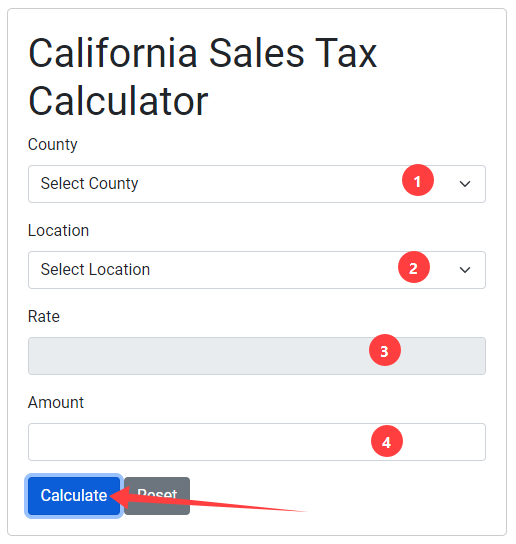
Numerous websites and smartphone applications offer instant sales tax calculations for any California address. These tools are invaluable for travelers and businesses, eliminating the need to memorize or constantly look up rates. They often integrate geographical data to automatically detect the applicable rate based on your current location or a specified address. For budget travelers, these can be quick checks before making a significant purchase. For business professionals, they offer reliable figures for expense tracking.
Consulting Official State Resources
The ultimate authority for California sales tax information is the California Department of Tax and Fee Administration (CDTFA). Their website (cdtfa.ca.gov) provides up-to-date sales and use tax rates by county and city, detailed guides on taxable and non-taxable items, and official forms. Businesses, in particular, should regularly consult the CDTFA for any changes in rates or regulations to ensure ongoing compliance. Even for individuals planning a long-term stay, understanding the CDTFA’s resources can be empowering.
When to Seek Professional Advice
For complex business transactions, substantial investments, or situations involving significant tax implications, consulting a tax professional or an accountant specializing in California tax law is advisable. While this guide provides a general understanding, a professional can offer tailored advice, ensure compliance with specific industry regulations, and help optimize tax strategies for businesses or individuals with high net worth. This level of insight is part of a sophisticated lifestyle approach to financial management.
Strategic Implications for Your California Experience
Understanding and accurately calculating sales tax extends beyond mere transactional knowledge; it forms a strategic layer for managing your entire California experience, impacting budgeting, shopping habits, and even your perception of value.
Budgeting for the Unexpected
Even with careful planning, unexpected purchases arise. By consistently factoring in sales tax, you build a buffer into your budget that can absorb these unforeseen costs without derailing your financial plan. For family trips, this means having extra funds for that irresistible souvenir. For business travelers, it ensures that last-minute supply purchases don’t overspend the allocated expense account. This foresight enhances the overall enjoyment and reduces financial stress.
Smart Shopping Strategies
Armed with knowledge of varying sales tax rates, individuals can make more informed shopping decisions. If you’re planning a major purchase, comparing prices across different cities or counties within California could yield slight savings on the sales tax component, especially for luxury items. For budget-conscious individuals, prioritizing tax-exempt groceries over restaurant meals can significantly impact daily spending. This strategic approach to shopping is a hallmark of intelligent consumer behavior across all lifestyles.
The Economic Impact on Local Businesses
Finally, it’s insightful to remember that the sales tax you pay contributes directly to the local economies of California’s cities and counties. These funds support public services, infrastructure, and community development. So, while calculating sales tax is a personal financial exercise, it also connects you to the broader economic fabric of the Golden State. Understanding this broader context can enhance one’s appreciation of how their spending impacts the places they visit or reside in, fostering a more informed and engaged lifestyle.
LifeOutOfTheBox is a participant in the Amazon Services LLC Associates Program, an affiliate advertising program designed to provide a means for sites to earn advertising fees by advertising and linking to Amazon.com. Amazon, the Amazon logo, AmazonSupply, and the AmazonSupply logo are trademarks of Amazon.com, Inc. or its affiliates. As an Amazon Associate we earn affiliate commissions from qualifying purchases.