
Embarking on an entrepreneurial journey in California presents a world of opportunity, particularly for those aiming for a flexible and protected business lifestyle. Forming a Limited Liability Company (LLC) is often the preferred choice for small business owners, freelancers, and startups due to its blend of personal asset protection and operational simplicity. This guide offers an insightful, professional roadmap for navigating the formation of an LLC in the Golden State, empowering you to establish a solid legal foundation for your endeavors and embrace the Californian business landscape with confidence.
Embracing the Entrepreneurial Lifestyle: Why an LLC in California?
For many, the appeal of California extends beyond its scenic beauty to its vibrant economy and innovative spirit, making it an ideal place to launch a business. Choosing an LLC for your venture aligns perfectly with a modern entrepreneurial lifestyle, offering distinct advantages that foster growth and security. Understanding these benefits is the first step in appreciating why an LLC is such a popular structure.
Protecting Your Personal Assets
One of the most compelling reasons to form an LLC is the robust personal asset protection it provides. As a distinct legal entity separate from its owners, an LLC shields your personal assets—such as your home, savings, and personal investments—from business debts and liabilities. In the unfortunate event that your business faces a lawsuit or financial difficulties, your personal wealth generally remains untouched. This critical separation allows entrepreneurs to pursue their passions with greater peace of mind, knowing that business risks are compartmentalized, a cornerstone for a sustainable and worry-free business lifestyle.
Enhancing Business Credibility
An LLC status lends a professional sheen to your business operations. When dealing with clients, suppliers, investors, or potential partners, operating as a registered LLC signals a level of professionalism and legitimacy that can be crucial for building trust. It suggests that your business is serious, established, and committed to formal operations. For those whose entrepreneurial lifestyle involves frequent networking, client acquisition, or seeking investment, the enhanced credibility afforded by an LLC can be an invaluable asset, opening doors to new opportunities and fostering stronger relationships within the competitive California market.
Tax Advantages and Operational Flexibility
California LLCs benefit from what is known as “pass-through taxation.” This means that the LLC itself does not pay corporate income tax; instead, profits and losses are “passed through” to the owners’ personal income tax returns. This avoids the “double taxation” common with C-corporations, where profits are taxed at both the corporate and individual levels. Furthermore, LLCs offer remarkable operational flexibility, allowing members to structure their management and profit distribution as they see fit through a comprehensive operating agreement. This adaptability is particularly attractive to those crafting a bespoke business lifestyle, allowing for customized governance that suits unique ownership structures and operational preferences.
The Journey to Formation: Key Steps for Your California LLC
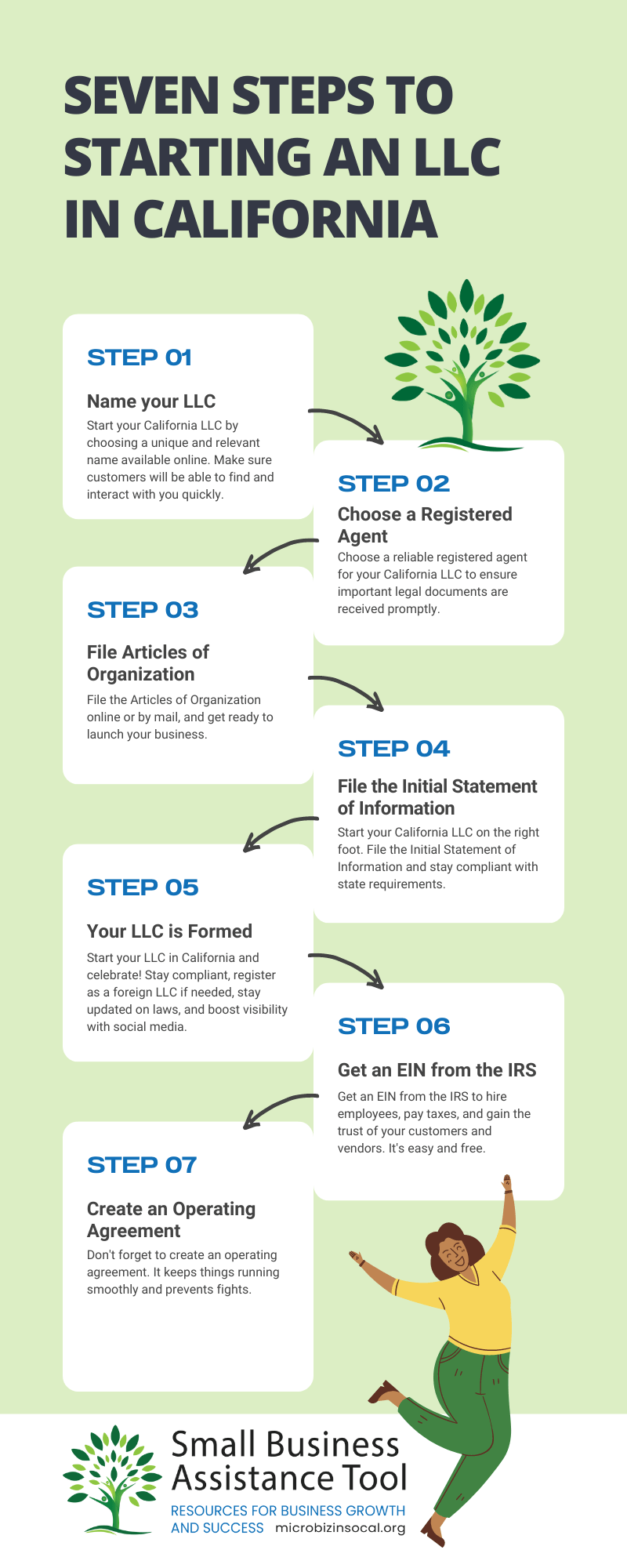
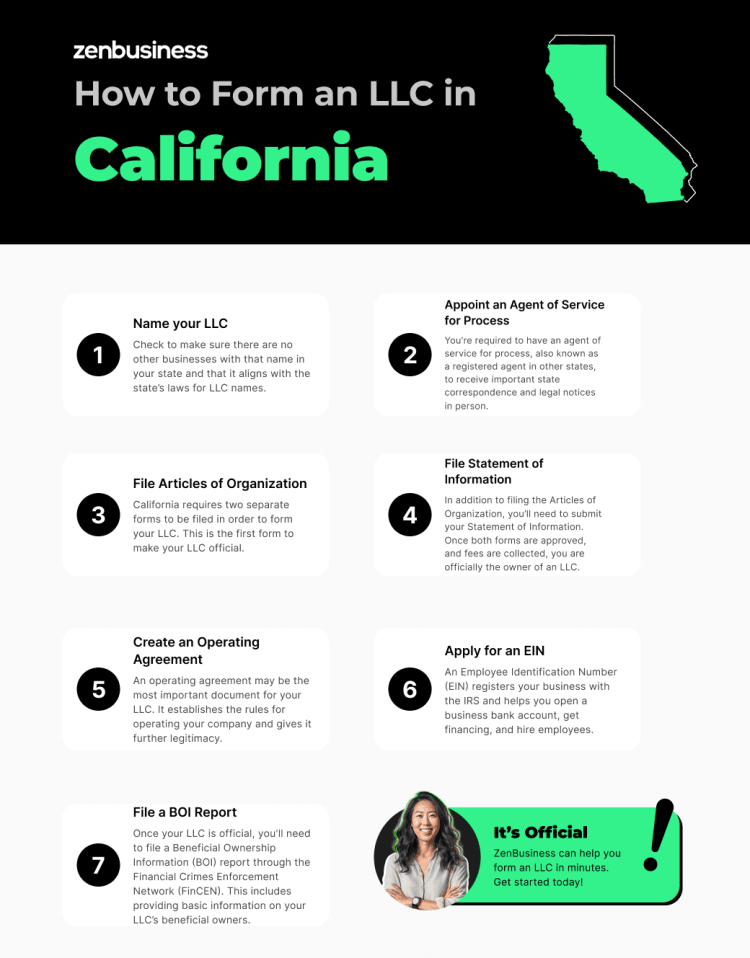
Forming an LLC in California involves a series of structured steps, each designed to ensure legal compliance and the robust establishment of your business. Navigating these requirements meticulously is crucial for a smooth setup and for building a foundation that supports your entrepreneurial aspirations without legal hiccups.
Choosing and Registering Your Business Name
The first tangible step in forming your California LLC is selecting and registering a unique business name. Your chosen name must include “Limited Liability Company,” “LLC,” or “L.L.C.” It’s imperative that the name is distinguishable from other entities already registered with the California Secretary of State. A preliminary name search can be conducted on the Secretary of State’s website to check for availability. Once a suitable name is identified, you may reserve it for a limited period, securing it while you prepare other formation documents. This initial choice is more than just a label; it’s a critical branding decision that will represent your business lifestyle to the world.
Appointing a Registered Agent
Every LLC in California is legally required to appoint a registered agent. This agent must be an individual residing in California or a corporation authorized to conduct business in the state, with a physical street address (not a P.O. Box) where legal documents, state correspondence, and service of process can be received during normal business hours. The registered agent’s role is critical for ensuring your LLC remains compliant and responsive to legal and official communications. For entrepreneurs who frequently travel or operate remotely, a reliable registered agent is indispensable for maintaining legal standing and ensuring that vital notices are always received promptly, supporting a flexible business lifestyle.
Drafting Your Operating Agreement
While not a mandatory filing requirement with the California Secretary of State, a comprehensive operating agreement is perhaps the single most important document for an LLC. This internal document outlines the ownership structure, member roles and responsibilities, profit and loss distribution, decision-making processes, and procedures for admitting new members or dissolving the company. It serves as the governing contract among members, preventing future disputes and providing clarity on operational aspects. For individuals forging an independent business lifestyle, a well-drafted operating agreement ensures that the business operates according to their vision and principles, providing a clear framework for all internal matters.

Filing with the California Secretary of State
After meticulous planning and preparation, the formal registration of your LLC with the California Secretary of State is the definitive step that brings your business entity into existence. This process is straightforward but requires careful attention to detail.
Articles of Organization: The Core Document
The primary document for officially forming your LLC is the “Articles of Organization” (Form LLC-1), filed with the California Secretary of State. This document requires basic information about your LLC, including its name, the name and address of its registered agent, and its principal business address. It officially registers your LLC and makes it a legal entity. Prompt and accurate filing of the Articles of Organization is crucial, signaling the formal commencement of your business life and marking a significant milestone in your entrepreneurial journey.
Statement of Information Requirements
Following the filing of your Articles of Organization, your California LLC will be required to file a “Statement of Information” (Form LLC-12) within 90 days of formation, and biennially thereafter. This document provides current information about the LLC’s members or managers, registered agent, and principal office address. It’s a key compliance requirement that ensures the state has up-to-date contact and operational details for your business. Neglecting this filing can lead to penalties or even administrative dissolution, underscoring the importance of diligent record-keeping for a compliant business lifestyle.
Ongoing Compliance for a Thriving Business Lifestyle
Forming an LLC is just the beginning. Maintaining its good standing and ensuring ongoing compliance with state and federal regulations is paramount for its long-term success and for upholding the integrity of your entrepreneurial lifestyle.
Federal and State Tax Obligations
Beyond the initial formation, California LLCs must adhere to various tax obligations. Federally, most single-member LLCs are taxed as sole proprietorships, and multi-member LLCs as partnerships, with owners reporting profits and losses on their personal tax returns (Form 1040, Schedule C, E, or F). However, an LLC can also elect to be taxed as an S-corporation or C-corporation, which may offer different tax advantages depending on specific circumstances. At the state level, all California LLCs must pay an annual minimum franchise tax, regardless of income. Additionally, an annual LLC fee based on total income may apply. Understanding and planning for these tax responsibilities is essential for financial stability and hassle-free operation within your chosen business lifestyle.
Annual Fees and Regular Filings
To maintain its active status, a California LLC is subject to ongoing annual fees and filing requirements. This includes the aforementioned annual minimum franchise tax and the biennial Statement of Information. Missing these deadlines can result in penalties, loss of good standing, and potential administrative dissolution of your LLC. Implementing a system for tracking compliance deadlines, or utilizing a professional service, is a wise strategy for entrepreneurs who value their time and seek to keep their business lifestyle smooth and compliant.
Maximizing Your California LLC for a Flexible Lifestyle
An LLC in California offers more than just legal protection; it provides a framework for financial management and operational efficiency that can greatly enhance an independent and flexible business lifestyle.
Business Bank Accounts and Financial Management
One of the immediate actions post-LLC formation is to open a dedicated business bank account. This is crucial for maintaining the legal separation between your personal and business finances, reinforcing the liability protection an LLC provides. Mixing personal and business funds (known as “commingling”) can lead to a court disregarding your LLC’s limited liability protection (“piercing the corporate veil”). Beyond banking, establishing robust financial management practices—such as clear bookkeeping, expense tracking, and budgeting—is fundamental for monitoring your LLC’s health and making informed decisions, contributing to a disciplined and prosperous business lifestyle.
Permitting and Licensing Considerations
Depending on your industry and location within California, your LLC may require specific federal, state, and local permits and licenses to operate legally. These can range from general business licenses issued by cities or counties to specialized permits for regulated industries (e.g., food service, healthcare, construction). Researching and obtaining all necessary permits and licenses before commencing operations is vital. Non-compliance can lead to hefty fines and operational halts. Ensuring your LLC is fully compliant with all permitting requirements demonstrates professionalism and secures your ability to conduct business freely, aligning with a responsible and thriving entrepreneurial lifestyle in California.
Forming an LLC in California is a strategic move for any entrepreneur seeking a blend of legal protection, credibility, and operational flexibility. By diligently following these steps and maintaining ongoing compliance, you lay a strong foundation for a resilient business that supports your desired lifestyle, allowing you to thrive in the dynamic California economy.
LifeOutOfTheBox is a participant in the Amazon Services LLC Associates Program, an affiliate advertising program designed to provide a means for sites to earn advertising fees by advertising and linking to Amazon.com. Amazon, the Amazon logo, AmazonSupply, and the AmazonSupply logo are trademarks of Amazon.com, Inc. or its affiliates. As an Amazon Associate we earn affiliate commissions from qualifying purchases.