
Establishing a vibrant and fulfilling lifestyle in the Golden State often begins with navigating its administrative landscape, and one of the most fundamental steps for any resident, new or long-standing, is obtaining a California license. Whether you’re moving to the state to pursue new career opportunities, immerse yourself in its diverse culture, or simply enjoy its unparalleled natural beauty, understanding the process for securing the necessary credentials is paramount. This comprehensive guide will walk you through the intricacies of acquiring a California driver’s license, an essential document that underpins daily mobility and serves as a primary form of identification, alongside a brief overview of other critical licenses that might shape your life and career within this dynamic state.
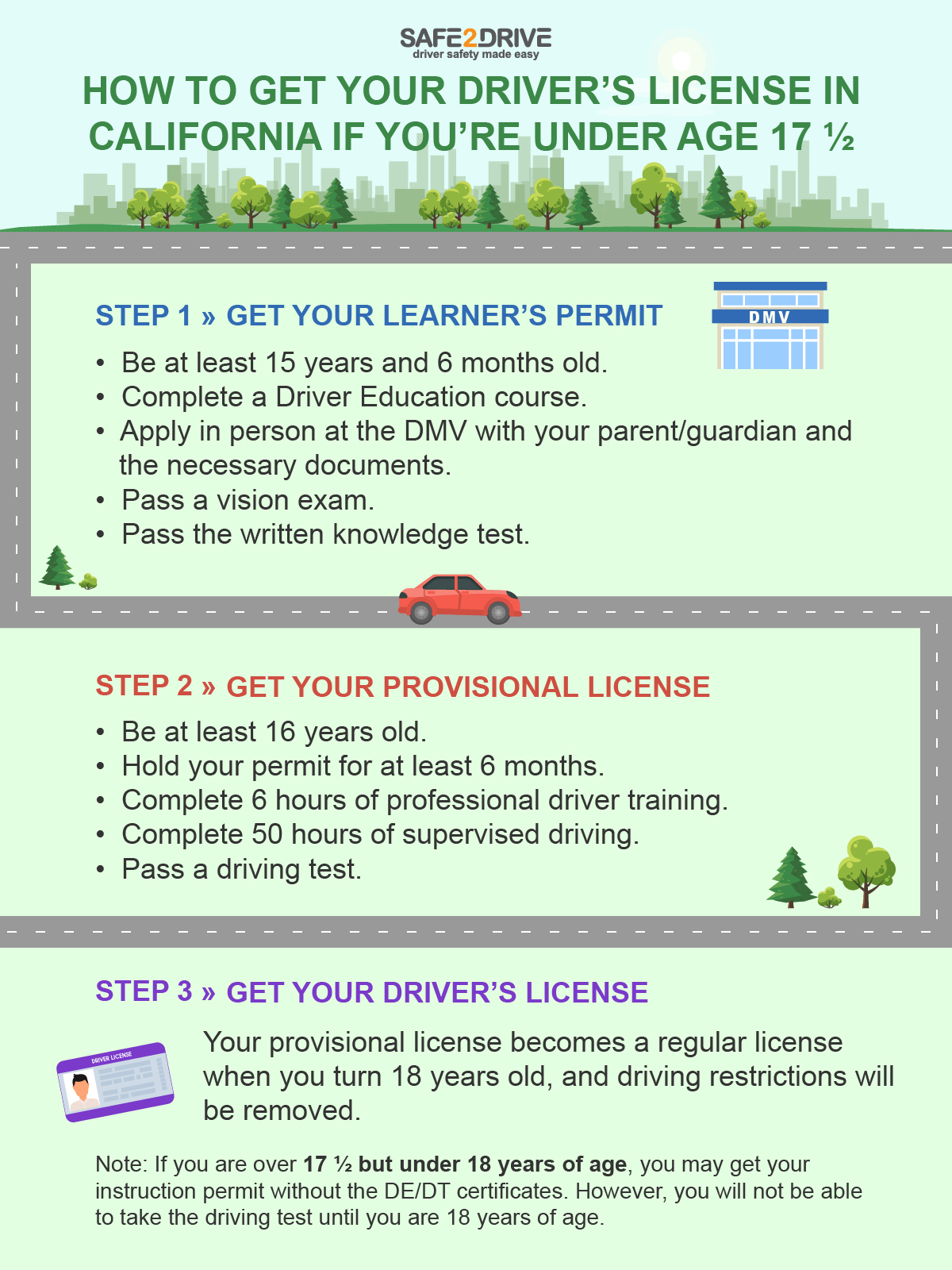
The Indispensable Role of a California Driver’s License in Your Lifestyle
For many, the first and most crucial license sought after settling in California is a driver’s license. More than just a permit to operate a vehicle, it is a gateway to seamless integration into the California way of life, affecting everything from daily commutes to leisure travel and even personal identification.
Seamless Mobility Across the Golden State
California’s vast and diverse landscape, from the bustling urban centers of Los Angeles and San Francisco to the serene national parks and coastal highways, makes personal transportation often indispensable. Public transit systems, while robust in major metropolitan areas, don’t always offer the flexibility or reach needed to fully explore or comfortably live in many parts of the state. A California driver’s license grants you the freedom to navigate this expansive territory at your leisure, allowing you to commute to work, embark on weekend getaways to Lake Tahoe or San Diego, and handle everyday errands with unparalleled ease. This mobility is a cornerstone of the California lifestyle, offering independence and access to all the opportunities and experiences the state has to offer.
More Than Just Driving: A Key Identification Document
Beyond its function as a driving permit, a California driver’s license serves as a primary, government-issued form of identification. This document is routinely required for a multitude of essential tasks, including opening bank accounts, signing leases, applying for jobs, registering for educational courses, and even for age verification purposes. In essence, it simplifies countless administrative and daily interactions, making your transition and ongoing life in California significantly smoother. Its importance as a universally accepted ID cannot be overstated in establishing your identity and accessing services across the state.
The Perks of Being a Licensed Resident
Holding a valid California driver’s license often comes with additional, less obvious benefits. For instance, it can sometimes be leveraged for discounts on certain services or attractions, and it streamlines processes that require proof of residency. Moreover, possessing an in-state license simplifies insurance processes, potentially leading to more favorable rates compared to out-of-state or international licenses. Integrating this document into your personal portfolio is a clear step towards fully embracing and benefiting from the vibrant lifestyle that California promises its residents.
Eligibility and Documentation: Laying the Foundation
Before you can embark on the road to obtaining your California license, understanding the foundational requirements and gathering the necessary documents is crucial. The California Department of Motor Vehicles (DMV) outlines specific criteria to ensure all applicants meet the state’s standards.
Who Qualifies for a California Driver’s License?
Generally, any resident of California who is 18 years or older can apply for a driver’s license. Minors have specific provisional license requirements. The state also requires applicants to prove their legal presence in the United States. This means individuals must hold valid immigration documents, such as a green card, visa, or employment authorization document, or be a U.S. citizen. Importantly, California issues driver’s licenses regardless of immigration status under AB 60, expanding access to driving privileges for many residents who previously faced barriers. This policy underscores the state’s commitment to ensuring all residents have access to safe transportation, contributing to overall public safety and economic participation.
Essential Documents for Your Application
Preparing for your DMV visit means having all your paperwork in order. You will typically need to present:
- Proof of Identity: This could be an original or certified copy of your birth certificate, U.S. passport, or foreign passport with a valid visa.
- Proof of Residency: Two different documents showing your name and California address (e.g., utility bills, rental agreement, mortgage statement, bank statements).
- Proof of Social Security Number (SSN): Your Social Security card or a document displaying your full SSN. If you are applying under AB 60 and are not eligible for an SSN, you will typically sign an affidavit affirming this.
- Proof of Legal Presence: For non-citizens, this includes documents such as an I-20, DS-2019, I-797 approval notice, or a permanent resident card. The DMV website provides a comprehensive list of acceptable documents.
It is highly recommended to check the official California DMV website for the most current and complete list of required documents, as these can occasionally be updated. Bringing all original documents is crucial, as photocopies are generally not accepted.
Special Considerations for New Residents
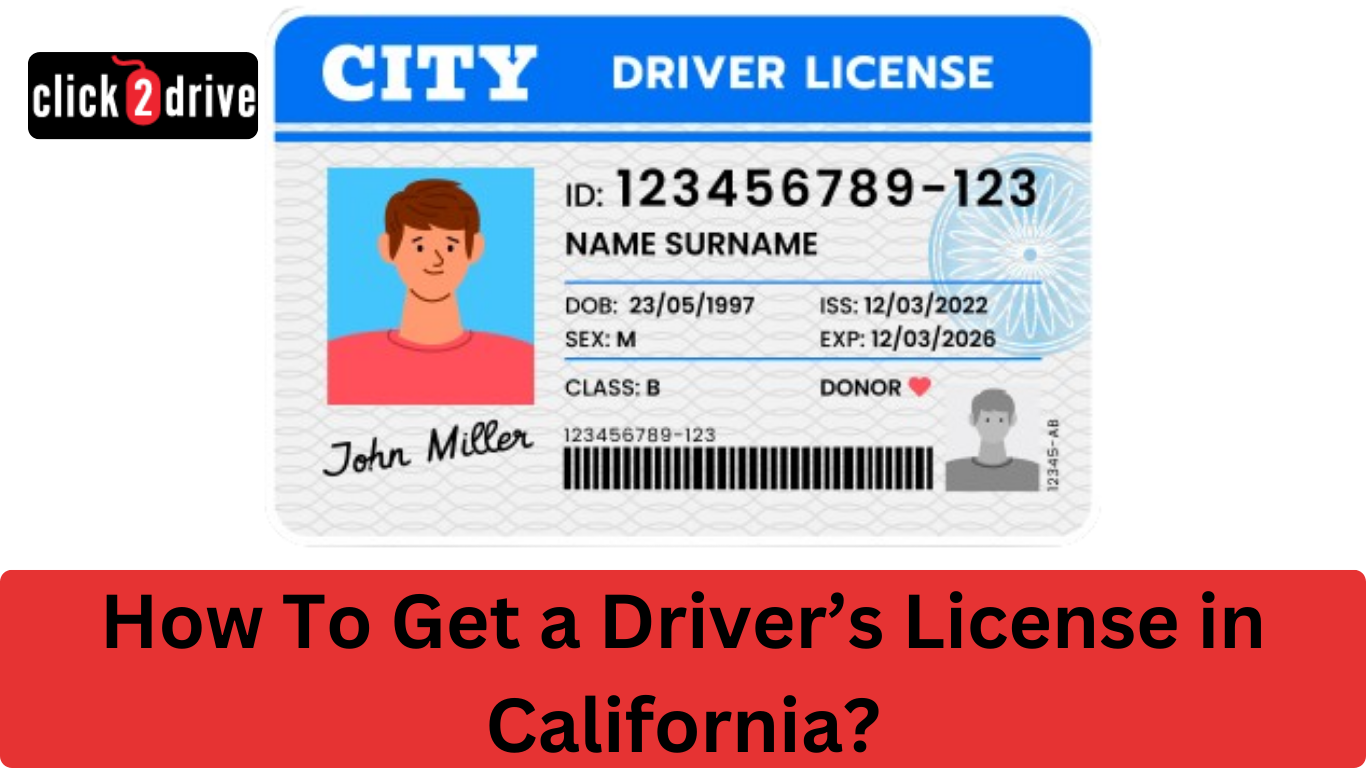
If you are moving to California from another state or country, there are additional factors to consider. New residents with a valid out-of-state driver’s license are generally required to obtain a California license within 10 days of establishing residency. While you may be exempt from the driving test, you will still need to pass the written knowledge test. For those transferring an international license, the process is usually similar to applying for a first-time license, including both written and driving tests, as foreign licenses are not directly transferable in the same way as out-of-state U.S. licenses. Planning ahead and initiating this process soon after your arrival will significantly ease your transition into California life.
Navigating the Application Process at the DMV
The application process for a California driver’s license involves several steps, from initial paperwork to written and practical examinations. While it may seem daunting, a structured approach can make it straightforward.
Initiating Your Application Online
The DMV offers an online driver’s license and ID card application, which can save time during your in-person visit. You can fill out the form, pay the application fee, and schedule an appointment at your local DMV office. This initial step streamlines the process by pre-filling much of the necessary information, allowing you to focus on the subsequent stages during your visit. Scheduling an appointment is highly recommended to minimize wait times, especially at popular DMV locations in cities like Sacramento or Fresno.
The Written Knowledge Test: Preparing for Success
After submitting your application and having your documents verified, you will undergo a vision test and then proceed to the written knowledge test. This test assesses your understanding of California traffic laws and road signs. To prepare effectively, thoroughly study the official California Driver Handbook. It is available in multiple languages and can be downloaded from the DMV website. Numerous online practice tests are also available and can be invaluable tools for familiarizing yourself with the format and types of questions. Passing this test is a prerequisite for obtaining a provisional permit, which allows you to practice driving with a licensed adult.
Mastering the Driving Test: Practical Skills Assessment
Once you have held your provisional permit for the required period (if applicable, or if you’re a first-time driver), or if you are an adult new to California who has passed the written test, the next step is the behind-the-wheel driving test. This practical examination evaluates your ability to safely operate a vehicle in various traffic situations, demonstrating your knowledge of road rules and your practical driving skills. Key areas assessed include signaling, lane changes, turns, parking, and maintaining safe following distances. Practice is essential, ideally with a licensed driver who can offer constructive feedback. Familiarize yourself with the area around the DMV where your test will take place, as test routes often incorporate local driving challenges. It is important to remember that your vehicle must be properly registered, insured, and in good working condition for the test.
Fees and Final Steps: What to Expect at the End
There is an application fee for a California driver’s license, which typically covers multiple attempts at the written and driving tests within a specific timeframe. Once you successfully pass both tests, your photo and thumbprint will be taken. You will then be issued a temporary license, valid for a certain period, which allows you to drive legally while you await your permanent driver’s license card to arrive in the mail. The permanent card usually arrives within a few weeks. Should you not receive it within the specified period, you should contact the DMV to inquire about its status.
Beyond the Driver’s License: Other Licenses for Your California Life
While the driver’s license is fundamental for personal mobility and identification, California offers a broad spectrum of opportunities that may necessitate other types of licenses. These can range from professional certifications to business permits, each playing a vital role in different aspects of your lifestyle and career in the state.
Professional Licenses: Advancing Your Career in California
For many skilled professionals, a California professional license is essential to practice their trade legally. This applies to fields such as healthcare (doctors, nurses), law, real estate, cosmetology, engineering, and many others. Each profession is regulated by a specific state board or agency, such as the California Board of Registered Nursing or the California Department of Real Estate. The requirements typically include specific educational qualifications, examinations, background checks, and sometimes proof of experience. Obtaining these licenses is not just a legal obligation but also a testament to your professional competence and commitment to upholding the state’s standards, which can significantly enhance your career prospects and earning potential in the competitive California job market.
Business Licenses: Entrepreneurship in the Golden State
For those with an entrepreneurial spirit looking to start a business in California, various business licenses and permits will be required. These often vary significantly depending on the type of business, its location (city, county), and its specific activities. Common requirements include a general business license from the city or county where the business operates, along with potential specialized permits for things like food handling, liquor sales, or environmental compliance. The California Secretary of State handles business entity registration, while local governments manage many operating licenses. Navigating these requirements can be complex, but numerous state and local resources, including Small Business Development Centers, are available to guide aspiring entrepreneurs through the process, ensuring their ventures contribute positively to the California economy and their personal lifestyle.
Adapting to California’s Regulatory Landscape
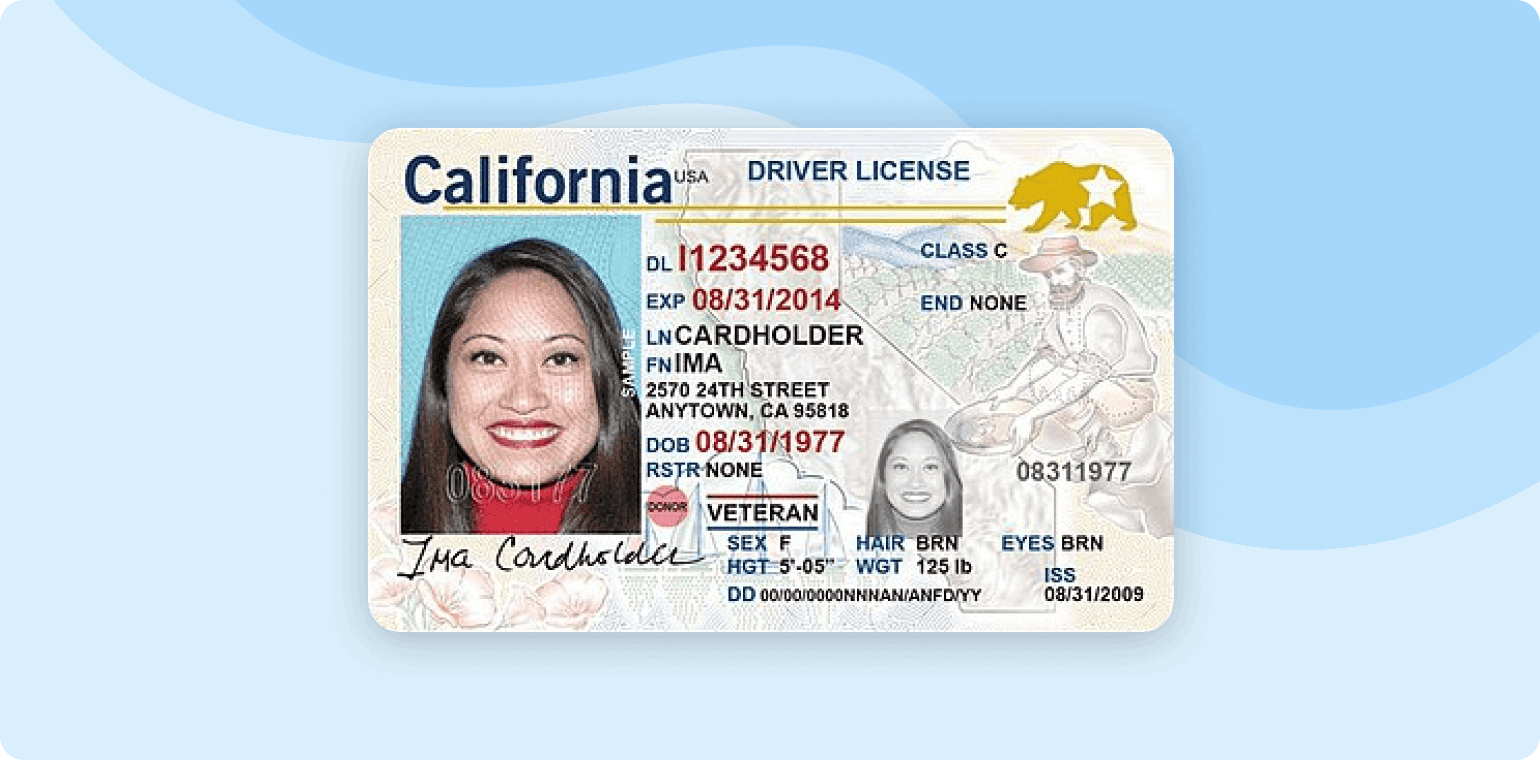
Regardless of the type of license you seek, understanding and adapting to California’s regulatory landscape is a key aspect of successful living and working in the state. California is known for its comprehensive and often progressive regulations across various sectors. Staying informed about renewal requirements, continuing education mandates, and any changes in state laws related to your licenses is crucial for maintaining compliance and avoiding penalties. Embracing this proactive approach ensures that your licenses remain valid, allowing you to fully engage with and enjoy all the professional and personal opportunities that the California lifestyle offers.
In conclusion, securing the appropriate California licenses, particularly a driver’s license, is a foundational step in building a prosperous and mobile lifestyle in the Golden State. While the process requires attention to detail and adherence to specific guidelines, the independence, identification, and opportunities it unlocks are invaluable. By approaching the process systematically and leveraging available resources, you can smoothly navigate the path to obtaining your California license and truly begin to experience everything this incredible state has to offer.
LifeOutOfTheBox is a participant in the Amazon Services LLC Associates Program, an affiliate advertising program designed to provide a means for sites to earn advertising fees by advertising and linking to Amazon.com. Amazon, the Amazon logo, AmazonSupply, and the AmazonSupply logo are trademarks of Amazon.com, Inc. or its affiliates. As an Amazon Associate we earn affiliate commissions from qualifying purchases.