
Navigating the complexities of conservatorship in a state like California can be a profound undertaking, especially when you reside outside the Golden State. While the legal nuances are best handled by qualified attorneys, the logistical and lifestyle challenges for out-of-state petitioners require careful planning and a strategic approach to travel. This guide isn’t about the intricate legal steps of filing a conservatorship petition itself – for that, consult a California elder law attorney. Instead, it focuses on the essential lifestyle, travel, and accommodation considerations for those who must journey to California to manage a loved one’s affairs, transforming a demanding legal obligation into a manageable “business stay” with elements of personal well-being.
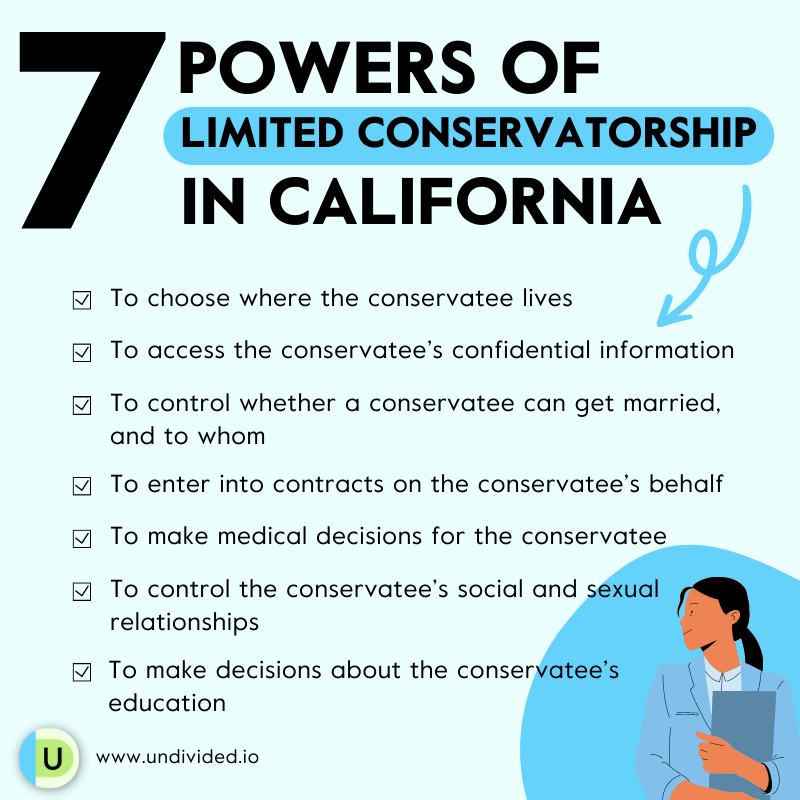
Establishing a conservatorship, a legal process where a court appoints a conservator to manage the personal care or financial affairs of another person (the conservatee) who is unable to do so, often involves multiple court appearances, meetings with legal counsel, and direct interaction with the conservatee and medical professionals. For someone living thousands of miles away, this translates into significant travel and temporary relocation. Approaching this process with a structured mindset, akin to planning an extended business trip or a focused family endeavor, can alleviate much of the inherent stress.
The Unique Travel Demands of Establishing Conservatorship
For non-residents, initiating a conservatorship in California is far more than just signing papers. It’s a commitment that typically involves several trips, potentially spanning weeks or even months, requiring strategic planning for both efficiency and personal sustainability. This isn’t your typical leisurely vacation; it’s a mission-driven journey demanding organization and resilience.
Planning Your California Expedition
The first step in this unique travel scenario is meticulous planning. Your travel itinerary will largely be dictated by court schedules, attorney consultations, and the specific needs of the conservatee. Flexibility is paramount, as legal proceedings can be unpredictable. Start by identifying the judicial district in California where the conservatee resides, as this will be the primary hub for your activities. Cities like Los Angeles, San Francisco, and San Diego each have distinct court systems and legal communities.
Consider the timing of your visits. Are you aiming to consolidate multiple appointments into one longer trip, or are you preparing for several shorter, more frequent visits? The latter might be more feasible for busy professionals or those with family obligations. Research flights well in advance, looking for open-jaw tickets if you anticipate flying into one California airport and departing from another. Factor in ground transportation, whether it’s renting a car for flexibility, utilizing ride-sharing services, or relying on public transit, especially in dense urban areas. A rental car often provides the most convenience for court visits, medical appointments, and exploring potential residential facilities for the conservatee. Don’t underestimate the size and traffic of California’s major metropolitan areas; travel times between locations can be significant.
Crucially, build in buffer days. Court dates can shift, and unexpected meetings might arise. Having a day or two free allows you to adapt without panicking or incurring additional, last-minute travel costs. This strategic padding is a key component of a successful “business stay” when the business is as critical as conservatorship.
Navigating Legal Responsibilities from Afar
While physical presence in California is often required for key hearings and initial assessments, many aspects of the conservatorship process can be managed remotely once established. This necessitates robust communication channels with your legal team, the court, and any appointed fiduciaries or care managers. Invest in reliable communication tools, including video conferencing services, and ensure you have access to secure document sharing platforms.
Before returning home after your initial extended stay, establish clear protocols for information flow. Who will provide updates on the conservatee’s health? How will financial transactions be approved? What is the emergency contact procedure? Having these systems in place not only streamlines the process but also provides peace of mind, allowing you to manage your responsibilities effectively without constant physical travel. Regular virtual check-ins with your California-based team become integral to your ongoing lifestyle management.
Selecting Your Temporary California Base
Your choice of accommodation will significantly impact your experience and ability to focus on the conservatorship process. This isn’t merely about finding a place to sleep; it’s about establishing a temporary home base that supports your demanding schedule and provides comfort during a stressful time.
Accommodation Choices for Extended Stays
For stays lasting more than a few days, traditional hotels can become prohibitively expensive and lack the amenities needed for a prolonged stay. Consider extended-stay hotels, which often include kitchenettes, laundry facilities, and separate living areas. These offer a more home-like environment, allowing you to prepare meals, reducing dining-out expenses, and maintaining a semblance of your regular routine. Many brands, like Residence Inn by Marriott or Homewood Suites by Hilton, specialize in this niche, providing a blend of hotel services with apartment-style living.
Vacation rentals through platforms like Airbnb or Vrbo are another excellent option, particularly if you’re traveling with family or require more space and privacy. They often come fully furnished, offering kitchens, multiple bedrooms, and living areas, which can be invaluable for unwinding after a long day of legal proceedings. When choosing a rental, prioritize locations with good Wi-Fi, proximity to courthouses and the conservatee’s residence, and access to essential services like grocery stores and pharmacies. Negotiating a long-term discount with owners is often possible.
If the conservatee is in an assisted living facility or hospital, some facilities may have affiliated guesthouses or partnerships with nearby hotels offering compassionate rates. Always inquire about these options. For the truly budget-conscious, especially for very long stays, temporary sublets or shared housing arrangements could be explored, though these require more vetting and may offer less flexibility.
Balancing Proximity and Comfort

The ideal temporary home base strikes a balance between convenience and comfort. While being extremely close to the courthouse might seem appealing, it might not always be the most conducive environment for rest and recovery. Traffic in California can make even short distances feel long, so consider commute times carefully.
Look for neighborhoods that offer a peaceful retreat while still providing reasonable access to your key destinations. Proximity to parks, walking trails, or fitness centers can be a huge benefit for managing stress. Similarly, access to a diverse range of dining options, from quick take-out to sit-down restaurants, can simplify meal planning. Remember, this isn’t just a place to sleep; it’s your operational headquarters and personal sanctuary during a challenging period. Investing a little more in a comfortable and well-located space can pay dividends in terms of your mental and physical well-being.
Integrating Self-Care and Local Exploration
The conservatorship process is inherently stressful. It’s vital to incorporate self-care into your demanding schedule, not just as an afterthought, but as an essential component of your lifestyle strategy. While your primary purpose is serious, California offers numerous opportunities for brief respite that can help you maintain perspective and energy.
Beyond the Courtroom: Experiencing California
Even during a business-intensive trip, allocating time for brief, restorative experiences can make a significant difference. California is rich in natural beauty and cultural attractions. A morning walk on a beach, a visit to a local park, or a quick tour of a nearby historic site can provide a much-needed mental break. If you’re near San Francisco, a drive across the Golden Gate Bridge offers breathtaking views. In Los Angeles, a short hike in the Hollywood Hills can clear your mind.
These aren’t meant to be elaborate tourist excursions but rather moments to step away from the immediate pressures and reconnect with yourself. Engaging with the local environment, even superficially, can counteract feelings of isolation and overwhelming responsibility. Explore local farmers’ markets for fresh produce, visit a small art gallery, or simply enjoy a coffee at a neighborhood café. These small acts of engagement can contribute significantly to your overall well-being.
Managing Stress During Challenging Times
The emotional toll of conservatorship proceedings, particularly when involving a loved one, can be substantial. Incorporate stress-management techniques into your daily routine. This could include morning meditation, regular exercise, or simply setting aside time each evening for a calming activity like reading or listening to music. Many California cities offer walk-in yoga studios or fitness centers, providing convenient options for maintaining physical activity.
Don’t hesitate to lean on your support network, whether it’s family back home or friends you connect with virtually. Consider consulting with a therapist or counselor, either in person in California or remotely, to process the emotional challenges. This isn’t a sign of weakness but a proactive step in maintaining your mental health, which is crucial for making sound decisions throughout the conservatorship process. Remember, taking care of yourself allows you to be a more effective advocate for your loved one.
Post-Conservatorship Logistics and Future Visits
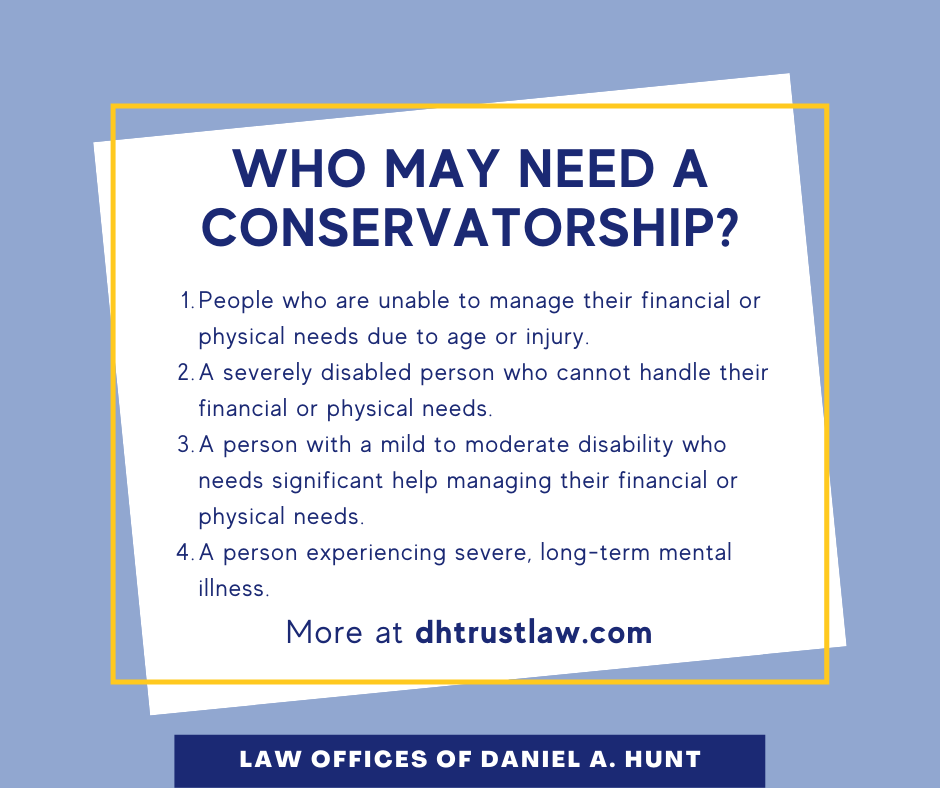
Once conservatorship is established, the immediate travel intensity often lessens, but the need for ongoing management and occasional visits to California will likely continue. Planning for this long-term lifestyle adjustment is essential.
Maintaining Connections from Your Home Base
With the legal framework in place, your focus will shift to maintaining the conservatee’s well-being and managing their affairs remotely. Establish a trusted local network that includes professional fiduciaries, care managers, and family friends who can provide on-the-ground support. Utilize technology for regular check-ins with the conservatee, medical professionals, and care staff. Video calls can bridge geographical distances, allowing you to see your loved one and assess their environment.
Ensure all legal and financial documents are securely accessible, both digitally and, if necessary, through a local point person. Setting up online banking, bill pay, and digital communication with doctors can significantly reduce the need for frequent physical travel. Your goal is to create a seamless operational system that allows you to fulfill your conservator duties efficiently from your home state.
Planning Future California Travel
Even with robust remote management, periodic visits to California will be necessary. These trips might be for annual court reviews, significant medical appointments, or simply to spend quality time with the conservatee. Approach these future trips with the same strategic planning as your initial expedition. Leverage any lessons learned from your first extended stay regarding accommodations, transportation, and scheduling.
Consider combining necessary visits with opportunities for personal connection. Perhaps you can plan a short vacation around your legal obligations, exploring regions of California you didn’t have time for previously. This integration of duty and leisure can make the ongoing responsibility feel less burdensome and more sustainable in the long run. Whether it’s a weekend trip to Napa Valley or a brief respite on a Southern California beach, these planned breaks can provide invaluable rejuvenation.
Ultimately, “How To Get Conservatorship In California” for an out-of-state individual is as much about mastering the logistics of travel and lifestyle management as it is about navigating the legal system. By approaching this journey with careful planning, attention to personal well-being, and strategic use of resources, you can effectively manage your responsibilities and support your loved one, no matter the distance.
LifeOutOfTheBox is a participant in the Amazon Services LLC Associates Program, an affiliate advertising program designed to provide a means for sites to earn advertising fees by advertising and linking to Amazon.com. Amazon, the Amazon logo, AmazonSupply, and the AmazonSupply logo are trademarks of Amazon.com, Inc. or its affiliates. As an Amazon Associate we earn affiliate commissions from qualifying purchases.