
Embarking on a career that offers independence, competitive compensation, and the freedom of the open road often starts with a crucial credential: the Class A Commercial Driver’s License (CDL). In California, a Class A CDL is your ticket to operating a wide array of heavy vehicles, from tractor-trailers to tanker trucks, opening doors to a dynamic and essential sector of the economy. This isn’t just about driving; it’s about forging a professional lifestyle defined by responsibility, skill, and adventure.
The journey to obtaining this license is systematic, requiring dedication to training, a thorough understanding of federal and state regulations, and the mastery of practical driving skills. For many, it represents a significant career pivot or a solid entry point into a stable and growing industry. This guide will walk you through the comprehensive process in California, detailing everything from eligibility to the final road test, ensuring you’re well-prepared to make this pivotal lifestyle change.
The Open Road Awaits: Why a Class A CDL Shapes Your Lifestyle
A Class A CDL is more than just a permit; it’s a gateway to a distinct professional lifestyle. It’s a commitment to a career that offers a unique blend of challenges and rewards, fundamentally altering your daily routine, financial outlook, and personal independence. Understanding these broader implications is key to appreciating the value of the journey ahead.
Unlocking Diverse Career Paths
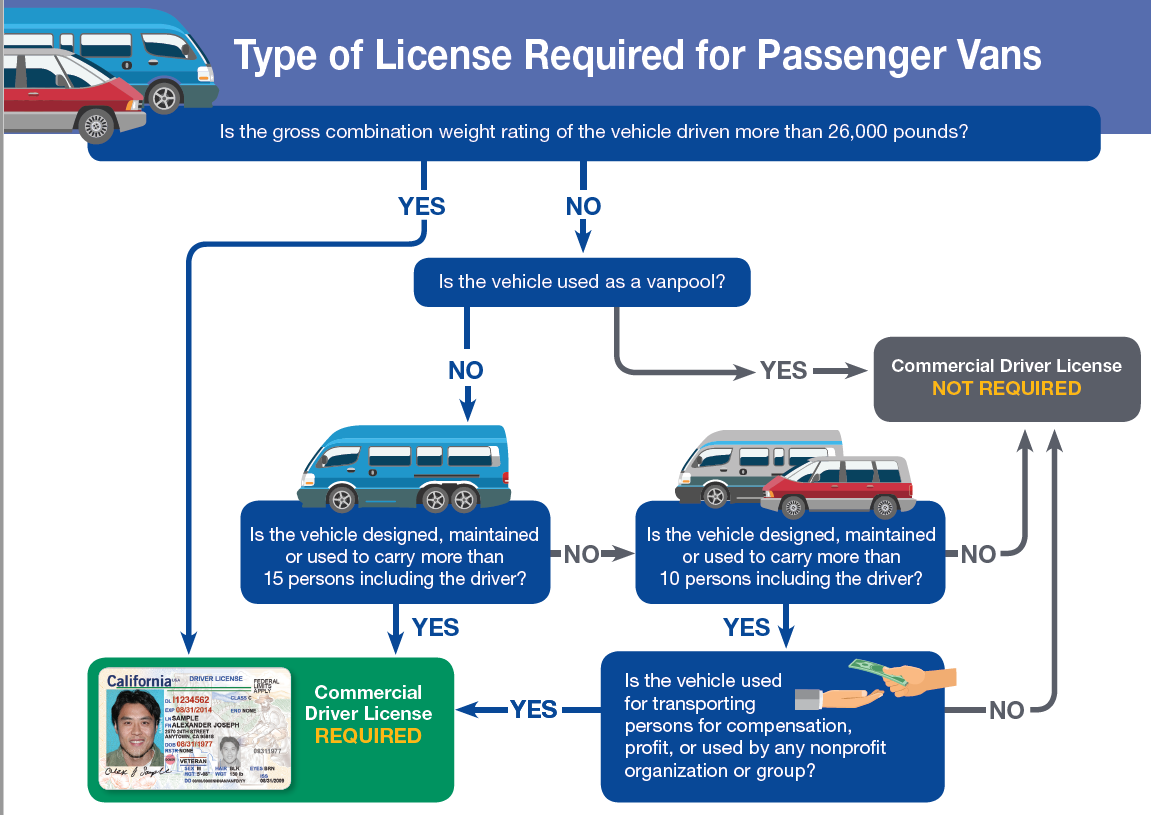
With a Class A CDL, your career options expand dramatically beyond the typical office environment. You become eligible to drive combination vehicles with a Gross Combination Weight Rating (GCWR) of 26,001 pounds or more, provided the vehicle being towed has a GCWR of more than 10,000 pounds. This includes roles in long-haul trucking, which offers the chance to travel across states and experience different regions, or local and regional delivery services, providing more predictable routes.
Beyond general freight, specialized endorsements can further diversify your lifestyle and career. Tanker endorsements open up opportunities in fuel or chemical transport, hazardous materials (HazMat) endorsements lead to critical and high-paying roles, and double/triple trailer endorsements allow for increased hauling capacity. Each specialization presents a unique set of challenges and demands, shaping your daily work life and the type of experiences you accumulate on the job. Whether you envision yourself traversing scenic highways or contributing to the backbone of local commerce, the Class A CDL provides the foundation for a professional life that is far from sedentary.
The Promise of Financial Stability
One of the most compelling aspects of a Class A CDL lifestyle is the potential for significant financial stability and growth. Commercial truck drivers are in high demand, and the industry offers competitive salaries, benefits, and often signing bonuses for qualified individuals. Entry-level drivers can expect a solid starting wage, with earning potential increasing substantially with experience, specialized endorsements, and a proven safety record.
Many trucking companies also offer comprehensive benefits packages, including health insurance, retirement plans, and paid time off. The consistent need for goods transport means that the job market for CDL holders tends to be robust, even during economic fluctuations. This stability provides a strong foundation for building a secure future, whether it’s supporting a family, purchasing a home, or saving for retirement. The financial rewards directly contribute to a higher quality of life, allowing for choices and opportunities that might otherwise be out of reach.
Embracing Independence and Flexibility
For those who value autonomy, a Class A CDL career offers an unparalleled level of independence. Unlike many traditional jobs, commercial driving often means being your own boss on the road, managing your schedule, and making independent decisions regarding routes, breaks, and load management (within company and regulatory guidelines). This sense of self-reliance is a huge draw for many, fostering a professional life where you are directly responsible for your success.
While long-haul routes may involve extended periods away from home, many drivers find a unique satisfaction in the solitude and self-sufficiency of the road. On the other hand, local and regional driving options can provide a better work-life balance for those who prefer to be home more frequently. The flexibility extends to choosing different types of companies—from large national carriers to smaller, family-owned operations—each offering varying structures and benefits that can be tailored to individual lifestyle preferences. This blend of independence and flexibility makes a Class A CDL career a truly distinctive lifestyle choice.
Navigating the Golden State’s Licensing Requirements
Obtaining a Class A CDL in California involves meeting specific eligibility criteria and meticulously following the application process set forth by the Department of Motor Vehicles (DMV). Understanding these foundational steps is crucial before you even begin training.
Eligibility Essentials for California Drivers
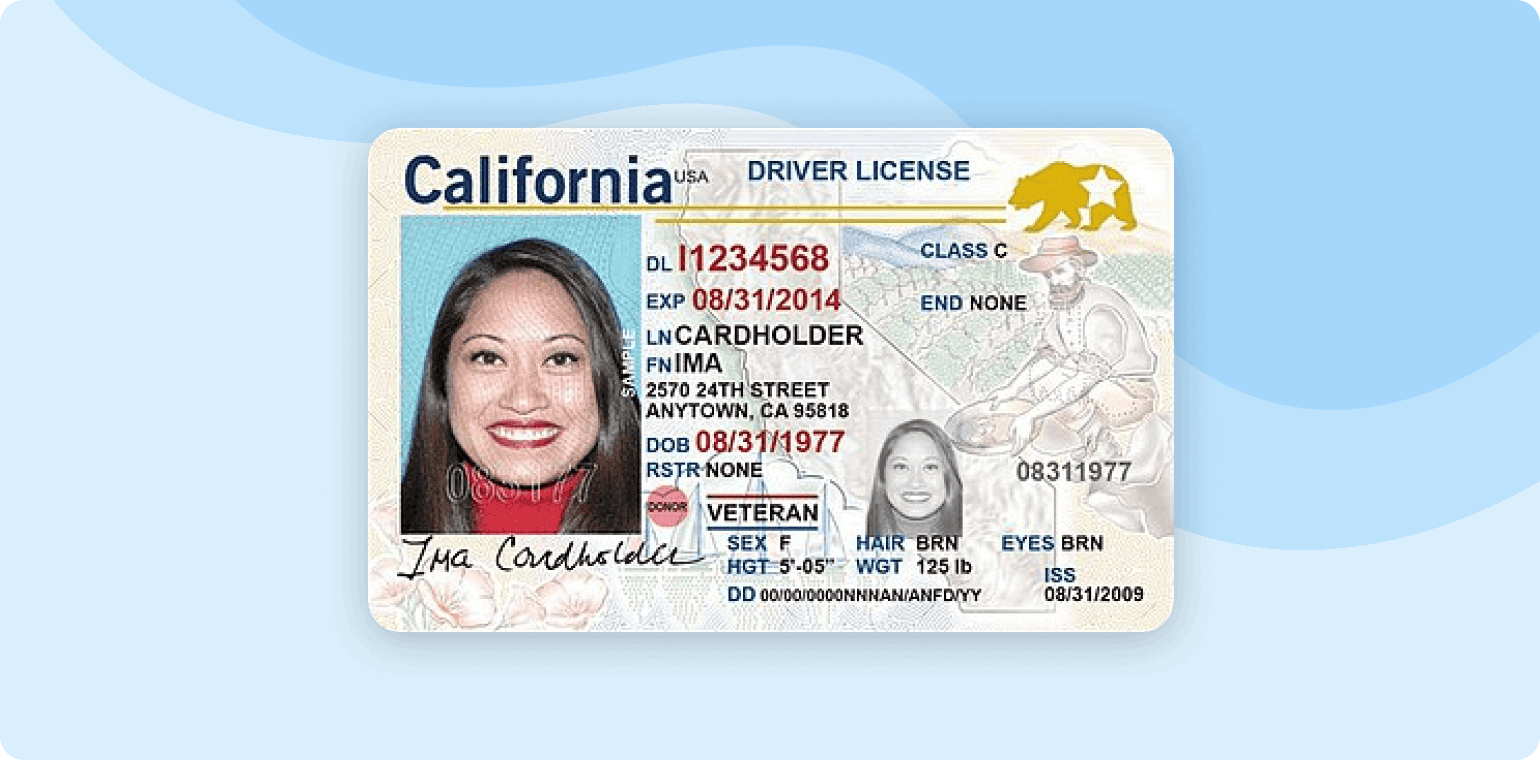
Before you can apply for a Class A CDL, you must meet several fundamental requirements. Firstly, you need to be at least 18 years old to drive commercial vehicles within California and 21 years old to drive interstate (across state lines) or transport hazardous materials. You must also possess a valid California driver’s license.
Beyond age and a standard license, you cannot have any disqualifying convictions on your driving record, such as certain serious traffic violations or crimes involving a commercial vehicle, which could result in an immediate disqualification for a CDL. It’s advisable to check your driving record with the California DMV before committing to CDL training to ensure there are no unforeseen impediments. These eligibility requirements are designed to ensure that all commercial drivers on California’s roads are responsible, mature, and legally capable of handling the demands of heavy vehicle operation.
The CDL Application Process: Step-by-Step
The application process for a Class A CDL in California can be broken down into several key stages:
- Obtain a Commercial Learner’s Permit (CLP): This is your first step. You’ll need to visit a California DMV office, complete a CDL application (Form DL 44C), provide proof of identity and residency, submit to a vision test, and pay the application fee. You will then take a series of written knowledge tests specific to commercial driving. Passing these tests grants you a CLP, which allows you to practice driving a commercial vehicle on public roads with a qualified CDL holder accompanying you. You must hold your CLP for a minimum of 14 days before you can take the CDL skills test.
- Complete Entry-Level Driver Training (ELDT): As of February 7, 2022, all new Class A CDL applicants must complete mandatory Entry-Level Driver Training (ELDT) from a provider listed on the Federal Motor Carrier Safety Administration (FMCSA) Training Provider Registry (TPR). This training covers a comprehensive curriculum of classroom instruction and behind-the-wheel training.
- Schedule and Pass the Skills Test: Once you have held your CLP for at least 14 days and completed ELDT, you can schedule your driving skills test at a DMV office. This test has three parts: a pre-trip inspection, basic vehicle control skills, and a road test.
- Receive Your Class A CDL: Upon successfully passing all components of the skills test, you will be issued your Class A CDL.
Each step requires careful preparation and adherence to the DMV’s guidelines. Missing any detail can lead to delays in your licensing process and, consequently, in starting your new professional lifestyle.
Medical Certification: Your Health on the Road
A critical component of obtaining and maintaining a Class A CDL in California is passing a Department of Transportation (DOT) physical examination. This examination must be conducted by a certified medical examiner listed on the FMCSA’s National Registry of Certified Medical Examiners. The purpose of the DOT physical is to ensure that you are physically and mentally capable of safely operating a commercial motor vehicle.
The physical assesses various health aspects, including vision, hearing, blood pressure, cardiovascular health, and neurological function. Any medical conditions that could impair your ability to drive safely, such as uncontrolled diabetes, certain heart conditions, or epilepsy, may prevent you from obtaining a medical certificate. If you have conditions that require medication, the medical examiner will determine if they are safe for commercial driving.
Once you pass the physical, you will receive a Medical Examiner’s Certificate (MEC), which is typically valid for up to two years. You must submit this certificate to the California DMV and carry a copy with you whenever you are operating a commercial vehicle. Failure to maintain a valid medical certificate will result in the downgrade of your CDL, impacting your ability to pursue this professional lifestyle.
Mastering the Knowledge and Skills Tests
The journey to a Class A CDL culminates in rigorous testing designed to prove your understanding of commercial driving regulations and your practical ability to operate heavy vehicles safely. Preparation for these tests is paramount to success.
Preparing for the Written Exams
The written knowledge tests are the first hurdle. In California, these typically include a General Knowledge test, a Combination Vehicles test, and an Air Brakes test for a Class A CDL. Depending on the endorsements you seek, you may also need to take tests for Tanker, HazMat, Passenger, or Double/Triple Trailers.
Success on these exams hinges on comprehensive study of the California Commercial Driver Handbook. This manual is an invaluable resource, covering everything from federal regulations and safe driving practices to specific vehicle components and emergency procedures. Many applicants also benefit from online practice tests and CDL training courses, which provide structured learning and mock exam environments. Devoting ample time to understanding the material, rather than just memorizing answers, will build a strong foundation for your entire commercial driving career and ensure you understand the rules of the road that govern your new lifestyle.
The Rigors of the Driving Skills Test (Pre-Trip, Basic Controls, Road Test)
The driving skills test is the ultimate practical assessment of your abilities. It’s a comprehensive three-part evaluation:
- Pre-Trip Vehicle Inspection: You must demonstrate your ability to thoroughly inspect a commercial vehicle, identifying critical components and explaining what you are checking and why. This includes checking brakes, lights, fluid levels, tires, and other safety-critical items. This part tests your knowledge of vehicle mechanics and your commitment to safety.
- Basic Vehicle Control Skills Test: This segment typically involves several off-road maneuvers in a controlled environment, such as backing up in a straight line, parallel parking, or alley docking. It assesses your precision, control, and spatial awareness when operating a large vehicle.
- On-Road Driving Test: The final and most extensive part involves driving the commercial vehicle on public roads under various conditions, including city streets, highways, and possibly rural roads. The examiner will evaluate your ability to safely handle traffic, manage speed, signal turns, change lanes, observe road signs, and handle railway crossings, among other things.
Passing all three parts requires not only knowledge but extensive hands-on practice. CDL training schools provide the necessary vehicles and instructors to develop these crucial skills, ensuring you’re confident and competent when it’s time for the official test.
Endorsements: Expanding Your Horizons
As mentioned, endorsements expand the types of vehicles you can operate and the cargo you can transport, directly influencing your career path and earning potential. Common endorsements for a Class A CDL include:
- T (Double/Triple Trailers): Allows you to pull double or triple trailers (though triples are not permitted in California).
- N (Tanker): Required for transporting liquid or gaseous materials in tanks.
- H (Hazardous Materials – HazMat): Required for transporting hazardous materials. This endorsement involves a federal background check and security threat assessment.
- X (Tanker and HazMat Combination): Combines the N and H endorsements.
- P (Passenger): Required for operating vehicles designed to transport 16 or more passengers (including the driver). While primarily for Class B CDLs, some Class A drivers may need it for specific jobs.
Each endorsement requires an additional written knowledge test. Obtaining these can significantly enhance your employability and open doors to specialized, often higher-paying, segments of the trucking industry, further shaping the professional lifestyle you can lead.
Choosing the Right Training Path in California
With the requirements and tests understood, the next vital step is choosing how you will acquire the necessary knowledge and skills. Several training paths are available in California, each offering distinct advantages.
CDL Schools: A Structured Approach
For most aspiring commercial drivers, enrolling in a dedicated CDL training school is the most effective and popular path. These schools offer structured programs designed to cover all the material needed for the written exams and provide extensive hands-on behind-the-wheel training.
A reputable CDL school in California will have certified instructors, access to a variety of commercial vehicles for practice, and a curriculum that meets or exceeds the FMCSA’s ELDT requirements. They often guide students through the permit application process, offer job placement assistance upon graduation, and provide vehicles for the DMV skills test. While an investment in time and money, the comprehensive training and support provided by a good CDL school significantly increase your chances of passing the tests and building a solid foundation for your new career.
Employer-Sponsored Training Programs
Some trucking companies offer their own CDL training programs, often at a reduced cost or even free, in exchange for a commitment to work for them for a specified period after licensure. This can be an attractive option for those looking to minimize upfront training costs and secure a job immediately upon graduation.
However, it’s essential to carefully review the terms of these agreements. Understand the contract length, potential penalties for early departure, and the working conditions and compensation offered by the company. While a great way to kickstart your career and lifestyle in commercial driving, ensure the company aligns with your long-term goals and values.
Self-Study and Practical Experience
While it is theoretically possible to self-study for the written exams and gain practical experience with a CLP, this path is far more challenging and less common, especially with the ELDT mandate. The ELDT regulations require specific curriculum and instruction from a certified provider, which cannot be achieved through self-study alone for the practical skills portion.
Even for the knowledge tests, the sheer volume and complexity of the material make structured learning highly beneficial. Without access to commercial vehicles and experienced instructors, gaining the necessary proficiency for the skills test would be exceedingly difficult and potentially unsafe. Therefore, while self-study can supplement formal training, it is generally not a viable standalone path for obtaining a Class A CDL in today’s regulatory environment.
Beyond the License: A Lifestyle of Opportunity and Growth
Obtaining your Class A CDL in California is a significant accomplishment, but it’s just the beginning of a fulfilling and impactful professional lifestyle. The journey continues with ongoing development, community engagement, and strategic career planning.
Sustaining Your Commercial Driving Career
Maintaining your CDL and building a successful career requires continuous effort. Staying updated on federal and California state regulations is crucial, as rules can change. Regular medical examinations are mandatory, and you must renew your CDL periodically, which may involve further testing. Beyond compliance, a commitment to safe driving practices, excellent communication skills, and a professional demeanor will set you apart. Building a strong reputation within the industry for reliability and safety is key to securing better routes, higher pay, and more desirable positions.
The California Driving Community and Resources
The commercial driving community in California is vast and supportive. Engaging with fellow drivers, joining professional associations, and utilizing online forums can provide invaluable networking opportunities, mentorship, and access to shared knowledge. Organizations like the California Trucking Association (CTA) offer resources, advocacy, and a sense of community for drivers across the state. These connections can be vital for troubleshooting issues, finding new opportunities, and simply feeling part of a larger professional family.
Long-Term Career Growth and Specialization
Your Class A CDL opens doors to a wide range of career trajectories. With experience, you can specialize further, perhaps becoming an owner-operator, where you own your truck and run your own business, embodying the ultimate independent lifestyle. You might move into specialized hauling, such as oversized loads, hazardous materials, or refrigerated freight, each offering unique challenges and rewards. Some experienced drivers transition into management roles, becoming dispatchers, safety managers, or even CDL instructors themselves, guiding the next generation of drivers.
The Class A CDL is not just a license; it’s a foundation for a robust, adaptable, and ultimately rewarding professional lifestyle that offers continuous opportunities for growth, learning, and personal satisfaction on the open roads of California and beyond. Your journey into the world of commercial driving is an investment in a future where independence, skill, and adventure converge.
LifeOutOfTheBox is a participant in the Amazon Services LLC Associates Program, an affiliate advertising program designed to provide a means for sites to earn advertising fees by advertising and linking to Amazon.com. Amazon, the Amazon logo, AmazonSupply, and the AmazonSupply logo are trademarks of Amazon.com, Inc. or its affiliates. As an Amazon Associate we earn affiliate commissions from qualifying purchases.