
Embarking on the journey to earn a General Educational Development (GED) credential in California is a significant step towards unlocking new opportunities and enhancing one’s personal and professional lifestyle. For many adults, the GED serves as a vital bridge, replacing a traditional high school diploma and opening doors to higher education, improved career prospects, and greater self-sufficiency. In a state as dynamic and opportunity-rich as California, obtaining this credential can profoundly impact an individual’s life trajectory, offering a pathway to fulfilling aspirations and achieving long-term goals. This comprehensive guide will walk you through everything you need to know about navigating the GED process in the Golden State, from eligibility to testing and beyond.

The GED: Your Gateway to New Opportunities
The GED is more than just a certificate; it’s a testament to an individual’s dedication to learning and personal growth. For those who didn’t complete high school, it offers a standardized and recognized pathway to demonstrate academic knowledge and skills equivalent to a high school graduate.
What is the GED?
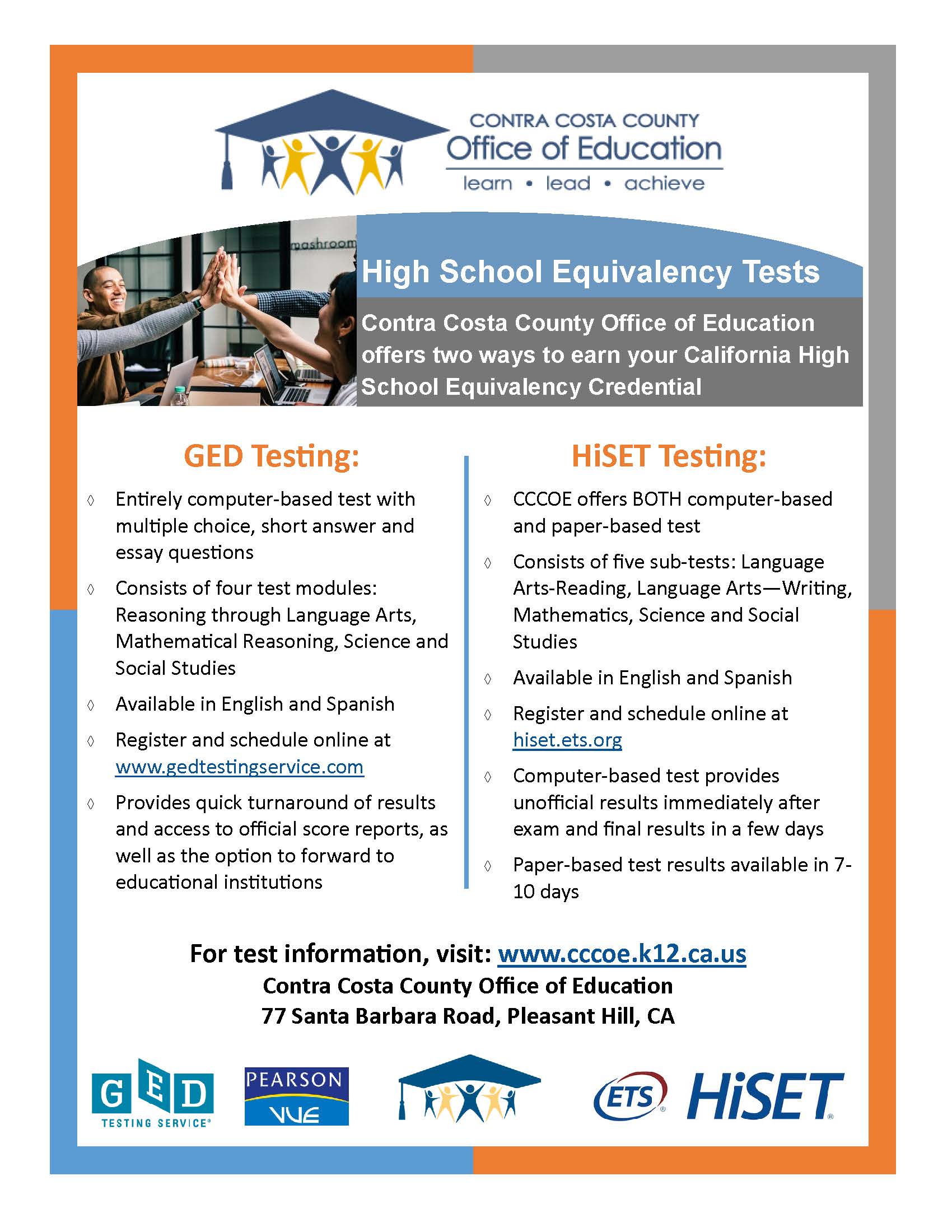
The GED, or General Educational Development, is a nationally recognized high school equivalency credential. It comprises a battery of four subject tests designed to measure academic skills typically acquired through four years of high school. These tests cover core subjects: Reasoning Through Language Arts (RLA), Mathematical Reasoning, Social Studies, and Science. Developed by the American Council on Education and administered by the GED Testing Service, the GED program aims to provide adults with the opportunity to earn credentials that can lead to further education or better employment. It’s widely accepted by colleges, universities, and employers across the United States, making it an invaluable asset for personal advancement.
Why Pursue a GED in California?
California, with its robust economy, diverse industries, and extensive educational institutions, offers myriad opportunities for those with a high school equivalency. Earning a GED in California can significantly improve one’s quality of life and access to these opportunities. For many, it’s a prerequisite for college admission, vocational training programs, or military enlistment. From a career perspective, a GED can qualify individuals for jobs that require a high school diploma, often leading to higher earning potential and more stable employment. Beyond the tangible benefits, obtaining a GED can instill a profound sense of accomplishment, boosting self-confidence and inspiring further educational pursuits. It’s a foundational step towards building a more prosperous and fulfilling lifestyle in one of the world’s most innovative states.
Eligibility and Requirements for the California GED
Before you can begin studying and scheduling your tests, it’s crucial to understand the specific eligibility criteria set forth by the state of California and the structure of the GED exam itself.
Age and Residency Criteria
To be eligible to take the GED test in California, candidates must meet certain age and residency requirements. Generally, individuals must be at least 18 years old. However, 17-year-olds may be eligible under specific circumstances, often requiring a signed consent form from a parent or legal guardian and official documentation from the high school they previously attended, indicating they are no longer enrolled. Additionally, while you don’t necessarily need to be a long-term resident of California to take the test there, you will need to provide a valid form of identification that confirms your identity. It’s always best to check the most current regulations on the official GED Testing Service website or contact a local adult education center in California to ensure you meet all criteria before proceeding.
Understanding the California GED Test Subjects
The GED test is not a single exam but rather a series of four separate subject tests, each designed to assess different academic disciplines. Familiarity with these subjects is key to effective preparation.
- Reasoning Through Language Arts (RLA): This section measures your ability to read closely, write clearly, and edit effectively. It includes reading comprehension passages, grammar and punctuation questions, and an extended response (essay) portion.
- Mathematical Reasoning: This test focuses on problem-solving skills, covering basic math, algebra, geometry, and data analysis. A significant portion of this test allows the use of an on-screen calculator.
- Social Studies: This section covers U.S. history, civics and government, economics, and geography, assessing your ability to analyze information from various sources like graphs, maps, and historical documents.
- Science: The science test includes topics from life science, physical science, and earth and space science, emphasizing scientific reasoning and understanding of experimental results.
Each test is scored individually, and you need to achieve a minimum score of 145 on each subject to pass. The tests are computer-based, and familiarity with this format through practice tests can significantly boost confidence.
Navigating the GED Preparation and Testing Process
Preparing for the GED requires dedication and a strategic approach. Fortunately, California offers numerous resources to support adult learners on their journey.
Finding Study Resources and Classes
One of the most crucial steps in obtaining your GED is thorough preparation. California boasts a wide array of resources designed to help candidates succeed.

- Adult Education Centers: Many public school districts throughout California operate adult education programs that offer GED preparation classes. These classes provide structured learning environments, experienced instructors, and often peer support. You can find centers in major metropolitan areas like Los Angeles, San Francisco, San Diego, Sacramento, and Fresno, as well as in smaller communities.
- Community Colleges: Some community colleges in California also offer GED preparation courses or non-credit basic skills classes that can help build the foundational knowledge needed for the GED.
- Online Resources: The GED Testing Service website offers official practice tests, study guides, and online courses. Many third-party websites and apps also provide free or low-cost study materials, video lessons, and practice questions.
- Libraries: Local public libraries are excellent resources, often providing free access to study guides, computer labs, and sometimes even tutoring services.
- GED Ready Practice Tests: Taking the official GED Ready practice tests is highly recommended. These tests are half the length of the actual exams and provide a score report that tells you if you’re likely to pass and what areas you need to focus on.
Choosing the right study method depends on your learning style, schedule, and budget. A combination of self-study with structured classes often yields the best results.
Registering for the Exam
Once you feel adequately prepared, the next step is to register for the GED exam. The entire registration process is managed through the official GED Testing Service website.
- Create an Account: You’ll need to create a free account on the GED.com website. This will be your portal for scheduling tests, accessing study materials, and viewing your scores.
- Locate a Testing Center: The website allows you to search for authorized GED testing centers near you in California. These centers are typically located at adult schools, community colleges, or professional testing facilities.
- Schedule Your Tests: You can schedule one test at a time or all four, depending on your preference and readiness. It’s often advisable to schedule tests one or two at a time to manage stress and focus your preparation. You will choose a date and time that works for you.
- Pay the Fees: The cost of the GED test in California is typically per subject. Fees can vary slightly, so check the official website for the most current pricing. Some adult education centers might offer vouchers or financial assistance, so inquire locally if needed.
What to Expect on Test Day
Test day can be nerve-wracking, but knowing what to expect can help ease anxiety.
- Arrive Early: Plan to arrive at the testing center at least 15-30 minutes before your scheduled test time. This allows for check-in procedures without feeling rushed.
- Bring Valid ID: You must bring a government-issued photo identification that matches the name on your GED account. Acceptable forms often include a driver’s license, state ID card, or passport.
- Personal Items: Most personal items, including phones, smartwatches, bags, and unauthorized calculators, will not be allowed into the testing room. Lockers are usually provided for your belongings.
- Computer-Based Format: The GED tests are entirely computer-based. Familiarize yourself with the interface during practice tests to ensure comfort on test day.
- Breaks: Short breaks are typically allowed between sections of the RLA test and often between individual subject tests if you schedule them consecutively.
Remember to get a good night’s sleep before the test and eat a nourishing meal. Confidence in your preparation will be your greatest asset.
Costs, Scores, and Next Steps
Understanding the financial aspect, interpreting your results, and planning for life after the GED are crucial components of this journey.
Understanding GED Test Fees
The cost of obtaining a GED in California is a significant consideration. Each of the four subject tests typically costs around $35, bringing the total for all four tests to approximately $140. These fees are paid directly to the GED Testing Service when you schedule your exams online. It’s important to note that these costs do not include any preparation materials, classes, or practice tests, which may incur additional expenses. However, many adult education programs in California offer free or low-cost GED preparation classes, and some organizations or local governments may provide financial aid or vouchers to cover testing fees for eligible individuals. Always check with your local adult school or community resources for potential assistance. Re-take fees, should you need them, are often discounted but still represent an additional cost.
Interpreting Your Scores
After completing each GED subject test, your scores are usually available within 24 hours, accessible through your account on the GED Testing Service website.
- Passing Score: To pass each individual test, you need to achieve a score of at least 145.
- GED College Ready (165-174): Scores in this range indicate you have the skills needed to enroll in college-level courses without remediation.
- GED College Ready + Credit (175-200): This is the highest score range, suggesting that you may qualify for up to ten college credits in certain subjects, depending on the college’s policies.
Even if you don’t pass a section on your first attempt, the score report provides valuable feedback, highlighting areas where you need further improvement. You are typically allowed to retake tests multiple times, though there might be a waiting period and re-take fees involved after a certain number of attempts.
Post-GED Pathways in California
Earning your GED is a monumental achievement, but it’s often just the beginning of a new chapter. In California, your GED opens up a world of possibilities:
- Higher Education: With a GED, you are eligible to apply to community colleges, state universities (California State University system), and even private institutions. This opens doors to associate’s degrees, bachelor’s degrees, and specialized vocational training. Many California community colleges offer seamless transfer pathways to four-year universities.
- Career Advancement: A GED significantly improves job prospects. Many employers require a high school diploma or equivalent for entry-level positions and promotions. Industries across California, from technology in Silicon Valley to agriculture in the Central Valley, value employees with recognized credentials.
- Vocational and Technical Training: If you’re looking for a specific trade, a GED qualifies you for many vocational schools and apprenticeship programs in fields like healthcare, automotive repair, construction, and culinary arts, which are vital to California’s economy.
- Military Enlistment: The GED is accepted for enlistment into all branches of the U.S. military, provided other eligibility requirements are met.
- Personal Enrichment: Beyond formal pathways, the GED fosters a lifelong love of learning and empowers individuals to pursue their interests, whether through online courses, community workshops, or self-study.
The journey to obtain a GED in California requires effort and perseverance, but the rewards are profound. It’s an investment in your future, paving the way for a more educated, prosperous, and fulfilling lifestyle. By utilizing the abundant resources available and committing to the process, you can achieve this significant credential and unlock countless opportunities for growth and success in the Golden State.
LifeOutOfTheBox is a participant in the Amazon Services LLC Associates Program, an affiliate advertising program designed to provide a means for sites to earn advertising fees by advertising and linking to Amazon.com. Amazon, the Amazon logo, AmazonSupply, and the AmazonSupply logo are trademarks of Amazon.com, Inc. or its affiliates. As an Amazon Associate we earn affiliate commissions from qualifying purchases.