
Navigating the complexities of personal and financial management is a cornerstone of a well-planned lifestyle, especially for those who embrace flexibility, extended stays, or even international relocation. Whether you are a digital nomad, a retiree considering a second home, or simply someone who wishes to prepare for life’s uncertainties, understanding how to legally empower another individual to act on your behalf can be invaluable. In California, establishing a Power of Attorney (POA) is a critical step in ensuring your affairs are managed according to your wishes, even if you are unavailable or incapacitated. This comprehensive guide will walk you through the nuances of obtaining a Power of Attorney in California, offering insights crucial for maintaining control over your lifestyle, no matter where your journey takes you.
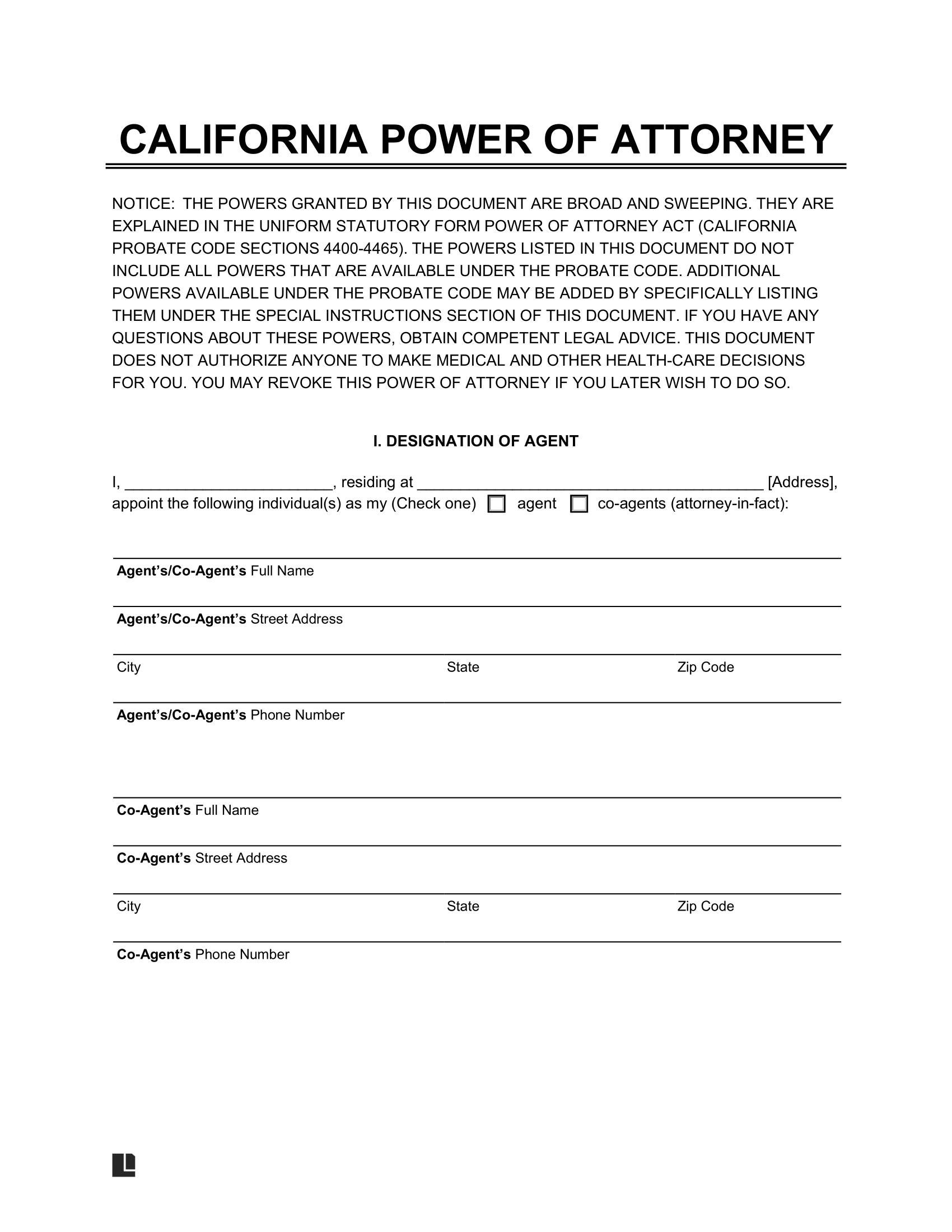
Understanding Power of Attorney in California
A Power of Attorney is a powerful legal document that grants one person the authority to act on behalf of another person in private affairs, business, or other legal matters. This document is particularly vital for individuals who prioritize a flexible or global lifestyle, as it allows for seamless management of their affairs even when they are physically absent or unable to make decisions.
What is a Power of Attorney?
At its core, a Power of Attorney is a written authorization for a person to act as an agent or attorney-in-fact for another person, who is known as the principal. The agent can then make decisions and perform actions on behalf of the principal as if the principal were doing them personally. The scope of this authority can be as broad or as narrow as specified in the document. For those with dynamic lifestyles, this legal tool prevents disruptions in managing assets, paying bills, or making important health decisions.
Types of Power of Attorney
California law recognizes several types of POAs, each designed for specific circumstances and needs:
General Power of Attorney
A General Power of Attorney grants broad authority to the agent to handle all specified financial and legal matters on behalf of the principal. This type of POA is effective immediately upon signing and typically terminates if the principal becomes incapacitated or dies. It’s often used for short-term situations where the principal might be traveling extensively or temporarily unable to manage their affairs.
Durable Power of Attorney
This is arguably the most common and recommended type of POA for long-term planning, especially for those concerned about future incapacity. A Durable Power of Attorney explicitly states that the agent’s authority continues even if the principal becomes mentally or physically incapacitated. This is crucial for safeguarding one’s lifestyle, ensuring that financial and legal matters can be managed without interruption due to unforeseen health challenges.
Special or Limited Power of Attorney
A Special Power of Attorney grants the agent very specific and limited authority to act on the principal’s behalf. For instance, it might authorize an agent to sell a particular property, manage a specific investment account, or sign a single contract. This is useful for principals who need assistance with discrete tasks while maintaining control over all other aspects of their life.
Springing Power of Attorney (Less Common Now)
A Springing Power of Attorney “springs” into effect only upon the occurrence of a specific event, such as the principal’s incapacitation, as determined by a physician. While historically used, many legal professionals now advise against them due to potential delays and disputes in determining when the “springing” condition has been met. Most prefer durable POAs that are effective immediately.
Power of Attorney for Healthcare (Advance Healthcare Directive)
In California, a Power of Attorney for Healthcare is typically incorporated into an Advance Healthcare Directive (AHD). This document allows you to appoint an agent (sometimes called a healthcare agent or surrogate) to make medical decisions for you if you are unable to do so yourself. It also allows you to express your wishes regarding medical treatment, including end-of-life care. For individuals traveling or living in different locales, having an AHD in place ensures your healthcare preferences are honored, regardless of your location.
Key Terminology: Principal and Agent
Understanding the roles is fundamental:
- Principal: The person granting the authority.
- Agent (or Attorney-in-Fact): The person receiving the authority to act on behalf of the principal. It’s vital to choose your agent carefully, as they will have significant power over your affairs.
Why You Might Need a Power of Attorney for a Flexible Lifestyle
For individuals embracing a dynamic or untraditional lifestyle, a Power of Attorney is not merely a document for old age; it’s a tool for empowerment and preparedness.
Managing Finances from Afar
If your lifestyle involves extensive travel, living abroad, or frequent relocation, a POA allows an agent to pay bills, manage bank accounts, file taxes, or handle investments back home. This continuity is essential to avoid financial penalties or missed opportunities while you’re exploring the world. Imagine being in a different time zone or without internet access, and still having your finances competently managed.
Healthcare Decisions
An Advance Healthcare Directive ensures that if you become incapacitated during your travels or while living away, a trusted individual can make medical decisions aligned with your values and wishes. This peace of mind is invaluable, removing the burden from loved ones guessing your preferences during a crisis.
Real Estate and Property Management
For those with real estate holdings, a Special or Durable POA can authorize an agent to buy, sell, lease, or manage properties. This is crucial for investment property owners, individuals with vacation homes, or those planning to relocate and needing assistance with property transactions while they are in transition.
Business and Legal Affairs
Entrepreneurs, freelancers, and business owners whose lifestyle allows them to work from anywhere often need a POA to manage business contracts, sign legal documents, or represent them in legal proceedings. This maintains operational flow and legal compliance, regardless of your physical location.
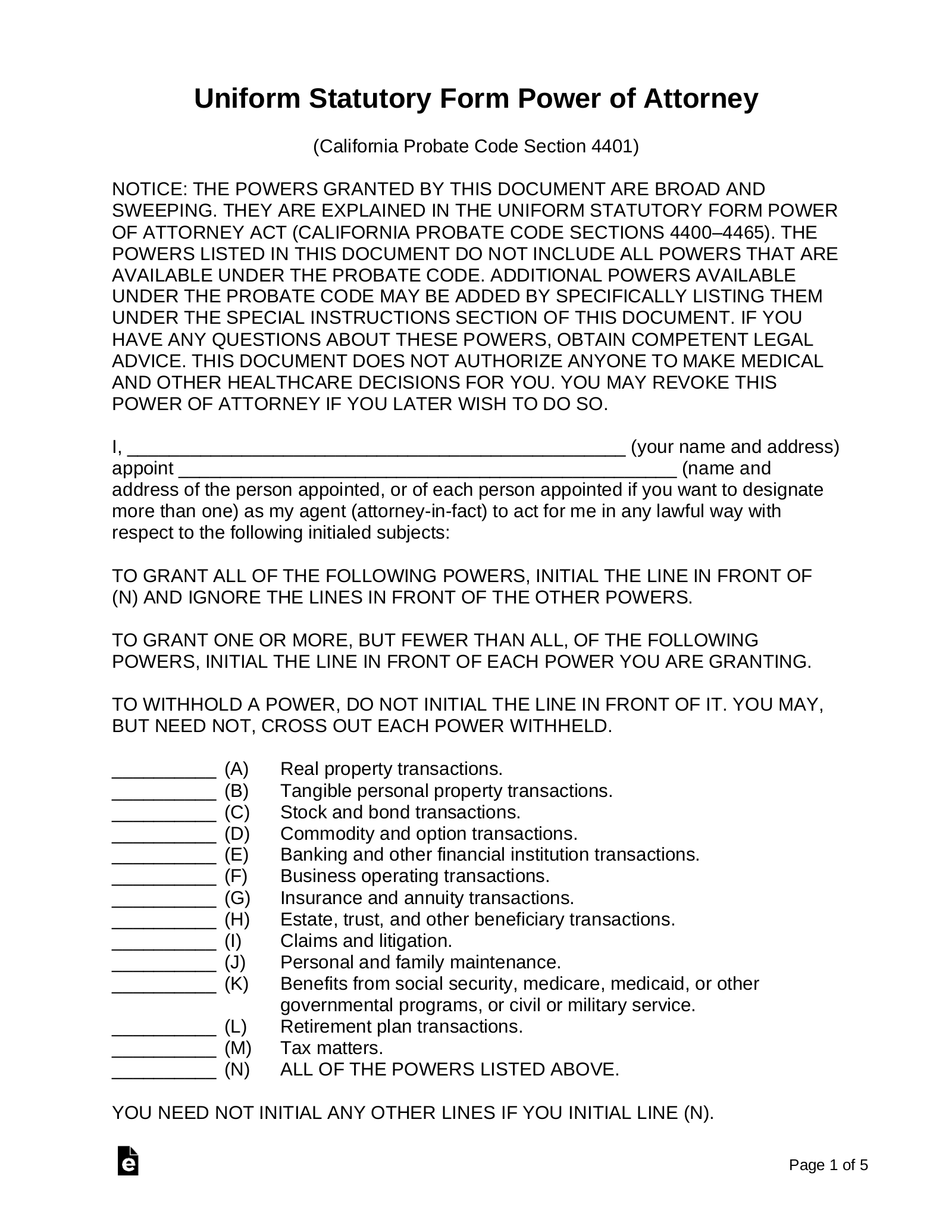
The Process of Creating a Power of Attorney in California
Obtaining a Power of Attorney in California involves several key steps to ensure its validity and effectiveness.
Choosing Your Agent Wisely
This is perhaps the most critical decision. Your agent should be someone you trust implicitly – typically a spouse, adult child, close family member, or trusted friend. They should be financially responsible, organized, and capable of making sound decisions. Discuss your wishes and expectations with your chosen agent beforehand to ensure they understand and are willing to take on the responsibility. You can also name successor agents in case your primary agent is unable or unwilling to serve.
Drafting the Document
While pre-printed forms (like the California Statutory Power of Attorney) are available and can be legally valid, it’s often advisable to have a Power of Attorney drafted by an attorney. This ensures the document is tailored to your specific needs, assets, and lifestyle, covering all eventualities you might foresee. An attorney can help you define the scope of authority, specific powers granted, and any limitations or conditions. For complex situations, especially involving significant assets or international travel, a customized document provides far greater protection.
Signing and Notarization Requirements
For a Power of Attorney to be valid in California, it must meet specific legal requirements:
- Capacity: The principal must be of sound mind (have legal capacity) at the time they sign the document. They must understand the nature and effect of the document.
- Signature: The principal must sign the Power of Attorney.
- Witnesses or Notary Public: The principal’s signature must either be acknowledged by a notary public OR signed by two disinterested adult witnesses. If using witnesses, they must be present at the same time and witness the principal’s signing, then sign the document themselves. Importantly, the agent cannot be one of the witnesses. For a Durable Power of Attorney, notarization is generally preferred and often required by financial institutions. For an Advance Healthcare Directive, either notarization or two qualified witnesses are required.
Recording Requirements (If Applicable)
In most cases, a Power of Attorney does not need to be recorded with any government agency to be valid. However, if the Power of Attorney grants authority to deal with real estate transactions (e.g., buying, selling, or mortgaging property), it typically must be recorded in the county recorder’s office where the real property is located. This provides public notice of the agent’s authority to act regarding that specific property.
Key Considerations and Best Practices
Securing a Power of Attorney is a dynamic process that requires ongoing attention to remain effective and aligned with your lifestyle.
Understanding Agent’s Fiduciary Duties
Once appointed, your agent assumes significant fiduciary duties. This means they must act solely in your best interest, avoid conflicts of interest, keep accurate records, and manage your assets prudently. They are legally accountable for their actions. Understanding these duties ensures you choose an agent who respects this immense responsibility.
Revoking or Amending a Power of Attorney
Your life circumstances, relationships, or financial situation may change over time. You have the right to revoke or amend your Power of Attorney at any time, as long as you have the mental capacity to do so. To revoke, you should create a “Revocation of Power of Attorney” document, sign it, have it notarized, and ensure all parties (especially your former agent and any institutions that had a copy) receive a copy. If you want to make changes, you typically create a new Power of Attorney, which implicitly revokes the previous one.
When to Seek Legal Counsel
While some may consider using statutory forms, consulting with an experienced estate planning attorney in California is highly recommended. An attorney can:
- Assess your unique lifestyle and financial situation.
- Draft a customized POA that precisely meets your needs.
- Ensure the document complies with all California legal requirements.
- Advise on potential challenges and how to mitigate them.
- Help coordinate your POA with other estate planning documents like wills and trusts.
This professional guidance is particularly valuable for those with complex assets, international considerations, or specific long-term lifestyle goals.
Storing and Distributing Your Document
Once executed, store the original Power of Attorney in a safe, accessible place, such as a fireproof safe or a secure personal file. Inform your agent and other trusted individuals where it is located. Provide copies to your agent, your attorney, and any financial institutions or healthcare providers that may need it. Ensure that the copy provided to institutions is a certified copy if required.

Conclusion
Obtaining a Power of Attorney in California is a proactive step towards securing your personal and financial autonomy, especially when your lifestyle embraces travel, relocation, or future uncertainties. By carefully selecting an agent, understanding the different types of POAs, and adhering to legal requirements, you can empower a trusted individual to act on your behalf, ensuring your affairs are managed efficiently and according to your wishes. This crucial document is more than just a legal formality; it’s an essential component of a resilient and flexible lifestyle, offering peace of mind wherever your adventures may lead you.
LifeOutOfTheBox is a participant in the Amazon Services LLC Associates Program, an affiliate advertising program designed to provide a means for sites to earn advertising fees by advertising and linking to Amazon.com. Amazon, the Amazon logo, AmazonSupply, and the AmazonSupply logo are trademarks of Amazon.com, Inc. or its affiliates. As an Amazon Associate we earn affiliate commissions from qualifying purchases.