
Navigating the administrative landscape of a new state can be one of the more daunting aspects of a relocation or an extended stay. For those making California their temporary or permanent home, understanding the intricacies of vehicle registration is not merely a bureaucratic chore but a fundamental step towards seamlessly integrating into the Golden State’s vibrant lifestyle. This comprehensive guide aims to demystify the process, offering a professional, insightful, and engaging roadmap for registering your car in California.
Understanding California Car Registration: A Lifestyle Imperative
Vehicle registration in California is a mandatory process that ensures all vehicles operating on public roads meet specific safety, environmental, and financial responsibility standards. Far from being just paperwork, it’s a critical aspect of responsible vehicle ownership that contributes to public safety and environmental protection, aligning with the state’s forward-thinking approach to urban living and environmental stewardship.

Who Needs to Register a Car in California?
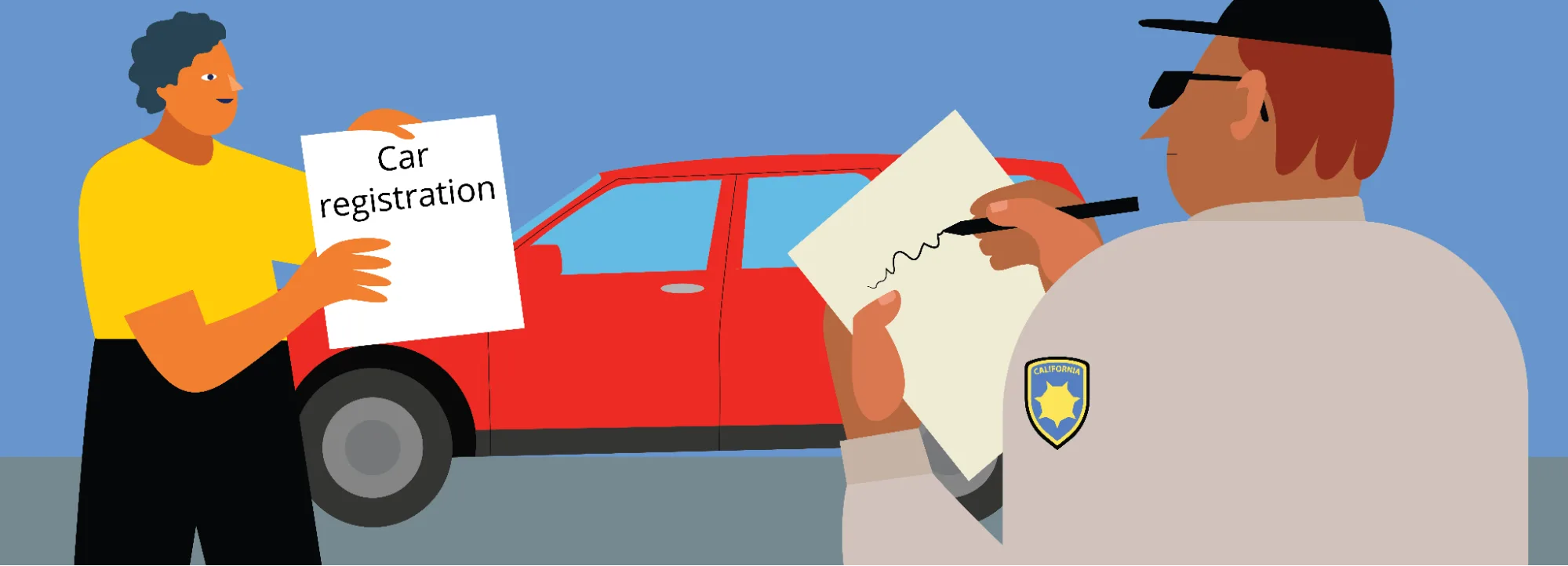
The rules regarding who must register a vehicle in California are relatively clear but often misunderstood. Generally, if you are a new resident or plan to establish residency in California, you are required to register your vehicle within 20 days of entry into the state or establishing residency. This applies to vehicles purchased out-of-state, brought in from another state, or even those gifted to you.
Defining “residency” can sometimes be ambiguous. It typically involves actions such as obtaining a California driver’s license, registering to vote, paying resident tuition at a public institution, or occupying a dwelling in the state. For many, registering their vehicle is one of the first concrete steps towards embracing their new California lifestyle, signifying a commitment to complying with local regulations.
The Importance of Timely Registration
Delaying vehicle registration in California can lead to significant penalties, including fines and potential legal complications. The California Department of Motor Vehicles (DMV) is quite strict about these deadlines. Beyond avoiding penalties, timely registration ensures that your vehicle is legally allowed on the road, covered by valid insurance, and contributes to the state’s infrastructure and public services through applicable fees. It reflects a responsible approach to living within the community and ensures you can enjoy all that California has to offer without unnecessary stress.
Essential Documents and Requirements
Before you even step foot in a DMV office, understanding and gathering the necessary documents is paramount. This proactive approach will save you considerable time and potential frustration, streamlining a process that can often feel labyrinthine.
Proof of Ownership and Identification
At the core of vehicle registration is establishing clear ownership. You’ll need:
- Original Title or Manufacturer’s Certificate of Origin (MCO): For new vehicles, this proves you are the first owner. For used vehicles, the properly endorsed title from the previous owner is required. Ensure all sections are correctly filled out and signed.
- Application for Title or Registration (Form REG 343): This form can be filled out in advance or at the DMV.
- Your California Driver’s License or ID Card: This serves as your primary form of identification. If you don’t have a California ID yet, other valid government-issued photo identification might be accepted in conjunction with other proofs of residency.
Smog Certification: A California Specialty
California is renowned for its stringent environmental regulations, and vehicle emissions are a major focus. Most vehicles require a valid smog certification from a California-licensed smog station.
- What vehicles are exempt? Generally, vehicles less than eight model years old (excluding those from 1976 and older), electric vehicles, natural gas vehicles, motorcycles, and diesel vehicles manufactured before 1998 with a Gross Vehicle Weight Rating (GVWR) of more than 14,000 lbs are exempt. However, always check the current DMV guidelines as these can change.
- Where to get it: Find a STAR-certified smog station near you. The certification is electronically submitted to the DMV by the station, but you will receive a printout for your records. This certification is valid for 90 days.
Insurance Requirements
California law mandates that all drivers carry minimum liability insurance. You must provide proof of financial responsibility (insurance) when registering your vehicle.
- Minimum Coverage: The current minimum liability coverage in California is $15,000 for injury/death to one person, $30,000 for injury/death to more than one person, and $5,000 for property damage.
- Proof: Your insurance company will provide an insurance card or a policy declaration page. The DMV may also electronically verify your insurance, but it’s always wise to have physical proof on hand.
Odometer Reading and Vehicle Verification
For out-of-state vehicles or certain other scenarios, an accurate odometer reading is crucial. Additionally, a physical inspection of your vehicle may be required to verify its Vehicle Identification Number (VIN) and ensure it matches your documentation.
- VIN Verification: This is typically performed by a DMV employee, a licensed vehicle verifier, or a law enforcement officer. It ensures the vehicle identity is legitimate and matches the title.
- Out-of-State Vehicles: If you’re bringing a vehicle from another state, the VIN verification is mandatory. This often requires an appointment at the DMV or a visit to an authorized verifier.
The Step-by-Step Registration Process
Once you have all your documents in order, the actual registration process becomes much more manageable. While it can seem complex, breaking it down into distinct steps helps clarify the journey.
Preparing Your Application
Before visiting the DMV, ensure your Application for Title or Registration (Form REG 343) is completely and accurately filled out. Double-check all information, especially VIN, license plate number (if applicable), and owner details. Having all supporting documents organized and easily accessible will expedite your visit. Consider making copies of all essential documents for your records.
Navigating the DMV

The California DMV offers several avenues for registration, though for new registrations or out-of-state vehicles, an in-person visit is often necessary.
- Appointments: It is highly recommended to make an appointment online through the DMV website. This can significantly reduce wait times, allowing you to plan your day more effectively.
- Online Services: While initial registration for out-of-state vehicles usually requires an in-person visit, some simpler transactions or renewals can be done online.
- Third-Party Providers: Licensed registration services can also assist with the process, often for an additional fee, offering convenience for those with limited time or preference for a guided experience.
When you arrive at the DMV, be prepared to present all your documents, potentially undergo a VIN verification (if not done previously), and pay the necessary fees. The process typically involves a document review, data entry, and then payment.
Fees and Payments
Vehicle registration in California involves several fees, which can vary based on the type of vehicle, its value, and the county of registration. These fees typically include:
- Registration Fee: A standard fee for all vehicles.
- Vehicle License Fee (VLF): Based on a percentage of the vehicle’s depreciated value.
- Transportation Capital Improvement Fee (TCIF): Varies by vehicle value.
- California Highway Patrol (CHP) Fee: Contributes to highway patrol services.
- County/District Fees: Some counties or districts may impose additional fees.
- Smog Abatement Fee: For certain vehicles that are exempt from biennial smog checks.
Payment methods generally include cash, check, money order, and debit cards. Credit cards are often accepted with an additional service fee. It’s advisable to check the current fee schedule on the DMV website or use their online fee calculator to estimate your total.
What to Expect After Submission
Once your application is approved and fees are paid, you will typically receive your new registration card, license plates (if new to California), and year validation stickers immediately. Place the validation sticker on your rear license plate as instructed, and keep your registration card in the vehicle. The physical title will usually be mailed to you within a few weeks.
Special Circumstances and Considerations
While the general process applies broadly, specific situations warrant additional attention. Understanding these nuances can save time and prevent unforeseen complications.
Out-of-State Vehicles
Registering an out-of-state vehicle in California is one of the most common scenarios. In addition to the standard requirements, these vehicles generally require:
- VIN Verification: As mentioned, a physical inspection by a DMV employee or authorized verifier.
- Smog Certification: Most out-of-state vehicles will need a smog check unless specifically exempt.
- Proof of Ownership: The out-of-state title. If there’s a lienholder, you may need to contact them to have the title released to the California DMV.
New Residents
For individuals establishing new residency, the 20-day rule is critical. It’s not just about getting your plates; it’s about fully integrating your vehicle into the California system, including understanding the ongoing responsibilities that come with it.
Leased Vehicles
If your vehicle is leased, the process is slightly different. The leasing company is the legal owner, so you will need their cooperation. They typically provide a power of attorney or a letter authorizing you to register the vehicle on their behalf. Ensure you have all necessary documentation from the leasing company before heading to the DMV.
Vehicle Modifications
Vehicles with aftermarket modifications, especially to the emissions system, can face challenges. California has strict rules about emissions tampering. Ensure any modifications comply with state law before attempting registration, as they could lead to failed smog checks.
Maintaining Your Registration: Renewals and Beyond
Registration is not a one-time event. It requires ongoing maintenance to ensure continuous compliance and peace of mind.
Annual Renewals
Your California vehicle registration must be renewed annually. The DMV will typically mail a renewal notice several weeks before your registration expires. You can often renew online, by mail, or in person. Remember, proof of insurance is required for renewal, and vehicles more than eight model years old (unless exempt) will need a biennial smog check before renewal.
Addressing Common Issues
- Lost Tags or Registration Card: You can request replacements online, by mail, or in person.
- Change of Address: It’s vital to update your address with the DMV promptly, especially to ensure you receive renewal notices and other important correspondence. This can typically be done online.
- Selling Your Vehicle: When selling a vehicle, both the buyer and seller have specific responsibilities, including properly endorsing the title and submitting a Notice of Release of Liability (Form REG 138) to the DMV.
Staying Compliant with California Regulations
Beyond annual renewals, staying informed about any changes to California vehicle laws and regulations is crucial. The DMV website is an invaluable resource for the latest information. Compliance ensures you avoid penalties, contribute to the state’s environmental goals, and maintain your vehicle’s legal status, allowing you to fully embrace the California lifestyle with confidence and ease.
Registering your car in California might seem like a complex hurdle, but by understanding the requirements, preparing diligently, and following the outlined steps, you can navigate the process efficiently. This administrative task is an essential part of settling into the Golden State, ensuring that your vehicle is ready to explore all the diverse landscapes and vibrant communities California has to offer.
LifeOutOfTheBox is a participant in the Amazon Services LLC Associates Program, an affiliate advertising program designed to provide a means for sites to earn advertising fees by advertising and linking to Amazon.com. Amazon, the Amazon logo, AmazonSupply, and the AmazonSupply logo are trademarks of Amazon.com, Inc. or its affiliates. As an Amazon Associate we earn affiliate commissions from qualifying purchases.