
Navigating the process of transferring a car title in California can seem daunting, especially for those unfamiliar with the California Department of Motor Vehicles (DMV) procedures. Whether you’ve recently purchased a vehicle, sold one, or are inheriting a car, understanding the correct steps is crucial to ensure legal ownership and avoid future complications. This comprehensive guide will walk you through the entire process, from gathering necessary documents to finalizing the transfer, ensuring a smooth and compliant transaction within the Golden State.
Understanding the Basics of Car Title Transfer in California
A car title, officially known as the Certificate of Title, is the legal document that proves ownership of a vehicle. In California, this document is managed by the California Department of Motor Vehicles (DMV). Transferring a title signifies the change in legal ownership from one individual or entity to another. This process is essential for several reasons:
- Proof of Ownership: The title is the primary document that establishes you as the legal owner of the vehicle. Without a properly transferred title, you cannot legally drive, register, or sell the car.
- Vehicle Registration: To operate a vehicle legally on California roads, it must be registered with the DMV. The title transfer is a prerequisite for updating registration information to the new owner’s name.
- Insurance: Insurance companies require a valid title in your name to issue coverage for the vehicle.
- Sale of Vehicle: When you sell a car, transferring the title to the buyer is a legal necessity. Failure to do so could leave you liable for tickets or accidents involving the vehicle after the sale.
- Inheritance: If you inherit a vehicle, you will need to go through a title transfer process to legally own it.
The title transfer process in California involves several key steps, including completing specific forms, paying applicable fees, and submitting the necessary documentation to the DMV.
Key Documents Required for Title Transfer
To successfully transfer a car title in California, several documents are typically required. Having these ready beforehand will significantly expedite the process.
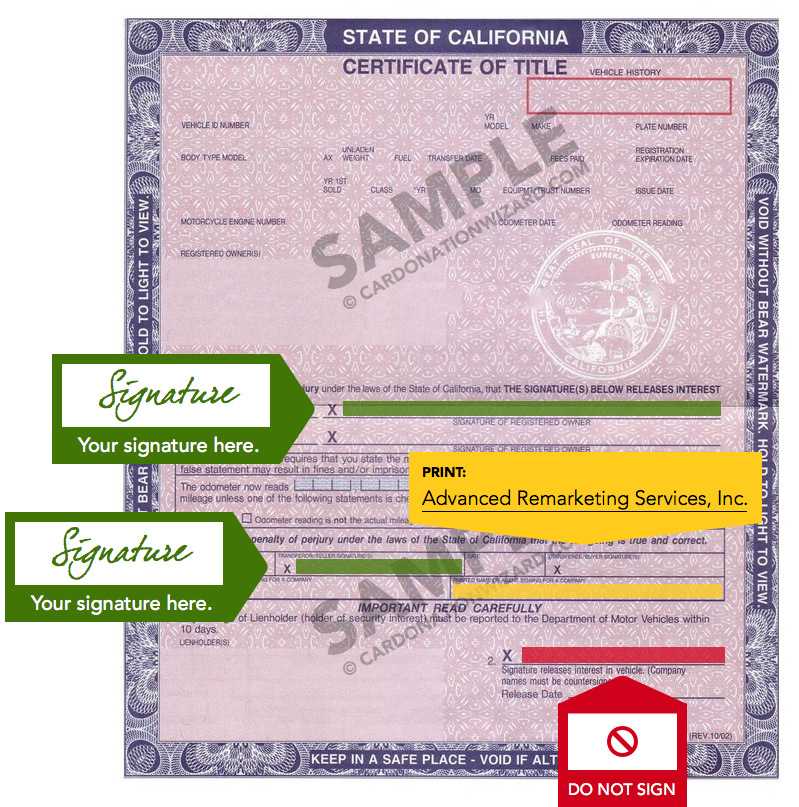
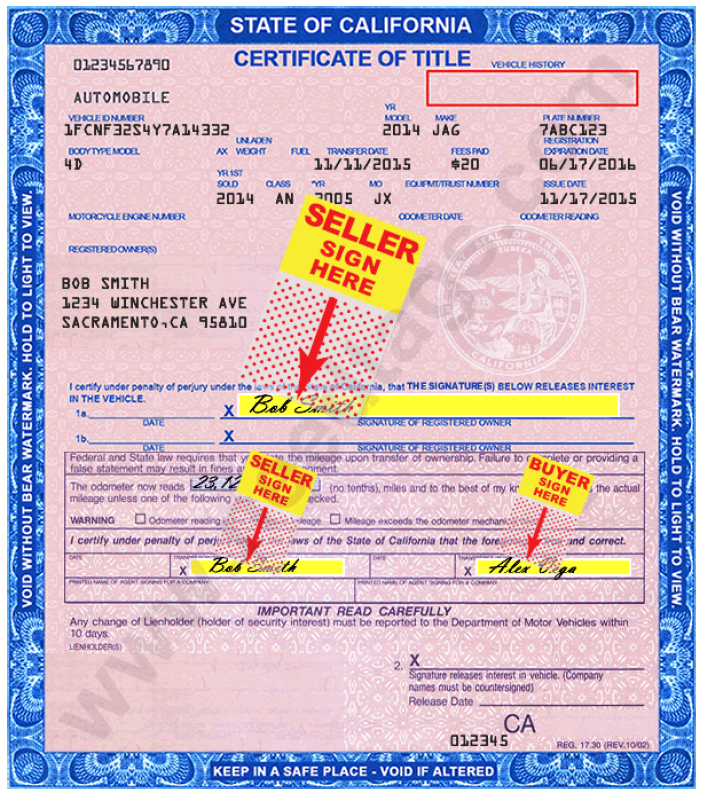
- California Certificate of Title: This is the most critical document. It must be signed by both the seller(s) and the buyer(s). If there are multiple owners listed on the title, all must sign. If the title is lost or damaged, you’ll need to apply for a replacement title (Form REG 227) before the transfer can proceed.
- Smog Certification: In most cases, a valid smog inspection certificate is required for the transfer. This ensures the vehicle meets California’s air quality standards. Exemptions exist for newer vehicles (generally less than four years old) and certain older vehicles, but it’s best to check the California DMV website for the most current regulations. The seller is typically responsible for providing a current smog certification.
- Bill of Sale (REG 262): While not always mandatory, a completed Bill of Sale is highly recommended, especially if the purchase price is not clearly indicated on the title. This document details the sale transaction, including the vehicle’s make, model, year, Vehicle Identification Number (VIN), purchase price, and the names and addresses of the buyer and seller. It serves as proof of the transaction and can help resolve disputes.
- Odometer Disclosure: Both the buyer and seller must accurately record the vehicle’s mileage on the title or a separate odometer disclosure form (part of the REG 262). This is a federal requirement to prevent odometer fraud.
- Proof of Insurance: The buyer will need to provide proof of current automobile liability insurance for the vehicle before it can be registered.
- Driver’s License or Identification: You will likely need to present a valid California driver’s license or other acceptable form of identification.
Steps for the Seller
As the seller, your primary responsibilities involve accurately completing the title and ensuring the vehicle is ready for transfer.
- Locate the Title: Find the original Certificate of Title. If it’s missing, you’ll need to apply for a duplicate from the California DMV.
- Complete the Title: On the front of the title, you will need to fill in the buyer’s name and address, the odometer reading, and the date of sale. Both the seller and buyer must sign and print their names. Ensure all information is legible and accurate. Mistakes can lead to delays.
- Provide Smog Certification: Unless the vehicle is exempt, you must obtain a smog inspection certification. This certification is valid for 90 days.
- Complete a Bill of Sale (Optional but Recommended): If you are not detailing the purchase price on the title, complete a Bill of Sale (REG 262) and provide a copy to the buyer.
- Remove License Plates: In California, license plates generally stay with the seller, not the vehicle. You will need to remove them from the car. You can transfer them to another vehicle or surrender them to the DMV.
- Submit Transfer Information: As the seller, you should consider completing a Notice of Transfer and Release of Liability (NRL) online or by mail. This form informs the DMV that you are no longer responsible for the vehicle, protecting you from potential legal issues if the buyer fails to complete the transfer promptly.
Steps for the Buyer
As the buyer, your role is to ensure all necessary documentation is properly completed and submitted to the DMV to finalize the ownership transfer.
- Verify the Title: Carefully inspect the title to ensure it is the original document, properly signed by the seller(s), and contains accurate vehicle information (VIN, make, model, year).
- Obtain Smog Certification: Ensure the seller has provided a valid smog certification, or if they haven’t, you may need to obtain one yourself, depending on your agreement.
- Complete the Title: Sign the title to acknowledge your purchase and fill in your name and address as the new owner.
- Complete a Bill of Sale (If Applicable): If a Bill of Sale is provided, sign it and keep a copy.
- Obtain Insurance: Secure valid automobile liability insurance for the vehicle. You will need proof of this to register the car.
- Visit the DMV or Authorized Business: You have 10 days from the date of purchase to report the transfer of ownership to the California Department of Motor Vehicles. You can do this by visiting a DMV office, a AAA (if you are a member), or a licensed business that offers DMV services. Be prepared for potential wait times at DMV offices.
- Submit Required Documents: Present the signed title, smog certification (if required), Bill of Sale (if applicable), proof of insurance, and your identification to the DMV representative.
- Pay Fees and Taxes: You will be required to pay various fees, including transfer fees, registration fees, and use tax (sales tax) based on the purchase price of the vehicle. The amount of use tax is typically based on the purchase price or the market value of the vehicle, whichever is greater.
- Receive New Title and Registration: Once all paperwork is processed and fees are paid, the DMV will mail you a new Certificate of Title in your name and updated registration documents. This process can take several weeks.
Special Circumstances and Considerations
While the general process for transferring a car title in California is straightforward, certain situations require specific procedures. Understanding these exceptions can prevent confusion and ensure compliance.
Transferring a Title When the Owner is Deceased
If you are transferring a title from a deceased owner, the process can vary depending on whether the estate is being probated and if there is a will.
- With a Will: If the deceased had a will that names an heir or beneficiary for the vehicle, the executor of the estate will typically need to sign the title over to the beneficiary. You may need to provide a copy of the will and a death certificate to the DMV.
- Without a Will (Intestate): If there is no will, California law dictates how the assets are distributed among heirs. You may need to use a specific affidavit for transfer without probate (REG 5) if the vehicle’s value falls within certain limits, along with a death certificate.
- Small Estate Affidavit: For estates below a certain value, a small estate affidavit might be used, which can simplify the transfer process.
- Probate: If the estate is going through probate, the court-appointed executor or administrator will handle the title transfer. You will likely need to provide court documents authorizing the transfer.
It’s crucial to consult with the California DMV or an attorney if you are unsure about the specific requirements for transferring a title from a deceased person.
Transferring a Title for a Gift or Family Transfer
When a vehicle is gifted or transferred between family members (e.g., parent to child, spouse to spouse), the process is similar, but there might be implications for use tax.
- Gift: If the vehicle is a genuine gift with no money exchanged, the purchase price on the Bill of Sale or title should be indicated as “$0” or “Gift.” You will still need to pay transfer fees and registration fees, but you may be exempt from use tax. The DMV may require a declaration that the vehicle was a gift.
- Family Transfer: For transfers between close family members, some exemptions from use tax might apply. You’ll need to fill out the appropriate forms to declare the familial relationship and ensure you meet the criteria for any tax exemption.
Transferring a Title for a Vehicle Purchased Out-of-State
If you purchase a vehicle from another state and plan to register it in California, you will need to go through a slightly different process.
- Obtain Out-of-State Title: You will need the vehicle’s title from the state where you purchased it, properly signed over to you.
- VIN Verification: California requires a VIN verification for all out-of-state vehicles. This can be performed by a DMV employee, a licensed VIN verifier, or a law enforcement officer.
- Smog Certification: You will likely need a California smog certification.
- Pay Use Tax: You will be required to pay California use tax on the purchase price, less any sales tax you may have already paid in the other state. You will need proof of the purchase price (e.g., Bill of Sale).
- Visit the DMV: You must visit a DMV office to complete the registration and title transfer process for an out-of-state vehicle.

Common Pitfalls and Tips for a Smooth Transfer
Avoiding common mistakes can save you time, money, and frustration when transferring a car title in California.
- Inaccurate Information: Double-check all names, addresses, VINs, and odometer readings for accuracy on all documents. Any discrepancies can lead to rejection of your application.
- Missing Signatures: Ensure all required parties have signed the title and any other necessary forms. If a signature is missing, the transfer cannot be completed.
- Expired Smog Certification: Smog certifications have an expiration date. Make sure it is current at the time of submission.
- Failing to Submit the Notice of Transfer and Release of Liability (NRL): Sellers should always submit an NRL to protect themselves. Buyers should ensure the seller has done so.
- Delaying the Transfer: Buyers have a strict 10-day window to report the transfer of ownership. Missing this deadline can result in penalties.
- Not Budgeting for Fees and Taxes: Title transfer fees, registration fees, and use tax can add up. Be prepared to pay these at the time of submission.
Tips for a Smoother Experience:
- Schedule an Appointment: For in-person DMV visits, consider making an appointment online to reduce wait times.
- Utilize Online Services: The California DMV website offers numerous online services, including submitting the NRL and estimating fees.
- Read Instructions Carefully: Thoroughly read all instructions on DMV forms and the California DMV website before starting the process.
- Keep Copies: Make copies of all submitted documents for your records.
- Contact the DMV: If you have any questions or encounter unusual circumstances, don’t hesitate to contact the California DMV directly.
By understanding the requirements, meticulously preparing your documents, and being aware of potential challenges, you can successfully transfer a car title in California, ensuring legal ownership and smooth sailing on the road.
LifeOutOfTheBox is a participant in the Amazon Services LLC Associates Program, an affiliate advertising program designed to provide a means for sites to earn advertising fees by advertising and linking to Amazon.com. Amazon, the Amazon logo, AmazonSupply, and the AmazonSupply logo are trademarks of Amazon.com, Inc. or its affiliates. As an Amazon Associate we earn affiliate commissions from qualifying purchases.