
Window tinting has long been a popular modification for vehicles, offering a range of benefits from enhanced privacy and improved comfort to a sleek aesthetic. For many drivers, the choice of tint level is a significant lifestyle decision that reflects personal preference and practical needs. However, the legality of window tint varies significantly from state to state, and California, with its vast population and extensive roadways, has specific regulations that drivers must understand. The question “Is 35 tint legal in California?” is common among residents and those planning to move to or visit the Golden State. Navigating these laws is crucial for anyone seeking to personalize their vehicle while remaining compliant with the California Vehicle Code. This comprehensive guide delves into the specifics of California’s window tint laws, focusing on how these regulations impact your driving lifestyle and what you need to know to make an informed choice.

The Core of California’s Window Tint Law: Understanding VLT
At the heart of California’s window tint regulations is the concept of Visible Light Transmittance, or VLT. This measurement indicates the percentage of visible light that passes through your car windows. A lower VLT percentage means darker tint, allowing less light to pass through. Understanding VLT is the first step in deciphering whether your chosen tint level is legal, directly affecting your vehicle’s compliance and, by extension, your driving lifestyle.
Understanding Visible Light Transmittance (VLT)
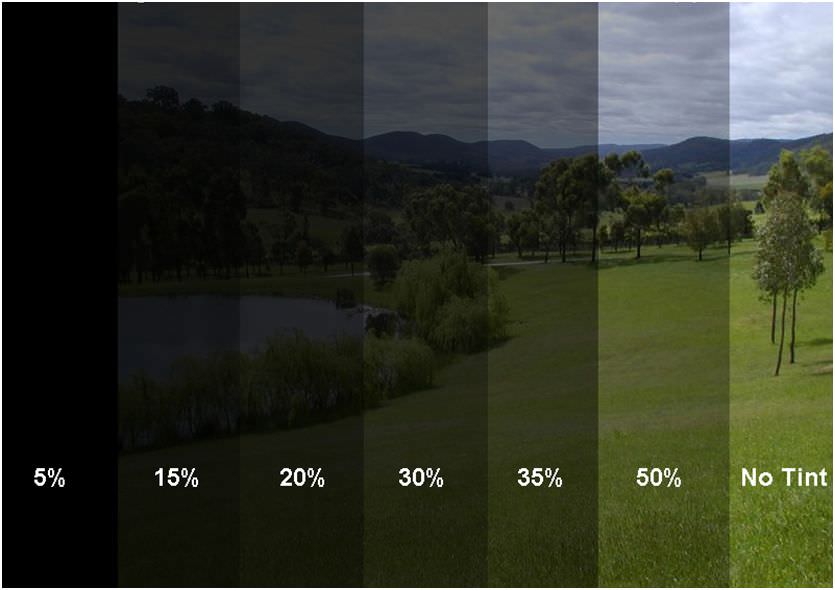
VLT is expressed as a percentage, ranging from 0% (completely opaque) to 100% (no tint). The higher the VLT percentage, the lighter the tint. For instance, a 35% tint means 35% of visible light can pass through the window. These percentages are critical because California law sets specific minimum VLT requirements for different windows on a vehicle. The regulations are designed to ensure adequate visibility for the driver and to allow law enforcement officials to see into the vehicle, balancing driver preference with public safety concerns.
Front Windows vs. Rear Windows: Different Rules Apply
California law distinguishes between front side windows (driver and front passenger) and rear windows (rear side windows and rear windshield). This distinction is common across many states and is primarily based on safety. Drivers need unimpeded visibility, particularly through the front side windows, for safe operation, especially when changing lanes or making turns.
For the front side windows (driver and front passenger), California law stipulates that they must allow more than 70% of visible light to pass through. This effectively means that any aftermarket tint applied to these windows is generally illegal, as even the lightest tints typically fall below the 70% VLT threshold. The state aims to ensure maximum visibility for the driver and to allow clear sightlines into the vehicle from the outside for law enforcement.
For the rear side windows and the rear windshield, the rules are more lenient. These windows can have any darkness of tint, meaning there are no specific VLT limits for them, as long as the vehicle has dual side mirrors. This flexibility allows drivers to choose darker tints for enhanced privacy, comfort, or aesthetic reasons in the rear of the vehicle, aligning with diverse lifestyle preferences without compromising essential driving visibility.
The Specifics for 35% Tint
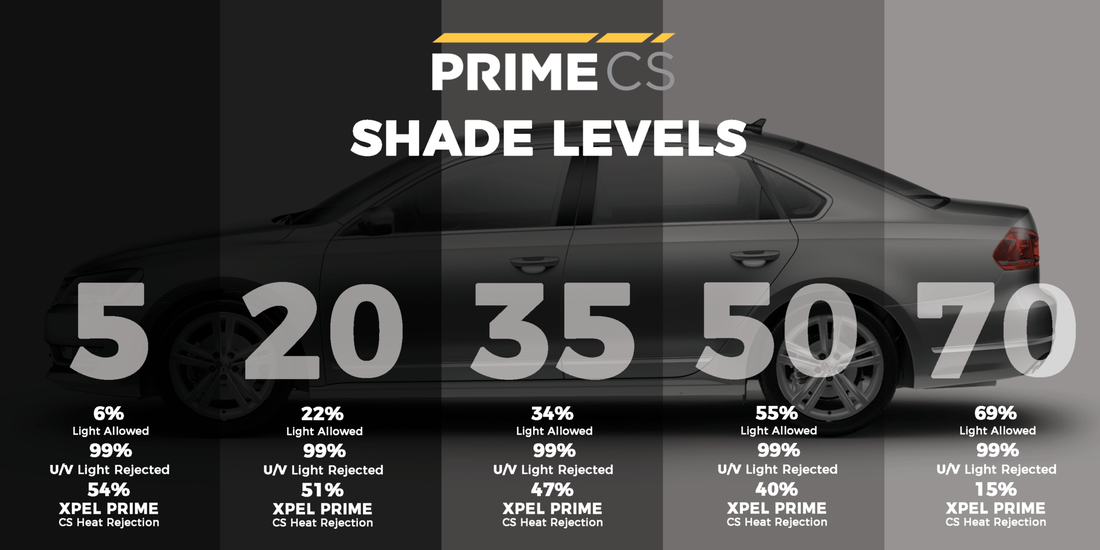
Given the distinctions, a 35% tint means only 35% of visible light passes through. This level of tint is considerably darker than the 70% VLT required for front side windows. Therefore, to directly answer the question: 35% tint is generally NOT legal for the front side windows (driver and front passenger) in California. Applying 35% tint to these windows would be a violation of the California Vehicle Code, potentially leading to citations and fines.
However, for the rear side windows and the rear windshield, 35% tint (or any darker tint) is perfectly legal, provided the vehicle is equipped with at least two functional side mirrors. This means a driver could legally have 35% tint on their rear windows while keeping their front windows untinted or with only factory-installed, compliant tint. This nuanced approach allows for some degree of personalization while upholding critical safety standards.
Why Window Tinting Matters: Lifestyle Benefits and Concerns
The decision to tint vehicle windows is often driven by a desire to enhance various aspects of one’s driving lifestyle. From boosting privacy to improving interior comfort, tinting offers compelling advantages. However, these benefits must always be weighed against the legal requirements and potential safety concerns.
Privacy and Security: Enhancing Personal Space
One of the primary reasons drivers opt for window tinting is to increase privacy. Darker windows make it more difficult for outsiders to see into the vehicle, offering a sense of personal space, especially in busy urban environments like Los Angeles or San Francisco. This added privacy can also contribute to a sense of security, as valuables left inside a tinted vehicle are less visible to potential thieves, aligning with a lifestyle that prioritizes discretion and protection of personal belongings.
Comfort and Health: UV Protection and Glare Reduction
Window tinting offers significant comfort and health benefits. Quality window films can block a substantial amount of harmful ultraviolet (UV) rays, protecting occupants from sun exposure that can contribute to skin damage and premature aging. For those with medical conditions exacerbated by UV exposure, this protection is a crucial lifestyle consideration. Additionally, tint helps reduce glare from the sun, headlights, and reflective surfaces, which can significantly improve driving comfort and reduce eye strain, especially during long drives or commutes. By maintaining a cooler interior temperature, tinting also reduces the reliance on air conditioning, potentially improving fuel efficiency and contributing to a more comfortable and eco-conscious lifestyle.
Aesthetic Appeal: A Personal Statement
Beyond the practical benefits, window tinting is often a stylistic choice. It can dramatically alter the appearance of a vehicle, giving it a more polished, aggressive, or luxurious look. For many car enthusiasts, tinting is an essential part of personalizing their vehicle and making a statement about their lifestyle and aesthetic preferences. The right tint can complement a car’s color and design, contributing to a cohesive and appealing overall presentation.
Safety Considerations: Visibility and Law Enforcement Interaction
While tint offers benefits, it also introduces safety considerations. Overly dark tint on front windows can impair a driver’s visibility, particularly at night or in adverse weather conditions. This is why California enforces strict VLT limits for front side windows. Additionally, law enforcement officers need to see into a vehicle during a traffic stop for their safety and the safety of the occupants. Obscured windows can raise suspicion and potentially lead to more cautious, and sometimes more tense, interactions. Understanding this balance is key to responsible driving and maintaining a respectful lifestyle within legal boundaries.
Navigating the Legal Landscape: Exceptions and Enforcement
While California’s tint laws are generally strict for front windows, there are specific exceptions and important enforcement considerations that drivers should be aware of. Knowing these nuances can help you avoid unintended violations and ensure your vehicle adheres to the California Vehicle Code.
Medical Exemptions: When Health Takes Precedence
California law provides for medical exemptions for individuals who have a diagnosed medical condition that requires protection from the sun’s harmful rays. If a licensed physician certifies that a driver or a regular passenger in the vehicle suffers from a condition such as photodermatosis or lupus, an exemption permit can be obtained from the Department of Motor Vehicles (DMV). This permit allows for darker tinting on specific windows, even the front side windows, beyond the standard legal limits. Drivers with such an exemption must carry the permit in their vehicle and present it to law enforcement upon request. This critical provision acknowledges that for some, window tinting is not merely a lifestyle choice but a medical necessity.
OEM Tinting and Aftermarket Rules
It’s important to distinguish between factory-installed (OEM) tint and aftermarket tint. Many vehicles come with a degree of tinting from the manufacturer, especially on rear windows. This OEM tint is typically compliant with federal and state regulations. The 70% VLT rule for front side windows primarily applies to aftermarket tinting. If your vehicle came with tinted front windows that are darker than 70% VLT, it’s highly likely that this tint is within federal manufacturing standards and is permitted. However, applying additional aftermarket tint on top of existing factory tint on front windows will almost certainly push it beyond the legal limit in California. Always consult with a reputable installer or the Department of Motor Vehicles if you’re unsure about your vehicle’s existing tint.
Penalties for Non-Compliance: What to Expect
Violating California’s window tint laws can result in penalties. Typically, an illegal tint is considered an “fix-it ticket” or a “correctable violation,” meaning that if you rectify the issue (remove the illegal tint) and show proof to the court, the fine can be dismissed or significantly reduced. However, there are administrative fees associated with these tickets, and if the tint is not removed, or if it’s a repeat offense, the fines can increase. Continued non-compliance can also lead to more serious repercussions, including higher penalties or even vehicle impoundment in extreme cases, significantly disrupting one’s driving lifestyle. It’s always best to comply with the law to avoid these inconveniences and costs.
Making an Informed Lifestyle Choice: Tips for California Drivers
For those living in or frequently driving through California, understanding and adhering to window tint laws is a key aspect of a responsible and stress-free driving lifestyle. Making an informed choice ensures both compliance and satisfaction with your vehicle’s modifications.
Consult the Experts: Reputable Installers and Law Enforcement
If you’re considering window tinting, the best first step is to consult with a reputable and experienced tint installer in California. They are knowledgeable about state laws and can recommend legal options for your vehicle, ensuring your choice aligns with the California Vehicle Code. Additionally, local law enforcement agencies, such as the California Highway Patrol or local police departments in cities like Sacramento, can provide accurate information regarding current regulations. Leveraging their expertise can save you from potential legal issues down the road.
Regular Check-ups: Ensuring Ongoing Compliance
Over time, some window films can degrade, or the perceived darkness might change. It’s a good practice to occasionally check your tint with a VLT meter, especially if you purchased a used vehicle with existing tint. Many tint shops offer this service. Ensuring your tint remains compliant is part of proactive vehicle maintenance and responsible driving, contributing to a hassle-free lifestyle. If you travel frequently between states, be mindful that tint laws vary, and what’s legal in one state might not be in California.
Prioritizing Safety and Legality
Ultimately, the decision to tint your windows should prioritize safety and legality. While the aesthetic and comfort benefits of tinting are appealing, operating a vehicle with illegal tint can pose risks to visibility and lead to legal complications. By understanding and respecting California’s tint laws, drivers can enjoy the advantages of window tinting while ensuring a safe, compliant, and enjoyable driving experience that aligns with a responsible and informed lifestyle.
In conclusion, while 35% tint offers significant privacy and aesthetic benefits, it is generally not legal for the front side windows of vehicles in California. However, it is permissible for the rear side windows and rear windshield. Adhering to these regulations is crucial for all drivers in the state to avoid fines and ensure both their safety and the safety of others on the road. Making informed choices about vehicle modifications is an integral part of maintaining a compliant and comfortable driving lifestyle in the diverse landscape of California.
LifeOutOfTheBox is a participant in the Amazon Services LLC Associates Program, an affiliate advertising program designed to provide a means for sites to earn advertising fees by advertising and linking to Amazon.com. Amazon, the Amazon logo, AmazonSupply, and the AmazonSupply logo are trademarks of Amazon.com, Inc. or its affiliates. As an Amazon Associate we earn affiliate commissions from qualifying purchases.