
For anyone living in or planning to visit California, understanding your rights during interactions with law enforcement is a crucial aspect of responsible citizenship and confident travel. The question, “Is California a stop and identify state?” delves into the nuances of individual liberties versus police authority, a topic that impacts personal freedom and peace of mind. While the United States Constitution provides overarching protections, state laws often interpret and apply these rights differently. This article aims to demystify California’s specific legal framework, offering a professional yet engaging guide to help you navigate police encounters knowledgeably, ensuring a smoother and more secure experience within the Golden State. Being informed is not just about avoiding legal trouble; it’s about embracing a lifestyle of awareness and empowerment, whether you’re strolling through the bustling streets of Los Angeles, exploring the vibrant culture of San Francisco, or simply enjoying the vast natural beauty the state offers.

Understanding “Stop and Identify” Laws Across the U.S.
Before diving into California’s specifics, it’s essential to grasp the broader concept of “stop and identify” laws as they exist across the United States. These laws dictate when and how a person must provide identification to a law enforcement officer. The legal foundation for police stops stems from a landmark Supreme Court case, and states have since adopted various interpretations, leading to a patchwork of regulations nationwide.
The Legal Basis: Terry v. Ohio
The bedrock of police encounters that don’t immediately lead to arrest is the 1968 Supreme Court decision in Terry v. Ohio. This ruling established that a police officer may stop and briefly detain a person if the officer has “reasonable suspicion” that the individual is involved in criminal activity. During such a stop, an officer may also conduct a limited “pat-down” search for weapons if they have reasonable suspicion that the person is armed and dangerous. However, Terry v. Ohio did not explicitly address whether a person is required to identify themselves during such a detention. That aspect has largely been left to individual states to define through legislation or judicial precedent.
Varying State Approaches to Identification
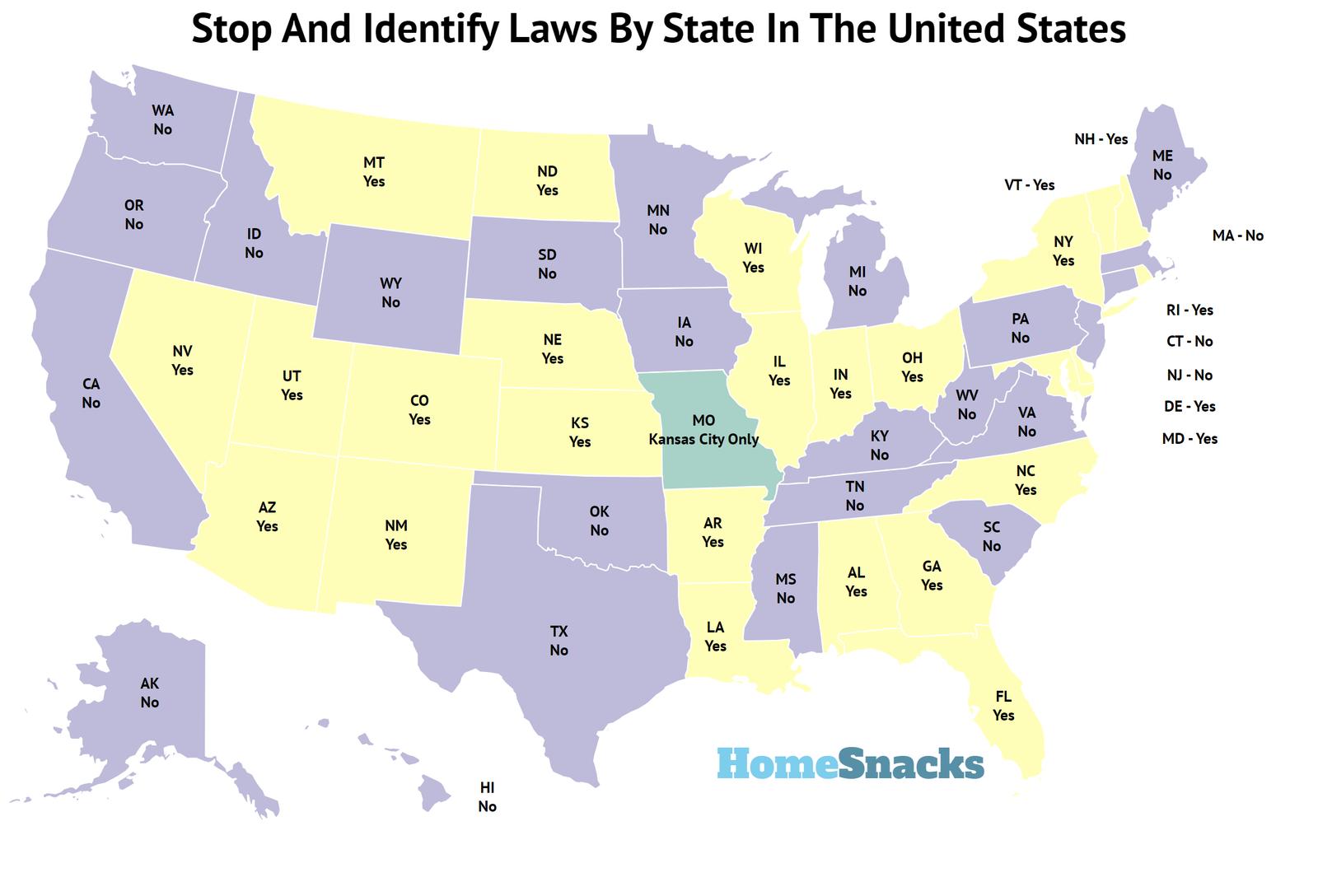
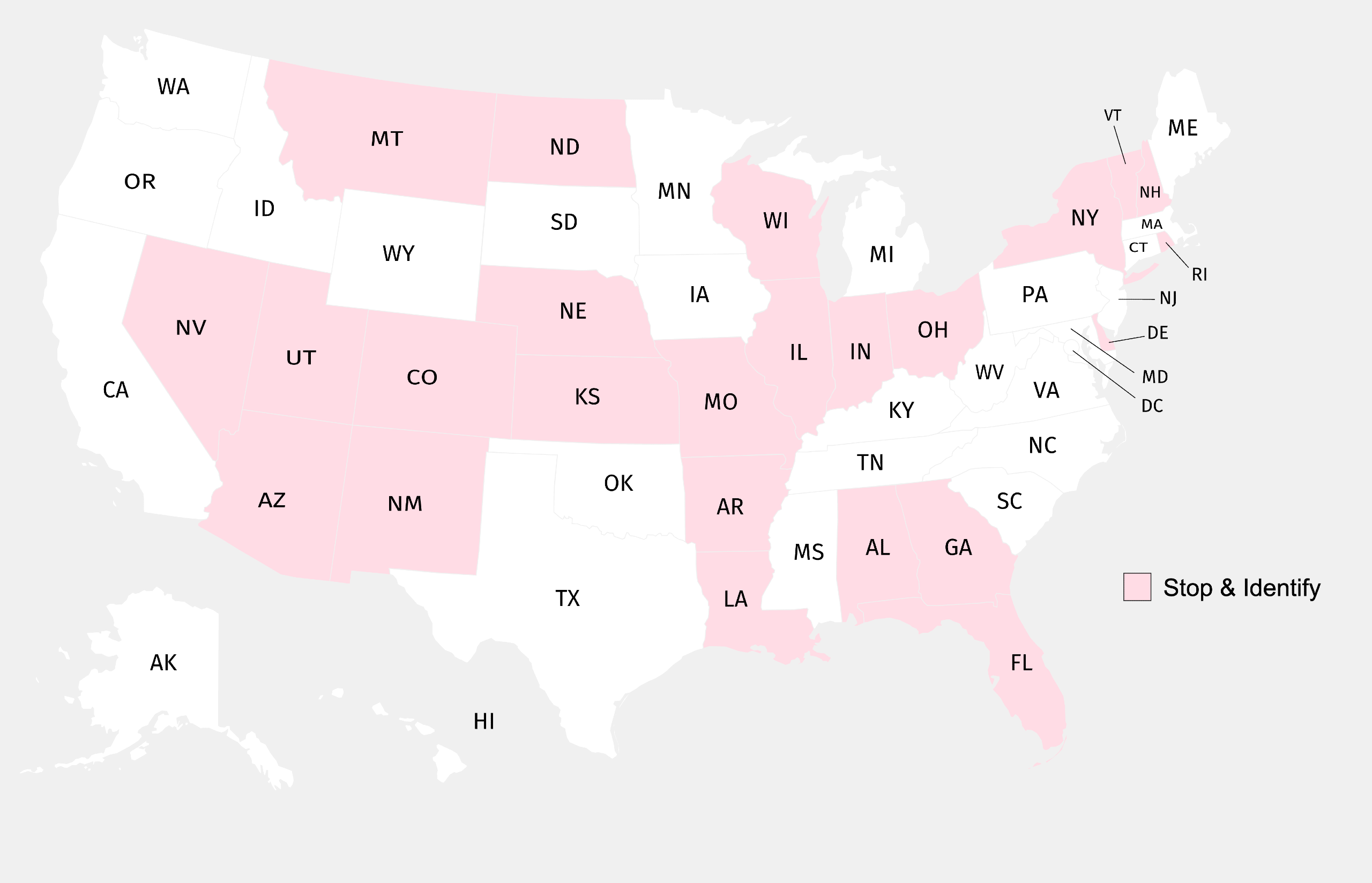
Following Terry v. Ohio, states have adopted different approaches to requiring identification during a lawful detention. Some states, often referred to as “stop and identify” states, have laws explicitly requiring an individual to provide identification if lawfully detained by an officer. Failure to do so can result in a separate charge, such as resisting arrest or obstructing justice. Other states do not have such explicit laws, meaning that while an officer can ask for identification, an individual is generally not legally obligated to provide it unless they are being arrested or are operating a motor vehicle. This distinction is crucial for understanding your rights in any given jurisdiction.
What Constitutes Reasonable Suspicion?
“Reasonable suspicion” is a lower standard than “probable cause” (which is required for an arrest or search warrant). It means an officer must have specific, articulable facts that, when taken together with rational inferences from those facts, reasonably warrant the intrusion. It’s more than a hunch but less than proof of wrongdoing. Factors contributing to reasonable suspicion can include a person’s demeanor, location (e.g., high-crime area), time of day, or actions observed by the officer. Understanding this standard is vital because it determines the legality of the initial stop itself. If an officer lacks reasonable suspicion, the stop is unlawful, and any evidence obtained as a result might be inadmissible in court.
California’s Stance: No “Stop and Identify” Mandate
In the context of “stop and identify” laws, California stands distinct from many other states. The short answer to the title question is: No, California is not a “stop and identify” state in the same way some other jurisdictions are. This means that generally, if you are merely detained (not arrested) by law enforcement on reasonable suspicion, you are not legally required to provide identification or state your name.
The Fourth Amendment and Probable Cause in California
The Fourth Amendment to the United States Constitution protects individuals from unreasonable searches and seizures. In California, this protection is robustly upheld. While an officer can conduct a brief detention based on reasonable suspicion (as established in Terry v. Ohio), moving from a detention to an arrest requires “probable cause.” Probable cause means there are sufficient facts and circumstances to believe that a crime has been committed and that the person being arrested committed it. In the absence of an arrest or a specific statute requiring identification (like during a traffic stop), you are generally not mandated to identify yourself.
Your Right to Remain Silent and Refuse ID (Without Arrest)
One of the most fundamental rights in the United States is the right to remain silent, protected by the Fifth Amendment. In California, this extends to refusing to provide identification during a non-arrest detention. If an officer asks for your name, address, or other identifying information when you are not being arrested and are not operating a vehicle, you have the right to politely decline. It’s crucial to state clearly, “I do not consent to this search” or “I am exercising my right to remain silent” rather than simply ignoring the officer, as clear communication is often beneficial. However, keep in mind that refusing to identify yourself might prolong the encounter, and it’s essential to remain cooperative without waiving your rights.
Distinction Between Consensual Encounters and Detentions
It’s important for residents and visitors alike to understand the difference between a consensual encounter and a detention.
- Consensual Encounter: This occurs when a police officer approaches you in a public place (like Hollywood Boulevard or San Diego‘s Gaslamp Quarter) and asks questions. You are free to leave at any time and do not have to answer any questions or provide identification. You can politely say, “Am I free to go?” and if the answer is yes, you can leave.
- Detention: This happens when an officer, based on reasonable suspicion, restricts your freedom of movement. You are not free to leave. During a lawful detention, an officer may ask questions, but as established, in California, you generally don’t have to provide identification unless you’re being arrested or operating a vehicle.
- Arrest: This occurs when an officer has probable cause that you have committed a crime. At this point, you will be taken into custody, and you will be required to provide identifying information as part of the booking process.
Navigating Police Interactions in California: A Lifestyle Guide
Being prepared for potential interactions with law enforcement is a vital part of responsible living and traveling. Whether you’re exploring Napa Valley‘s wineries or commuting through Silicon Valley, knowing your rights and how to behave can significantly influence the outcome of such encounters. This isn’t about fostering an adversarial relationship with law enforcement, but rather about equipping yourself with the knowledge to protect your rights respectfully and effectively.
When Can Police Ask for Identification?
While California is not a traditional “stop and identify” state, there are specific situations where you are legally required to provide identification:
- Traffic Stops: If you are operating a motor vehicle, you are legally obligated to provide your driver’s license, vehicle registration, and proof of insurance upon request during a lawful traffic stop.
- Arrest: If you are lawfully arrested, you will be required to provide identifying information during the booking process at the police station.
- Specific Public Safety Scenarios: In very limited circumstances, like certain public safety emergencies or events where identification is strictly necessary for order or security, you might be required to identify yourself. However, these are rare and usually clearly defined by local ordinances or specific event rules.
- Licensing and Permits: If you are engaged in an activity that requires a specific license or permit (e.g., fishing, carrying a concealed weapon where permitted), an officer may ask for proof of that license/permit.
In all other situations, an officer can ask for identification, but you are generally not legally required to provide it unless one of the above conditions applies.
Knowing Your Rights: Key Takeaways for Residents and Visitors
For a confident lifestyle in California, remember these essential rights:
- Right to Remain Silent: You have the right to refuse to answer questions. You can politely state, “I am exercising my right to remain silent.”
- Right to Refuse Search: Police cannot search you or your belongings without probable cause, a warrant, or your consent. You can politely state, “I do not consent to this search.”
- Right to an Attorney: If you are arrested, you have the right to an attorney. Ask for one immediately and do not answer questions without them present.
- Right to Leave (in Consensual Encounters): If you are not detained, you are free to leave. Ask, “Am I free to go?”
- No Obligation to Identify (Generally): Unless you are driving or under arrest, you are generally not required to provide identification.
The Importance of Documentation (When Appropriate)
In an era of ubiquitous technology, documenting interactions with law enforcement can be a powerful tool. In California, it is generally legal to openly record police officers in public places, as long as you do not interfere with their duties. This means you can often use your smartphone to record an encounter. This can protect both you and the officer by providing an objective record of events. If you choose to record, ensure you do so safely, openly, and without escalating the situation. This practice, while not always necessary, contributes to an informed lifestyle where accountability and transparency are valued.
Practical Tips for a Confident California Experience
Living or traveling in California offers an incredible array of experiences, from the scenic drive along Route 66 to marveling at the Golden Gate Bridge or exploring Yosemite National Park. Understanding your rights is a foundational element of enjoying these experiences without undue concern. Here are some practical tips to foster respectful and effective interactions with law enforcement, ensuring your time in the Golden State is as smooth and worry-free as possible.
Staying Calm and Respectful
Regardless of your legal rights, maintaining a calm and respectful demeanor during any police interaction is paramount. Officers are often operating under stressful conditions, and a confrontational attitude can quickly escalate a situation unnecessarily. Even if you believe your rights are being violated, remain polite and avoid arguing. State your intentions clearly, such as “I am exercising my right to remain silent” or “I do not consent to this search,” but do so without hostility. Remember the officer’s badge number and patrol car number, and note details of the encounter, but save any complaints or legal challenges for a later time with legal counsel. This approach is not about submission, but strategic de-escalation for your own safety and benefit.
When to Seek Legal Counsel
Knowing when to consult a legal professional is a critical part of a responsible lifestyle. If you have been arrested, believe your rights were violated during a police encounter, or are facing charges, do not hesitate to seek legal counsel immediately. An attorney specializing in civil rights or criminal defense can provide expert guidance, represent your interests, and ensure due process is followed. Organizations like the American Civil Liberties Union (ACLU) of California also offer resources and, in some cases, legal assistance for matters involving civil liberties. Early legal intervention can make a significant difference in the outcome of your case.
Resources for Further Information
For those who wish to delve deeper into their rights or stay updated on legal changes, several reputable resources are available. The California Attorney General’s office website, the ACLU of California, and various legal aid organizations provide comprehensive information on civil rights, police interactions, and legal processes. These resources can be invaluable, offering detailed guides and legal updates that help residents of Sacramento, visitors to Beverly Hills or Malibu, and everyone in between, maintain an informed and empowered lifestyle in the Golden State. Being well-informed is the best defense and ensures your experiences in California are defined by freedom and confidence.
LifeOutOfTheBox is a participant in the Amazon Services LLC Associates Program, an affiliate advertising program designed to provide a means for sites to earn advertising fees by advertising and linking to Amazon.com. Amazon, the Amazon logo, AmazonSupply, and the AmazonSupply logo are trademarks of Amazon.com, Inc. or its affiliates. As an Amazon Associate we earn affiliate commissions from qualifying purchases.