
One of the foundational pieces of information for any traveler planning a trip is understanding the local time zone. It dictates everything from flight schedules and hotel check-ins to meeting times and communication with those back home. So, for those eyeing the golden shores, towering redwoods, or bustling cities of the United States‘ Golden State, a crucial question often arises: is California in the Central Time Zone? The definitive answer is no. California proudly observes the Pacific Time Zone, a distinct time designation that sets it apart from much of the central and eastern United States. This article will delve into the specifics of California’s time zone, explain why it matters for your travel plans, and provide practical tips for navigating time differences to ensure a smooth and enjoyable visit.
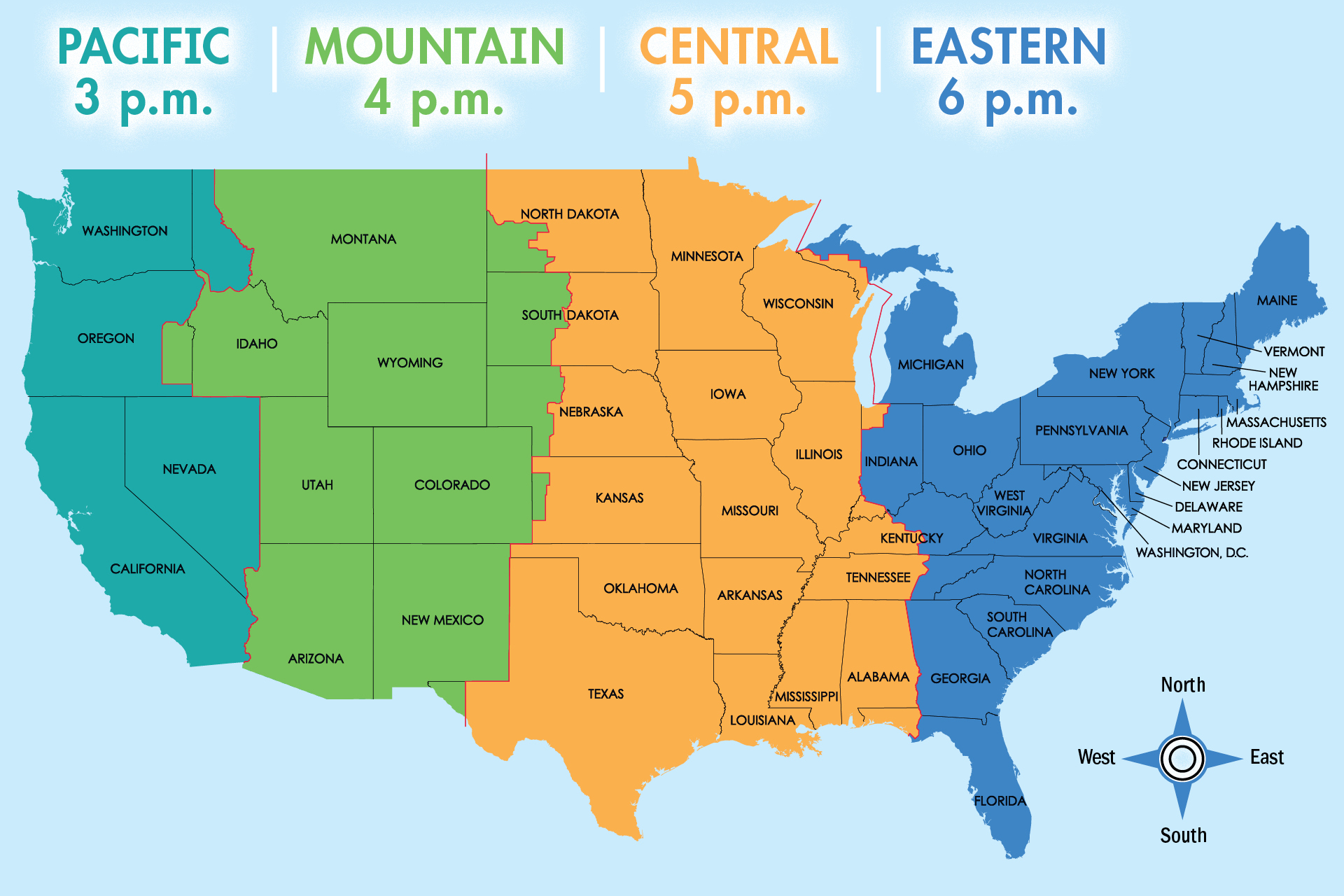
Unpacking California’s Time Zone Reality
Understanding California’s specific time zone is the first step in planning any trip to the state. It operates under the Pacific Time Zone, which is characterized by its observance of both a standard time and a daylight saving time, much like many other regions across the globe.
The Pacific Standard and Pacific Daylight Time Divide
The Pacific Time Zone alternates between two designations throughout the year: Pacific Standard Time (PST) and Pacific Daylight Time (PDT).
- Pacific Standard Time (PST) is observed during the fall and winter months. It is 8 hours behind Coordinated Universal Time (UTC-8). This means if it’s noon UTC, it’s 4 AM in California during PST.
- Pacific Daylight Time (PDT) comes into effect during spring and summer as part of Daylight Saving Time. During PDT, clocks are advanced by one hour, making the zone 7 hours behind Coordinated Universal Time (UTC-7). This shift typically occurs on the second Sunday in March, when clocks “spring forward” one hour, and reverts to PST on the first Sunday in November, when clocks “fall back” one hour. The primary purpose of Daylight Saving Time is to make better use of daylight hours, effectively shifting an hour of daylight from the morning to the evening. This impacts daily schedules, and travelers must be aware of these transitions, especially if their trip coincides with these changeover dates.
Geographic Extent of the Pacific Time Zone
California is not alone in observing the Pacific Time Zone. Several other western states and parts of Canada also share this time designation. In the United States, states such as Oregon, Washington, and Nevada are entirely within the Pacific Time Zone. Additionally, a portion of Idaho also observes Pacific Time, specifically the panhandle region. This geographical alignment is important for travelers who might be planning multi-state road trips through the western United States, as it simplifies time management across these borders. For instance, traveling from Los Angeles to Las Vegas involves no time zone change, as both are in the Pacific Time Zone. In contrast, moving east into states like Utah or Arizona would typically involve a time change, though Arizona famously does not observe Daylight Saving Time in most areas, creating a dynamic shift in its time difference with California during half the year.
Why Time Zones Matter for Your California Travel
Beyond a simple factual understanding, grasping California’s time zone has significant practical implications for any traveler. It can influence everything from the enjoyment of your trip to the efficiency of your schedule.
Seamless Itinerary Planning and Booking
Accuracy in time zone calculations is paramount when crafting your travel itinerary. Consider booking a flight that arrives at 9:00 AM Pacific Time – if you’re mentally calculating based on your home time zone, you might be surprised by an earlier or later arrival than expected. This extends to pre-booked activities:
- Flight Arrivals/Departures: Miscalculating the time can lead to missed connections or unnecessary waiting periods at the airport. Always confirm flight times in the local time of your departure and arrival airports.
- Hotel Check-ins: Hotel check-in times are strictly enforced in local time. Arriving much earlier or later than anticipated without prior arrangement could lead to inconvenience or additional fees.
- Tour Bookings and Restaurant Reservations: Many popular attractions, tours, and restaurants in California require advance bookings. Showing up an hour late, or even an hour early, due to a time zone miscalculation can result in forfeited reservations, missed tours, or a loss of valuable time. For example, a sunset cruise in San Francisco is entirely dependent on the local time of sunset.
Communication Across Time Zones
For many travelers, staying connected with family, friends, or colleagues in different time zones is a necessity. This is especially true for business travelers or those on extended trips.
- Personal Communication: Calling home can become a puzzle. If your family on the East Coast is three hours ahead, a 9:00 PM call from Los Angeles means a midnight interruption for them. Being aware of the difference allows you to schedule calls and video chats at mutually convenient times.
- Business Travel: For business travelers, time zones are critical. Scheduling virtual meetings with clients or colleagues in other parts of the United States or internationally requires careful planning to avoid late-night or early-morning calls for one party. Missing a crucial meeting due to a time zone oversight can have professional repercussions. Knowing that California is two hours behind the Central Time Zone and three hours behind the Eastern Time Zone is fundamental.
Navigating Jet Lag
Jet lag, or desynchronosis, is a common physiological condition that occurs when internal body clocks are disrupted by rapid long-distance travel across multiple time zones.
- Understanding the Impact: Traveling from the East Coast to California means setting your internal clock back by three hours. This can lead to fatigue, irritability, difficulty sleeping, and digestive issues as your body struggles to adjust. While moving from east to west is generally considered less severe than west to east, it still requires adjustment.
- Minimizing Effects: Being aware of the time difference allows you to take proactive steps to mitigate jet lag. Adjusting your sleep schedule a few days before departure, staying hydrated, getting natural light exposure upon arrival, and gradually adapting to local meal times can significantly reduce the impact of jet lag, allowing you to enjoy your California experience sooner.
Comparing California’s Time with Other Major US Zones
To truly appreciate California’s time zone, it’s helpful to see it in context with other prominent time zones across the United States. This comparison is essential for anyone traveling domestically or communicating across state lines.
Pacific vs. Central Time Zone

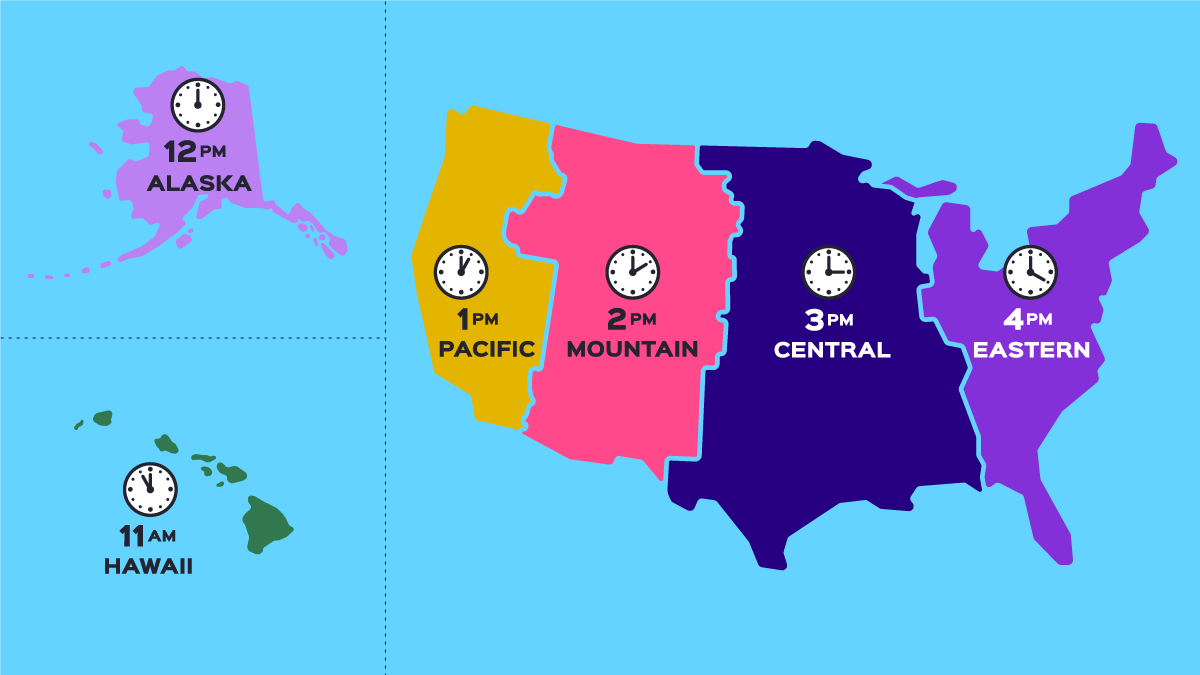
As established, California is not in the Central Time Zone. The Pacific Time Zone is two hours behind the Central Time Zone. This means that if it’s 10:00 AM in California (Pacific Time), it’s 12:00 PM (noon) in areas observing Central Time.
Major cities in the Central Time Zone include Chicago, Dallas, Houston, New Orleans, and Kansas City. Travelers from these areas to California will “gain” two hours, meaning their 10:00 AM flight departure will land them in California (factoring in flight time) at a local time that feels earlier to their body clock.
Pacific vs. Eastern Time Zone
The difference becomes even more pronounced when comparing Pacific Time with the Eastern Time Zone. The Pacific Time Zone is three hours behind the Eastern Time Zone. So, if it’s 10:00 AM in California (Pacific Time), it’s 1:00 PM in areas observing Eastern Time.
Major cities on the East Coast such as New York City, Miami, Boston, and Washington D.C. are all in the Eastern Time Zone. This three-hour difference often requires more significant adjustment for travelers and more careful planning for scheduled communications.
Pacific vs. Mountain Time Zone
Moving westward, the time difference narrows. The Pacific Time Zone is one hour behind the Mountain Time Zone. Therefore, if it’s 10:00 AM in California (Pacific Time), it’s 11:00 AM in Mountain Time regions.
States like Colorado, Utah, Montana, and most of Idaho are in the Mountain Time Zone, along with parts of Arizona. A notable exception is much of Arizona, which does not observe Daylight Saving Time. This means that during Daylight Saving Time (spring/summer), Arizona observes Mountain Standard Time (MST) but is effectively on the same clock as California’s Pacific Daylight Time. However, when California reverts to PST in the fall, it becomes one hour behind [Arizona](https://lifeoutofthebox.com/arizona]’s constant MST. This unique situation requires careful attention for travelers moving between California and Arizona at different times of the year.
Practical Tips for Time Zone Management While Traveling to California
Navigating time zones doesn’t have to be a source of stress. With a few proactive steps and the right tools, you can seamlessly transition to California time and maximize your travel experience.
Before You Depart
Preparation is key to minimizing time zone disruption.
- Adjust Your Watch Early: A few days before your trip, begin gradually shifting your sleep schedule. If traveling from the East Coast, try to go to bed and wake up an hour or two later each day. Immediately set your watch to California time when you board your flight. This psychological shift helps your brain start the adjustment process.
- Schedule Calls and Inform Contacts: If you have important calls or meetings while in California, schedule them with the time difference in mind. Communicate your new time zone to family, friends, and colleagues so they know when best to reach you and understand any delays in your responses.
- Review All Bookings in Local Time: Double-check all flight, hotel, tour, and restaurant reservations, noting the times in Pacific Time. Confirm any Daylight Saving Time changes if your travel dates fall around March or November.
During Your Journey and Stay
Once you’re en route and have arrived in California, continue to be mindful of your body’s adjustment.
- Hydrate and Avoid Alcohol/Caffeine: Dehydration can exacerbate jet lag symptoms. Drink plenty of water before, during, and after your flight. While tempting, excessive alcohol or caffeine can interfere with sleep patterns and body clock adjustment.
- Embrace Natural Light: Upon arrival, expose yourself to natural light, especially in the mornings. Sunlight helps reset your circadian rhythm. Head outdoors, enjoy a walk, or simply sit by a window. Conversely, try to minimize bright light exposure in the evenings if you’re struggling to sleep.
- Adapt Sleep and Meal Patterns: Force yourself to adopt the local California schedule as quickly as possible. Eat meals at local times, even if you’re not hungry, and try to sleep during California night. Even short naps can help, but avoid long ones that could further disrupt your nighttime sleep.
Leveraging Technology
Modern technology offers a plethora of tools to assist with time zone management.
- Smartphone World Clocks: Utilize your smartphone’s built-in world clock feature to track multiple time zones simultaneously, including your home time and California time.
- Travel Apps: Many travel planning apps integrate time zone adjustments and can help you organize your itinerary accordingly. Apps like Google Calendar automatically adjust event times based on your current location.
- Set Reminders: Use your phone to set alarms and reminders for key appointments in California time. This minimizes the chance of missing an event due to residual confusion.
A Brief History and Future of California’s Time Zone
The current system of time zones is a relatively modern invention, born out of necessity during the industrial revolution and the expansion of railway networks. Its future is also subject to ongoing discussions and potential changes.
The Establishment of Standard Time
Before the late 19th century, most localities in the United States observed local solar time, meaning noon was simply when the sun was highest in the sky. This created thousands of different local times, causing immense logistical problems for railroad scheduling. In 1883, American and Canadian railroads adopted a system of four standard time zones across the continent. This move was not mandated by law but quickly gained widespread acceptance. The United States Congress officially recognized this system with the Standard Time Act of 1918, which also introduced the concept of Daylight Saving Time. California was designated as part of the Pacific Time Zone in this standardized framework, aligning it with its western geographical position.
The Debate Over Daylight Saving Time in California
In recent years, California, like many other states, has engaged in robust discussions about the relevance and future of Daylight Saving Time. In 2018, California voters passed Proposition 7, which granted the state legislature the power to change Daylight Saving Time by a two-thirds vote, or to establish a year-round Pacific Standard Time if authorized by federal law. The arguments against Daylight Saving Time often cite potential health impacts, disruptions to daily routines, and a lack of significant energy savings. While no definitive change has yet occurred, the ongoing debate highlights a potential shift in how California manages its time in the future. For travelers, this means staying updated on local regulations, though any significant change would likely be well-publicized and phased in over time. For now, the biannual clock change remains a reality for travel planning.
In conclusion, to answer the initial query, no, California is not in the Central Time Zone. It is firmly situated within the Pacific Time Zone, alternating between Pacific Standard Time and Pacific Daylight Time throughout the year. Understanding this crucial detail is more than just a trivial fact; it’s a vital piece of information that underpins effective travel planning, seamless communication, and a smoother transition into your California adventure. By preparing for time zone differences and utilizing available tools, you can ensure that your visit to the Golden State is as relaxing and enjoyable as possible, free from unexpected scheduling woes.
LifeOutOfTheBox is a participant in the Amazon Services LLC Associates Program, an affiliate advertising program designed to provide a means for sites to earn advertising fees by advertising and linking to Amazon.com. Amazon, the Amazon logo, AmazonSupply, and the AmazonSupply logo are trademarks of Amazon.com, Inc. or its affiliates. As an Amazon Associate we earn affiliate commissions from qualifying purchases.