
The question “Is Texas East Coast?” might seem straightforward to anyone familiar with United States geography, but it’s a query that reveals a fascinating insight into regional identities, cultural perceptions, and the sheer diversity of the American landscape. The answer, unequivocally, is no. Texas is not on the East Coast. Instead, it occupies a distinctive and influential position within the South Central United States, bordering the Gulf of Mexico and acting as a vibrant bridge between the American South, the West, and Latin America.
Understanding this geographical reality is the first step in appreciating Texas as a travel destination unlike any other. It’s a state that defies easy categorization, boasting an identity forged by vast plains, bustling metropolises, a rich historical tapestry, and a unique blend of cultural influences. For the discerning traveler, unraveling the true location and character of Texas opens up a world of unparalleled experiences, far removed from the charming coastal towns and historic cities typically associated with the East Coast.

Unpacking the Geographical Reality: Where Does Texas Truly Lie?
To settle the question once and for all, we must firmly establish Texas’s geographical coordinates within the continental United States. Its location is not merely a point on a map; it profoundly shapes its climate, ecology, and the very fabric of its existence.
The Continental Divide: East vs. West
The term “East Coast” typically refers to the states that line the Atlantic Seaboard, stretching from Maine down to Florida. These states share a direct border with the Atlantic Ocean and often possess a shared history rooted in colonial beginnings, distinct architectural styles, and specific economic drivers. Geographically, a significant portion of the United States separates Texas from this region. The vast expanse of the Southeastern states, the formidable Appalachian Mountains, and crucially, the Mississippi River basin act as natural dividers.
Texas is situated in the South Central portion of the country, bordered by Louisiana to the east, Arkansas and Oklahoma to the north, New Mexico to the west, and Mexico to the south. This positioning places it squarely in a transitional zone, blending elements of the Deep South with the expansive West, all while maintaining its unique Texan identity. The landscape shifts dramatically from the piney woods of East Texas to the deserts of the Trans-Pecos, a diversity far removed from the more uniform coastal plains of the Atlantic.
Coastal Identity: Gulf Coast vs. Atlantic Coast
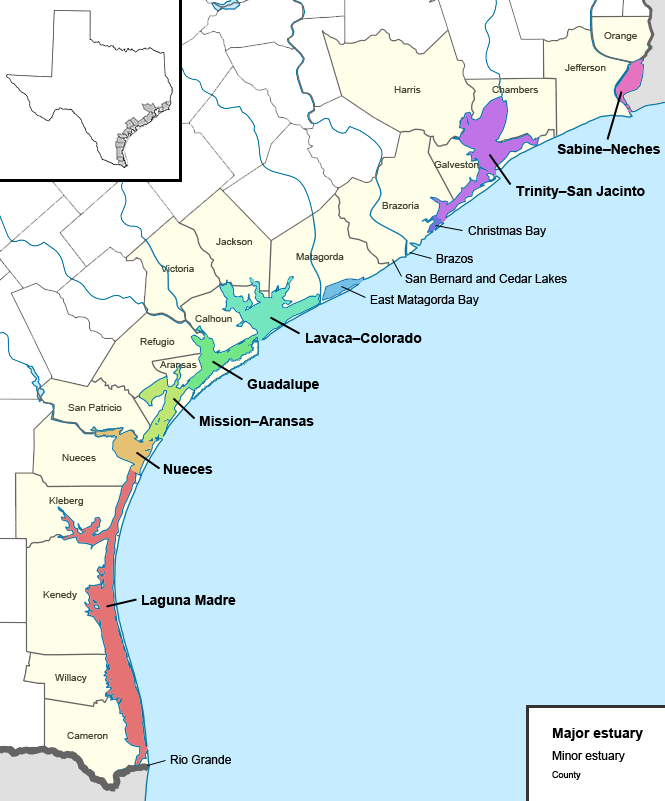
While Texas does boast an extensive coastline, it faces the Gulf of Mexico, not the Atlantic Ocean. The Texas Gulf Coast stretches for hundreds of miles, featuring barrier islands, sandy beaches, bustling ports like Houston and Galveston, and vital wildlife habitats. This Gulf Coast region has its own distinct climate, ecology, and cultural nuances, heavily influenced by its proximity to the warm waters of the Gulf and its historical ties to maritime trade and the energy industry.
In contrast, the Atlantic Coast is characterized by different ocean currents, historical lighthouses, quaint fishing villages, and historically significant port cities that played a pivotal role in the formation of the United States. The differences extend to the types of marine life, the hurricane seasons, and even the architectural styles found along the shorelines. The beaches of South Padre Island or Corpus Christi offer a vastly different experience from those in North Carolina or New Jersey, underscoring Texas’s separate coastal identity.
A Tapestry of Influences: Texas’s Unique Cultural Blend
Beyond its geographical location, Texas’s distinct identity as a travel destination is profoundly shaped by its rich, multifaceted culture. It is a true melting pot, drawing elements from diverse historical pathways and neighboring regions.
Southern Charm Meets Western Spirit
Texas is often described as “a whole other country,” and for good reason. Its cultural landscape is a fascinating amalgamation. In East Texas, you’ll find strong influences from the Deep South, with a noticeable Southern charm in its hospitality, a love for comfort food, and a musical heritage rooted in blues and country. The pine forests and slower pace in this region often evoke images of Louisiana or Mississippi.
As you move westward, the landscape and culture transition dramatically, embracing the rugged individualism and expansive spirit of the American West. Here, ranching traditions, cowboy culture, and a fierce sense of independence define much of the identity. From the cattle drives of Fort Worth to the vast ranches of the Panhandle, the “Western spirit” is palpable. Adding another rich layer is the profound Mexican and Hispanic influence, particularly evident along the southern border and in major cities like San Antonio. This heritage brings vibrant traditions, language, and a zest for life that is deeply woven into the Texan fabric. This unique confluence of Southern, Western, and Hispanic cultures creates a truly dynamic and engaging environment for travelers.
Culinary Crossroads: More Than Just Barbecue
While Texas BBQ holds legendary status – think slow-smoked brisket, ribs, and sausage – to label Texan cuisine solely by its barbecue would be a disservice. The state is a true culinary crossroads, offering a diverse array of flavors that reflect its cultural heritage. Tex-Mex cuisine, a fusion of Mexican and Texan ingredients and cooking styles, is a cornerstone, with dishes like fajitas, enchiladas, and queso being local staples.
Major cities like Houston, Austin, and Dallas boast world-class dining scenes that extend far beyond regional specialties. Houston, in particular, is renowned for its incredible diversity, offering everything from Vietnamese pho to West African stews, a testament to its status as one of the most multicultural cities in the United States. Austin’s vibrant food truck culture and farm-to-table restaurants showcase innovative culinary trends, while Dallas offers upscale dining and international flavors. Food travel in Texas is an adventure in itself, promising unexpected delights around every corner.

Travel Experiences: What Makes Texas a Distinct Destination
For travelers seeking authentic and varied experiences, Texas presents an intoxicating mix of urban sophistication, raw natural beauty, and rich historical narratives that simply cannot be found on the East Coast.
From Big Cities to Wide-Open Spaces
Texas is home to some of the largest and most dynamic cities in the United States, each with its own character and appeal. Houston stands as a global hub for energy and space exploration, home to the NASA Johnson Space Center and a thriving arts scene. The Dallas-Fort Worth metroplex offers a blend of modern business, high fashion, and traditional cowboy heritage, particularly evident at the Fort Worth Stockyards National Historic District. Austin, the state capital, pulses with live music, innovative tech, and a laid-back, liberal vibe that earns it the moniker “Live Music Capital of the World.” Meanwhile, San Antonio offers deep historical immersion, from the iconic Alamo to the picturesque Riverwalk, making it a truly unique cultural gem.
Beyond the urban sprawl, the natural landscapes of Texas are astonishingly diverse. Big Bend National Park, a remote wilderness bordering Mexico, offers breathtaking mountain vistas, desert ecosystems, and unparalleled stargazing opportunities. The state’s numerous state parks provide opportunities for hiking, camping, and exploring canyons, forests, and spring-fed rivers. And, of course, the Gulf Coast beaches offer sun, sand, and water activities, completing the picture of a destination that caters to every type of traveler.
Festivals, Fairs, and Frontier Fun
Texas thrives on its vibrant calendar of events and attractions, offering year-round entertainment that celebrates its unique heritage. The State Fair of Texas, held annually in Dallas, is a colossal event featuring rodeos, concerts, carnival rides, and famously, deep-fried everything. Rodeos are an integral part of Texan culture, with major events like the Houston Livestock Show and Rodeo drawing massive crowds and showcasing authentic cowboy skills.
Music lovers flock to Austin for world-renowned festivals such as SXSW (South by Southwest), celebrating film, music, and interactive media, and Austin City Limits, an outdoor music festival. History buffs can explore missions, presidios, and museums across the state, delving into the complex stories of Native American tribes, Spanish colonization, Mexican rule, and the fight for Texan independence. These diverse attractions make Texas a destination where every visit can uncover a new adventure.
Planning Your Texas Adventure: Essential Travel Tips
Given its vastness and diversity, planning a trip to Texas requires a strategic approach to truly embrace all it has to offer.
Navigating the Lone Star State
One of the most crucial tips for travelers to Texas is to understand its immense size. It is the second-largest state in the United States of America, meaning driving distances between major cities or natural attractions can be substantial. A rental car is almost essential for exploring the state beyond a single urban center. Consider focusing on a specific region (e.g., the Hill Country, the Gulf Coast, or the Dallas-Fort Worth area) if your time is limited, or plan a multi-city road trip if you wish to see more.
The best time to visit depends on your itinerary. Spring (March-May) and Fall (September-November) offer pleasant temperatures statewide, ideal for outdoor activities and festivals. Summers can be intensely hot, particularly in the desert regions and major cities, while winters are generally mild but can see occasional cold snaps, especially in the Panhandle.
Embracing the Local Vibe
Texans are known for their hospitality and pride in their state. Engaging with locals, whether at a small-town diner or a big-city brewery, can greatly enhance your travel experience. Don’t be shy to strike up a conversation; you’ll often find a warm welcome and plenty of recommendations for hidden gems. While the “cowboy hat and boots” stereotype exists, dress codes vary widely depending on the setting, from casual in many areas to surprisingly chic in urban centers.
It’s also worth noting the varied political and social landscapes across the state. Approaching your visit with an open mind and a willingness to appreciate diverse perspectives will allow you to fully immerse yourself in the rich tapestry of Texan life. Remember that everything is bigger in Texas – including the personalities and the experiences.
Conclusion: Texas – A World Apart
In conclusion, to answer the initial question, “Texas is East Coast?” is to confirm a distinct geographical and cultural reality: Texas is definitively not part of the East Coast of the United States. It stands proudly as its own unique region, a Lone Star State rich in history, diverse landscapes, and an unparalleled blend of Southern, Western, and Hispanic influences.
For the adventurous traveler, this distinction is not a limitation but an invitation. It beckons you to explore the sprawling metropolitan areas, immerse yourself in vibrant cultural scenes, savor innovative culinary delights, and discover the breathtaking beauty of its natural wonders. From the rhythm of live music in Austin to the echoes of history at the Alamo, and from the expansive deserts of Big Bend to the lively shores of the Gulf Coast, Texas offers an array of travel experiences that are distinctly Texan – a world apart, waiting to be discovered.
LifeOutOfTheBox is a participant in the Amazon Services LLC Associates Program, an affiliate advertising program designed to provide a means for sites to earn advertising fees by advertising and linking to Amazon.com. Amazon, the Amazon logo, AmazonSupply, and the AmazonSupply logo are trademarks of Amazon.com, Inc. or its affiliates. As an Amazon Associate we earn affiliate commissions from qualifying purchases.