
For travelers planning a visit to the sun-drenched shores and vibrant cities of California, a fundamental question often arises regarding its time zone. Is California on Eastern Standard Time (EST)? The simple and definitive answer is no. California, a sprawling state on the western edge of the United States, operates under a completely different time zone, a distinction critical for everything from booking flights to scheduling important calls with contacts across the country. Understanding this geographical and temporal reality is the first step towards a seamless and enjoyable Californian experience, ensuring you’re perfectly synchronized with local rhythms and avoiding any temporal mishaps that could disrupt your plans.
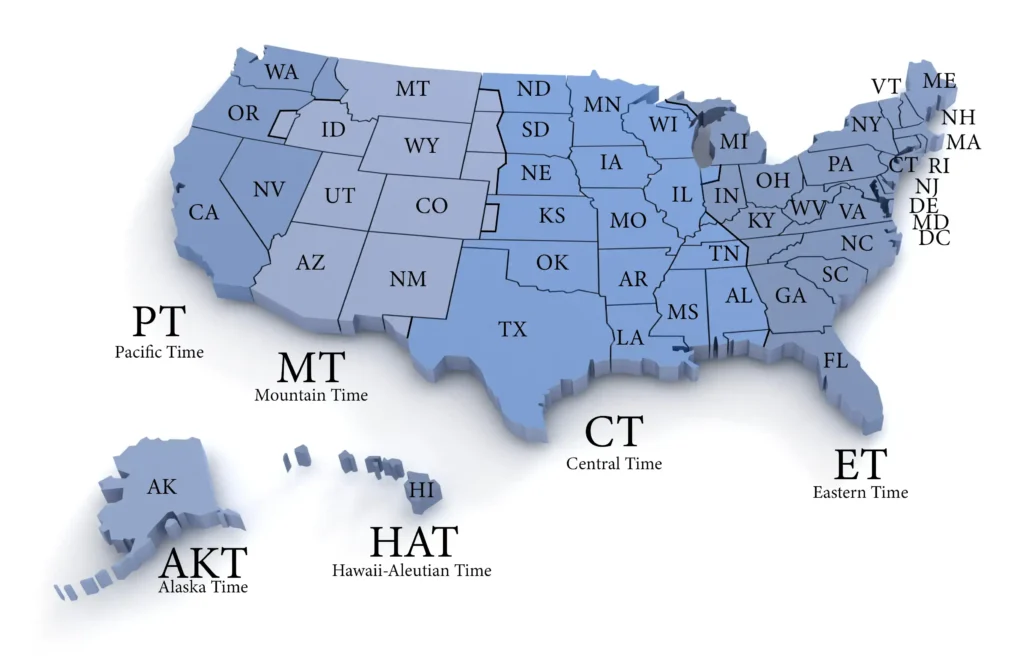
This article delves into the specifics of California’s time zone, its implications for travelers, and practical strategies to navigate the time difference effectively. Whether you’re flying in from the East Coast, scheduling a virtual meeting, or simply curious about how the United States manages its vast temporal landscape, this guide will provide insightful and engaging information to prepare you for your journey to the Golden State.
The Definitive Answer: California’s True Time Zone
To clear up any confusion right from the start, California observes Pacific Standard Time (PST) during the fall and winter months and Pacific Daylight Time (PDT) during the spring and summer. This places California three hours behind Eastern Standard Time (EST) or Eastern Daylight Time (EDT), meaning that when it’s noon in New York City, it’s a refreshing 9:00 AM in Los Angeles. This significant time difference is a direct consequence of the Earth’s rotation and the international system of time zones designed to standardize timekeeping across different longitudes.
Understanding Pacific Standard Time (PST) and Pacific Daylight Time (PDT)
Pacific Standard Time (PST) is defined as UTC-8, meaning it is eight hours behind Coordinated Universal Time. This is the standard time observed from the first Sunday in November to the second Sunday in March. During this period, the days are shorter, and daylight saving time is not in effect.
Conversely, Pacific Daylight Time (PDT) is observed during the longer daylight hours of spring, summer, and early autumn. Starting on the second Sunday in March and ending on the first Sunday in November, clocks are advanced by one hour, making PDT UTC-7. This adjustment is popularly known as “Daylight Saving Time” and is implemented to make better use of natural daylight, shifting an hour of daylight from the morning to the evening. For travelers, understanding whether California is on PST or PDT is crucial, as it affects the precise time difference and, consequently, their scheduling. The states of Washington, Oregon, Nevada, and parts of Idaho also observe the Pacific Time Zone, creating a consistent temporal region along the West Coast.
The Continental Divide: Why Time Zones Matter
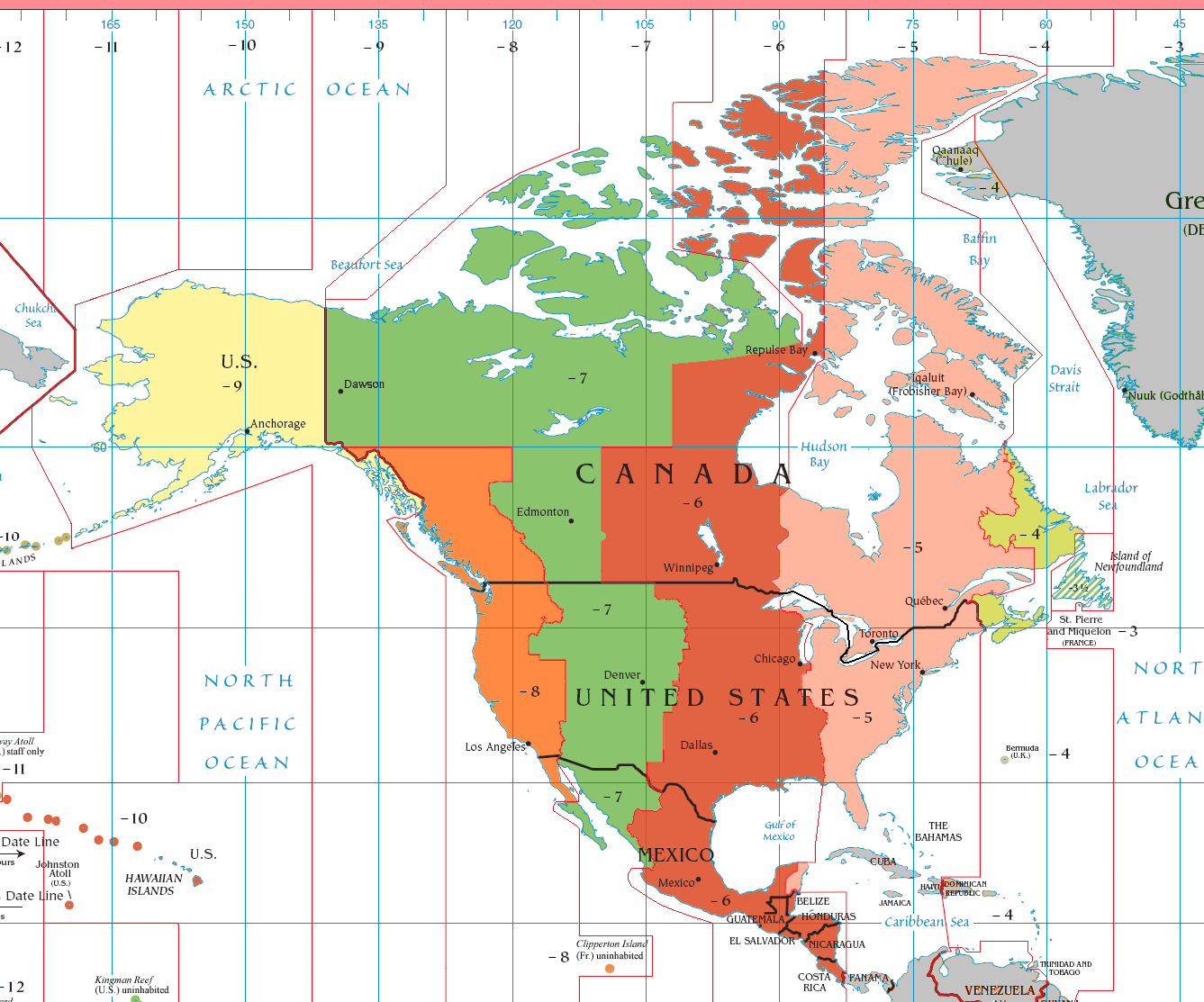
The United States is vast, spanning across multiple longitudes, necessitating the division into distinct time zones. From east to west, the contiguous United States is typically divided into four main time zones: Eastern Standard Time (EST), Central Standard Time (CST), Mountain Standard Time (MST), and Pacific Standard Time (PST). Each zone represents approximately 15 degrees of longitude, corresponding to a one-hour difference. This system ensures that noon roughly corresponds to the sun being at its highest point in the sky across the country, making daily schedules more intuitive.
For a traveler, these time zones are far from an arbitrary distinction. They dictate airline schedules, hotel check-in and check-out times, opening hours for attractions, and even the functioning of public transport. Failing to account for the time difference can lead to missed connections, early arrivals at closed establishments, or frustrating delays. Beyond practical logistics, the shift in time zones also directly impacts the human body, leading to a phenomenon known as jet lag, which can significantly affect a traveler’s comfort and enjoyment during the initial days of a trip.
Navigating the Time Difference: A Traveler’s Guide
Traveling across multiple time zones, particularly from the East Coast to the West Coast of the United States, requires some preparation. The three-hour difference between Eastern Standard Time and Pacific Standard Time can feel significant, altering sleep patterns and daily rhythms. However, with the right strategies, you can minimize the impact and maximize your enjoyment of California.
East Coast to West Coast: Calculating the Offset
When planning your trip from a location observing Eastern Standard Time (e.g., New York, Miami, Boston) to California, remember that California will always be three hours behind. This means if your flight departs New York at 9:00 AM EST, and the flight duration is six hours, you will arrive in Los Angeles at 12:00 PM PST (9 AM + 6 hours flight = 3 PM EST, then subtract 3 hours for PST = 12 PM PST). Always double-check your arrival times, hotel bookings, and any scheduled appointments against the local Pacific Standard Time or Pacific Daylight Time. Many online tools and smartphone apps can help with quick time zone conversions, making itinerary planning much simpler. Being aware of this offset allows for realistic scheduling and sets proper expectations for your arrival.
Beating Jet Lag: Tips for a Smooth Transition
Jet lag is a common companion for cross-country travelers, characterized by fatigue, disorientation, and disrupted sleep patterns. However, several strategies can help mitigate its effects:

- Adjust Before You Go: A few days before your trip, try to shift your sleep schedule by an hour or two towards California time. This means going to bed and waking up later if you’re traveling from the East Coast.
- Hydrate and Avoid Alcohol/Caffeine: Dehydration can exacerbate jet lag symptoms. Drink plenty of water before, during, and after your flight. Limit alcohol and excessive caffeine intake, as they can interfere with sleep.
- Embrace Natural Light: Upon arrival, expose yourself to natural light as much as possible, especially in the mornings. Sunlight helps reset your body’s internal clock. Take a walk, have breakfast outdoors, or simply open the curtains.
- Stay Active: Gentle exercise, like walking, can help reduce fatigue and promote better sleep at night.
- Eat Local Time Meals: Try to eat your meals according to the local California schedule, even if you’re not hungry. This cues your body to adjust.
- Prioritize Sleep: Resist the urge to nap for too long during the day, which can make it harder to sleep at night. If you must nap, keep it short (20-30 minutes). Go to bed at a reasonable local time.
- Consider Melatonin: Some travelers find melatonin helpful for resetting sleep cycles, but it’s always wise to consult a doctor before taking any supplements.
By proactively addressing the time difference, you can minimize discomfort and immerse yourself more fully in your California adventure from day one.
Practical Implications for Your California Trip
The three-hour time difference impacts more than just personal comfort; it has significant practical implications for the logistical planning and execution of your trip to California. From the moment you book your travel to your daily activities in the state, understanding and accounting for the time zone is paramount.
Planning Flights and Itineraries Across Time Zones
When booking flights, pay close attention to the arrival and departure times listed, noting whether they are local to the originating city or the destination. Most airline tickets will specify “local time.” However, mental calculation is essential to grasp the actual duration of your journey and your arrival time in California relative to your body clock. A “late afternoon” arrival might feel like late evening to someone arriving from New York, impacting their energy levels for immediate activities.
Similarly, when planning your daily itinerary, remember that a 9:00 AM tour in San Francisco will feel like 12:00 PM to your East Coast body. Allow for flexibility, especially on your first day. Don’t overschedule early morning activities, and consider a more relaxed start. This is particularly true if you are traveling with children, whose internal clocks are often more rigid and harder to adjust. For example, a planned visit to Disneyland should factor in these adjustments to ensure everyone is well-rested and ready for a full day of fun.
Business and Communication Considerations
For those mixing business with pleasure, or needing to maintain contact with colleagues, family, or friends in other time zones, the difference is critical. Scheduling calls or virtual meetings requires careful coordination. A 9:00 AM PST meeting in Los Angeles is 12:00 PM EST in New York, 11:00 AM CST in Chicago, and 10:00 AM MST in Denver. Missing these calculations can lead to missed opportunities or frustration. Clearly communicate the time zone for any scheduled engagements to avoid ambiguity. Modern calendaring tools often automatically adjust for time zones, but always verify to prevent errors. Furthermore, remember that traditional business hours on the East Coast will conclude while it’s still mid-afternoon in California, which can affect response times and availability.
Exploring California: Timeless Experiences Await
Despite the initial adjustment to the time zone, California offers an unparalleled array of experiences that make any temporal gymnastics worthwhile. From its bustling cities to its serene natural wonders, the Golden State promises memories that will last a lifetime.
Iconic Destinations and Their Local Clocks
Regardless of whether it’s Pacific Standard Time or Pacific Daylight Time, California’s iconic destinations operate on the same local clock. In Los Angeles, you can explore Hollywood, stroll along Santa Monica Pier, or visit world-class museums like the Getty Center. Up the coast in San Francisco, marvel at the Golden Gate Bridge, ride a cable car, or explore Alcatraz Island. Further south, San Diego offers beautiful beaches, Balboa Park, and its famous zoo.
Beyond the cities, California’s natural landscapes beckon. Yosemite National Park offers breathtaking waterfalls and giant sequoias, while the deserts of Palm Springs and Death Valley National Park present stark beauty. Wine country in Napa Valley and Sonoma provides a more relaxed pace. All these attractions adhere strictly to Pacific Time, so align your watches and schedules accordingly to maximize your precious vacation days.
Making the Most of Your Californian Days
With the longer daylight hours during Pacific Daylight Time, California truly lives up to its “Golden State” moniker, offering ample time to explore. Early risers, particularly those still adjusting from an Eastern time zone, might find themselves awake before the local businesses open. This can be an excellent opportunity for a peaceful morning walk along the beach, a quiet coffee at a local cafe, or a scenic drive before the crowds gather. As your internal clock adjusts, you’ll appreciate the extended evenings, perfect for sunset viewing, outdoor dining, or enjoying California’s vibrant nightlife. Embrace the laid-back California vibe, be flexible with your schedule, and allow yourself to adapt to the rhythm of the West Coast.
In conclusion, while the question “Is California Eastern Standard Time?” yields a clear negative, the journey to understanding its actual time zone (Pacific Standard Time or Pacific Daylight Time) unveils a fascinating layer of travel planning. By recognizing the three-hour difference and employing smart strategies to manage jet lag and logistics, travelers can seamlessly transition into the relaxed and dynamic pace of California, ready to enjoy all the incredible experiences this iconic state has to offer.
LifeOutOfTheBox is a participant in the Amazon Services LLC Associates Program, an affiliate advertising program designed to provide a means for sites to earn advertising fees by advertising and linking to Amazon.com. Amazon, the Amazon logo, AmazonSupply, and the AmazonSupply logo are trademarks of Amazon.com, Inc. or its affiliates. As an Amazon Associate we earn affiliate commissions from qualifying purchases.